Ceramic vs. Metal Braces: Which One Actually Hurts More?
Wondering if ceramic or metal braces hurt more? Compare discomfort levels, pros, and cons to find the best fit. Schedule your orthodontic visit today!
Read More
Medically Reviewed by Dr. Ali Tameemi
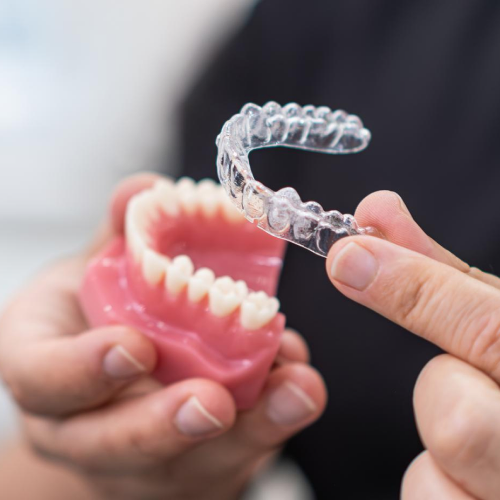
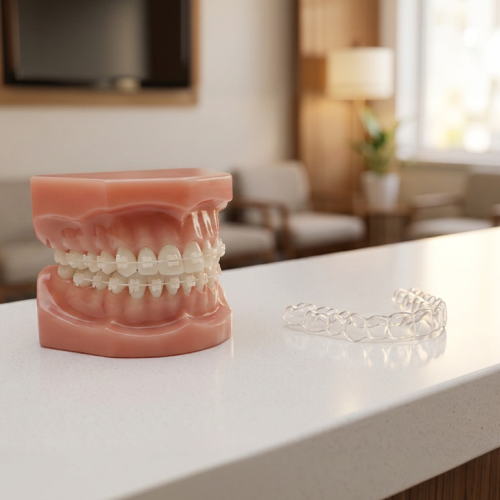
Both braces and clear aligners can correct overbites, but the right choice depends heavily on whether your overbite is dental or skeletal in nature. For Houston-area patients, complex cases almost always favor traditional braces, while mild-to-moderate dental overbites are strong candidates for clear aligner therapy. Understanding the difference before you commit to treatment can save you significant time and frustration. Whether you're exploring dental braces or clear aligners, knowing your overbite type is the essential first step.
Not all overbites are created equal — and this is where most treatment comparisons fall short.
A dental overbite means your teeth are angled or positioned in a way that causes excessive overlap. The underlying jaw structure is relatively normal. A skeletal overbite, on the other hand, is driven by bone: typically, a lower jaw that is too short relative to the upper jaw.
Here's why this matters enormously for treatment planning. Clear aligners move teeth. They cannot remodel adult bone. If you have a skeletal overbite and choose aligners expecting a dramatic profile change, the result will likely disappoint you — because the root cause was never addressed.
Invisalign does offer what they call "Mandibular Advancement" wings — small precision wings built into the aligner trays designed to encourage the lower jaw forward. The critical limitation: this mechanism only works in actively growing patients, typically pre-teens whose jawbones are still malleable. In adults with fully formed skeletal structure, these wings produce negligible jaw repositioning.
Adult patients with skeletal overbites who want true jaw alignment generally require one of two approaches: traditional braces paired with Temporary Anchorage Devices (TADs) — small titanium mini-screws placed in the jawbone that provide fixed anchor points for more powerful directional forces — or, in severe cases, orthognathic surgery to physically reposition the jaw.
According to Healthline, traditional braces are considered the standard of care for correcting severe overbites because they allow the orthodontist to add coils, springs, and elastics that shift the jaw into place — something clear plastic trays simply cannot replicate at a skeletal level.
A quick self-check: if your profile shows a noticeably recessed chin and your lower jaw appears significantly shorter than your upper, that pattern suggests a skeletal component. A cephalometric X-ray from your orthodontist will confirm it definitively.
Here is a complication that rarely gets mentioned during aligner consultations, and it directly affects overbite treatment.
When clear aligners are used to correct a deep bite, the continuous 0.75mm plastic material covering the back teeth acts as a bite block. Over months of wear, this constant separation creates unwanted intrusion forces on the posterior molars — pushing them slightly up into the jawbone rather than allowing them to erupt naturally. The result can be a posterior open bite: your front teeth now touch, but your back molars no longer meet properly.
This is a genuine biomechanical side effect, not a rare anomaly. It emerges specifically because aligners apply intrusion forces on the front teeth to reduce overbite depth, but the plastic bulk simultaneously suppresses molar eruption.
Traditional braces handle this differently. Orthodontists routinely use vertical elastics during the finishing stages of braces treatment to "settle" the bite — actively pulling upper and lower molars together to ensure full posterior contact. When a posterior open bite does develop during aligner treatment, some orthodontists must attach sectional braces on the back teeth specifically to re-establish molar contact, adding time and complexity to what was supposed to be a simpler treatment.
Research published in PMC confirms that deep bite correction with clear aligners is clinically effective, but treatment planning must account for these vertical control challenges. Patients choosing aligners for overbite correction should ask their provider directly how posterior vertical control will be managed throughout treatment.
For mild-to-moderate alignment issues, clear aligners and traditional braces produce comparable outcomes. The gap in effectiveness widens significantly as case complexity increases.
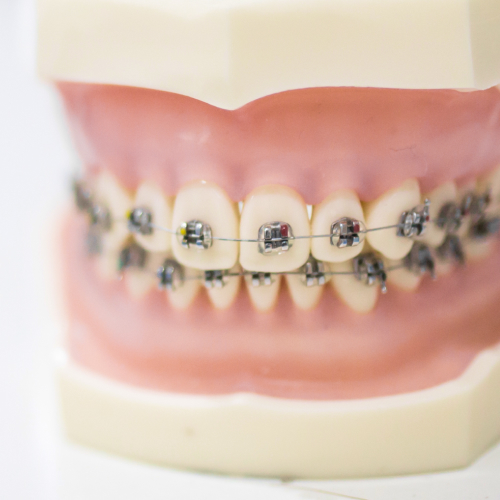
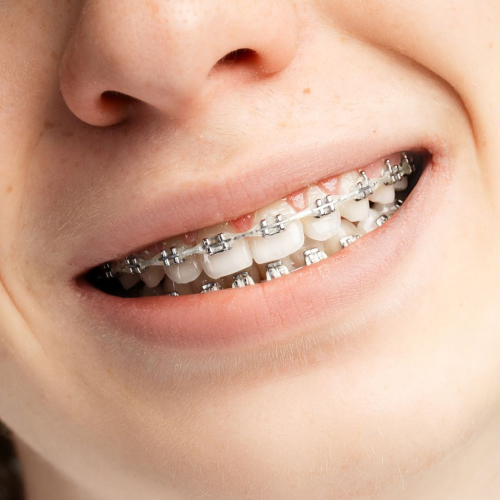
Traditional braces apply continuous, precisely controlled forces through a rigid wire-and-bracket system. This allows for true bodily movement — moving the root and crown of a tooth together in a coordinated path. This is critical for safely managing severely rotated premolars, large spaces, or significant crowding.
Clear aligners, by contrast, tend to apply intermittent tipping forces — they push the crown of the tooth in the desired direction, but root control is less precise. In complex, high-distance movements, this tipping action increases mechanical stress at the root apex. For patients with severely rotated teeth or those requiring substantial tooth movement, this raises root resorption concerns — a condition where the tooth root gradually shortens, potentially compromising long-term tooth stability.
Self-ligating braces systems are particularly well-suited for complex cases because their low-friction design allows for gentler, more continuous forces that facilitate safer bodily movement compared to conventional ligated brackets.
A systematic review in PMC found that while clear aligners have expanded dramatically in their capabilities, fixed appliances still demonstrate superior control in managing arch width, derotation, and inclination corrections in more demanding malocclusions.
That said, patient experience data tells a compelling story for aligners in appropriate cases. A comparative study cited on PubMed found that clear aligner patients reported significantly lower discomfort levels and higher satisfaction scores than braces patients — meaningful factors when both treatment options produce clinically equivalent outcomes for simpler cases.
WebMD notes that adults especially tend to favor clear aligners for their discreet appearance, and that teeth can be successfully straightened at any age with either method — the key variable is always the nature and severity of the problem being corrected.
The honest answer is that neither treatment is universally superior. The right choice is always case-specific.
Clear aligners are a strong option when:
Traditional braces are typically the better call when:
The most important step is getting a thorough diagnostic evaluation — including X-rays and bite analysis — before committing to either path. A routine cleaning and exam is also a great opportunity to discuss your bite concerns with your dentist and determine whether a referral for orthodontic evaluation is warranted. What looks like a simple cosmetic issue on the surface can have underlying structural factors that completely change the treatment equation.
If you're weighing clear braces against traditional options in the Greater Houston area, the team at Nu Dentistry Garden Oaks can help you understand exactly what your bite requires. Serving Garden Oaks and surrounding Houston neighborhoods, we provide thorough orthodontic evaluations to match you with the treatment approach that fits both your clinical needs and your lifestyle. Reach out to schedule your consultation.
Medical disclaimer: This article is for informational purposes only and does not constitute professional dental or medical advice. Always consult a licensed dental professional for diagnosis and treatment recommendations specific to your situation.
Fresh news from the dental world
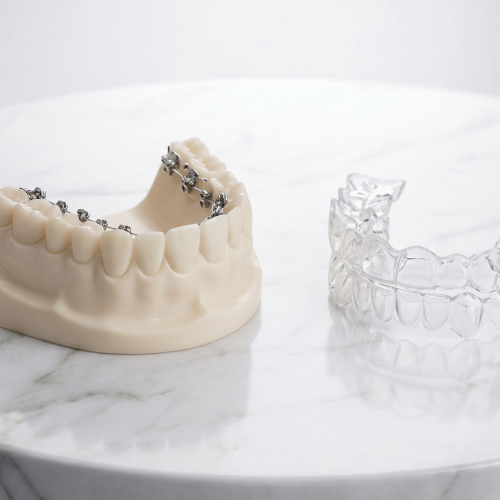
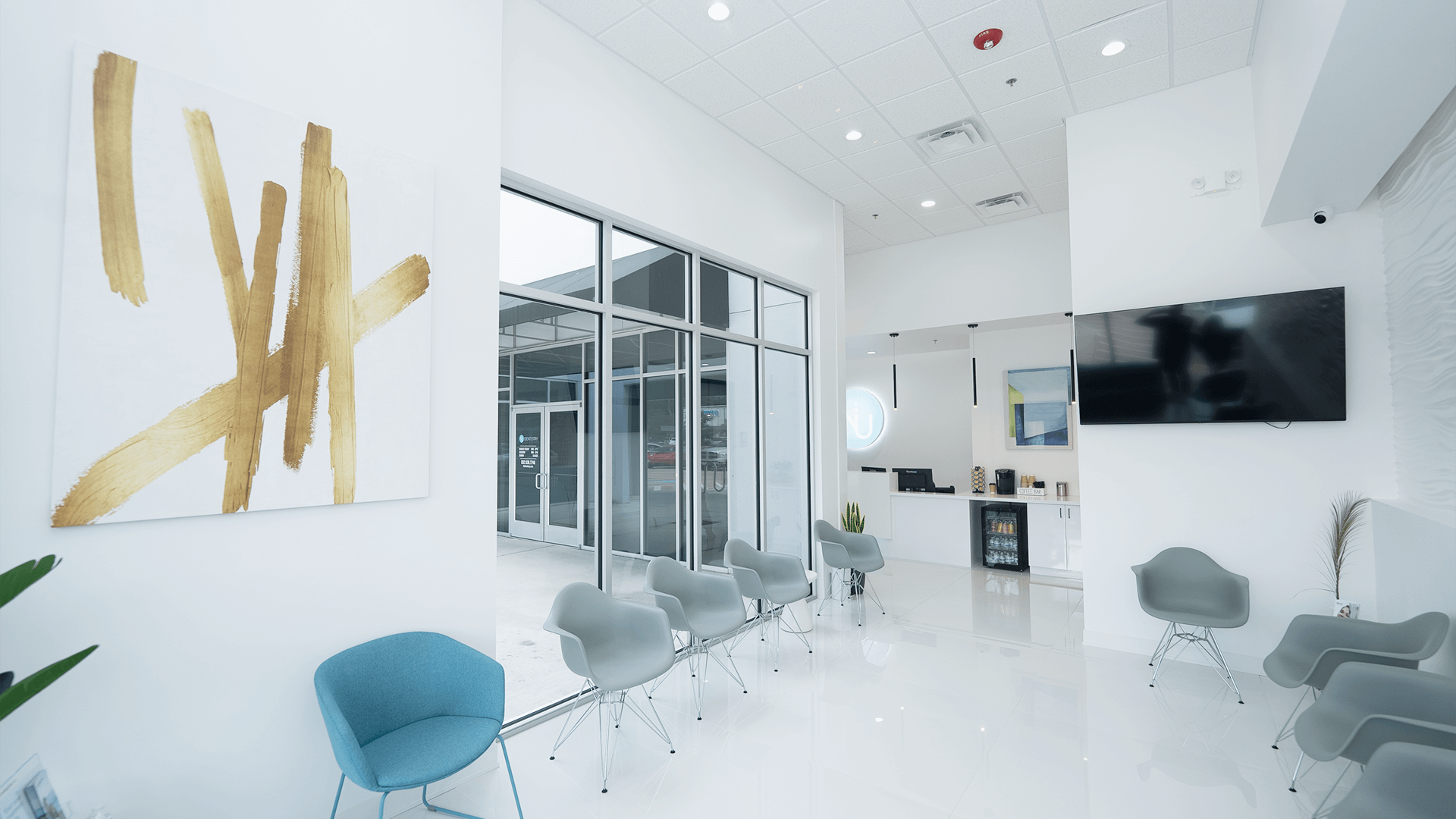
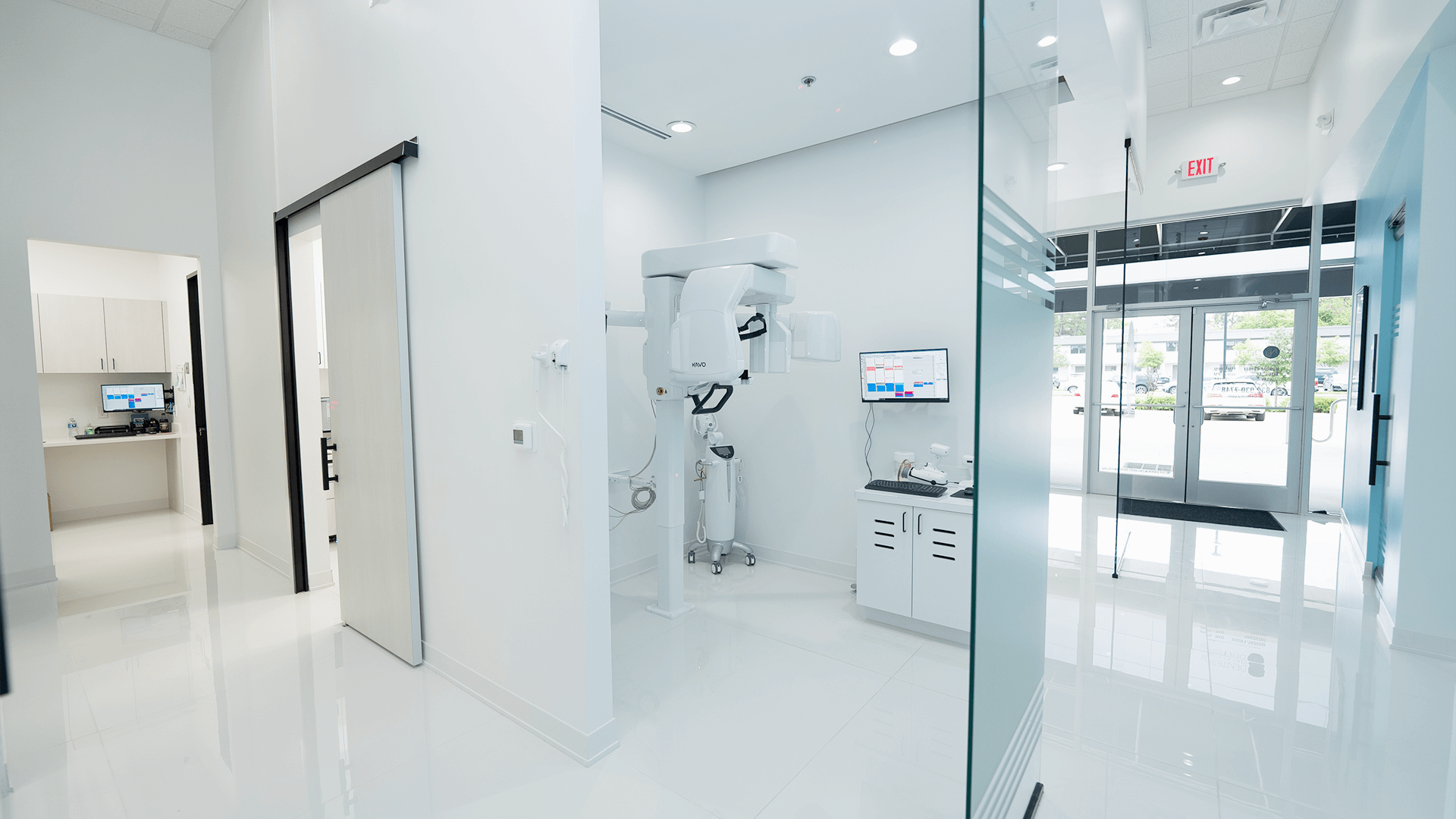
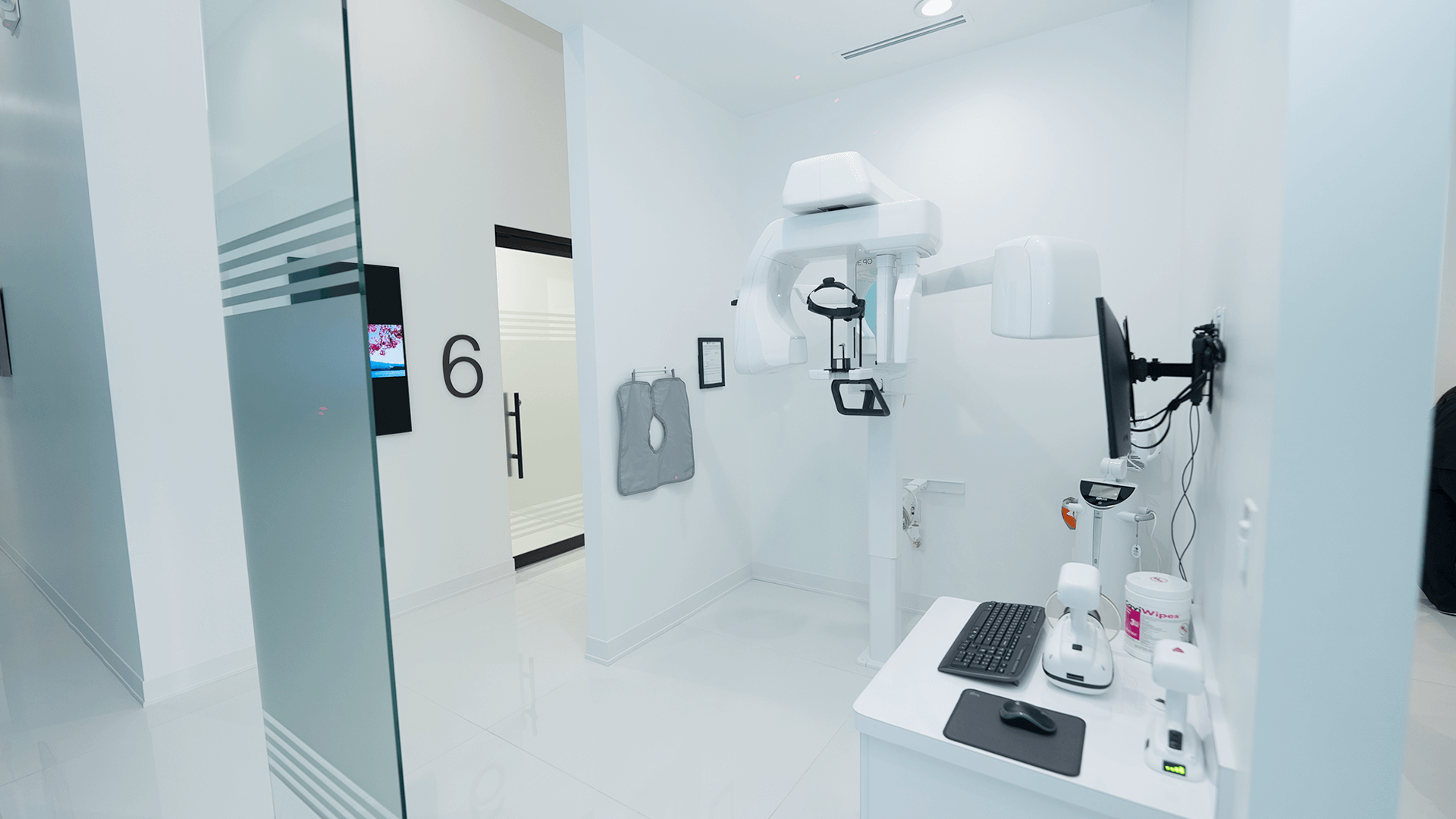
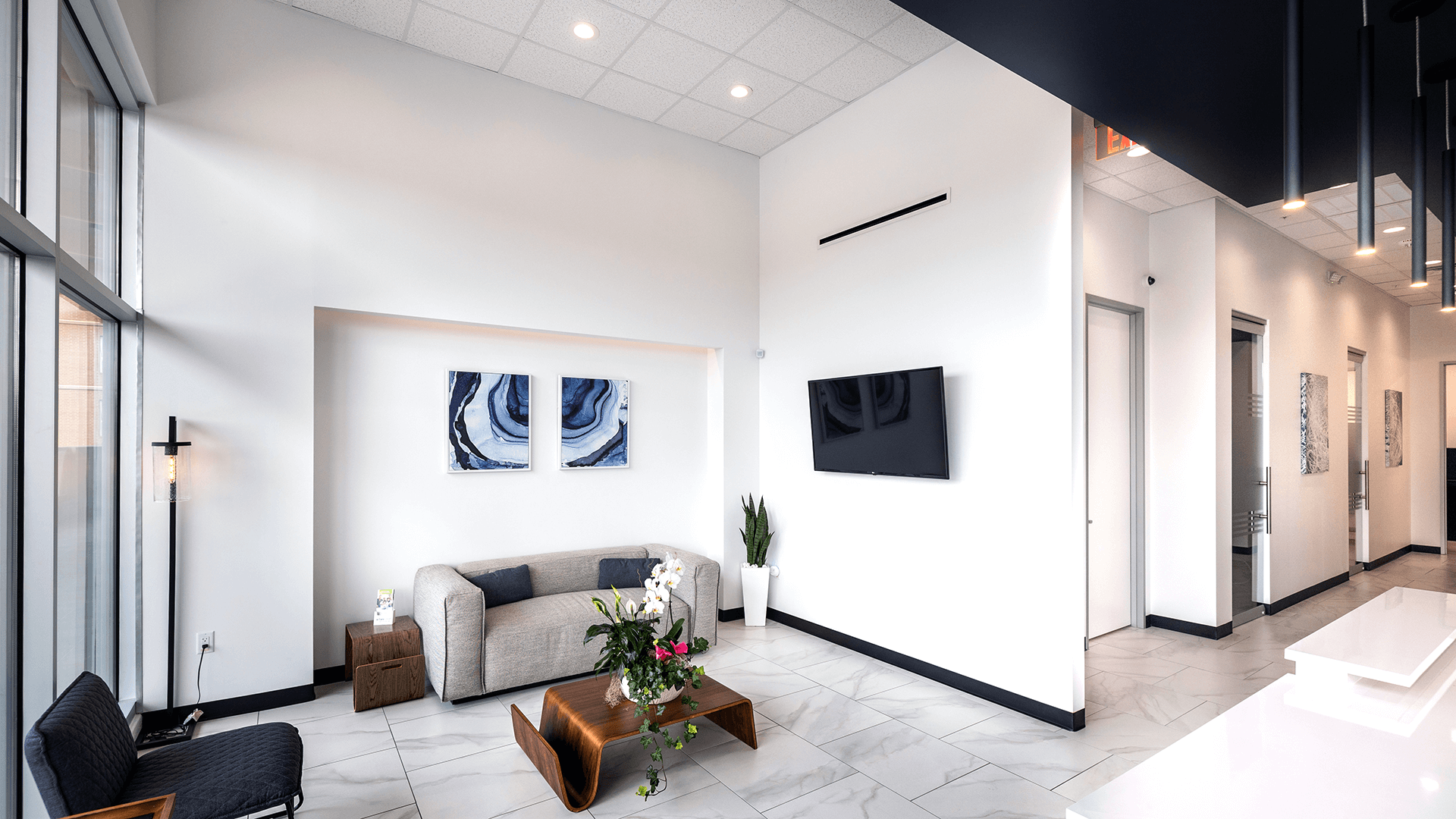
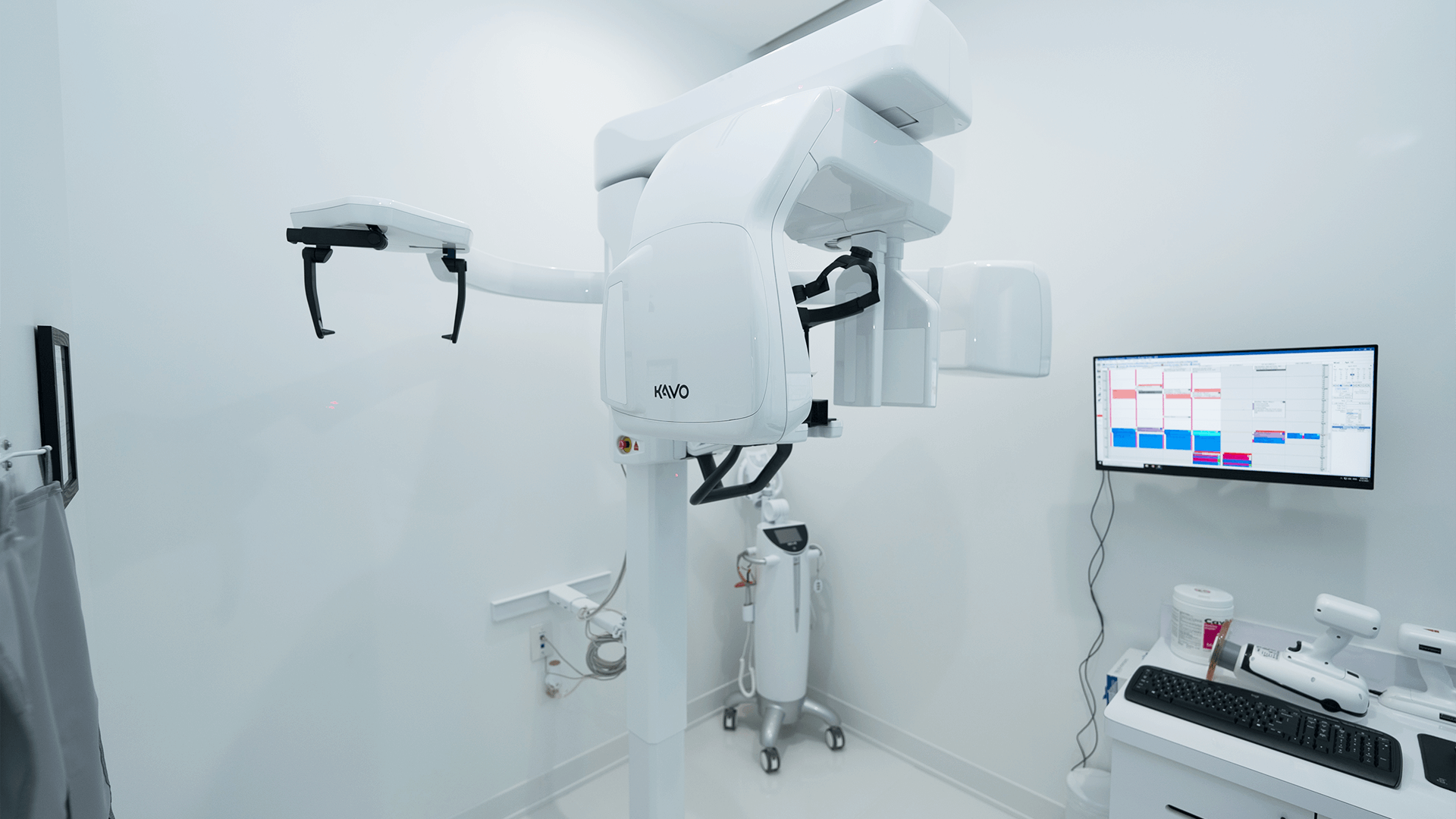
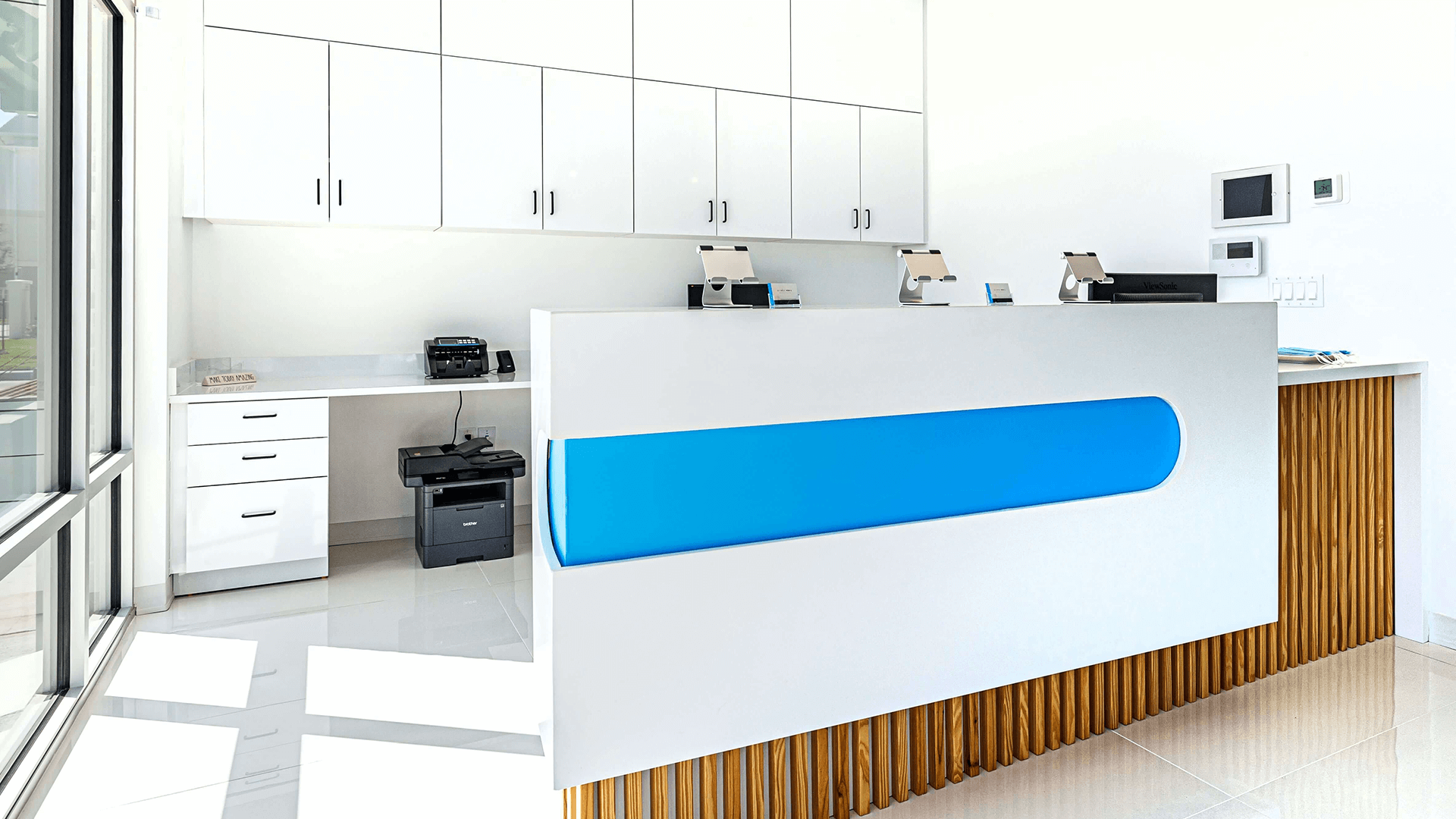
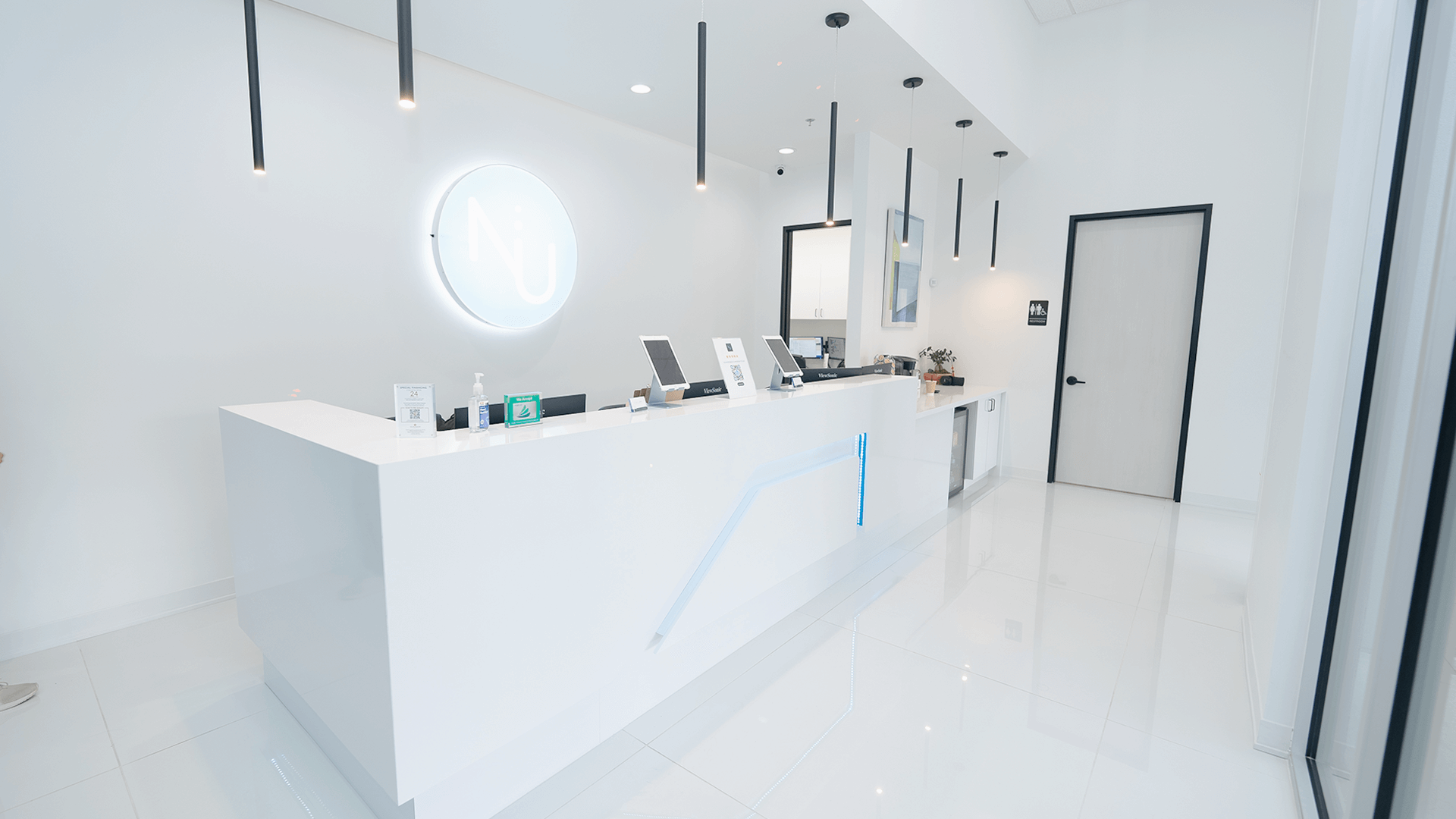
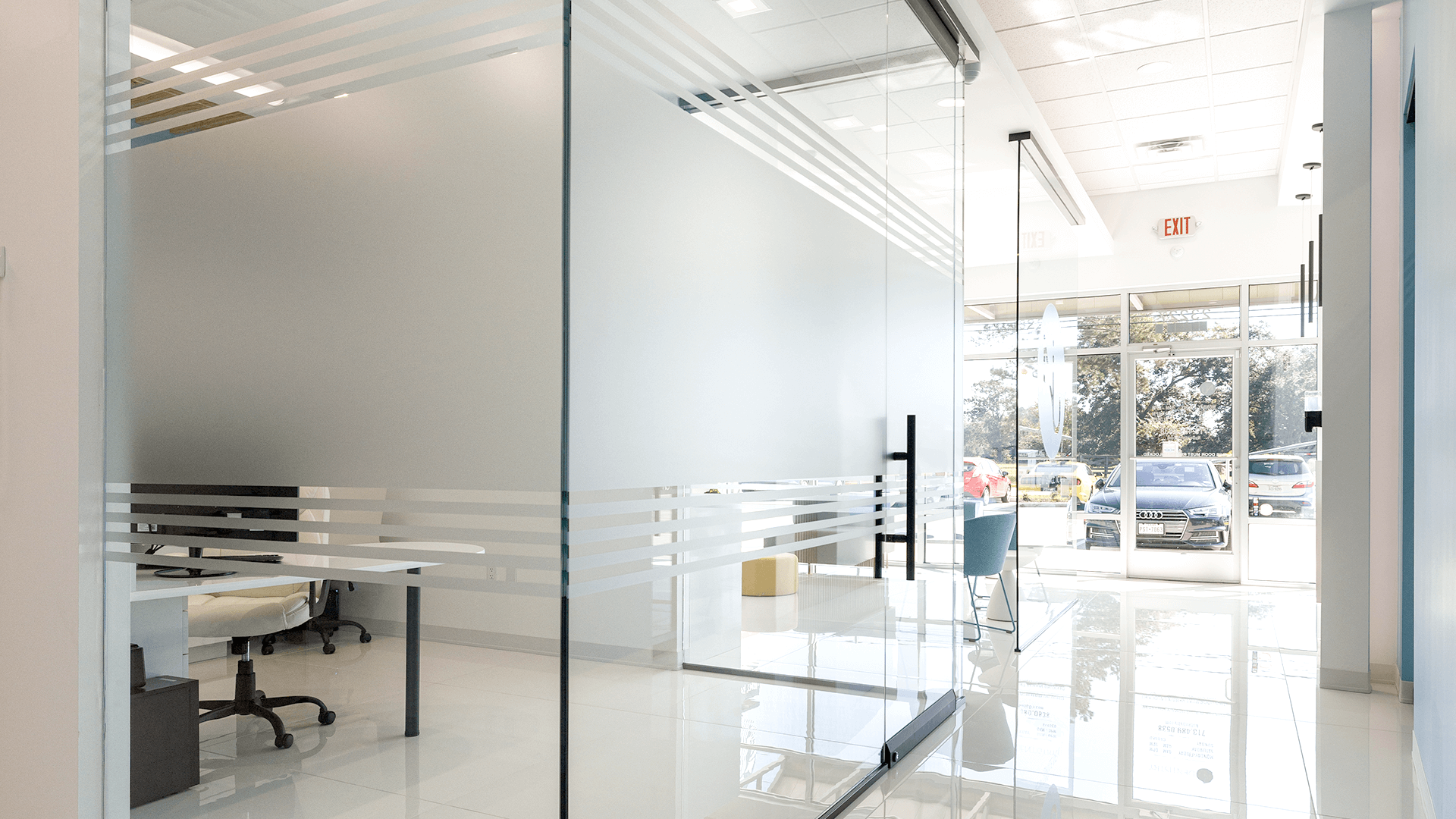
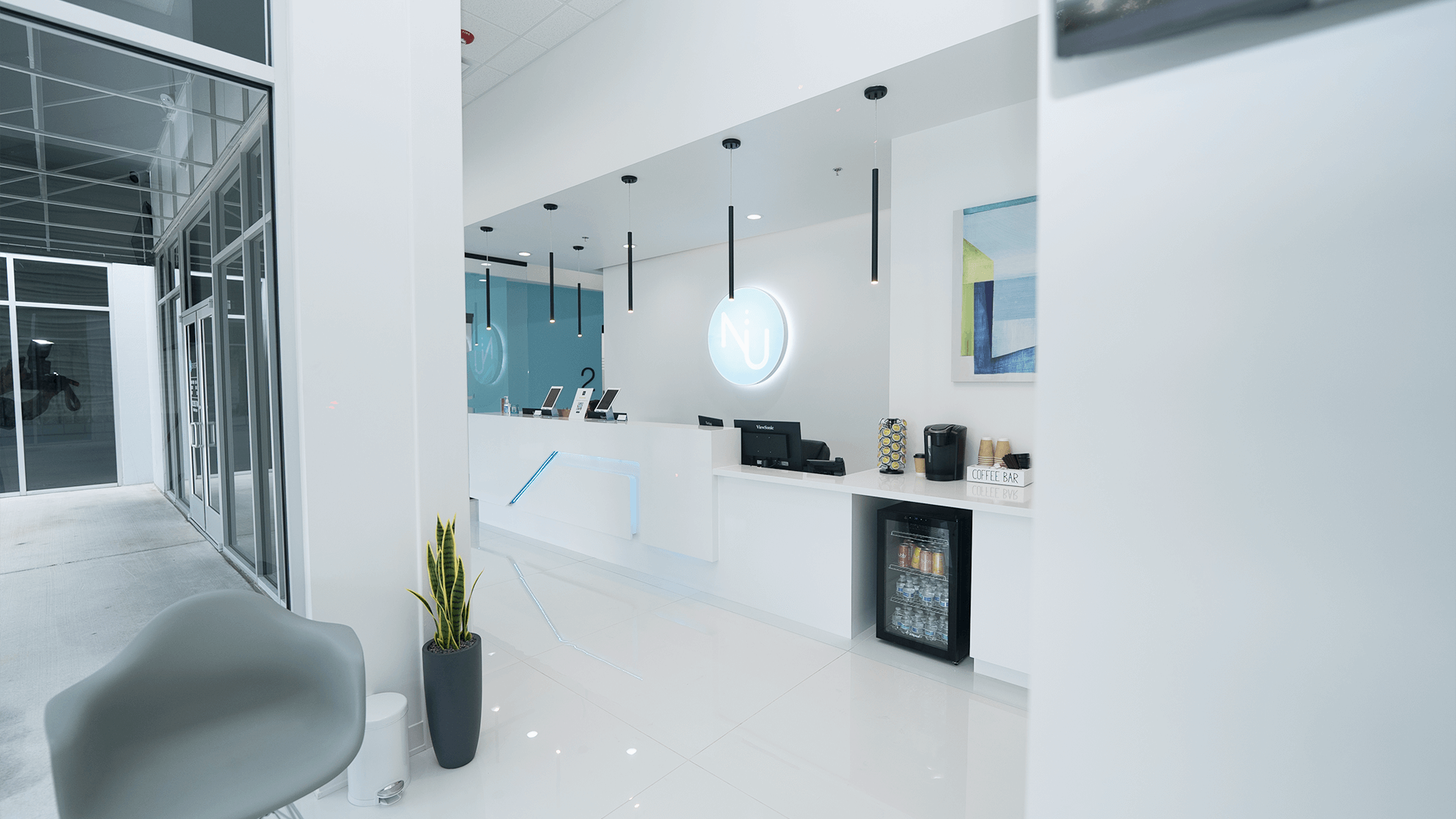
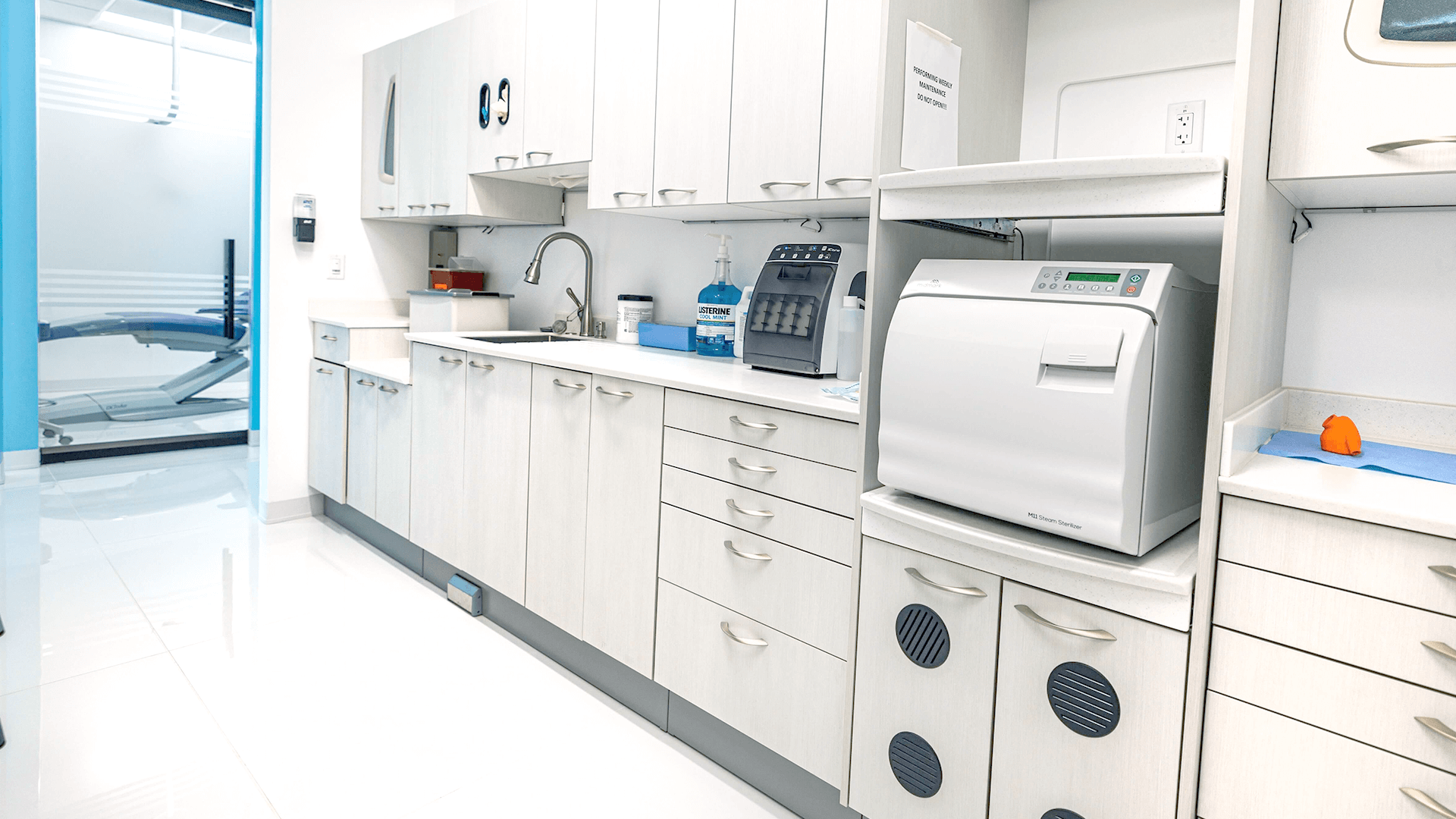
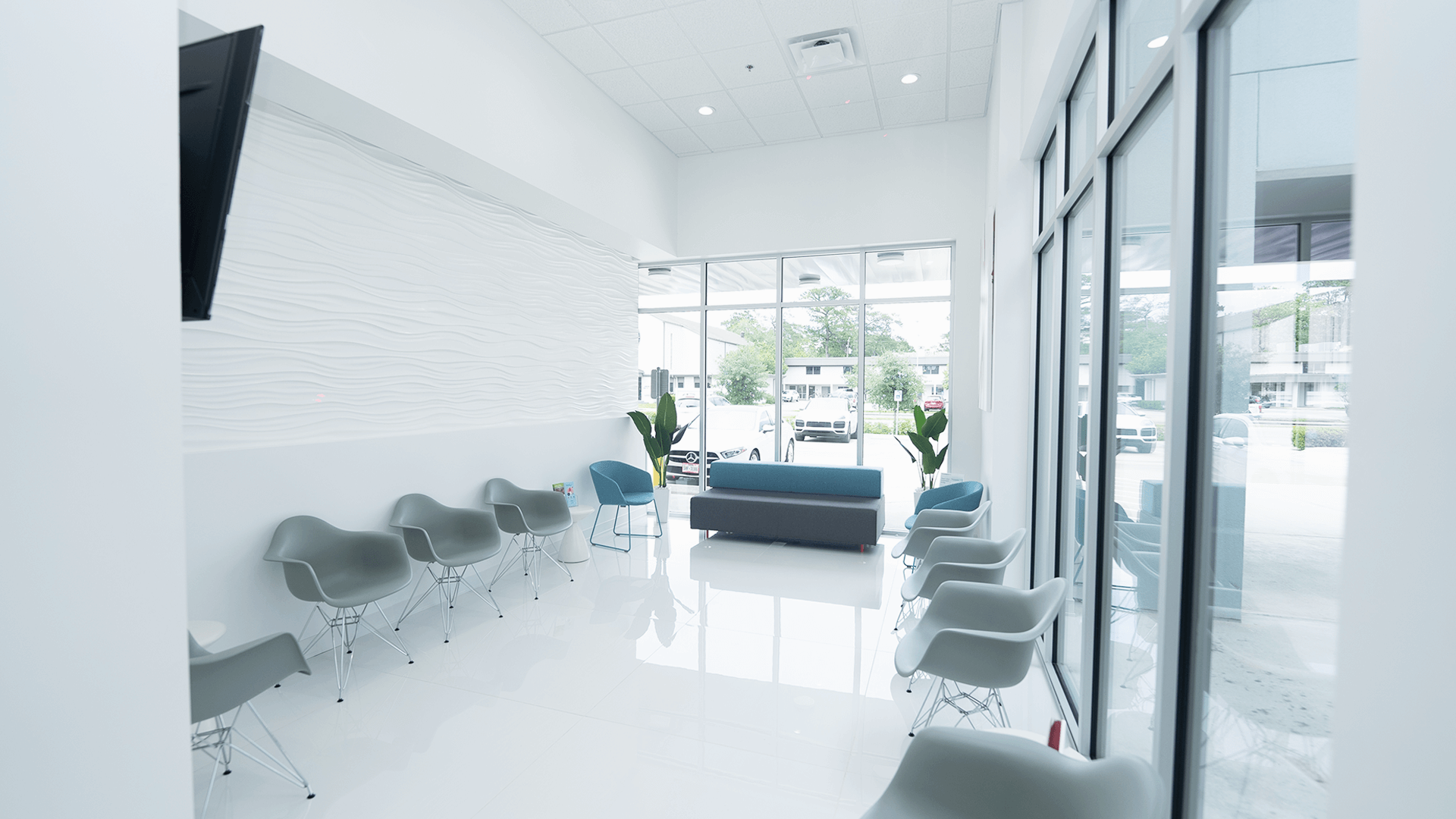
See what a visit to our modern, state-of-the-art dentist office is like!






Monday 9am - 6pm
Wednesday 9am - 6pm
Friday 9am - 6pm
Saturday 9am - 3pm
Check out what our patients are saying in Houston, TX


“Never Thought I'd Say It”
I never thought I’d say it, but going to the dentist is actually fun now. I recently came in for a root canal, and I got to sit back and catch up on Stranger Things without any pain!

“Anxiety Has Kept Me Away ”
I usually have such huge anxiety when I go to a dentist appointment, which means I always put off visits until the last minute to disastrous consequences. However, Dr. Loggins helped me with sedation, so the entire process was a breeze!

“The Best Dentist In Houston, TX”
We have been looking for a family dentist for a long time, we have tried a bunch of places but nothing felt quite like home. Not too long ago we stumbled upon Nu Dentistry and met Dr. Ali. Not only was he professional, kind, and gentle, but he always finds a way to fit us in when we need an appointment. He’s also pretty funny! I appreciate that he takes the time to explain what he’s doing, before he does it. That really puts me at ease.
“Never Thought I'd Say It”
I never thought I’d say it, but going to the dentist is actually fun now. I recently came in for a root canal, and I got to sit back and catch up on Stranger Things without any pain!
“Anxiety Has Kept Me Away ”
I usually have such huge anxiety when I go to a dentist appointment, which means I always put off visits until the last minute to disastrous consequences. However, Dr. Loggins helped me with sedation, so the entire process was a breeze!
We are proud members of these dental organizations and accreditations





We are dedicated to providing you with only the best quality dental care