Is ClearCorrect as Effective as Invisalign for Complex Cases?
Wondering if ClearCorrect or Invisalign is better for complex cases and cost? Compare both options and schedule your consultation at Nu Dentistry Garden Oaks!
Read More
Medically Reviewed by Dr. Ali Tameemi
ClearCorrect may appear appealing upfront, but patients with complex cases can face surprise refinement needs. For severe rotations, bite corrections, and longer treatment timelines, the aligner system's engineering matters far more than initial assumptions.
For Houston-area patients, most comparing clear aligners focus on brand reputation. Fewer think about how the plastic is cut — and that design difference is where complex cases succeed or fail.
Invisalign uses a patented scalloped trim line that follows the natural contour of your gumline. This aesthetic choice keeps the aligner edge low-profile, but it also means the aligner grips less tooth surface around the gingival margin. For straightforward spacing or mild crowding, that's rarely a problem. For severely rotated canines or premolars, it can mean the aligner slips or loses tracking — which is why Invisalign compensates with SmartForce attachments, the small tooth-colored bumps your dentist bonds onto your teeth to improve grip and force delivery. More attachments mean more visibility, which somewhat undercuts the "invisible" appeal.
ClearCorrect uses a high, flat-cut trim line that sits closer to — or slightly above — the gingival margin. That geometry offers meaningfully greater mechanical retention on the tooth surface, which can reduce how many attachments are needed for difficult rotational movements. For patients with complex cases, fewer visible attachments is a real functional benefit, not just a cosmetic one.
Neither approach is universally superior. But understanding which system your dentist is recommending — and why — is the right question to ask before you commit. As Healthline explains in their Invisalign overview, the complexity of your orthodontic issues directly affects how well any clear aligner system tracks and performs.
Here's where comparisons between ClearCorrect and Invisalign deserve more scrutiny than most guides provide.
Invisalign's Comprehensive plan operates on an unlimited aligner model over a five-year window. If your teeth stop tracking midway — a common occurrence in moderate-to-complex cases — your dentist can order refinement trays without starting a completely new treatment plan.
ClearCorrect offers tiered options where treatment is structured around the number of trays ordered. For straightforward cases, this can be an effective approach. For complex cases that require mid-course corrections, additional trays, or multiple refinement rounds, those additional phases require careful planning with your provider.
What this means practically: a patient with mild crowding may do well with ClearCorrect from start to finish. A patient with a more involved case — moderate bite issues, multiple rotations, or a history of relapse — may find that Invisalign's comprehensive structure offers a more predictable treatment process.
According to Healthline's overview of Invisalign, factors like your location, the dentist's time, and the scope of work all influence treatment planning — and those variables interact differently depending on which model your aligner brand uses.
Maintaining good oral health throughout treatment — including regular cleaning and exam appointments — is essential to keeping your case on track and avoiding complications.
For patients dealing with significant overbites, underbites, or Class II and Class III skeletal discrepancies, aligners alone often aren't enough. This is where the two systems diverge most sharply — and where general comparison articles tend to fall short.
Invisalign has developed native Mandibular Advancement features built directly into the aligner design for growing patients, along with precision button slits and cutouts engineered inside ClinCheck (their treatment planning software). These allow orthodontists to incorporate intermaxillary elastics, bite ramps, and other auxiliaries without manually clipping or modifying trays chairside. The result is a more predictable force system for complex bite corrections. In some cases, patients may also require restorative support — such as a tooth crown — to address structural issues before or after aligner treatment.
ClearCorrect's planning software — ClearPilot — has expanded its auxiliary capabilities over time, but it relies more heavily on chairside modifications when cases push into severe skeletal territory. For an experienced provider, this is workable. For a complex case that demands precision from the start, it adds variables that can affect outcome consistency. Patients with underlying gum disease gingivitis should also have that addressed before beginning any aligner treatment, as active periodontal issues can compromise tooth movement and long-term stability.
A Healthline review of the best invisible braces notes that even Invisalign — the most established clear aligner system — may not be suitable for correcting complicated bite cases without additional clinical support. Both systems have real limits, and your provider's training with each platform matters as much as the brand itself.
The honest answer: it depends on your case, not the brand.
For mild-to-moderate crowding and spacing in an otherwise healthy bite, ClearCorrect can deliver comparable results. For complex rotations, bite corrections, or any case where mid-course refinements are likely, Invisalign's engineering and planning structure tend to offer fewer surprises. Patients who complete aligner treatment and want to further enhance their smile may also explore options like porcelain veneers or pro teeth whitening to refine their final results.
The question worth asking your dentist isn't about marketing claims — it's "which system are you most experienced with for a case like mine, and what happens if my teeth stop tracking?"
If you're in the Houston area and weighing your options, the team at Nu Dentistry Garden Oaks can evaluate your case and walk you through which system aligns with your clinical needs and goals. Serving Garden Oaks and the greater Houston community, we're here to help you make a confident, informed decision — not just a convenient one.
Medical disclaimer: This article is intended for informational purposes only and does not constitute professional dental or medical advice. Always consult a licensed dental provider for guidance specific to your oral health needs.
Fresh news from the dental world
See what a visit to our modern, state-of-the-art dentist office is like!
Monday 9am - 6pm
Wednesday 9am - 6pm
Friday 9am - 6pm
Saturday 9am - 3pm
Check out what our patients are saying in Houston, TX
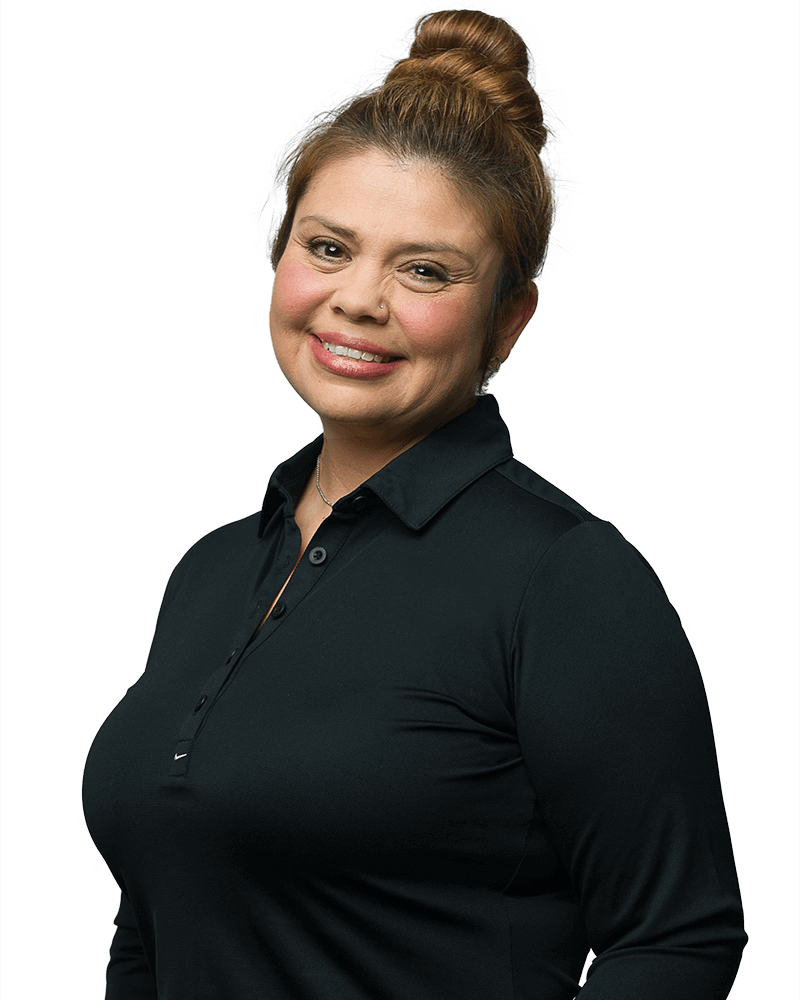

“Never Thought I'd Say It”
I never thought I’d say it, but going to the dentist is actually fun now. I recently came in for a root canal, and I got to sit back and catch up on Stranger Things without any pain!
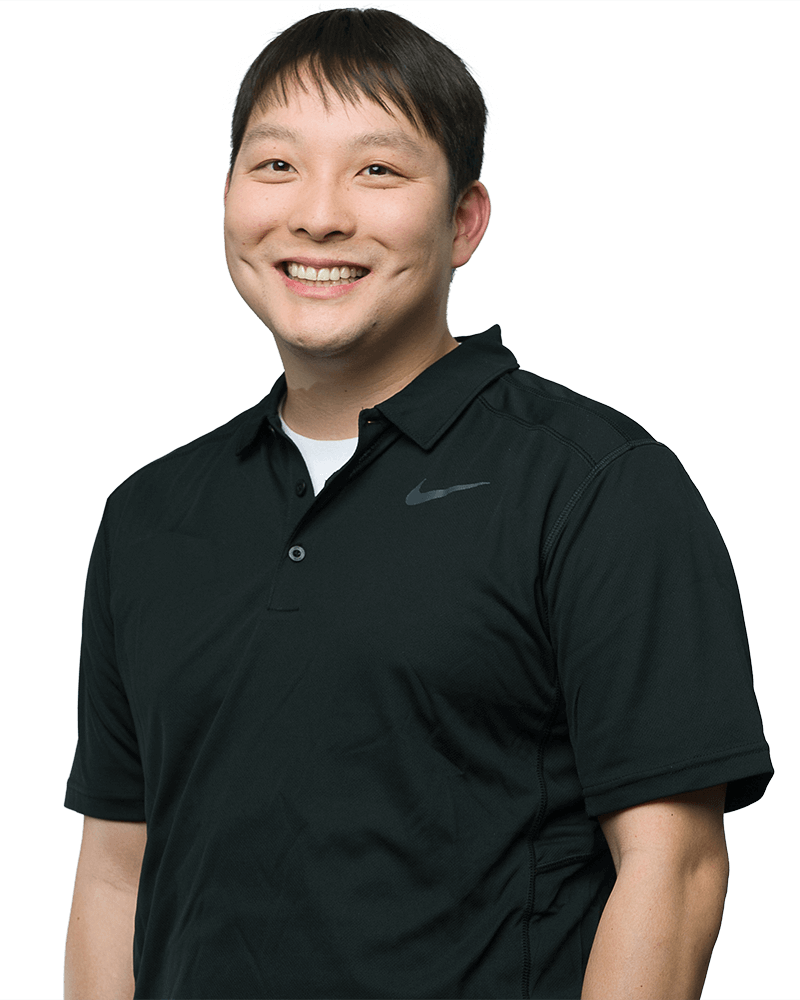
“Anxiety Has Kept Me Away ”
I usually have such huge anxiety when I go to a dentist appointment, which means I always put off visits until the last minute to disastrous consequences. However, Dr. Loggins helped me with sedation, so the entire process was a breeze!

“The Best Dentist In Houston, TX”
We have been looking for a family dentist for a long time, we have tried a bunch of places but nothing felt quite like home. Not too long ago we stumbled upon Nu Dentistry and met Dr. Ali. Not only was he professional, kind, and gentle, but he always finds a way to fit us in when we need an appointment. He’s also pretty funny! I appreciate that he takes the time to explain what he’s doing, before he does it. That really puts me at ease.
“Never Thought I'd Say It”
I never thought I’d say it, but going to the dentist is actually fun now. I recently came in for a root canal, and I got to sit back and catch up on Stranger Things without any pain!
“Anxiety Has Kept Me Away ”
I usually have such huge anxiety when I go to a dentist appointment, which means I always put off visits until the last minute to disastrous consequences. However, Dr. Loggins helped me with sedation, so the entire process was a breeze!
We are proud members of these dental organizations and accreditations




We are dedicated to providing you with only the best quality dental care