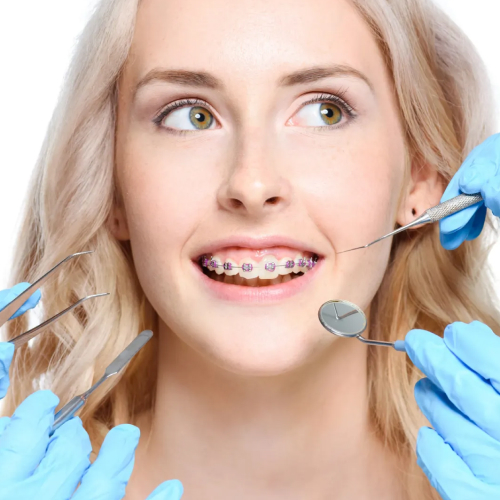
Ceramic vs. Metal Braces: Which One Actually Hurts More?
Wondering if ceramic or metal braces hurt more? Compare discomfort levels, pros, and cons to find the best fit. Schedule your orthodontic visit today!
Read More
Medically Reviewed by Dr. Ali Tameemi
Traditional braces remain the most widely used orthodontic option, and their relative affordability comes down to a specific backend cost structure — not just cheaper materials. Understanding what drives the final price, including how your insurance plan is actually structured, helps you make smarter decisions before committing to treatment.
Most people assume traditional braces cost less than clear aligners simply because metal is cheaper than plastic. That's only part of the story.
The real financial difference lies in lab fees. When a patient chooses clear aligners like Invisalign, the provider pays a significant upfront laboratory fee — often well over a thousand dollars — just to manufacture the custom tray series. That fee gets passed directly to you. Traditional metal braces, by contrast, carry almost no upfront lab cost. The brackets, wires, and bands are standardized hardware. What you're paying for instead is the orthodontist's active chair time: the bonding appointment, periodic adjustments, and removal visit.
Think of it this way. A clear aligner case might allocate a large portion of its total fee to a single lab invoice before your treatment even begins. A traditional braces case spreads its cost across the orthodontist's time and expertise over the entire treatment period. Neither is inherently overpriced — they're just structured differently. Knowing this helps you compare quotes more accurately, because a lower clear aligner quote and a higher braces quote don't always mean what they appear to mean once lab fees are factored in.
According to Healthline, standard metal braces typically fall in a lower price range compared to ceramic or lingual options, precisely because their manufacturing cost is minimal relative to other types.
This is where many patients get blindsided. You see "orthodontic coverage" listed in your dental benefits and assume your standard annual maximum applies. It almost certainly does not.
Orthodontic benefits operate under a completely separate structure called a Lifetime Orthodontic Maximum (LOM). This is a one-time benefit — once used, it's gone, even if you switch insurance plans. More critically for adults, most PPO plans include an orthodontic age limit clause, typically capping coverage at age 19. That means an adult who reads "orthodontic coverage: $1,500 LOM" in their Summary of Benefits may receive exactly zero dollars toward their treatment.
Here's how to find these clauses before you start treatment:
The strategic move when your LOM is limited or age-restricted: pair whatever partial benefit you do receive with a Flexible Spending Account (FSA) or Health Savings Account (HSA). Both allow you to use pre-tax dollars on orthodontic treatment. Healthline's overview of Invisalign costs notes that FSA contributions max out annually while HSA funds roll over — a meaningful distinction when treatment spans two calendar years, as traditional braces often do.
Cleveland Clinic confirms that adults are increasingly common orthodontic patients, which makes understanding these insurance nuances more important than ever.
Even within traditional metal braces, the total you pay isn't fixed. Several variables move the number significantly.
Case complexity is the biggest driver. Mild crowding requires far less active treatment time than a severe overbite, deep bite, or skeletal discrepancy. More complex cases mean more adjustment appointments and potentially longer treatment duration — both of which increase the orthodontist's time investment.
Geographic location matters too. Orthodontic fees in major metro areas like Houston tend to reflect higher overhead costs than in smaller markets. Mouthhealthy.org from the American Dental Association notes that most patients remain in treatment from one to three years, and that range alone creates substantial cost variation between cases.
Treatment duration directly affects total chair time. A 14-month case and a 28-month case involve very different numbers of adjustment visits, even if the initial bonding appointment is identical.
One factor that catches adults off guard: relocation mid-treatment. Because adult dental braces typically run 18 to 24 months, and adults change jobs and cities at higher rates than teenagers, "transfer cases" are more common than people expect. When you start treatment with one orthodontist and must finish with another, the new provider cannot simply inherit your contract. They typically charge a new diagnostic fee, rebonding fees if brackets need repositioning, and a fresh treatment fee for remaining work.
The American Association of Orthodontists provides a transfer form that helps calculate a pro-rated refund from your original provider based on completed treatment milestones — but collecting that refund requires negotiation, and not all practices handle it the same way. If you anticipate a possible move, discuss a pro-rated exit clause explicitly before signing your original treatment contract.
WebMD's dental braces overview also notes that treatment complexity and provider experience are primary factors in how orthodontic fees are structured.
For many patients — especially those with moderate to severe alignment issues, overbites, or significant crowding — traditional braces remain the most clinically effective option. Cleveland Clinic's dental braces resource points out that about 20% of all orthodontic patients in the United States are adults, and metal braces continue to be a leading choice across age groups because of their reliability with complex cases.
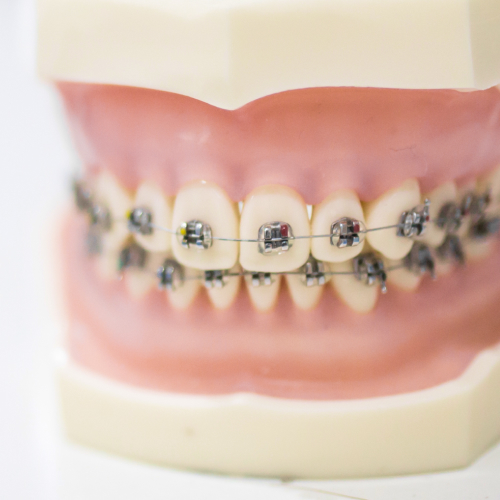
Clear aligners offer convenience and aesthetics. Porcelain veneers offer discretion for cosmetic concerns. But traditional metal braces offer something neither can fully match: consistent, precise force delivery across a wide range of case types, without the discipline requirements of a removable appliance or the fragility concerns of ceramic brackets.
For patients in Houston who are weighing their options, the most useful first step isn't researching prices online — it's getting a clinical evaluation that matches the treatment type to your actual bite, crowding pattern, and lifestyle. A routine cleaning and exam is often the ideal starting point to assess your overall oral health before beginning orthodontic treatment.
Nu Dentistry Garden Oaks serves patients throughout Houston and the Garden Oaks area. If you're considering traditional braces or want to compare your options, our team can walk you through candidacy, treatment timelines, and how to make the most of your insurance benefits — including how to check your plan's Lifetime Orthodontic Maximum before your first appointment. We also offer aesthetic dentistry services for patients looking to address additional smile concerns alongside orthodontic treatment. Reach out to schedule a consultation.
Medical disclaimer: This article is intended for informational purposes only and does not constitute professional dental or medical advice. Always consult a licensed dental professional for personalized treatment recommendations.
Fresh news from the dental world

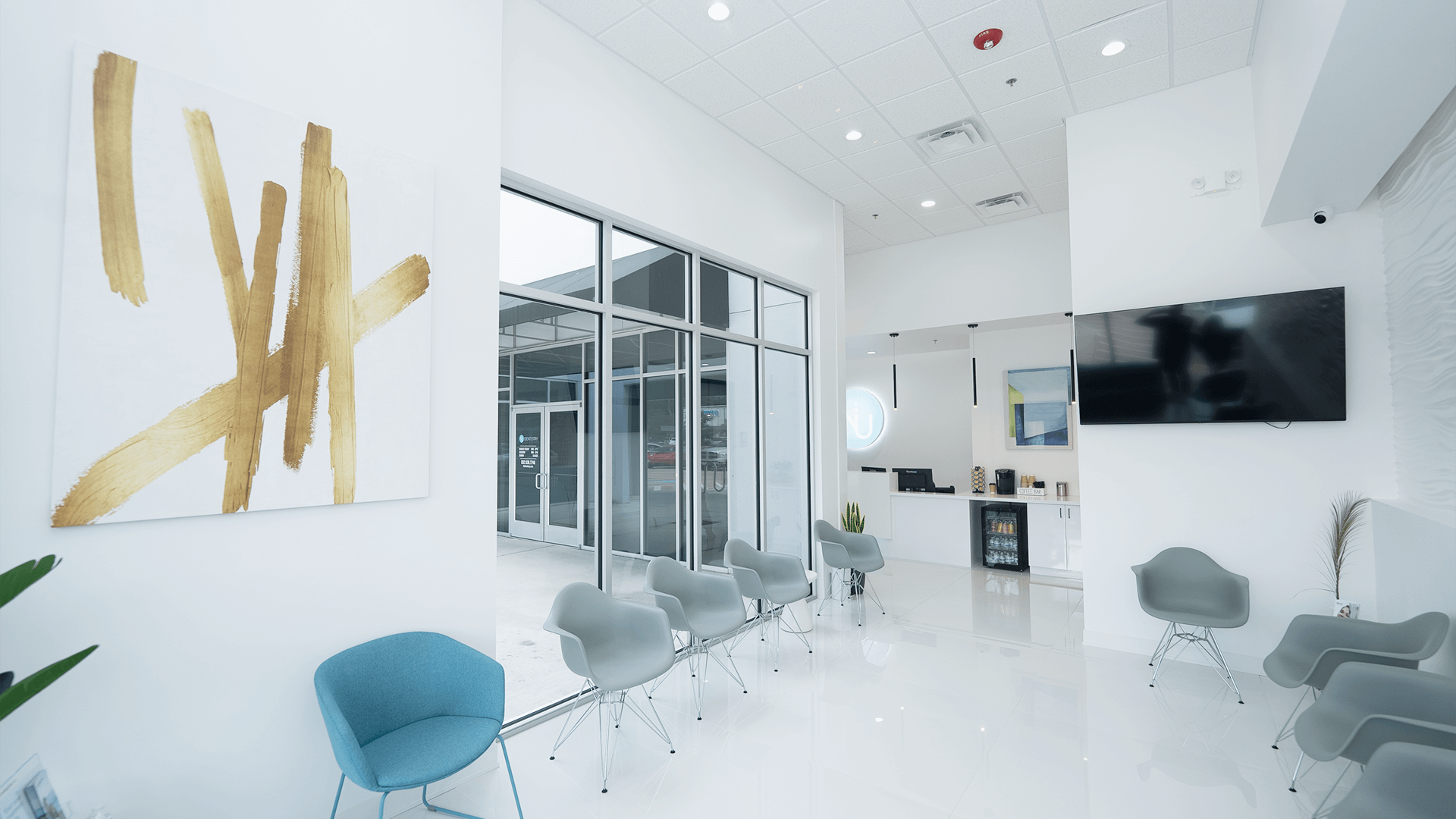
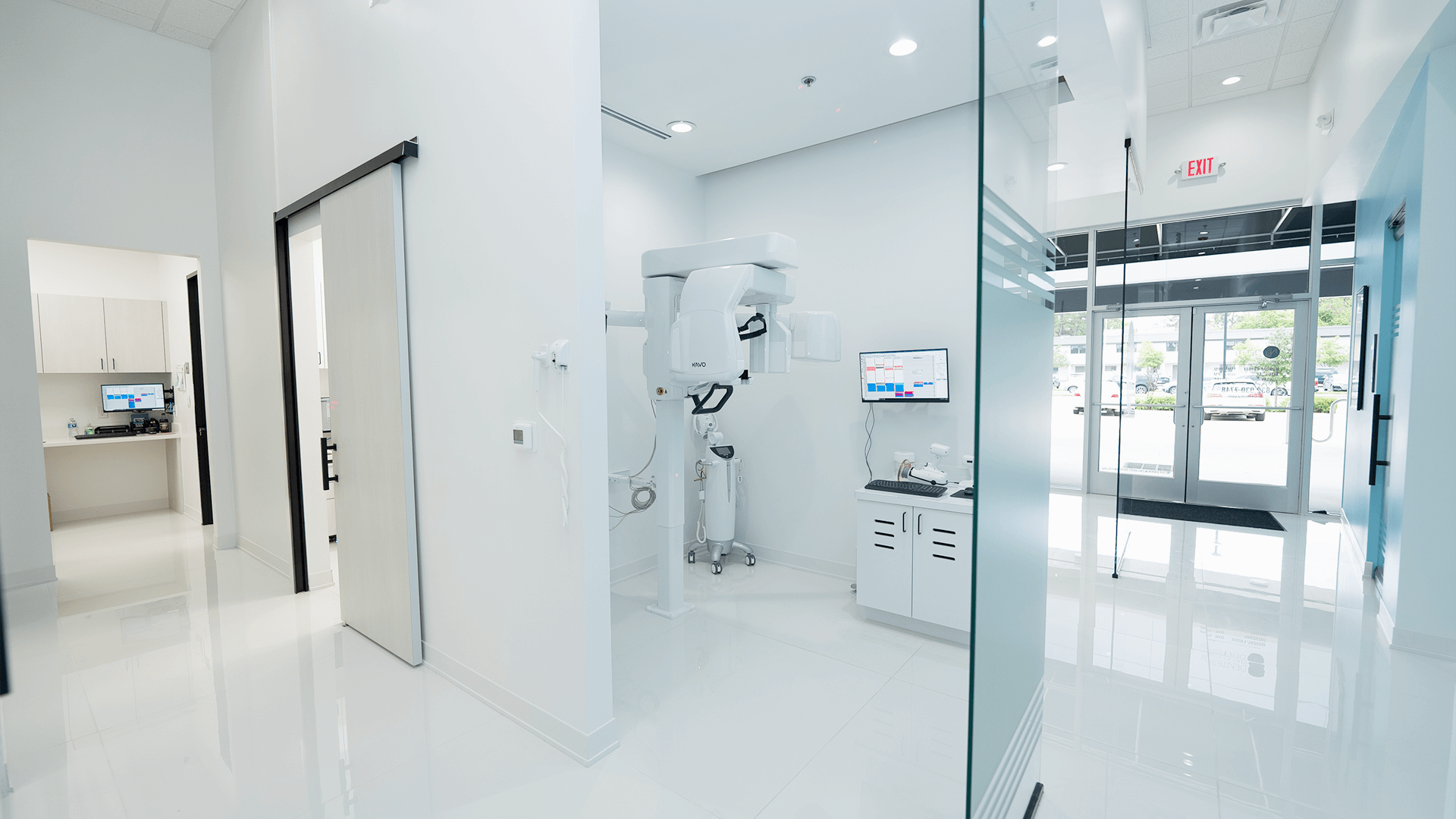
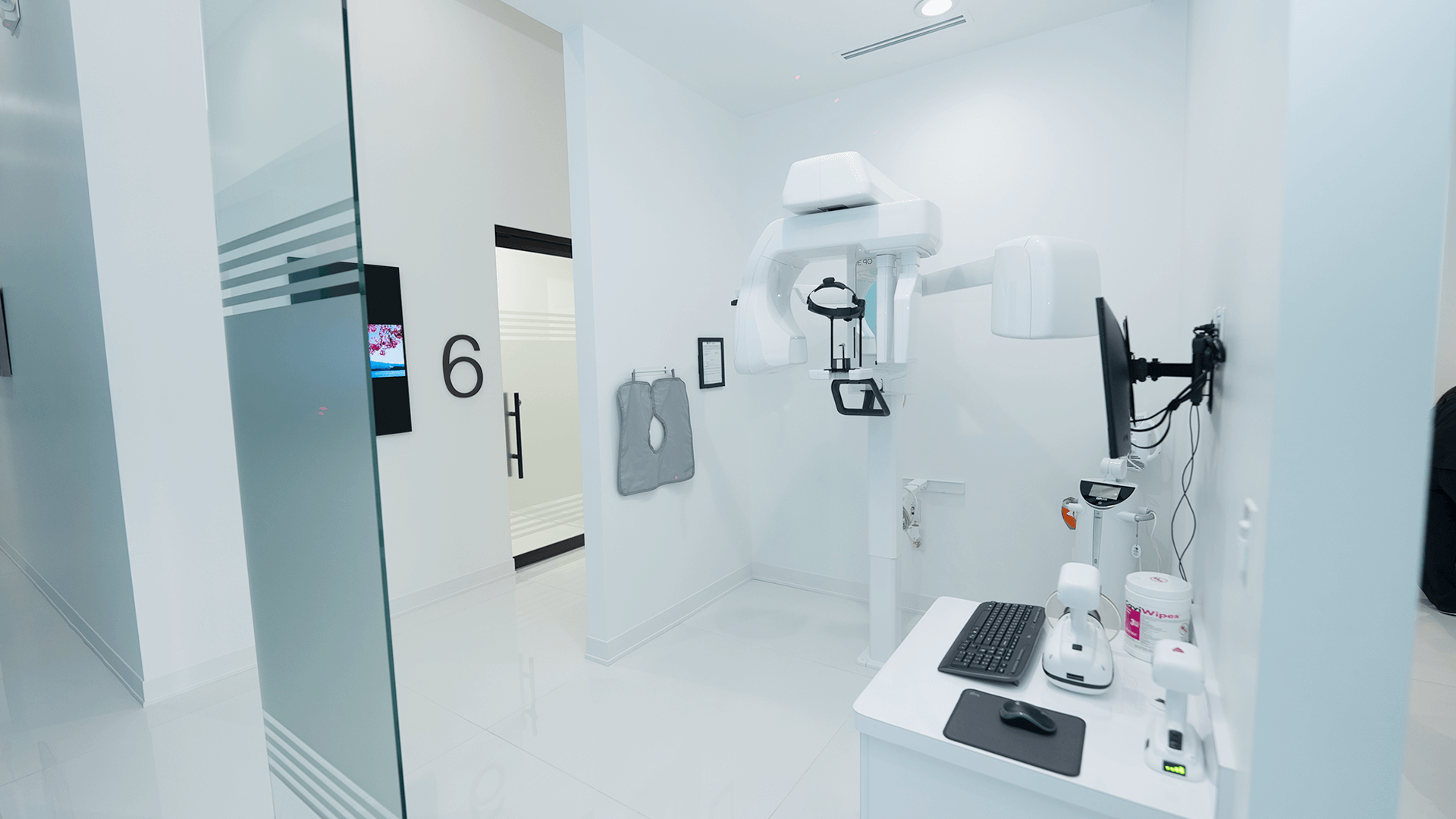
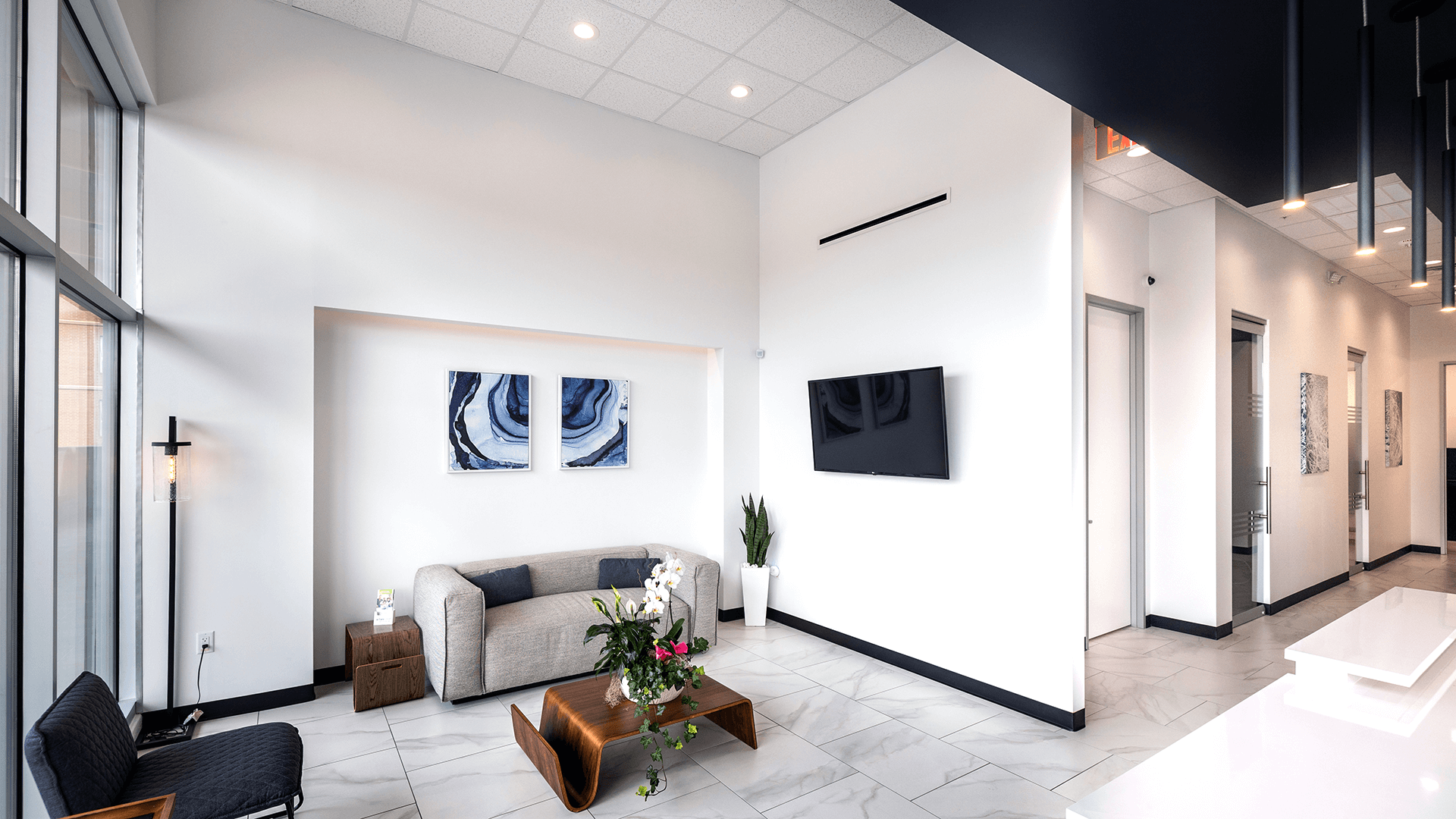
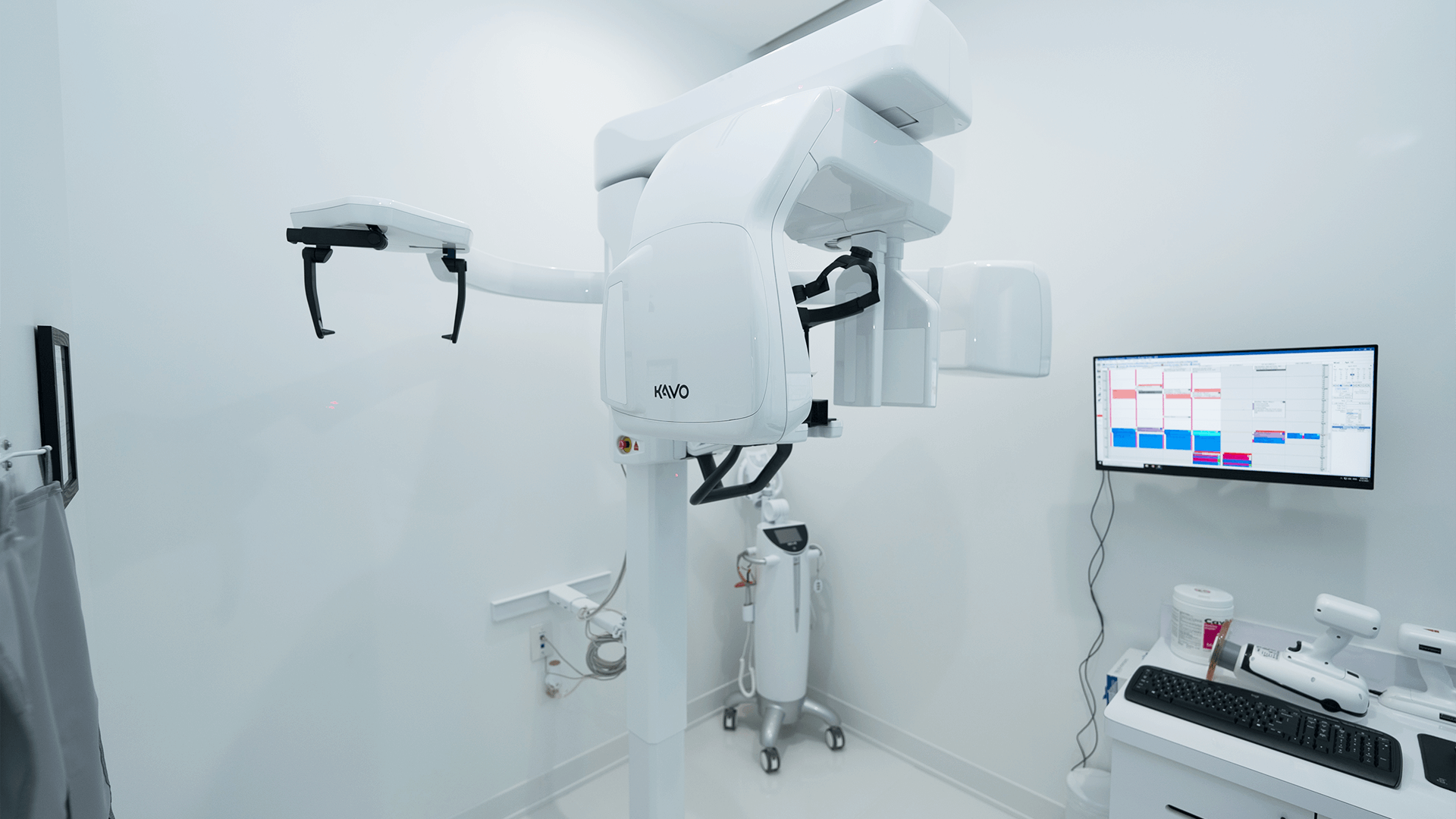
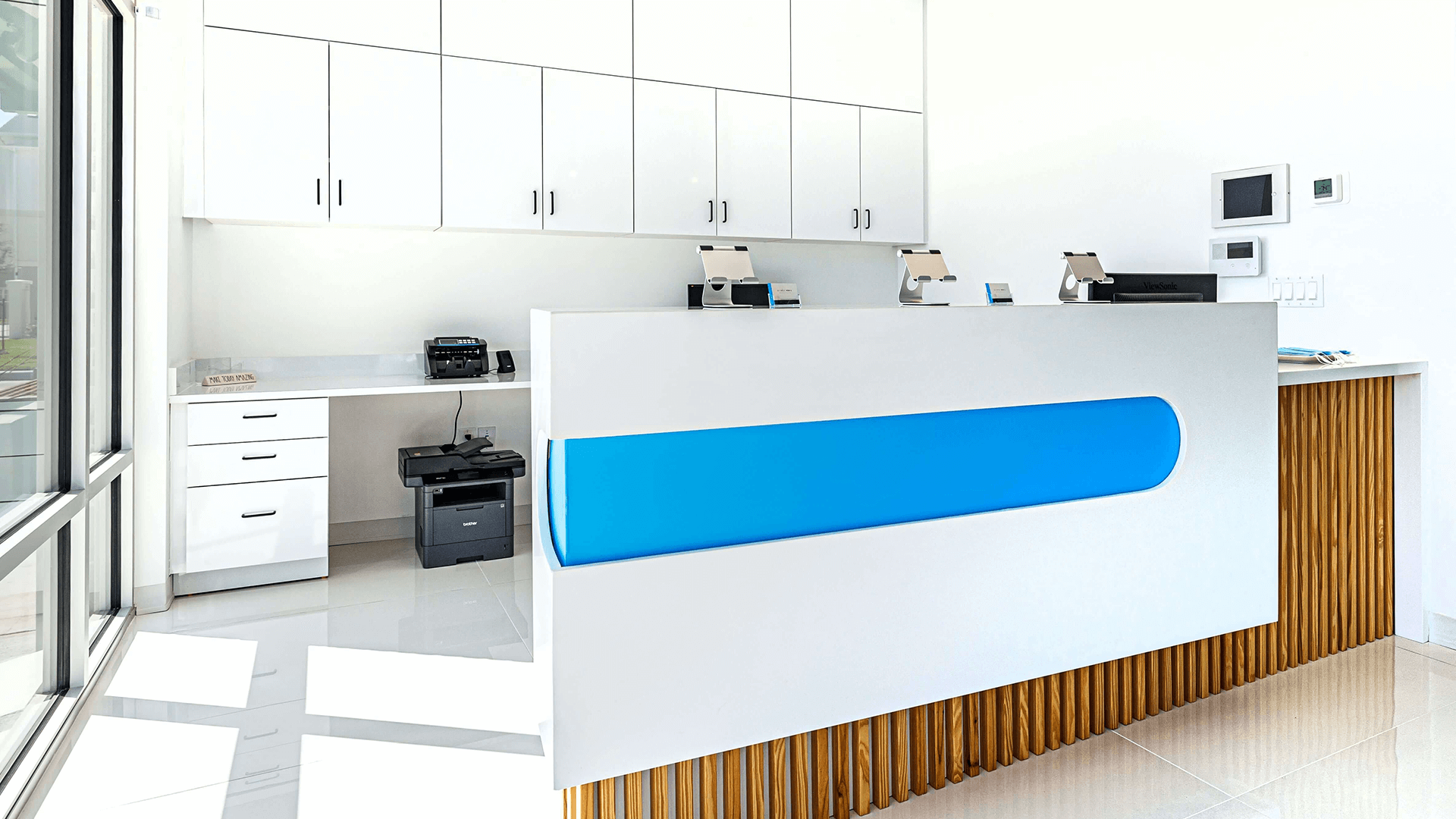
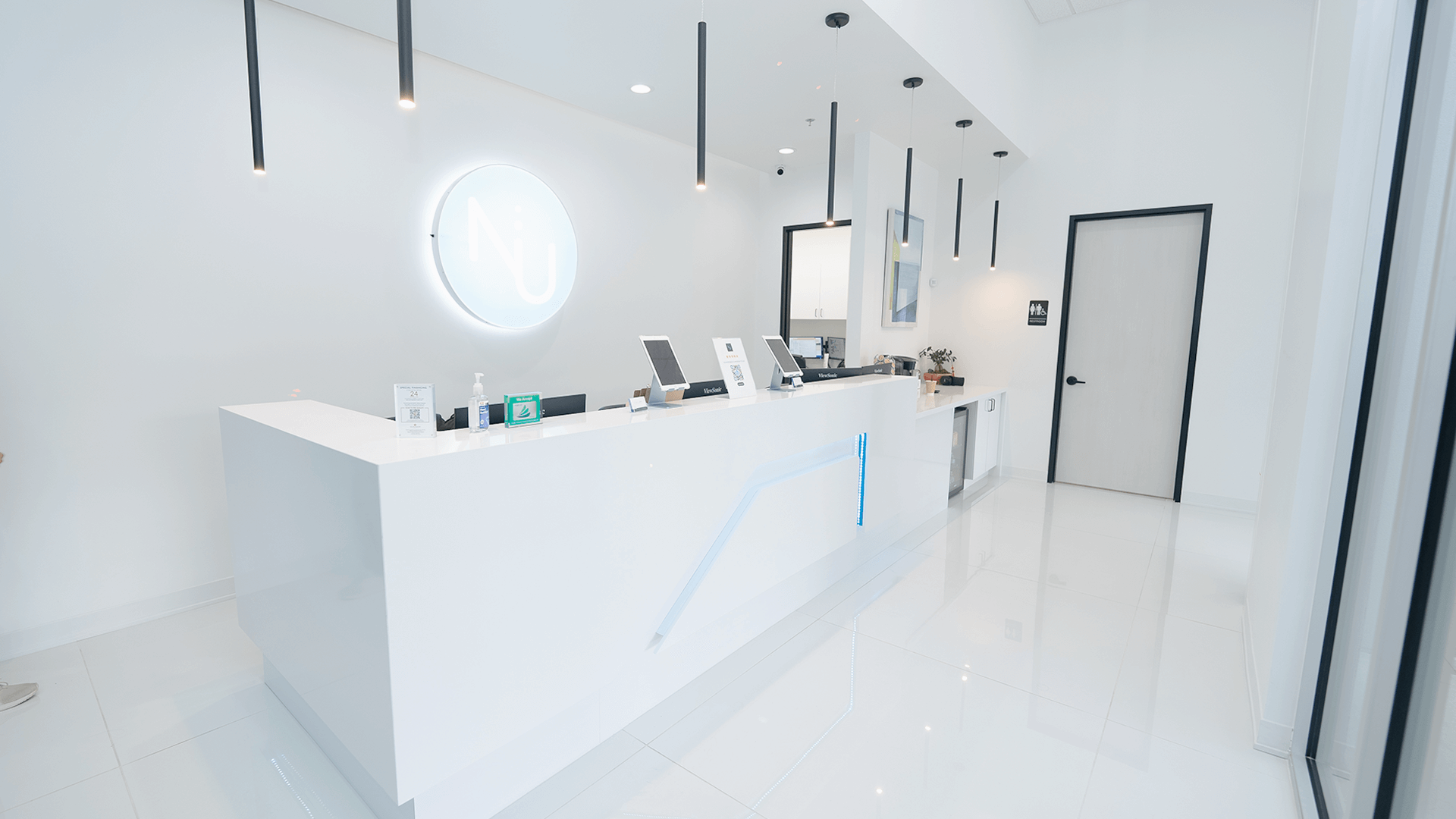
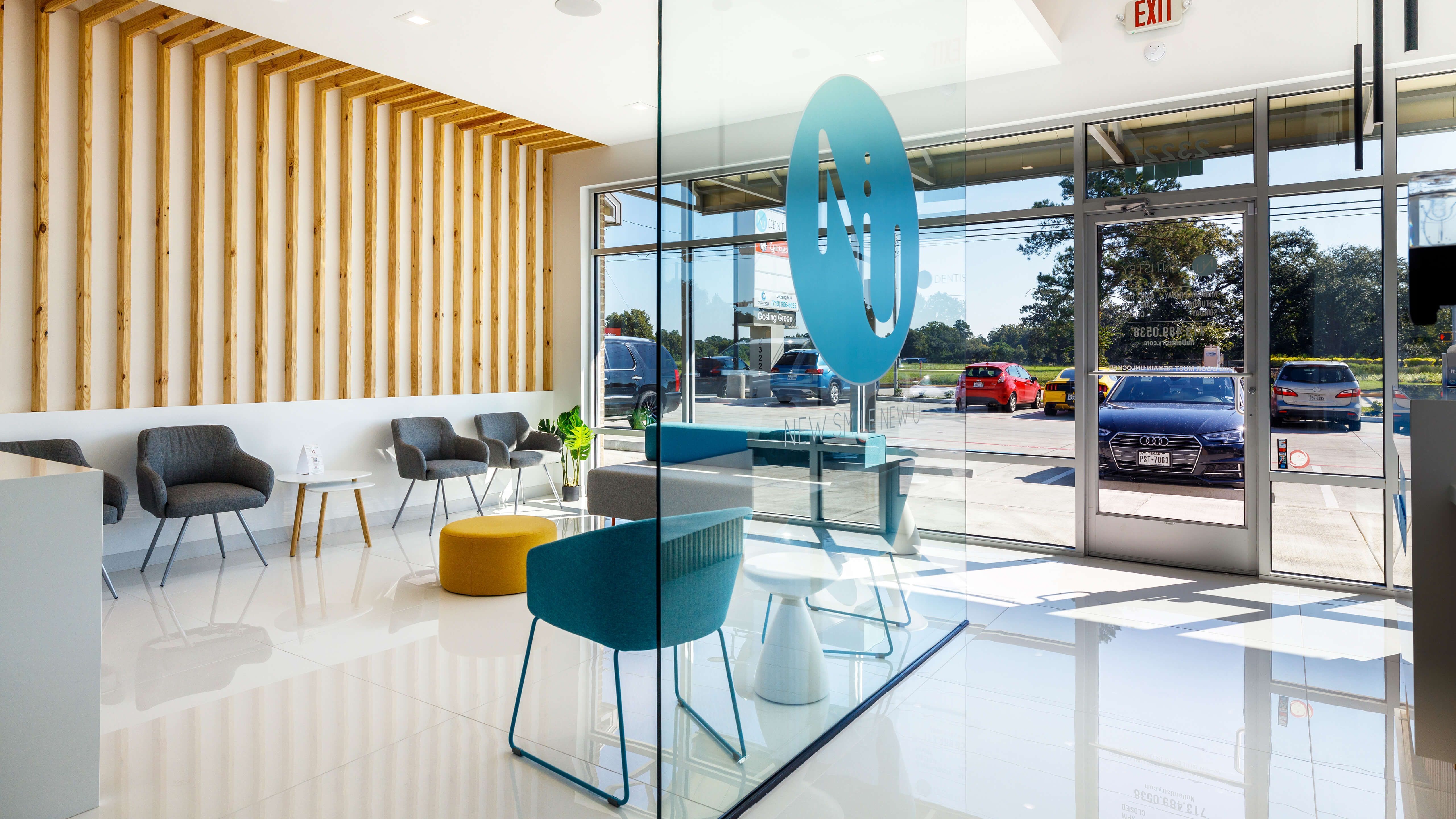
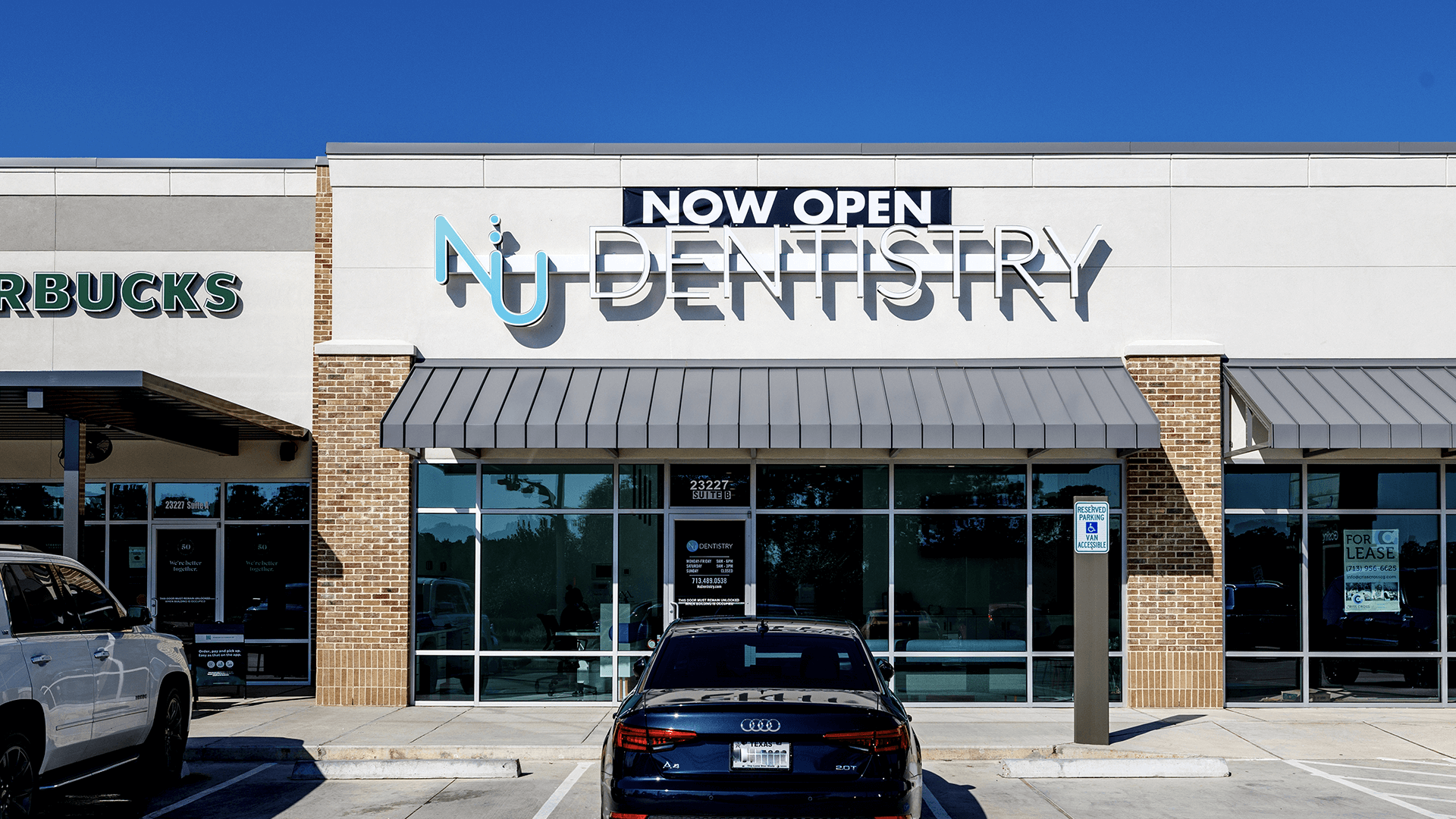
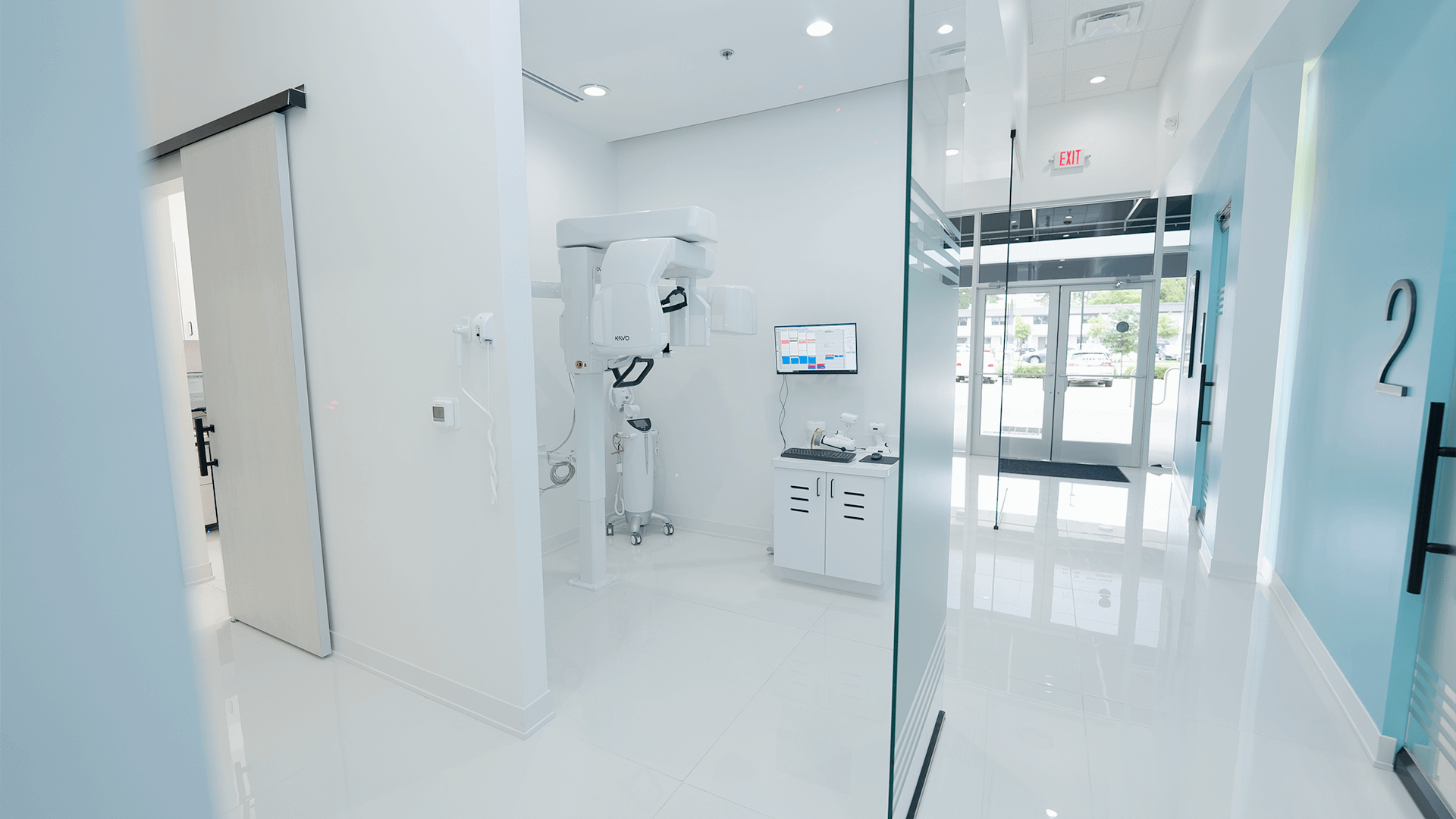
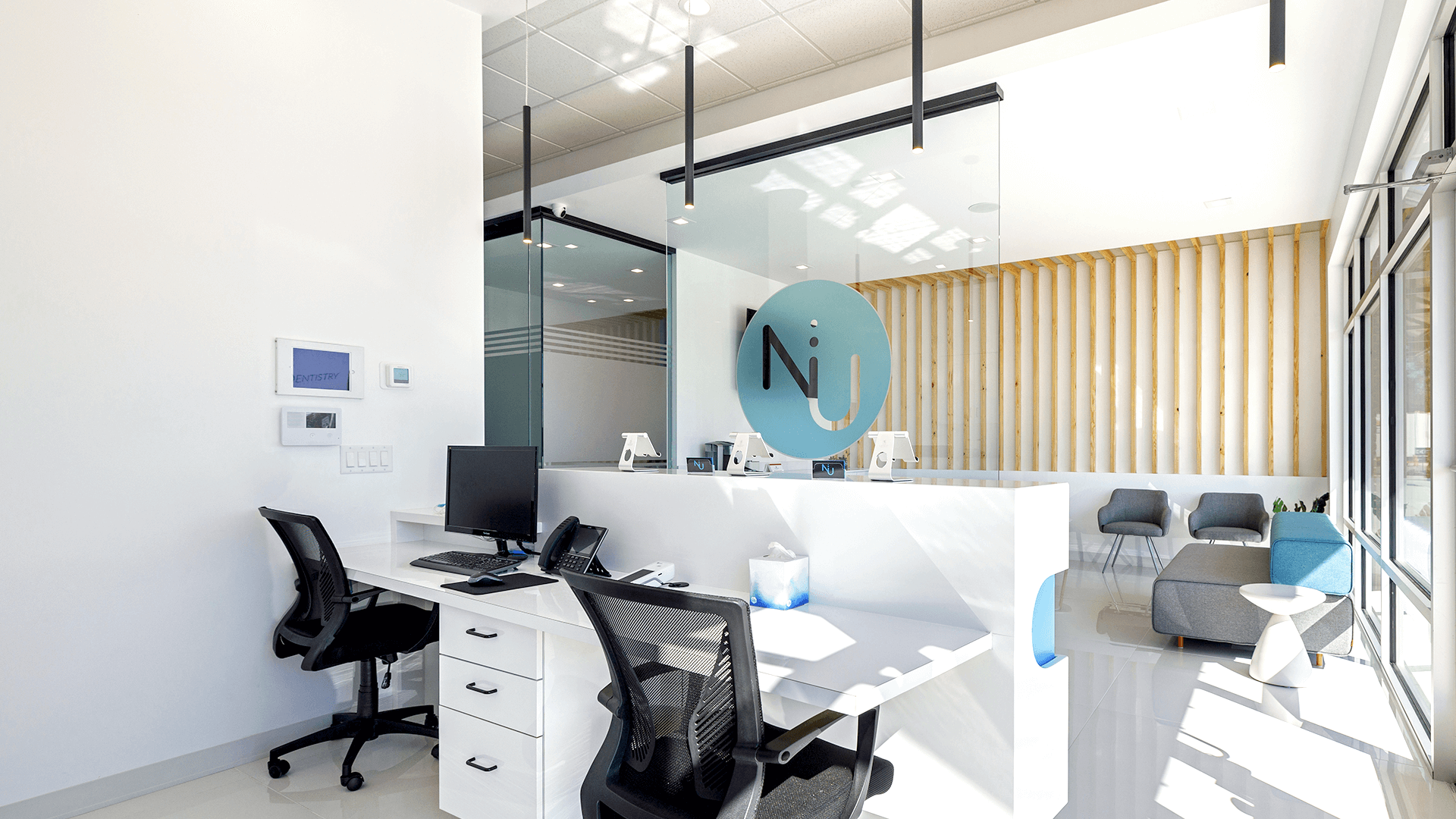
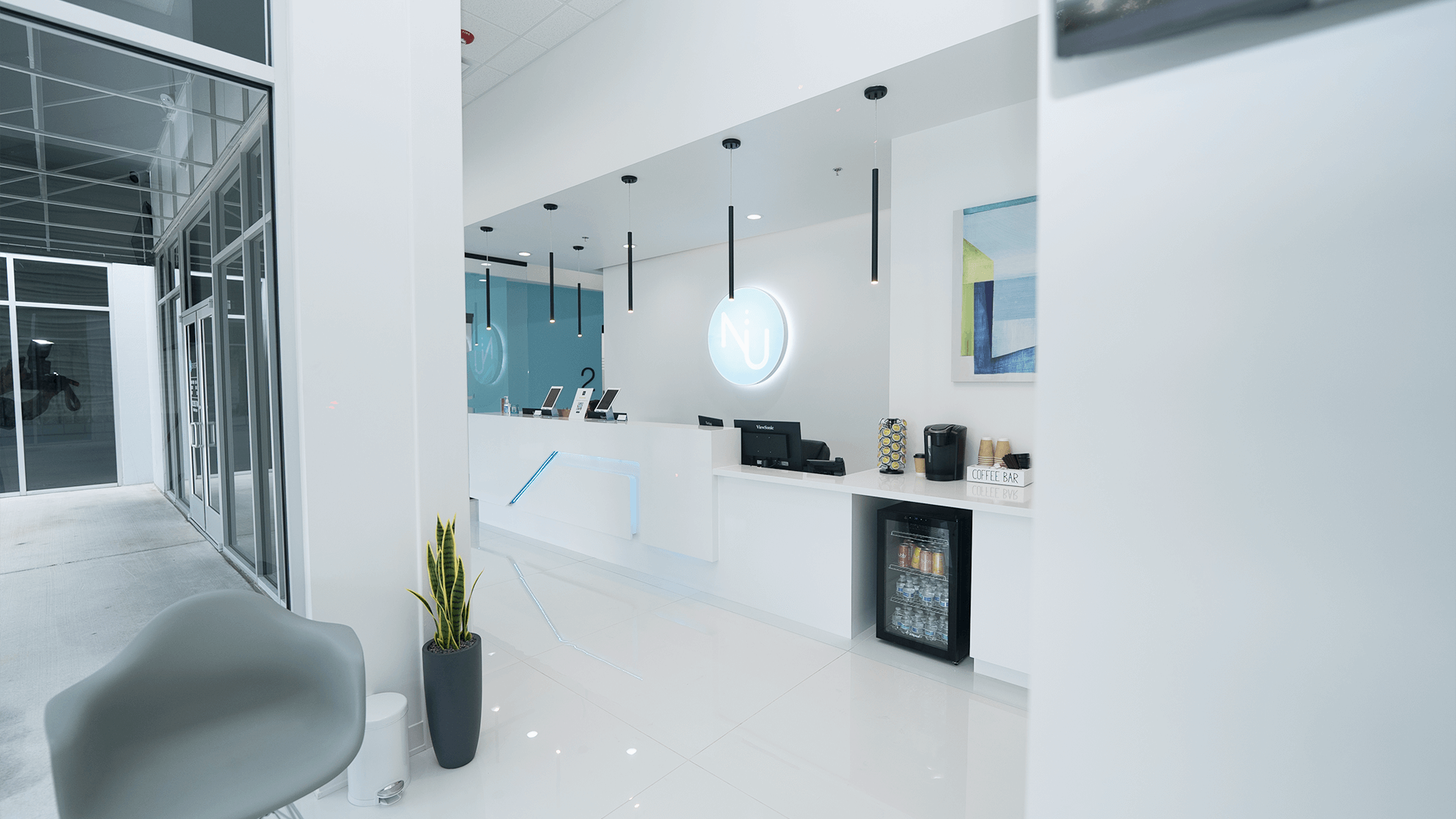
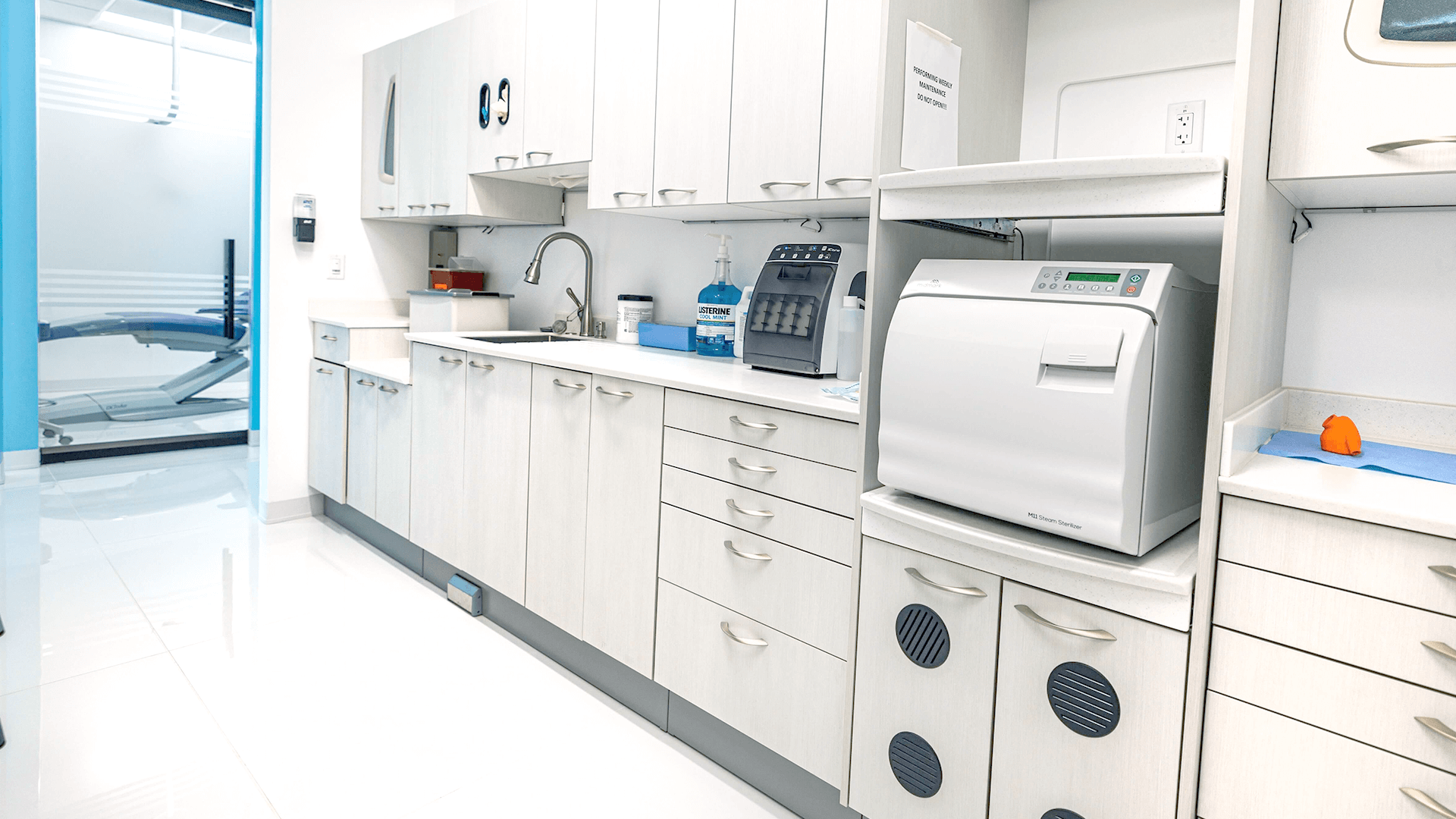
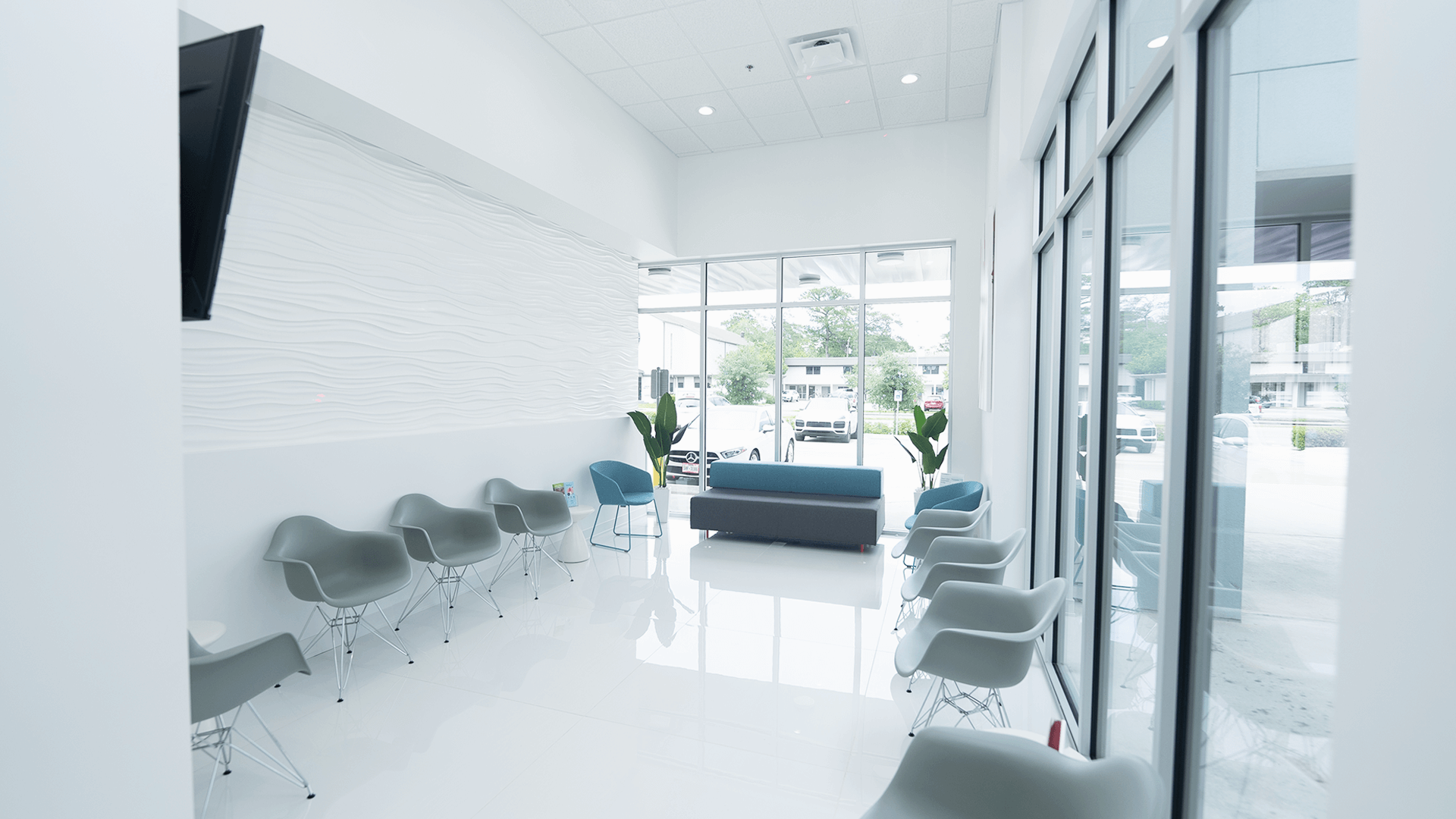
See what a visit to our modern, state-of-the-art dentist office is like!







Monday 9am - 6pm
Wednesday 9am - 6pm
Friday 9am - 6pm
Saturday 9am - 3pm
Check out what our patients are saying in Houston, TX

“Never Thought I'd Say It”
I never thought I’d say it, but going to the dentist is actually fun now. I recently came in for a root canal, and I got to sit back and catch up on Stranger Things without any pain!

“Anxiety Has Kept Me Away ”
I usually have such huge anxiety when I go to a dentist appointment, which means I always put off visits until the last minute to disastrous consequences. However, Dr. Loggins helped me with sedation, so the entire process was a breeze!

“The Best Dentist In Houston, TX”
We have been looking for a family dentist for a long time, we have tried a bunch of places but nothing felt quite like home. Not too long ago we stumbled upon Nu Dentistry and met Dr. Ali. Not only was he professional, kind, and gentle, but he always finds a way to fit us in when we need an appointment. He’s also pretty funny! I appreciate that he takes the time to explain what he’s doing, before he does it. That really puts me at ease.
“Never Thought I'd Say It”
I never thought I’d say it, but going to the dentist is actually fun now. I recently came in for a root canal, and I got to sit back and catch up on Stranger Things without any pain!
“Anxiety Has Kept Me Away ”
I usually have such huge anxiety when I go to a dentist appointment, which means I always put off visits until the last minute to disastrous consequences. However, Dr. Loggins helped me with sedation, so the entire process was a breeze!
We are proud members of these dental organizations and accreditations






We are dedicated to providing you with only the best quality dental care