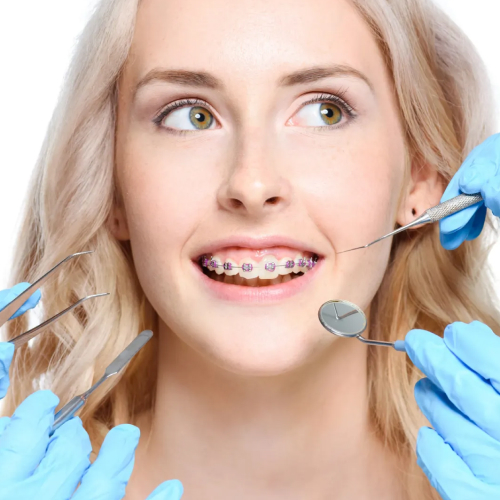
Ceramic vs. Metal Braces: Which One Actually Hurts More?
Wondering if ceramic or metal braces hurt more? Compare discomfort levels, pros, and cons to find the best fit. Schedule your orthodontic visit today!
Read More
Medically Reviewed by Dr. Ali Tameemi
For Houston-area patients, smoking and nicotine pouches like Zyn create serious problems for Invisalign treatment — from stained trays and trapped chemicals against your enamel to derailed wear-time compliance. Understanding exactly why helps you make smarter decisions about your treatment.
Many Zyn users assume pouches are aligner-safe. They're spitless, white, and carry none of the obvious tar staining tied to cigarettes. That logic is understandable — and dangerously wrong.
Zyn pouches contain nicotine salts, artificial flavorings, sweeteners like acesulfame potassium, and alkaline pH adjusters such as sodium carbonate. These ingredients are engineered to help nicotine absorb efficiently through gum tissue. When you tuck a pouch under your lip while wearing Invisalign, those chemicals seep directly into the aligner tray.
Here's the biochemical problem: your aligner blocks saliva. Under normal circumstances, saliva continuously bathes your teeth, neutralizing acids and remineralizing enamel. The plastic tray eliminates that buffering capacity entirely. The pH adjusters, sweeteners, and chemical byproducts from the pouch now sit in a sealed, saliva-deprived microenvironment pressed against your enamel for the full duration of use — sometimes hours at a time.
According to the ADA, the long-term health effects of nicotine pouches are still unknown, but existing evidence already links them to gum irritation, mouth sores, gum recession, and increased cavity risk. Trap those same chemicals under a plastic tray with no saliva to dilute them, and the localized damage accelerates dramatically.
A Healthline overview on Zyn health risks also notes that 26 of 44 nicotine pouch products tested in a 2022 study contained tobacco-specific nitrosamines — known carcinogens. The takeaway: these are not passive, harmless products. Using them under an aligner intensifies an already concerning exposure.
Invisalign requires 20 to 22 hours of wear per day. That threshold isn't arbitrary — it's the minimum pressure exposure your teeth need to track according to your treatment plan. Fall short consistently, and your teeth stop moving on schedule. As WebMD explains, orthodontists recommend wearing aligners any time you're not eating or cleaning your teeth.
Now run the numbers for a moderate smoker or frequent vaper. Ten cigarettes per day at roughly 10–15 minutes each equals 100–150 minutes of tray-out time — before counting meals. Three meals and two snacks can easily consume another 90 minutes. That's potentially 4 hours of missed wear time daily, putting total daily wear closer to 20 hours on a good day, and far less on a busy one.
Zyn pouches create a different but equally damaging compliance trap. Because they're marketed as discreet and hands-free, users often rationalize keeping their aligners in. As described above, that creates the acid-trap problem. The "safe" alternative — removing the tray for every pouch — means adding yet more tray-out sessions throughout the day.
The clinical consequence of chronic under-wear is called "tracking failure." Your aligner no longer fits your current tooth position, because your teeth haven't moved far enough to match the next tray in the sequence. This leads to painful refinements, additional aligner sets, and significantly extended treatment timelines. For many patients, this is the point where treatment quietly falls apart.
A practical harm-reduction framework: nicotine patches are the only delivery method that doesn't require removing your trays or placing chemicals against your gum tissue. If you're committed to completing Invisalign, transitioning to transdermal nicotine during treatment eliminates the compliance math problem entirely.
Smoking while wearing Invisalign stains the clear plastic trays yellow or brown within days. That defeats one of the primary reasons most patients choose Invisalign over traditional dental braces. According to Healthline's Invisalign overview, the aligners are designed to be nearly invisible — a benefit that disappears the moment tobacco smoke contacts the thermoplastic material.
Beyond aesthetics, smoke contains hundreds of compounds that degrade the SmartTrack plastic, potentially altering tray fit. A warped or chemically compromised aligner applies uneven pressure, producing unpredictable tooth movement.
Nicotine also constricts blood vessels in gum tissue. Mouthhealthy.org notes that untreated bite and alignment problems can lead to gum disease and tooth loss — conditions that nicotine use independently accelerates. Orthodontic tooth movement depends on healthy periodontal tissue. Compromised gum health slows movement, increases discomfort, and raises the risk of root resorption.
The standard clinical recommendation is straightforward: remove aligners before smoking, never use nicotine pouches while wearing trays, and rinse thoroughly before reinserting. The honest follow-up to that recommendation is that for heavy nicotine users, consistent compliance with those steps is extremely difficult to maintain across a 12–24 month treatment period.
If you use nicotine and you're considering Invisalign, the conversation to have isn't whether you can use nicotine during treatment — it's whether your current habits make you a strong candidate right now, and what a realistic compliance plan looks like for your lifestyle.
Nu Dentistry Garden Oaks serves patients throughout the Houston area with honest, individualized orthodontic consultations. Whether you're ready to start Invisalign or just exploring your options, our Garden Oaks team can walk you through candidacy, treatment expectations, and the practical factors that affect your results. For a full picture of your oral health before beginning treatment, scheduling a cleaning and exam is a great first step. Reach out to schedule your consultation.
Medical disclaimer: This article is for informational purposes only and does not constitute medical or dental advice. Always consult a licensed dental professional regarding your specific oral health needs.
Fresh news from the dental world

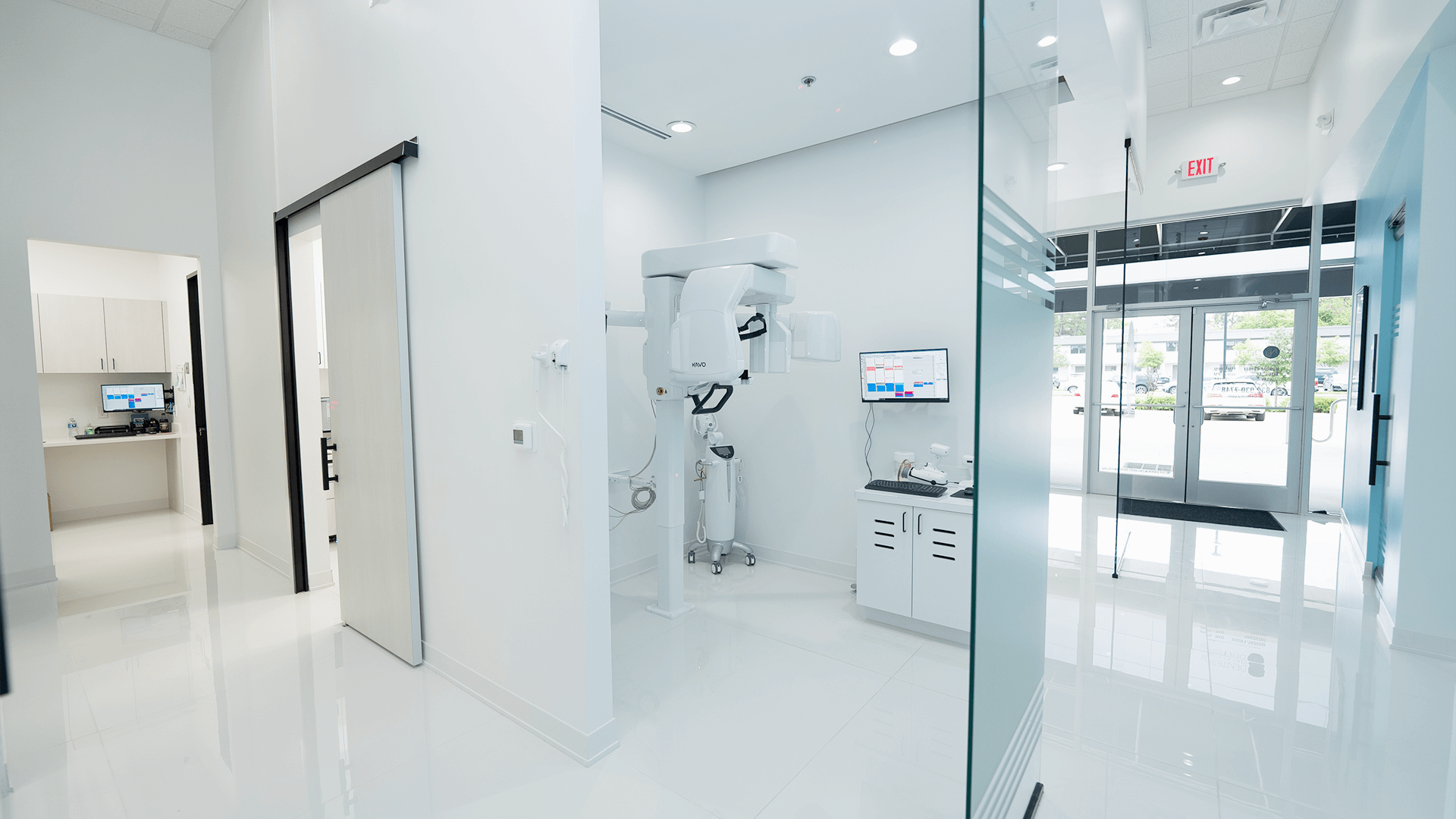
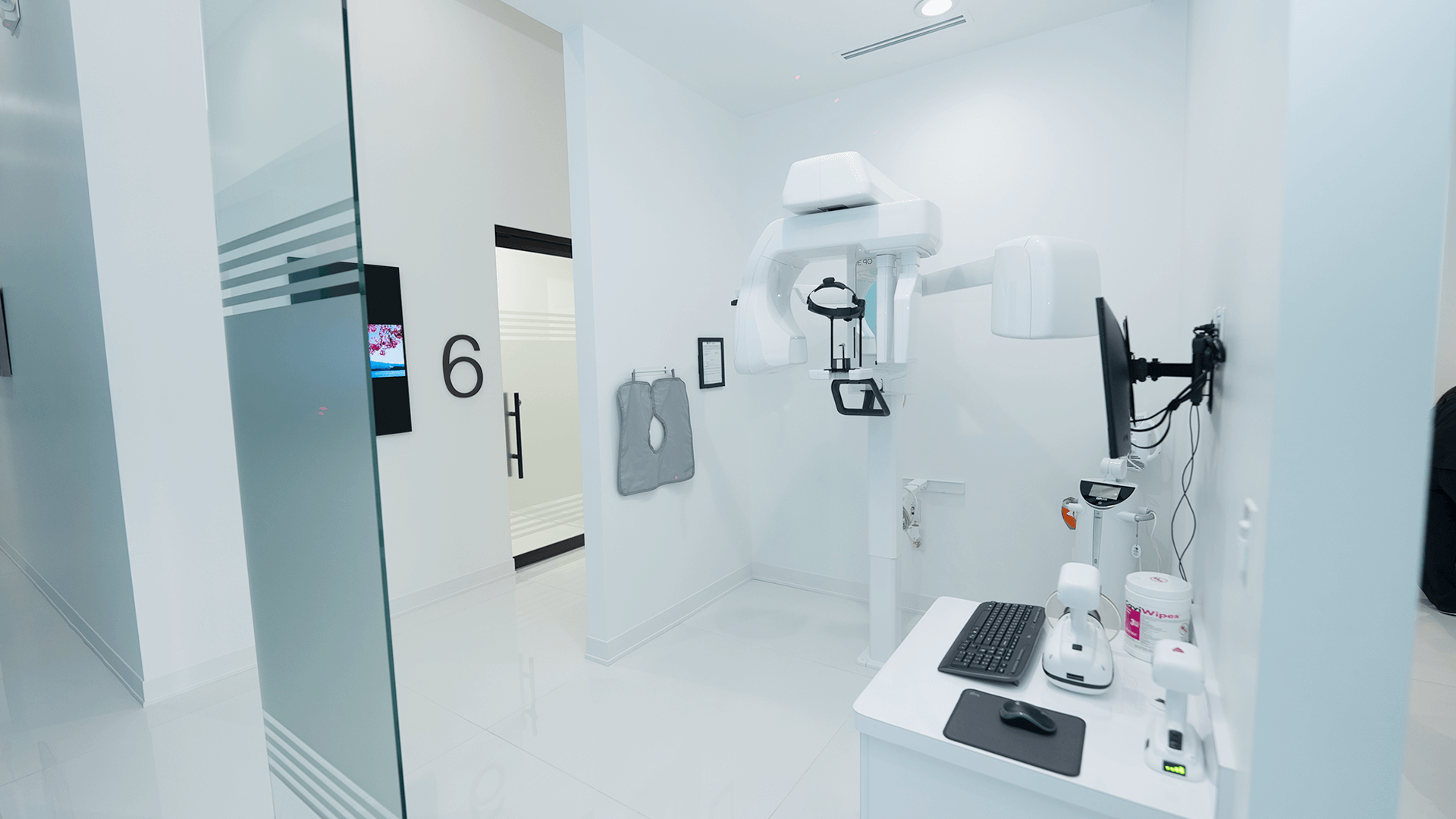
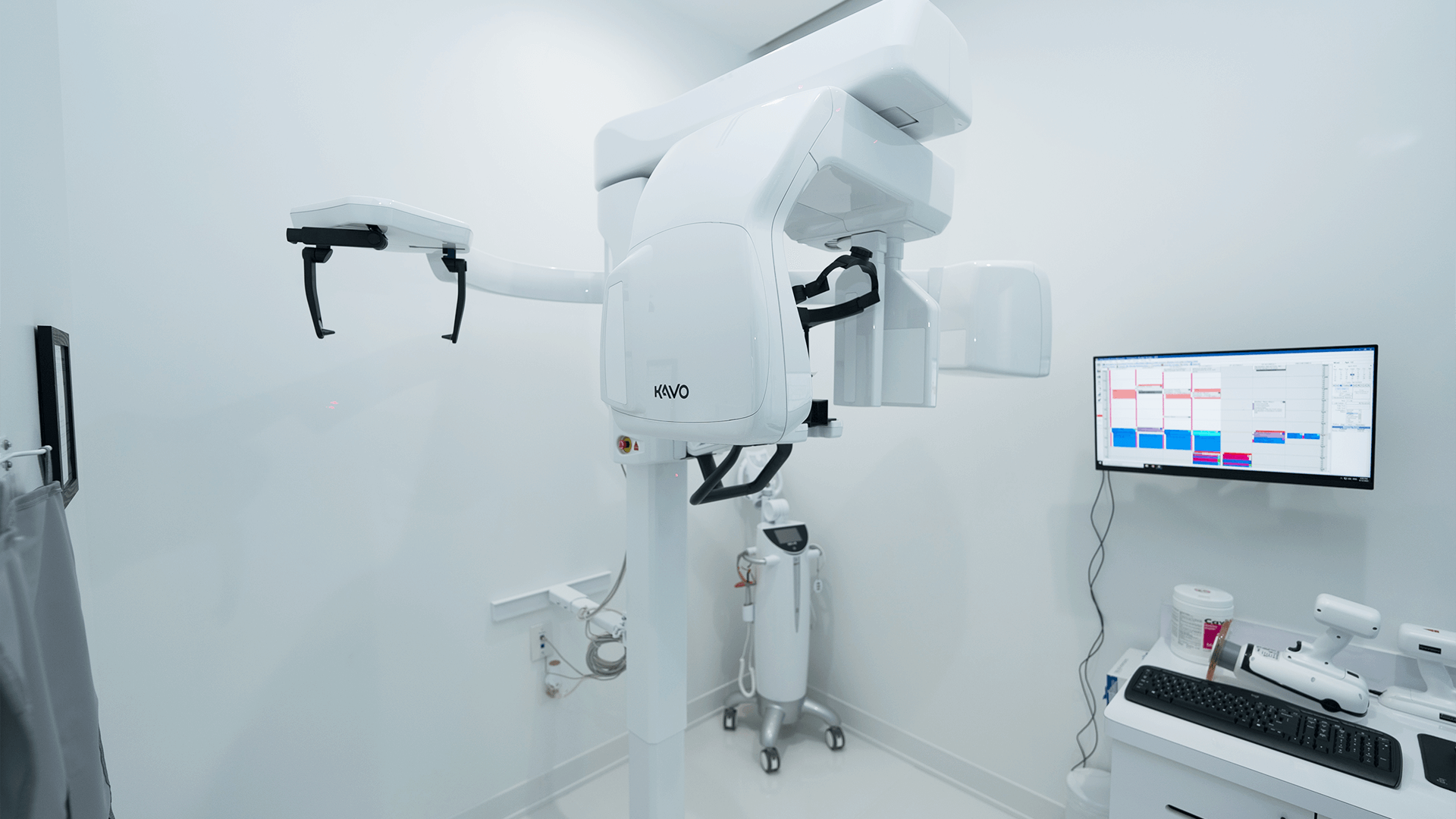
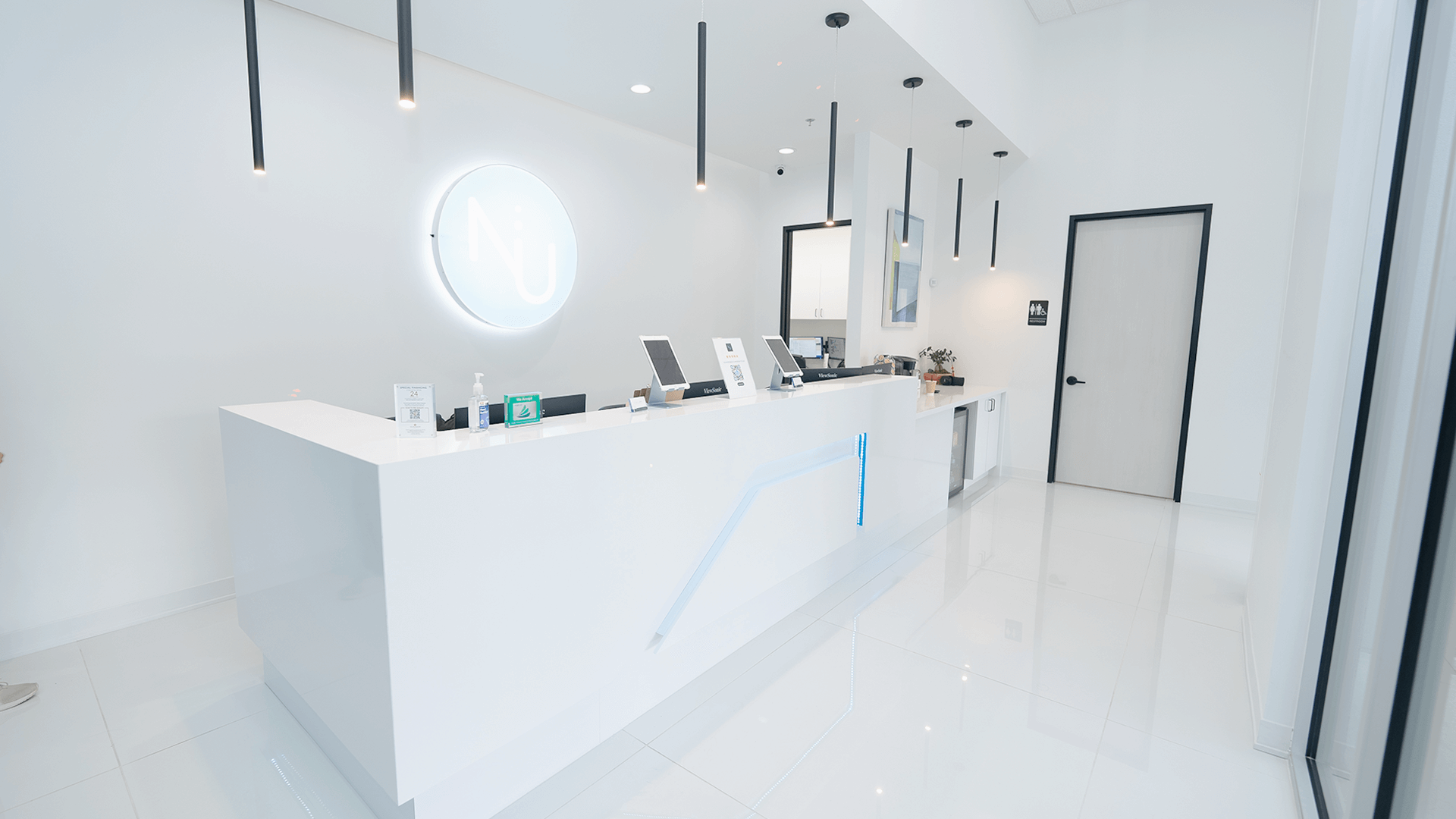
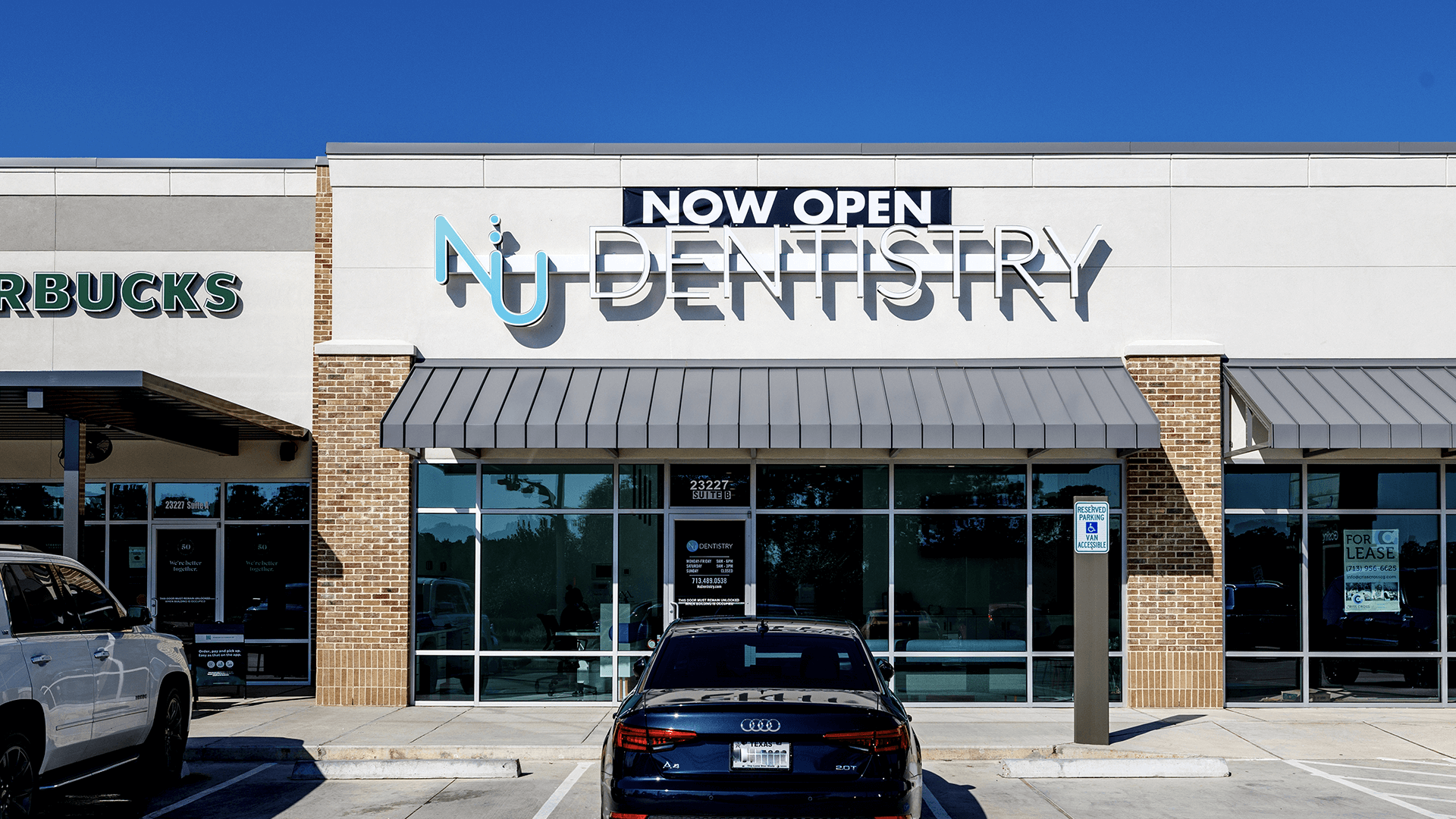
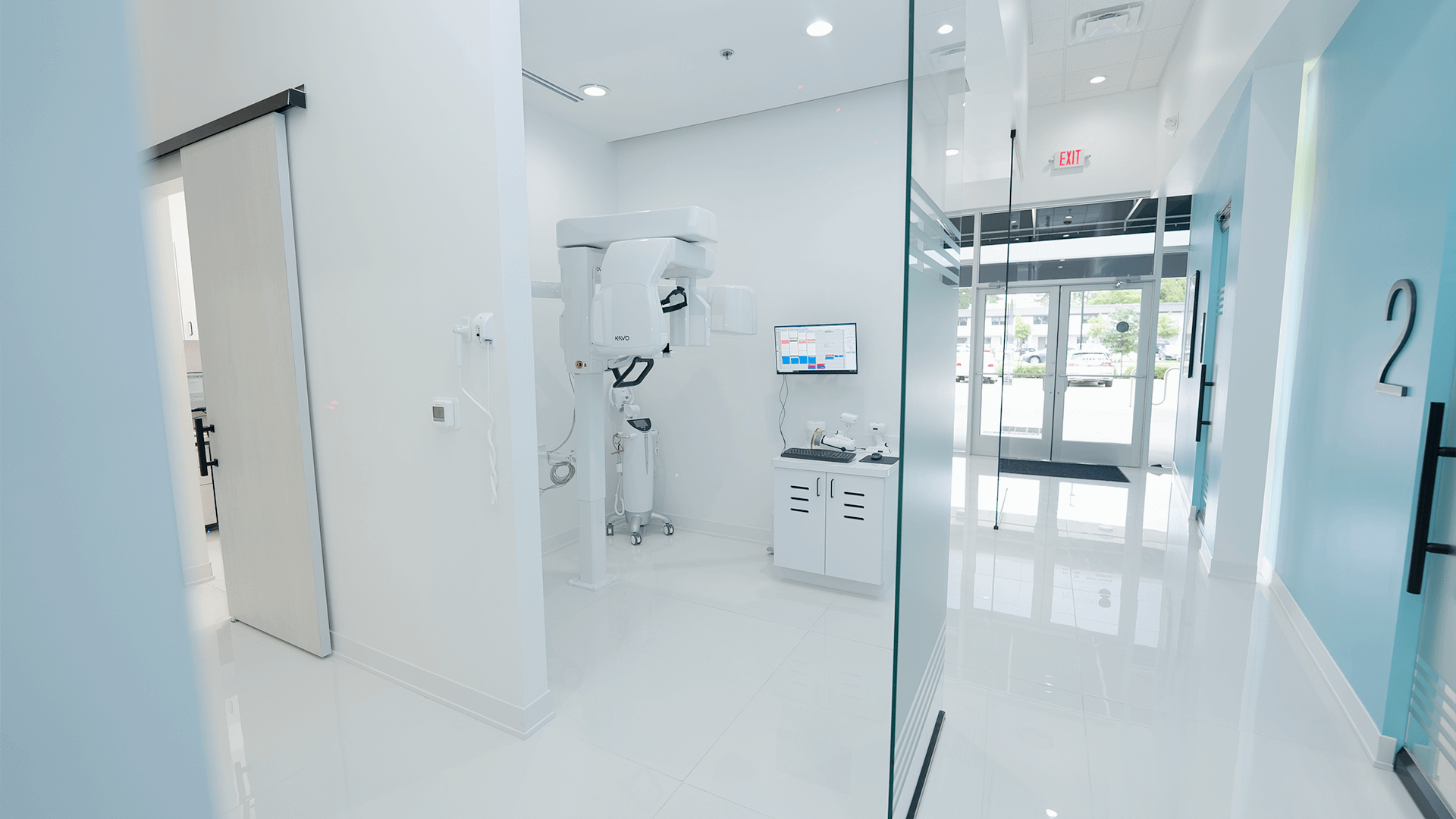
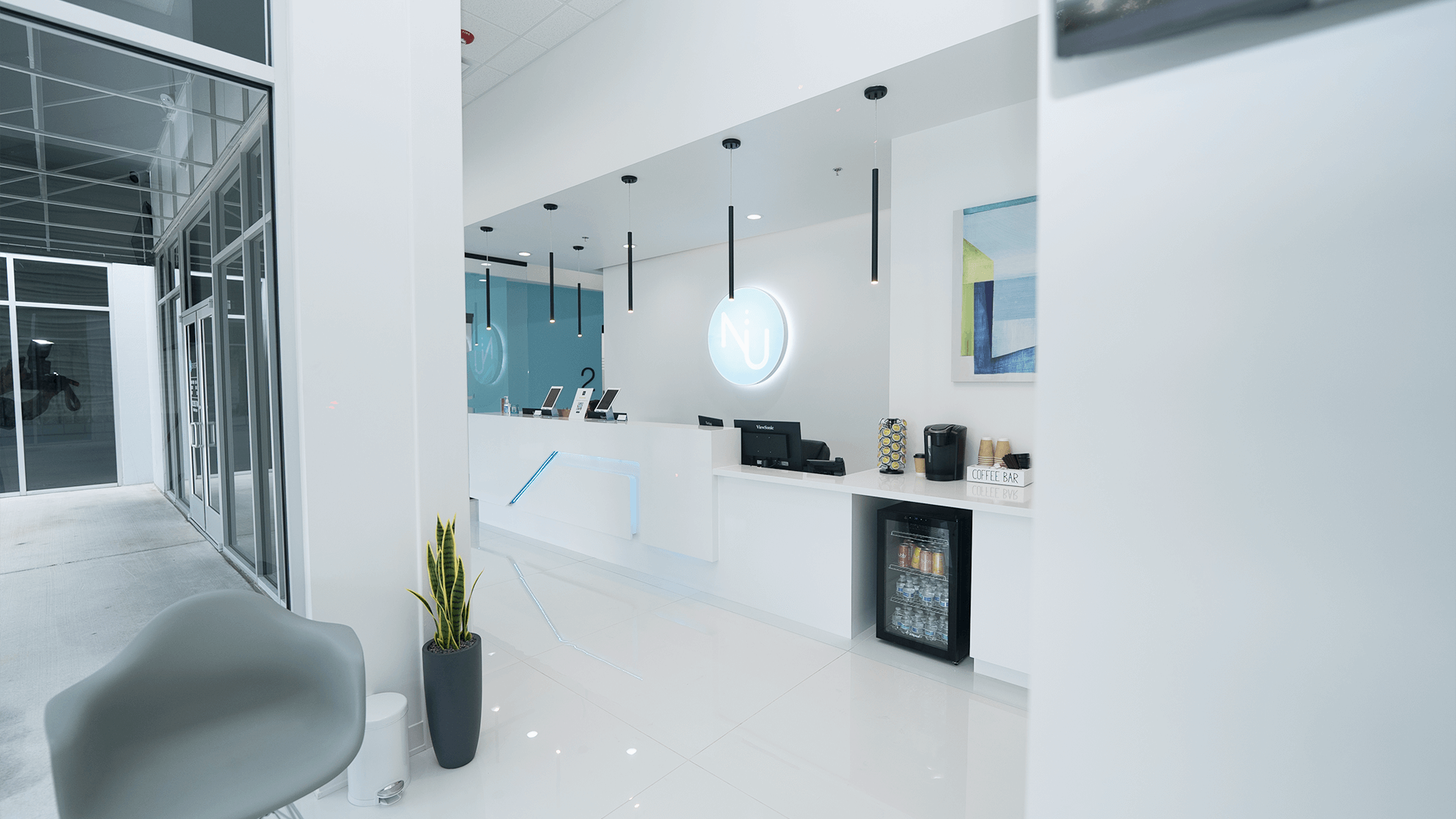
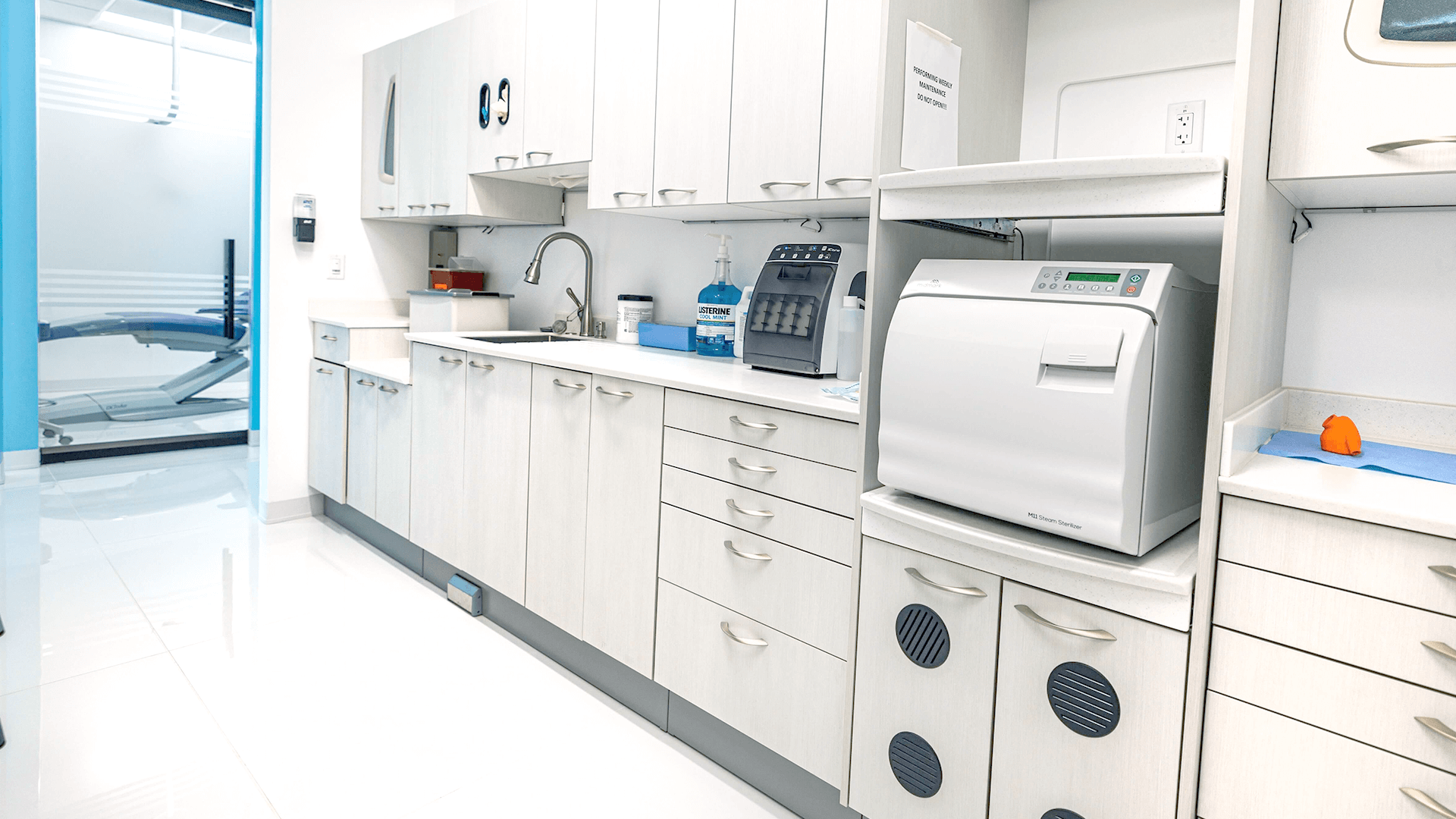
See what a visit to our modern, state-of-the-art dentist office is like!














Monday 9am - 6pm
Wednesday 9am - 6pm
Friday 9am - 6pm
Saturday 9am - 3pm
Check out what our patients are saying in Houston, TX


“Never Thought I'd Say It”
I never thought I’d say it, but going to the dentist is actually fun now. I recently came in for a root canal, and I got to sit back and catch up on Stranger Things without any pain!

“Anxiety Has Kept Me Away ”
I usually have such huge anxiety when I go to a dentist appointment, which means I always put off visits until the last minute to disastrous consequences. However, Dr. Loggins helped me with sedation, so the entire process was a breeze!

“The Best Dentist In Houston, TX”
We have been looking for a family dentist for a long time, we have tried a bunch of places but nothing felt quite like home. Not too long ago we stumbled upon Nu Dentistry and met Dr. Ali. Not only was he professional, kind, and gentle, but he always finds a way to fit us in when we need an appointment. He’s also pretty funny! I appreciate that he takes the time to explain what he’s doing, before he does it. That really puts me at ease.
“Never Thought I'd Say It”
I never thought I’d say it, but going to the dentist is actually fun now. I recently came in for a root canal, and I got to sit back and catch up on Stranger Things without any pain!
“Anxiety Has Kept Me Away ”
I usually have such huge anxiety when I go to a dentist appointment, which means I always put off visits until the last minute to disastrous consequences. However, Dr. Loggins helped me with sedation, so the entire process was a breeze!
We are proud members of these dental organizations and accreditations





We are dedicated to providing you with only the best quality dental care