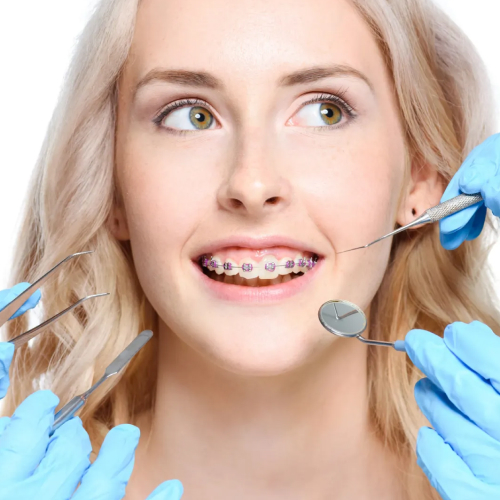
Ceramic vs. Metal Braces: Which One Actually Hurts More?
Wondering if ceramic or metal braces hurt more? Compare discomfort levels, pros, and cons to find the best fit. Schedule your orthodontic visit today!
Read More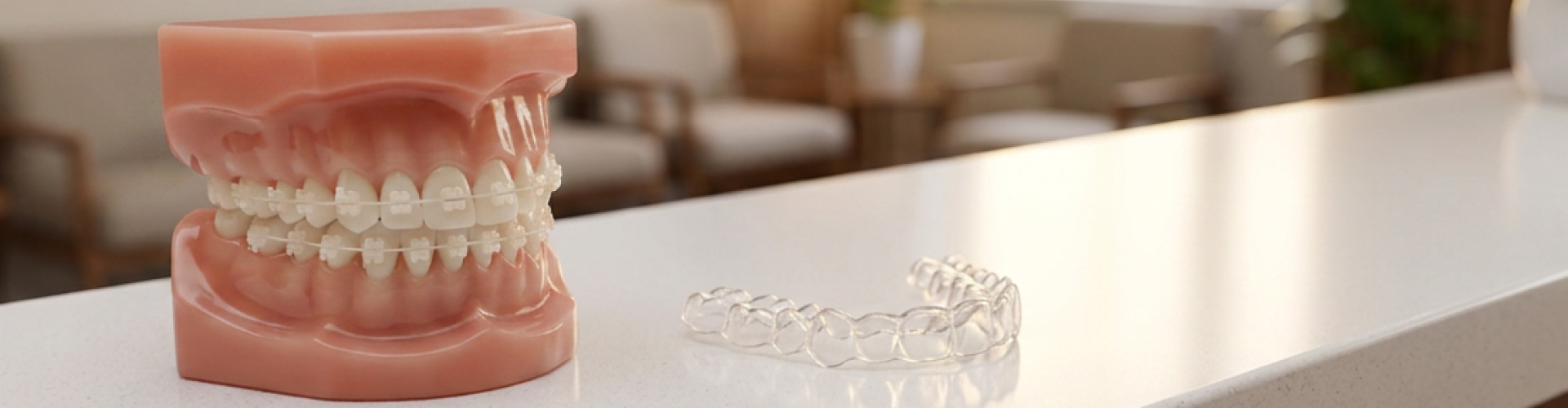
Medically Reviewed by Dr. Ali Tameemi
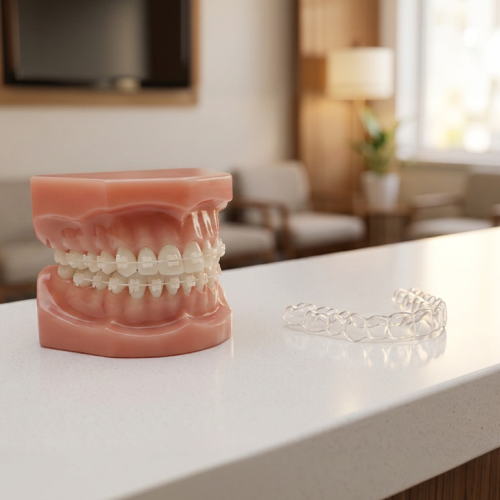
Ceramic braces and Invisalign both straighten teeth discreetly, but they fail — and succeed — in very different ways. Your bite depth, lifestyle habits, and case complexity matter far more than aesthetics alone when choosing between them.
Most patients walk into an orthodontic consultation focused on how discreet each option looks. For Houston-area patients, the conversation they're rarely having is about enamel safety — and it's one worth having before you sign anything. Whether you're considering dental braces or clear aligners, understanding the structural implications of each is essential.
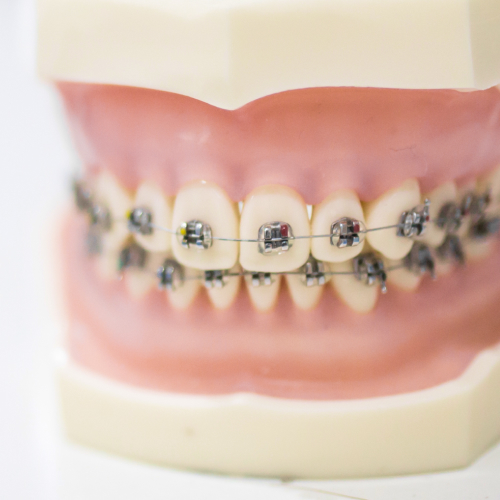
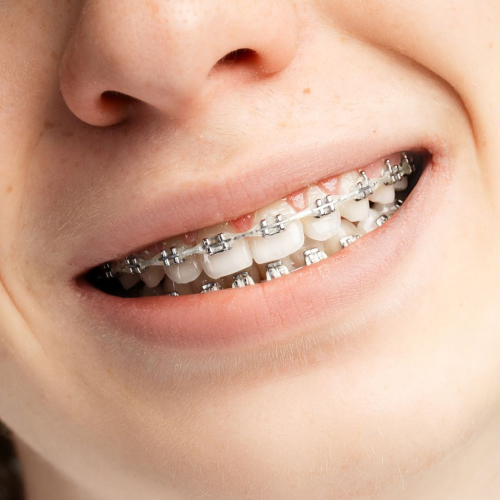
Ceramic brackets are made from aluminum oxide, a material rated 9 out of 10 on the Mohs hardness scale — just below diamonds, according to WebMD. That hardness is a problem for patients with a deep bite. When upper teeth contact lower ceramic brackets repeatedly during chewing, the ceramic can wear down opposing enamel significantly faster than metal brackets would.
The de-bonding process at treatment's end carries its own risks. Ceramic brackets bond to tooth surfaces with a very strong adhesive. Removing them requires substantial physical force, and Healthline notes that ceramic braces are more than twice as likely to fracture during removal — a process that can cause enamel microfractures on the tooth surface itself.
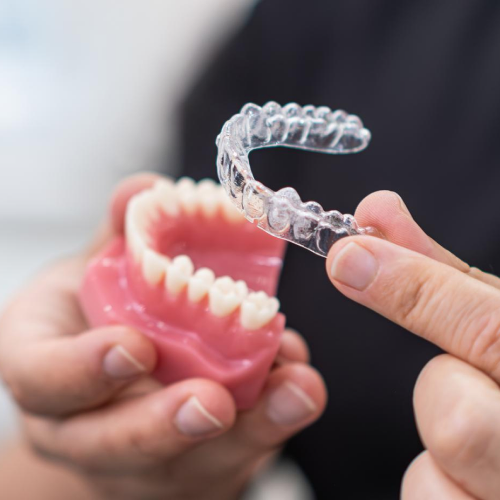
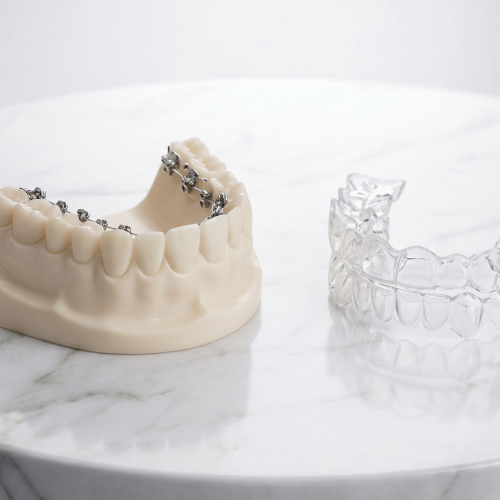
Invisalign takes a different approach to attachment. Small composite resin "buttons" are bonded to teeth to help the trays grip and move teeth predictably. At the end of treatment, these attachments are simply polished off — a gentle process that leaves enamel intact. For patients with deep bites or existing enamel sensitivity, this distinction is clinically meaningful.
The takeaway: ask your orthodontist specifically about your bite depth before choosing ceramic brackets. What looks like a cosmetic decision has real structural consequences.
Both options are marketed as "discreet." Both fail aesthetically in ways most patients don't anticipate — just in completely different ways.
Ceramic brackets themselves resist staining reasonably well. The elastic ligatures (the tiny bands holding the wire to each bracket) are another matter entirely. These clear bands absorb pigment from coffee, turmeric, mustard, and tomato-based sauces within days. By week three of a four-to-six-week adjustment cycle, those bands are visibly yellow or orange — and there is no at-home fix. You cannot whiten them, clean them off, or replace them yourself. You live with the discoloration until your next appointment.
Invisalign sidesteps the ligature problem entirely. But it introduces a different hygiene risk. If you drink anything other than water with your trays in, liquid becomes trapped between the plastic and your enamel. Sugars and acids sit directly against the tooth surface for hours, creating conditions that accelerate decay. Research published in PMC found that Invisalign patients demonstrated better periodontal health than fixed-appliance patients — but that advantage disappears quickly if the trays are worn during meals or sugary drinks.
Practical rules worth knowing:
Neither system is maintenance-free. They just require different discipline.
For mild to moderate alignment issues, the clinical outcomes between ceramic braces and Invisalign are comparable. A randomized controlled trial found no statistically significant difference in overall occlusal outcomes between aligner and fixed-appliance patients at treatment completion or at six-month retention — though the study published in PMC did note that simple malocclusion cases took approximately 4.8 months longer with aligners than with braces.
Where the options genuinely diverge is in case complexity. Ceramic braces, functioning identically to metal braces mechanically, can address severe crowding, significant rotations, and complex bite corrections that clear aligners struggle to replicate predictably. Invisalign has expanded its treatable range considerably with SmartForce attachments, but Healthline's overview of ceramic braces confirms that clear alignment methods remain less reliable for severe malocclusion cases. Patients with more complex needs may also benefit from exploring aesthetic dentistry options to complement their orthodontic treatment.
Patient experience during treatment also differs measurably. A prospective randomized trial found that patients in fixed-appliance groups reported significantly greater discomfort than aligner patients — particularly during the first week and after monthly adjustment appointments. Aligner patients also consumed fewer analgesics overall.
For adults in professional environments who have mild-to-moderate crowding, Invisalign typically delivers comparable results with a better daily experience. For patients with complex bite issues or significant rotations, ceramic braces may produce more predictable movement — though your orthodontist's assessment of your specific case should drive that decision entirely.
Before signing a treatment contract for either option, get clear answers on the following:
For ceramic braces:
For Invisalign:
These questions matter because the flat treatment quote rarely reflects the full picture. Ceramic brackets are brittle compared to metal — biting into hard food can shear a bracket off, and replacement fees vary by practice. On the Invisalign side, if teeth don't move as the digital plan predicted, additional aligner sets may be needed. Packages with limited refinements can result in unexpected out-of-pocket expenses if your case requires more correction than initially planned. It's also worth scheduling a cleaning and exam before beginning orthodontic treatment to ensure your teeth and gums are in optimal condition.
Knowing what's included — and what isn't — before treatment begins puts you in a far stronger position.
The right choice between ceramic braces and Invisalign depends on your bite, your lifestyle, and the specifics of your case — not just which option looks more discreet in photos. At Nu Dentistry Garden Oaks, our Houston team helps patients across Garden Oaks and the greater Houston area navigate exactly these decisions with a thorough clinical evaluation. If you're also considering ways to enhance your results, our pro teeth whitening services can help you finish treatment with a brilliantly bright smile. Reach out to schedule your consultation and get a clear, honest recommendation built around your teeth.
Medical disclaimer: This article is intended for informational purposes only and does not constitute professional dental or medical advice. Always consult a licensed dental professional for diagnosis and treatment recommendations specific to your situation.
Fresh news from the dental world

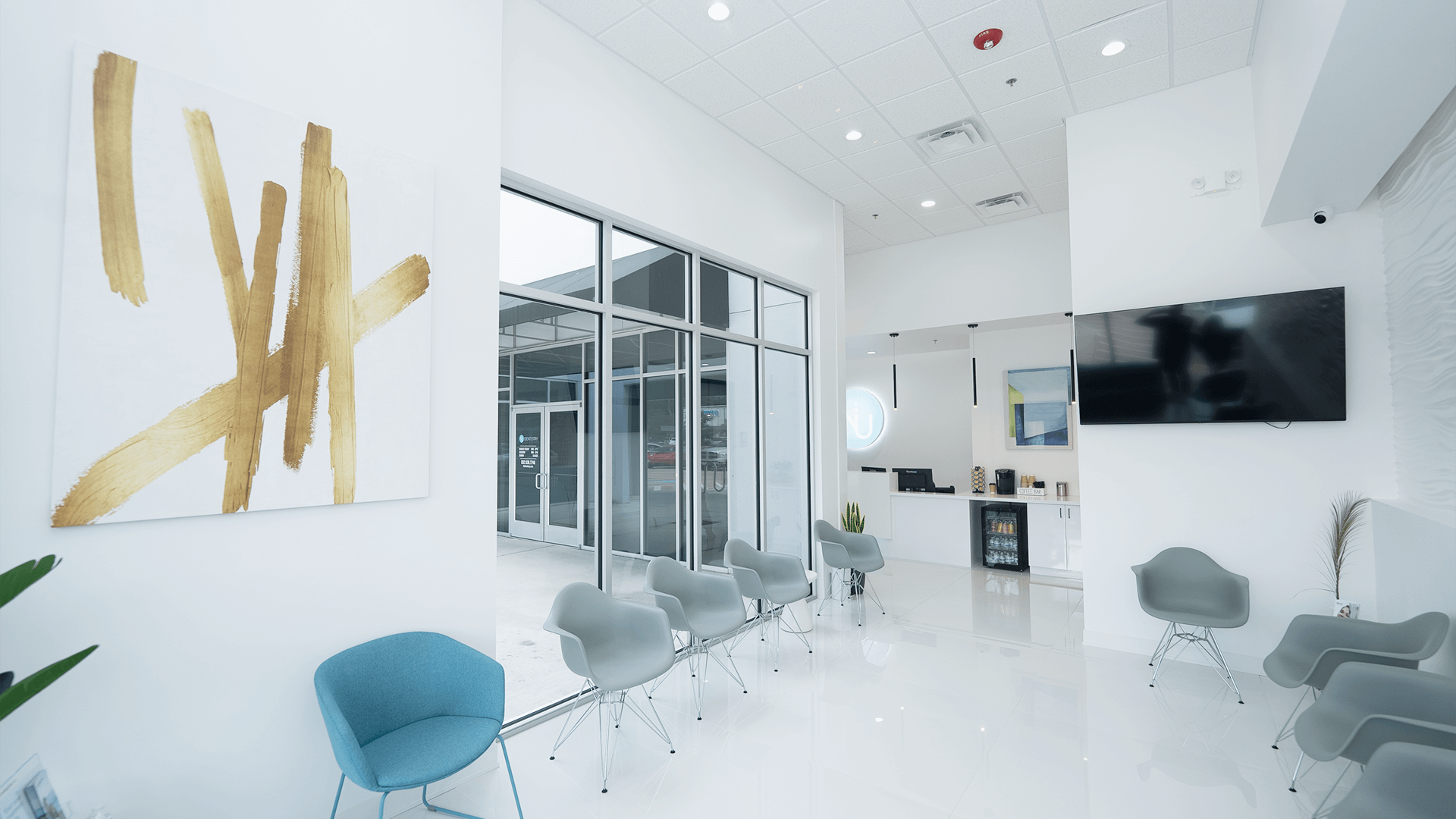
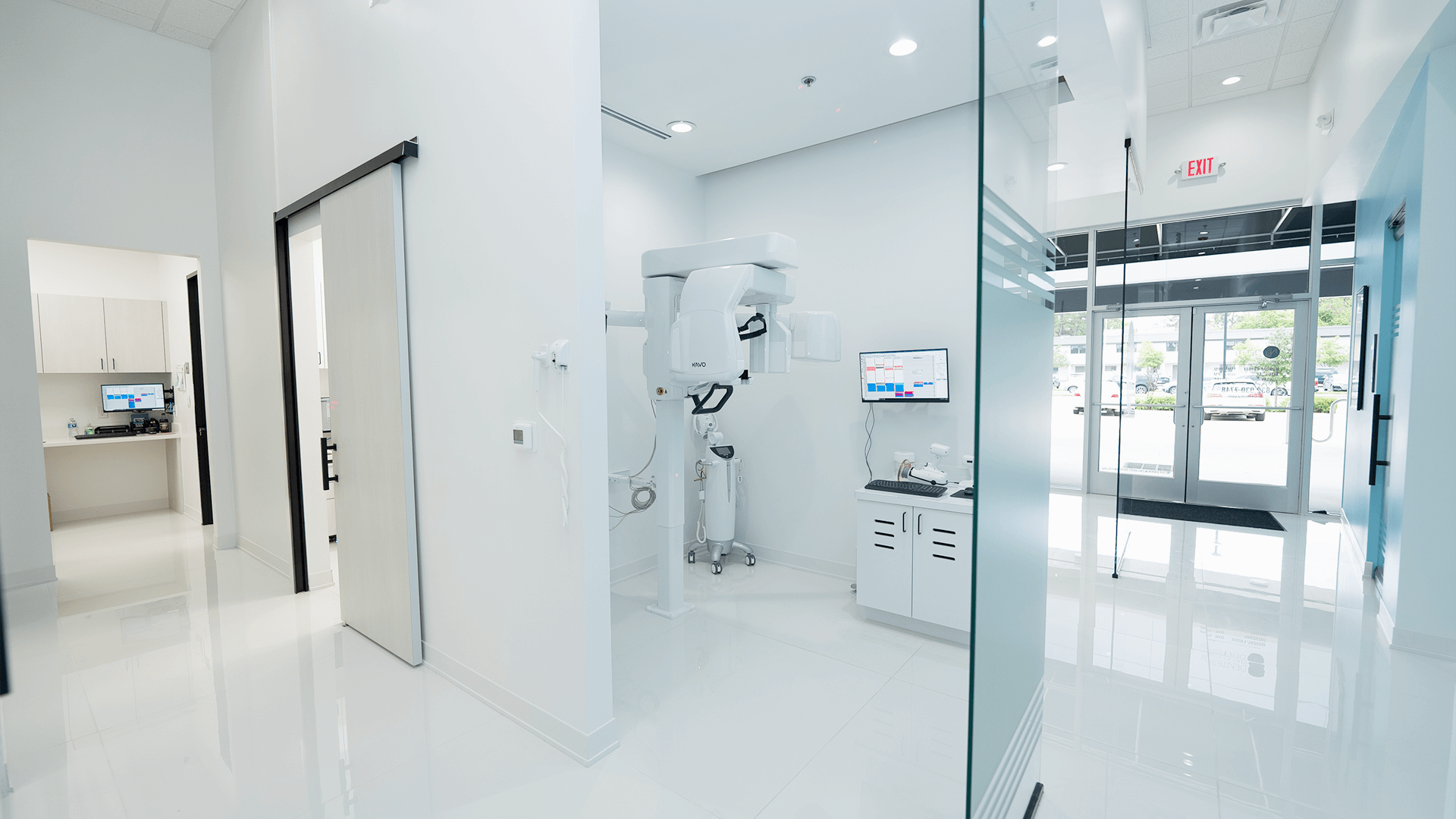
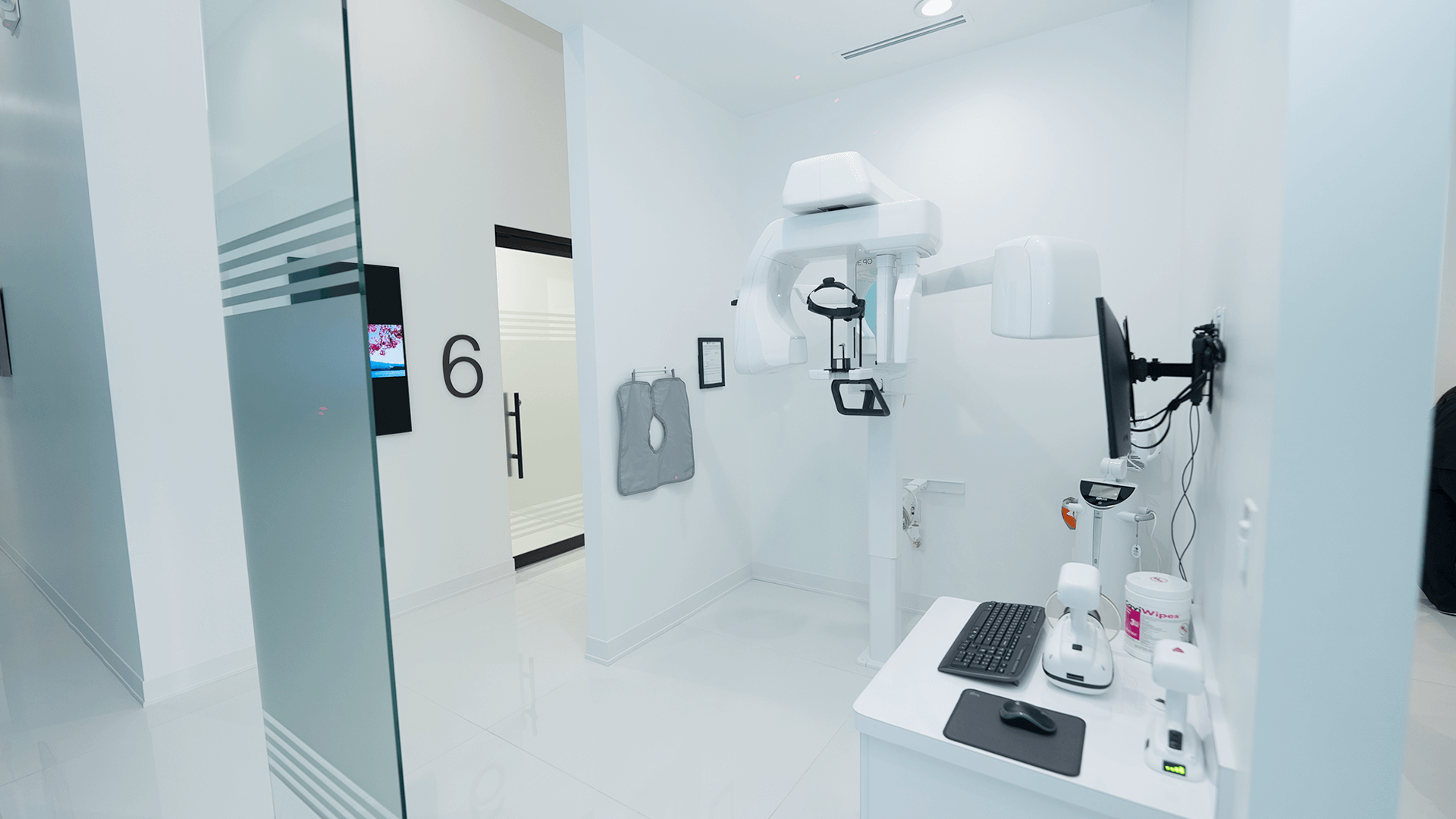
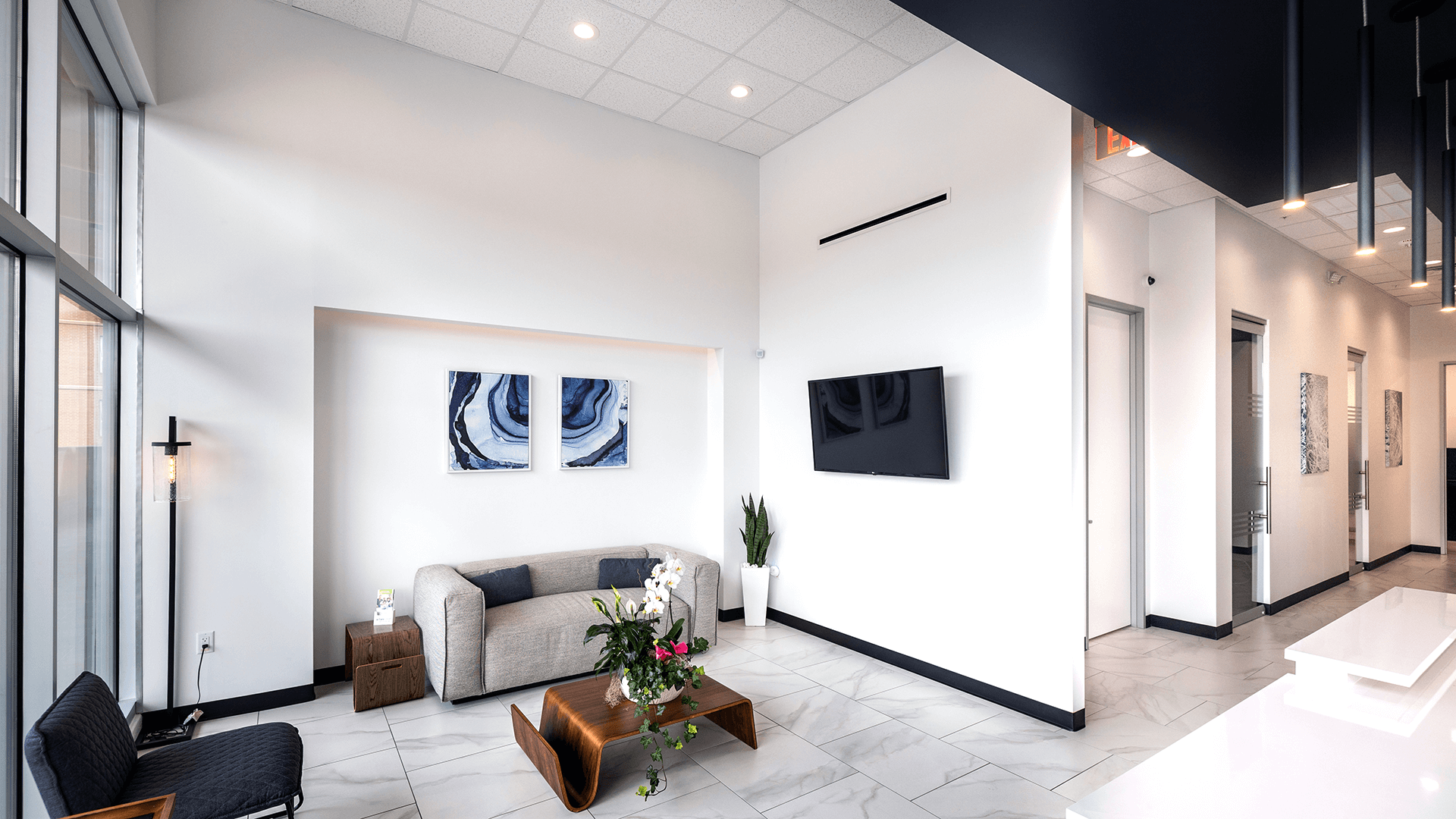
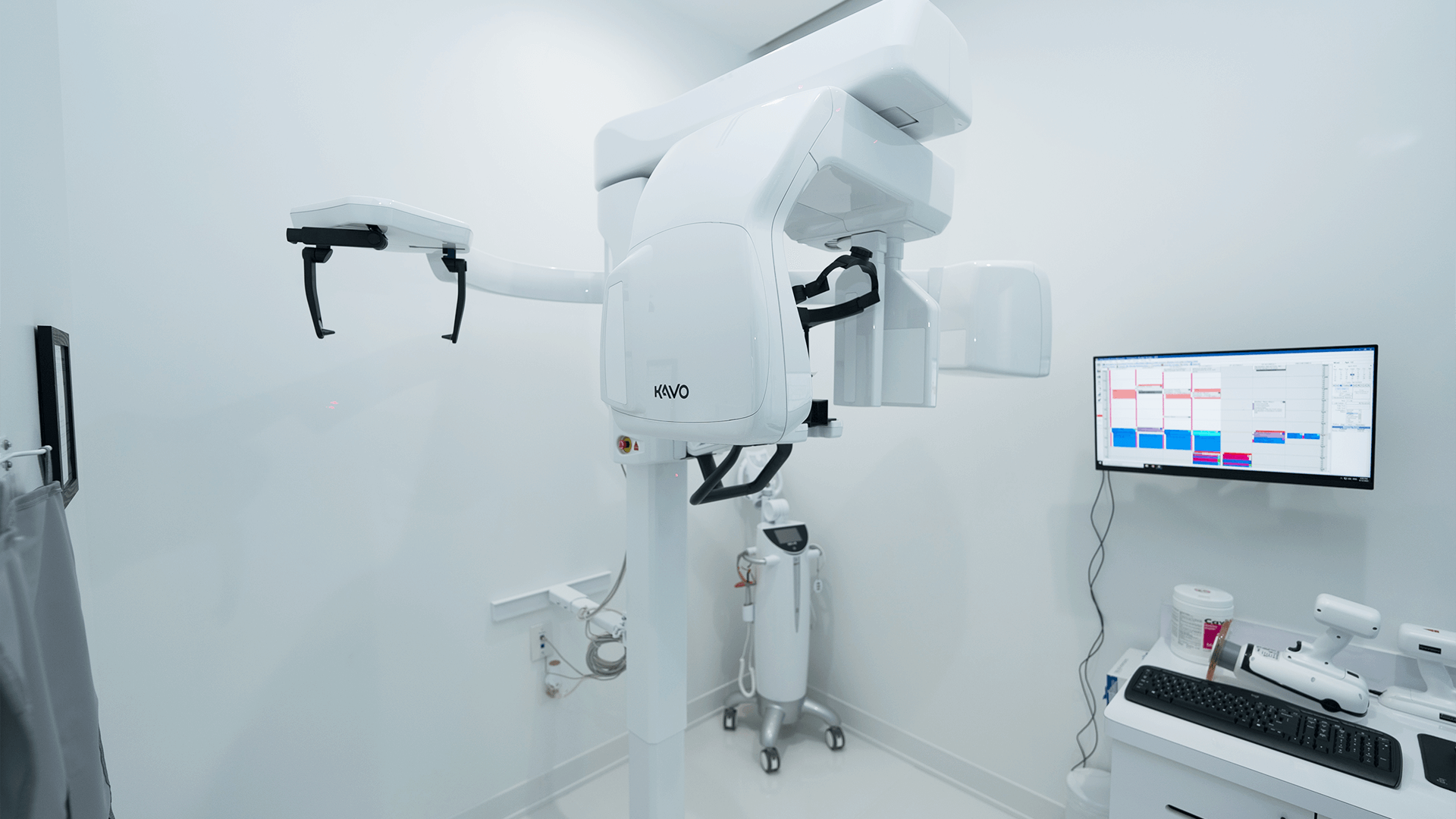
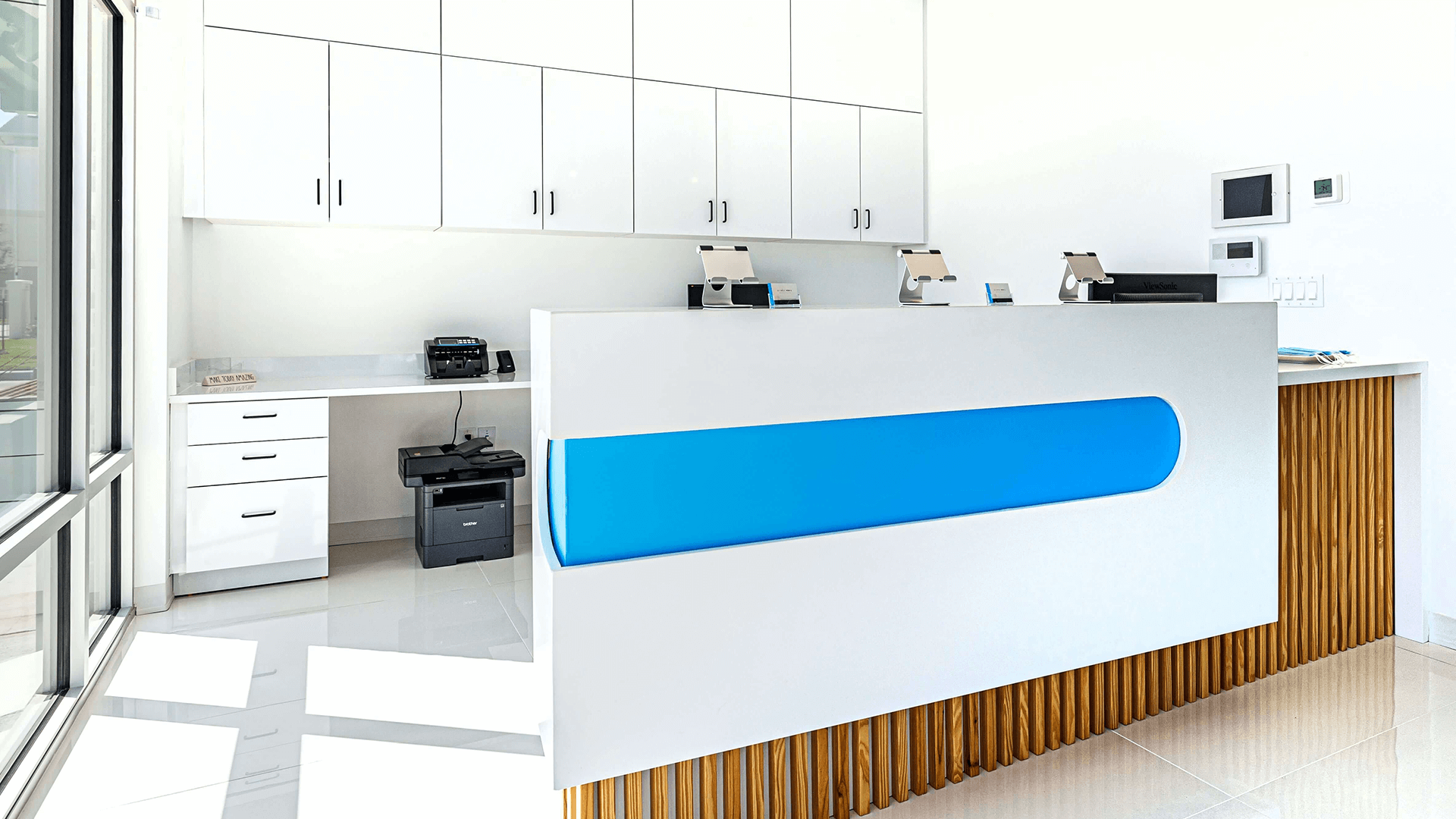
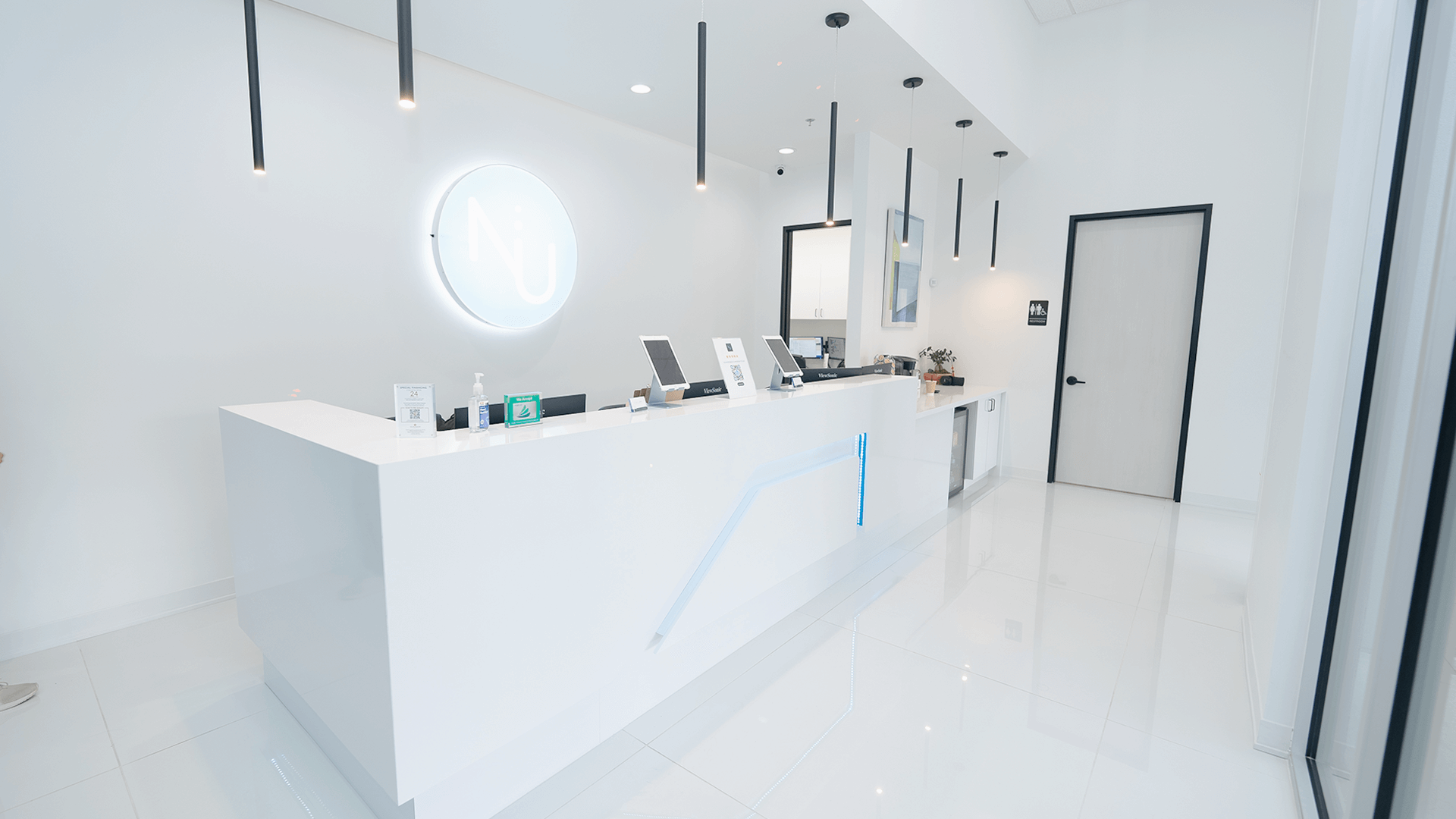
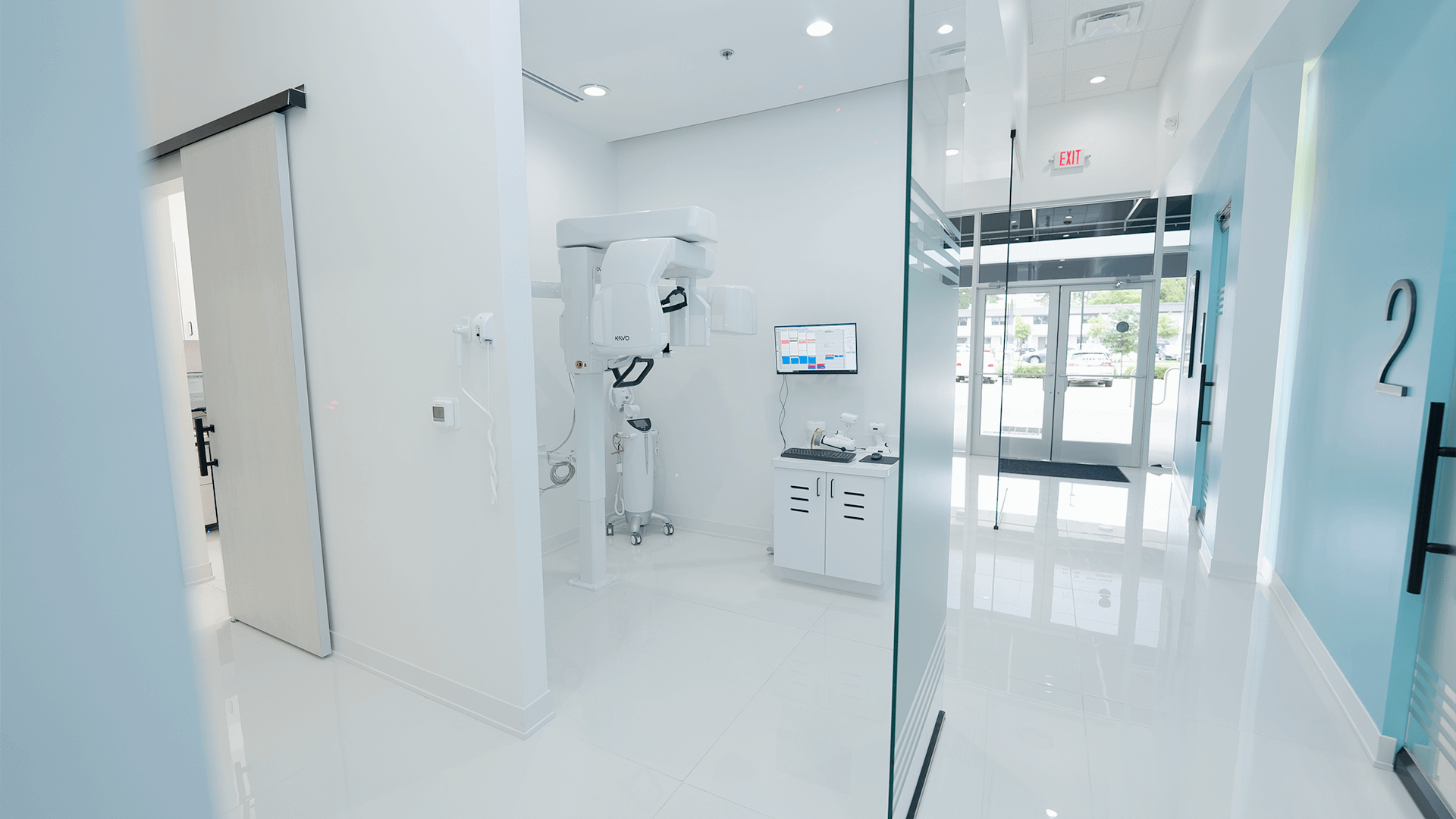
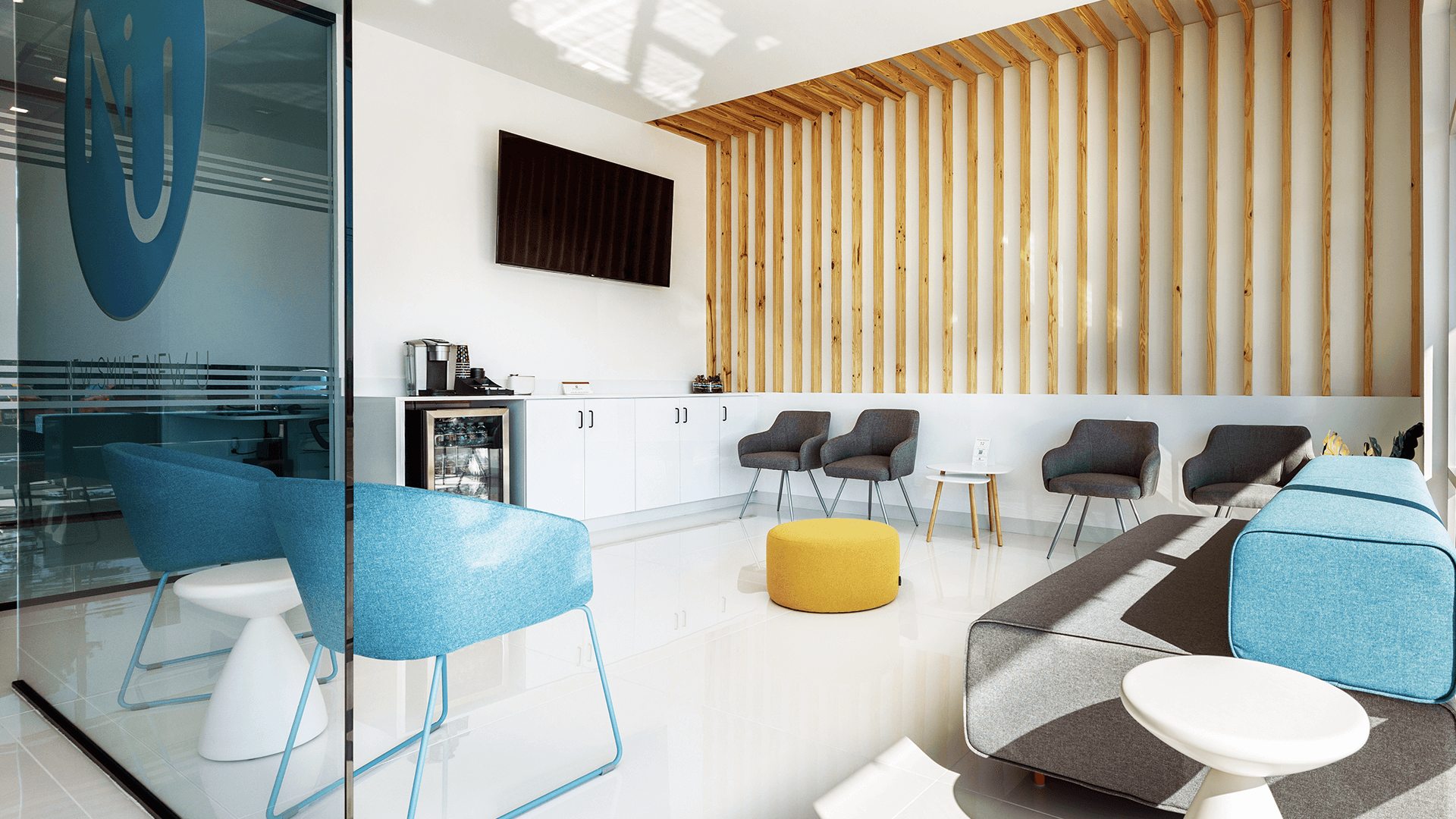
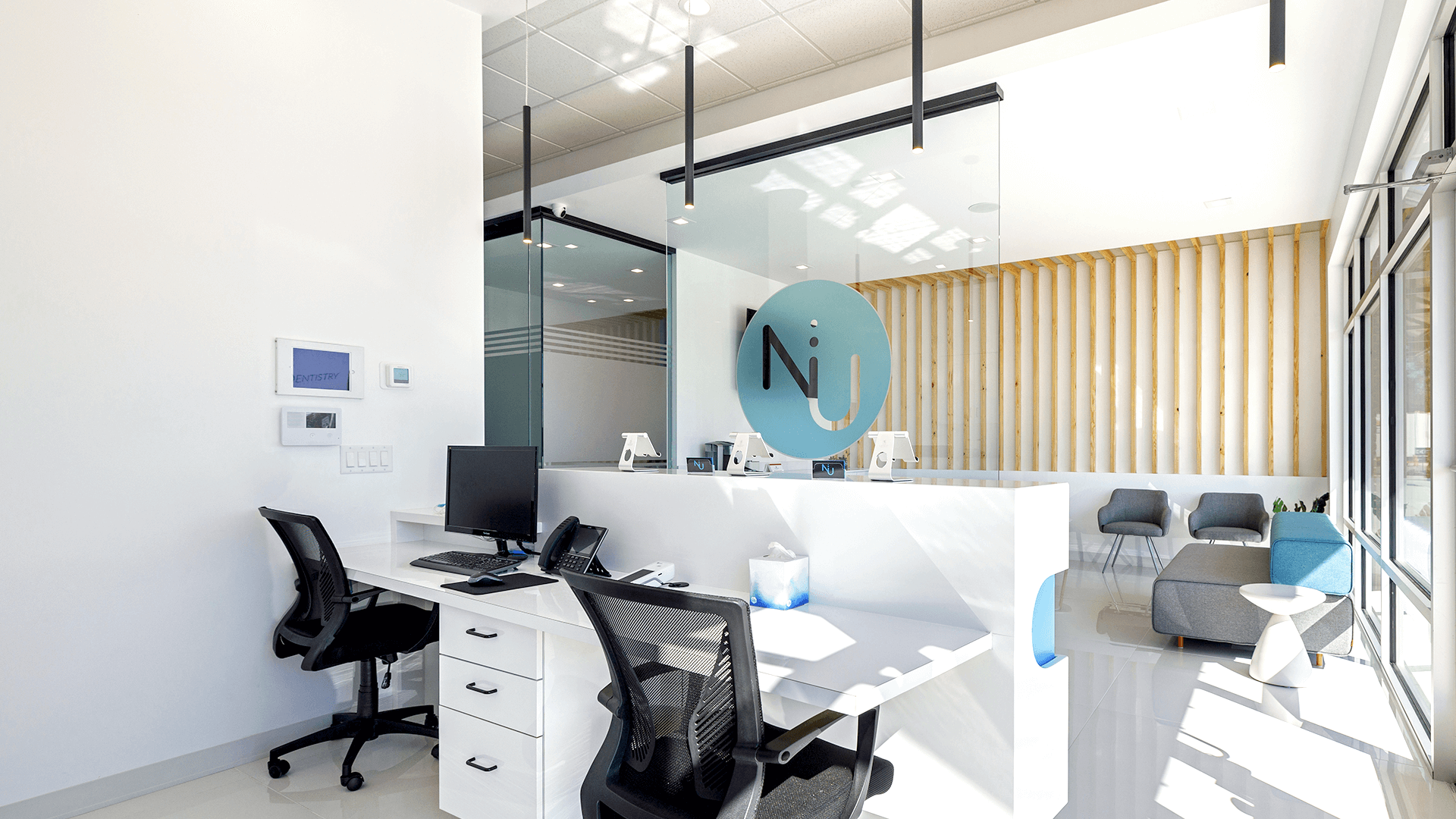
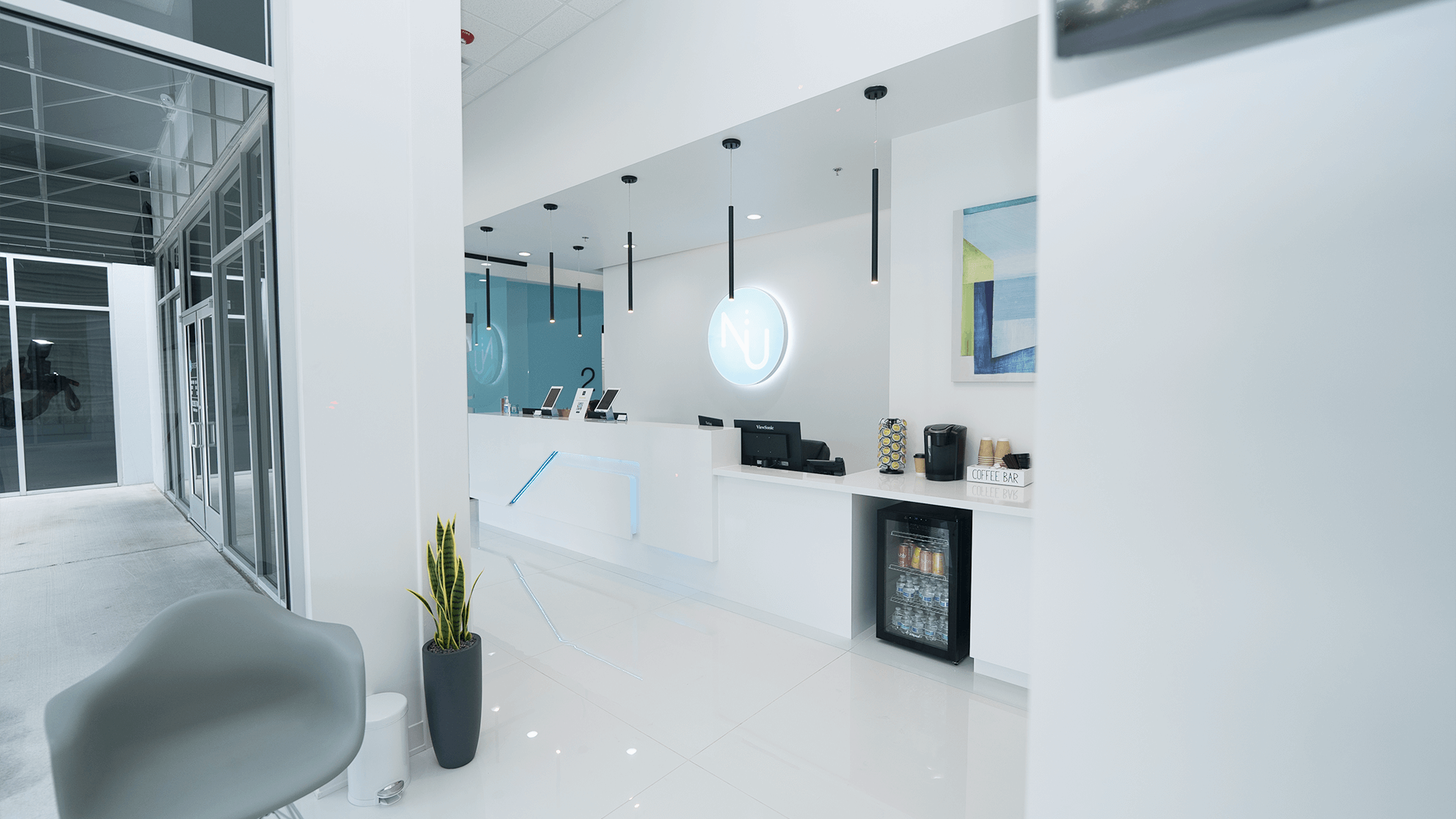
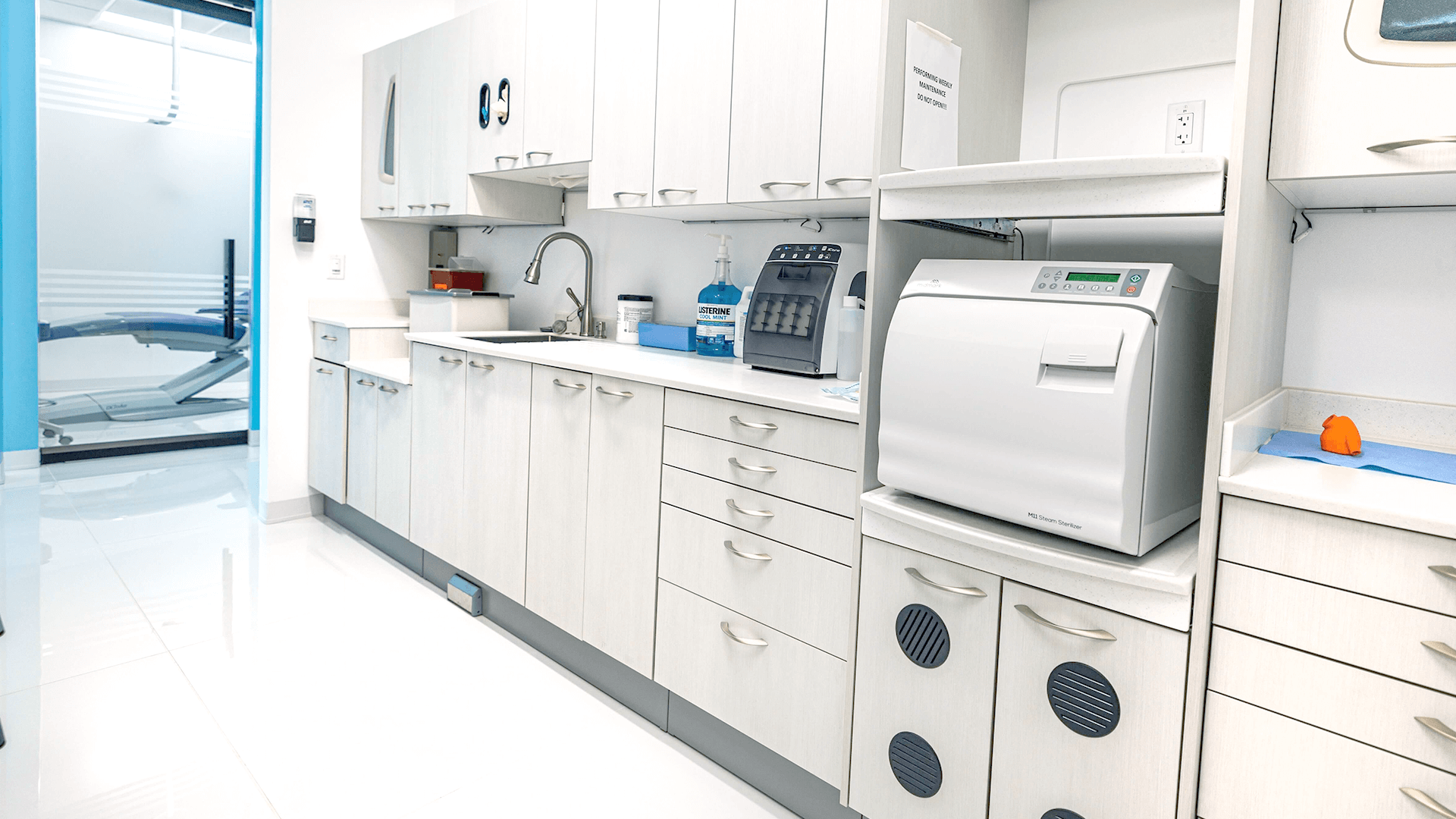
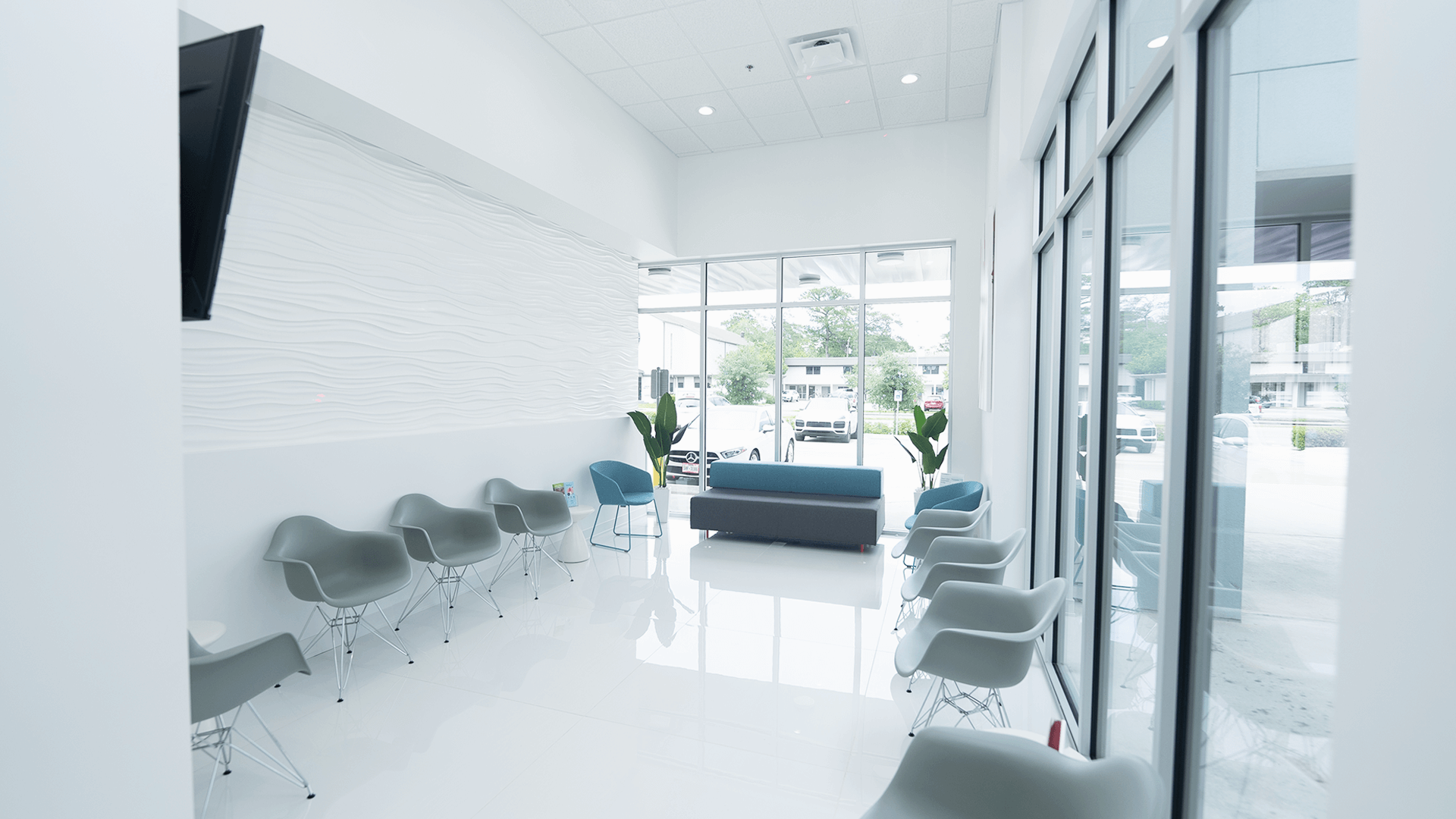
See what a visit to our modern, state-of-the-art dentist office is like!

Monday 9am - 6pm
Wednesday 9am - 6pm
Friday 9am - 6pm
Saturday 9am - 3pm
Check out what our patients are saying in Houston, TX


“Never Thought I'd Say It”
I never thought I’d say it, but going to the dentist is actually fun now. I recently came in for a root canal, and I got to sit back and catch up on Stranger Things without any pain!

“Anxiety Has Kept Me Away ”
I usually have such huge anxiety when I go to a dentist appointment, which means I always put off visits until the last minute to disastrous consequences. However, Dr. Loggins helped me with sedation, so the entire process was a breeze!

“The Best Dentist In Houston, TX”
We have been looking for a family dentist for a long time, we have tried a bunch of places but nothing felt quite like home. Not too long ago we stumbled upon Nu Dentistry and met Dr. Ali. Not only was he professional, kind, and gentle, but he always finds a way to fit us in when we need an appointment. He’s also pretty funny! I appreciate that he takes the time to explain what he’s doing, before he does it. That really puts me at ease.
“Never Thought I'd Say It”
I never thought I’d say it, but going to the dentist is actually fun now. I recently came in for a root canal, and I got to sit back and catch up on Stranger Things without any pain!
“Anxiety Has Kept Me Away ”
I usually have such huge anxiety when I go to a dentist appointment, which means I always put off visits until the last minute to disastrous consequences. However, Dr. Loggins helped me with sedation, so the entire process was a breeze!
We are proud members of these dental organizations and accreditations








We are dedicated to providing you with only the best quality dental care