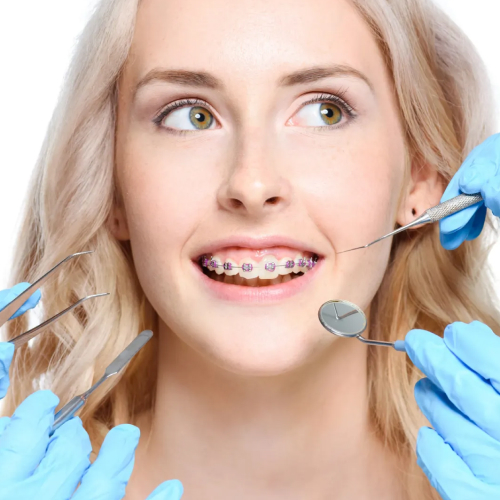
Ceramic vs. Metal Braces: Which One Actually Hurts More?
Wondering if ceramic or metal braces hurt more? Compare discomfort levels, pros, and cons to find the best fit. Schedule your orthodontic visit today!
Read More
Medically Reviewed by Dr. Ali Tameemi
Metal and ceramic braces both straighten teeth using the same core mechanics, but they differ significantly in how they feel during adjustments, emergencies, and removal. Understanding those differences helps you choose the option that fits your lifestyle and pain tolerance. If you're still weighing your options, exploring dental braces in detail can help you make a more informed decision.
For Houston-area patients, most braces comparisons focus on adjustment soreness. Almost none mention what happens when the brackets come off — and that gap matters.
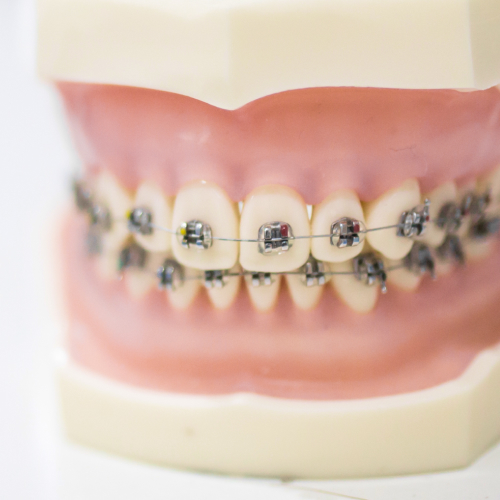
Metal brackets are designed to debond cleanly. An orthodontist applies a quick, controlled squeeze, and the bracket pops off the tooth with minimal force. The process is fast and the sensation is brief pressure, nothing more.
Ceramic brackets behave differently. Because the ceramic material bonds more aggressively to enamel and doesn't flex the way metal does, the force required to fracture and release a ceramic bracket is significantly higher. Patients often describe a sharp pulling sensation as each bracket is worked free. After removal, small ceramic fragments can remain fused to the enamel surface, requiring rotary polishing to grind them away — an extra step that adds time and a grinding vibration most people find unpleasant.
According to WebMD, ceramic brackets are made from aluminum oxide rated 9 out of 10 on the Mohs hardness scale — just under diamonds. That extreme hardness is what makes them so resistant to everyday wear, but it's also why removing them demands more mechanical effort than removing softer metal brackets.
If you're someone who already dreads dental appointments, that debonding appointment is worth factoring into your decision well before treatment begins.
Bracket emergencies feel very different depending on the material involved.
When a metal bracket fails, it almost always pops off the tooth in one piece and floats loosely on the archwire. It causes mild irritation — maybe some wire poking — but the edges remain smooth. Rebonding is straightforward. If you experience a broken bracket or sharp wire causing pain, that qualifies as a dental emergency that warrants prompt attention.
Ceramic bracket failures are a different experience entirely. Because ceramic is brittle, it doesn't pop off cleanly. It shatters. The resulting fragments have sharp, jagged edges that can lacerate the inner lips and tongue before you even realize something broke. Repairing the emergency is also more involved: any remaining ceramic shards bonded to the tooth surface must be carefully ground down before a new bracket can be placed.
A Healthline overview of ceramic braces confirms ceramic brackets are more than twice as likely to fracture compared to metal ones. That higher fracture rate means a higher probability of encountering this specific type of soft-tissue discomfort during your treatment window.
Both brace types move teeth through the same biological process — sustained, gentle pressure that prompts bone remodeling over time. The soreness after adjustment appointments is a normal part of that process for either material.
What most articles skip is the physics of how the wire interacts with the bracket slot. Metal-on-metal contact creates relatively low friction, allowing teeth to slide along the archwire smoothly after each adjustment. Ceramic bracket slots create higher surface friction against stainless steel archwires — a phenomenon orthodontists call slot resistance or binding.
Higher friction means teeth have to work harder to move. Orthodontists sometimes compensate by applying greater initial force to overcome that resistance. The result: post-adjustment aching that can feel more persistent with ceramic braces than with metal ones, even when the same amount of tooth movement is planned.
Healthline's guide to straightening teeth notes that ceramic braces use the same archwire-and-bracket mechanics as metal — but that shared framework doesn't mean identical day-to-day comfort when the materials interacting with that wire are fundamentally different. Patients who prefer a removable alternative may want to consider Invisalign, which eliminates archwire friction entirely.
Given the breakage profile and debonding experience above, it might seem like ceramic is always the harder road. But metal braces carry their own discomfort considerations — and some genuine advantages.
Metal brackets are bulkier in a way that can irritate the inner cheeks, especially during the first few weeks. Wax helps, but the adjustment period is real. Metal also draws more visual attention, which for some patients creates social self-consciousness that affects confidence throughout treatment. Some patients in this situation explore aesthetic dentistry options to address appearance-related concerns alongside their orthodontic care.
That said, metal braces offer greater durability, smoother debonding, and faster tooth movement due to lower archwire friction. According to ADA News, orthodontists nationwide are seeing renewed patient interest in traditional metal braces — partly driven by social media trends, and partly because patients recognize that metal gives orthodontists greater control and precision for complex cases.
For severe misalignment or bite correction, that precision can mean a shorter overall treatment time, which ultimately means less cumulative discomfort across the full course of care. Maintaining good oral health throughout treatment — including regular cleaning and exam appointments — is essential regardless of which brace type you choose.
Choosing between ceramic and metal braces isn't just about aesthetics — it's about understanding the full treatment experience, from your first adjustment to your final debonding appointment.
Nu Dentistry Garden Oaks serves patients throughout Houston and the Garden Oaks area. Our team can walk you through both options based on your specific bite, lifestyle, and comfort priorities. If your case involves more than alignment — such as decay or damage that needs addressing first — we also offer cavity fillings and other restorative care to ensure your teeth are treatment-ready. Schedule a consultation and get the clarity you need before committing to a treatment plan.
Medical disclaimer: This article is for informational purposes only and does not constitute professional dental or medical advice. Always consult a licensed dental provider for guidance specific to your oral health needs.
Fresh news from the dental world

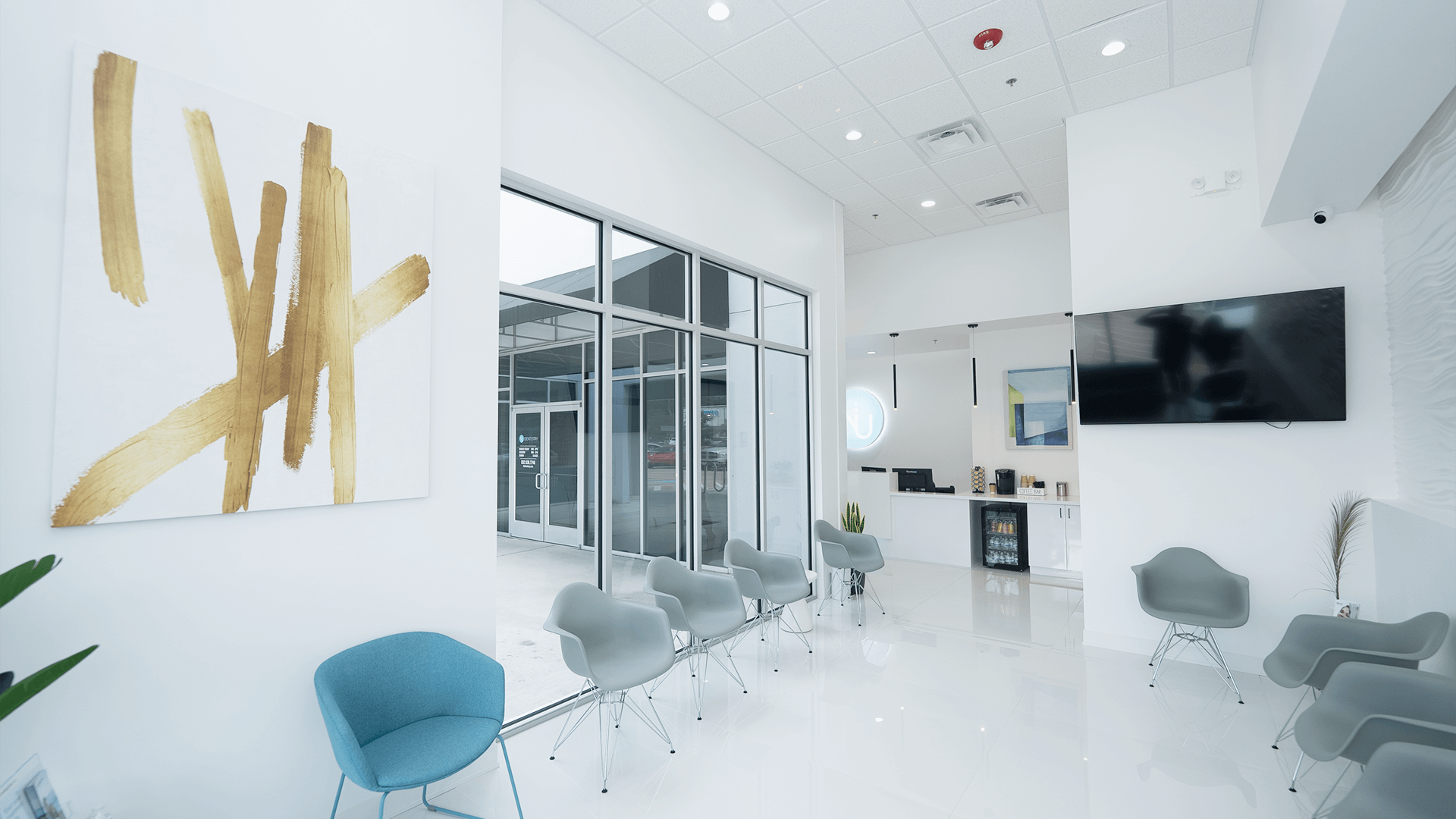
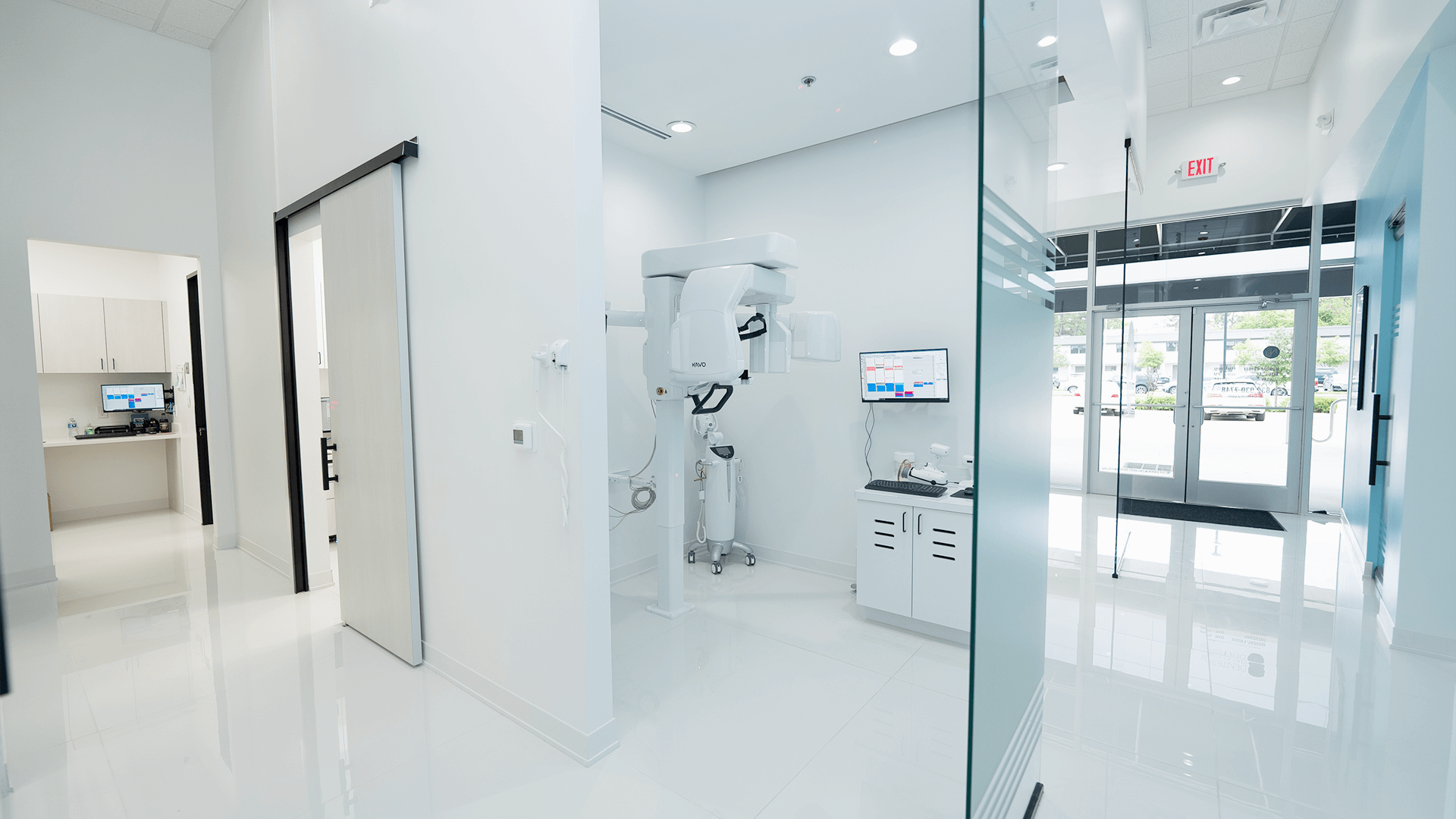
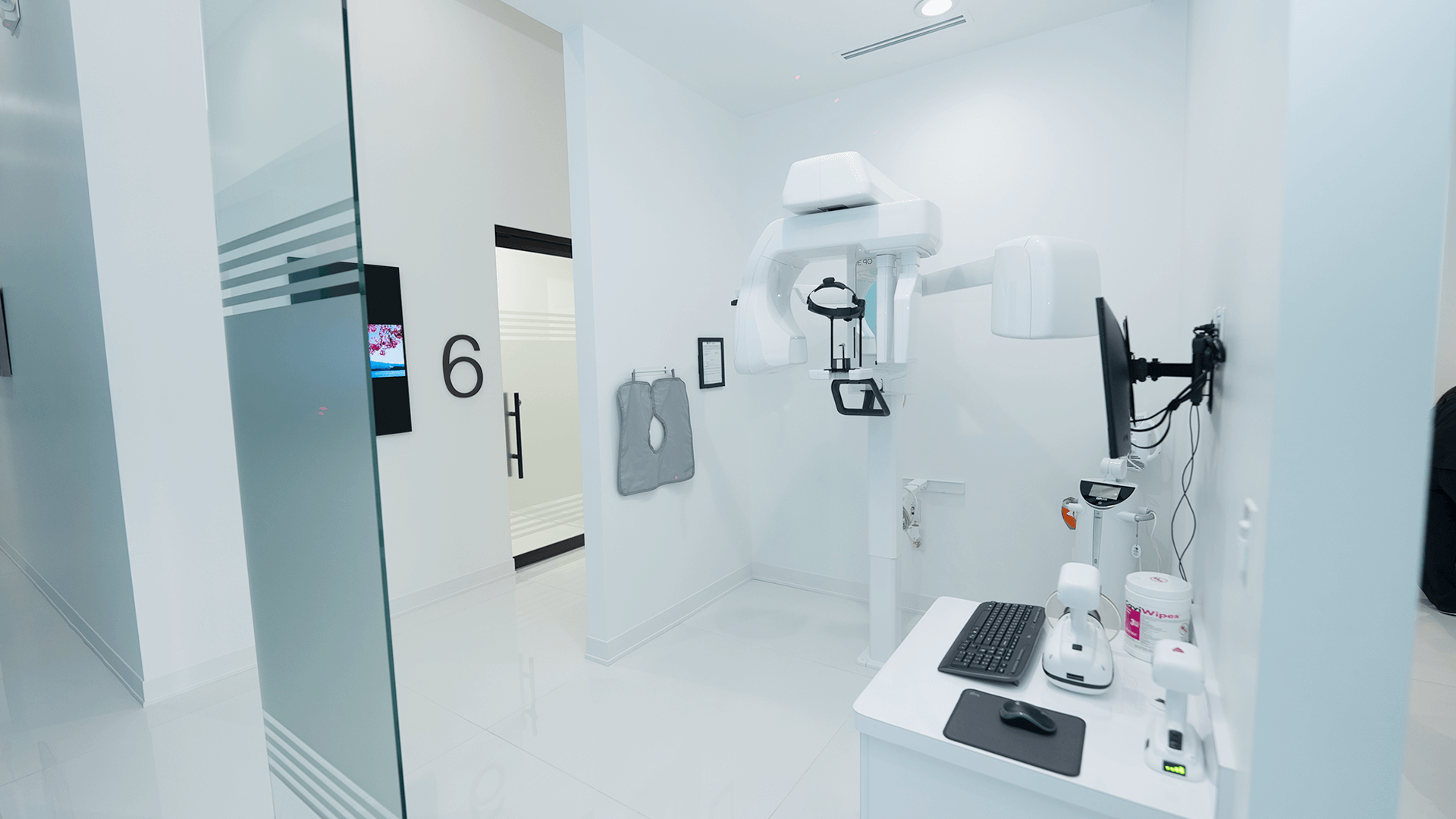
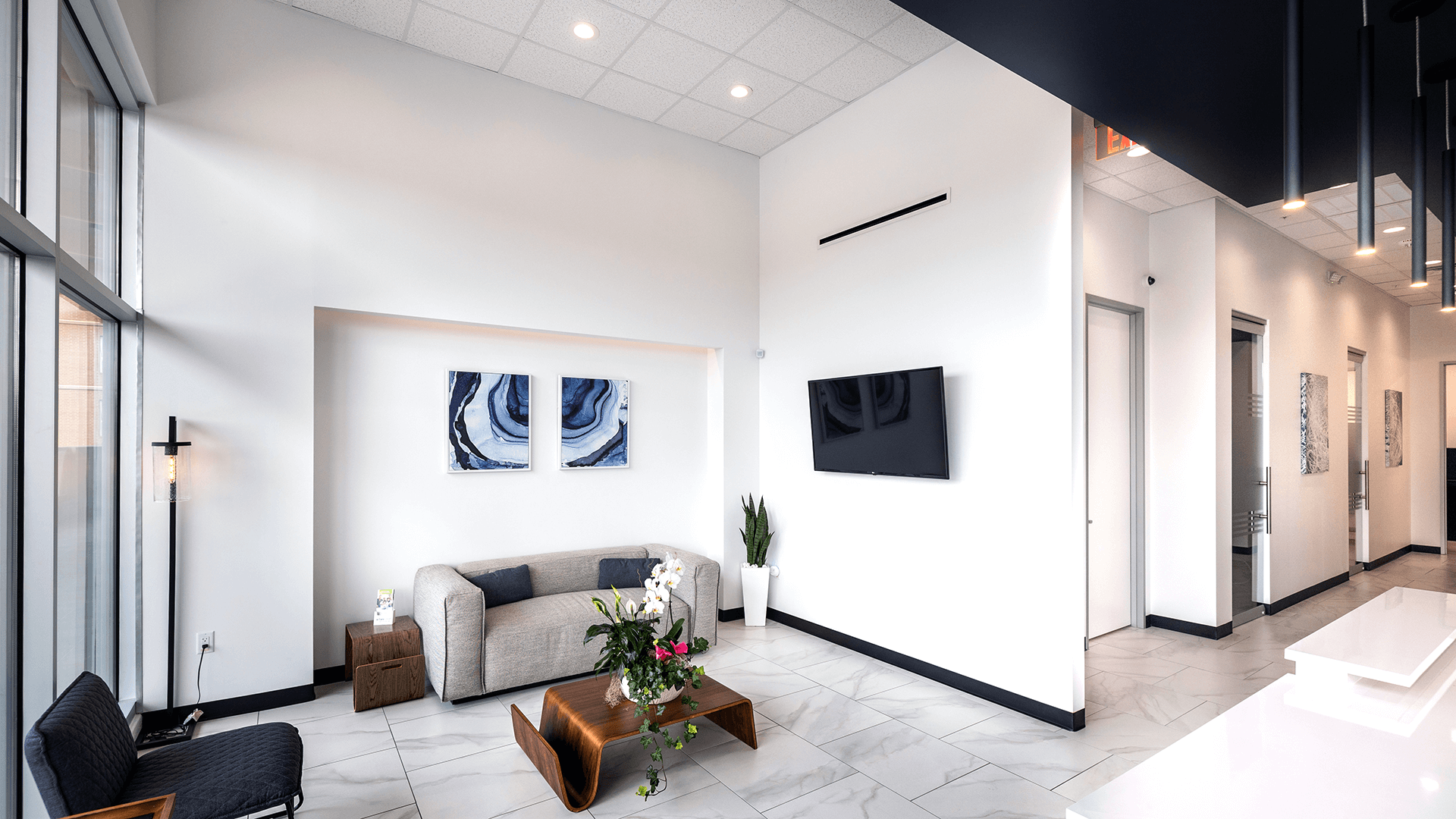
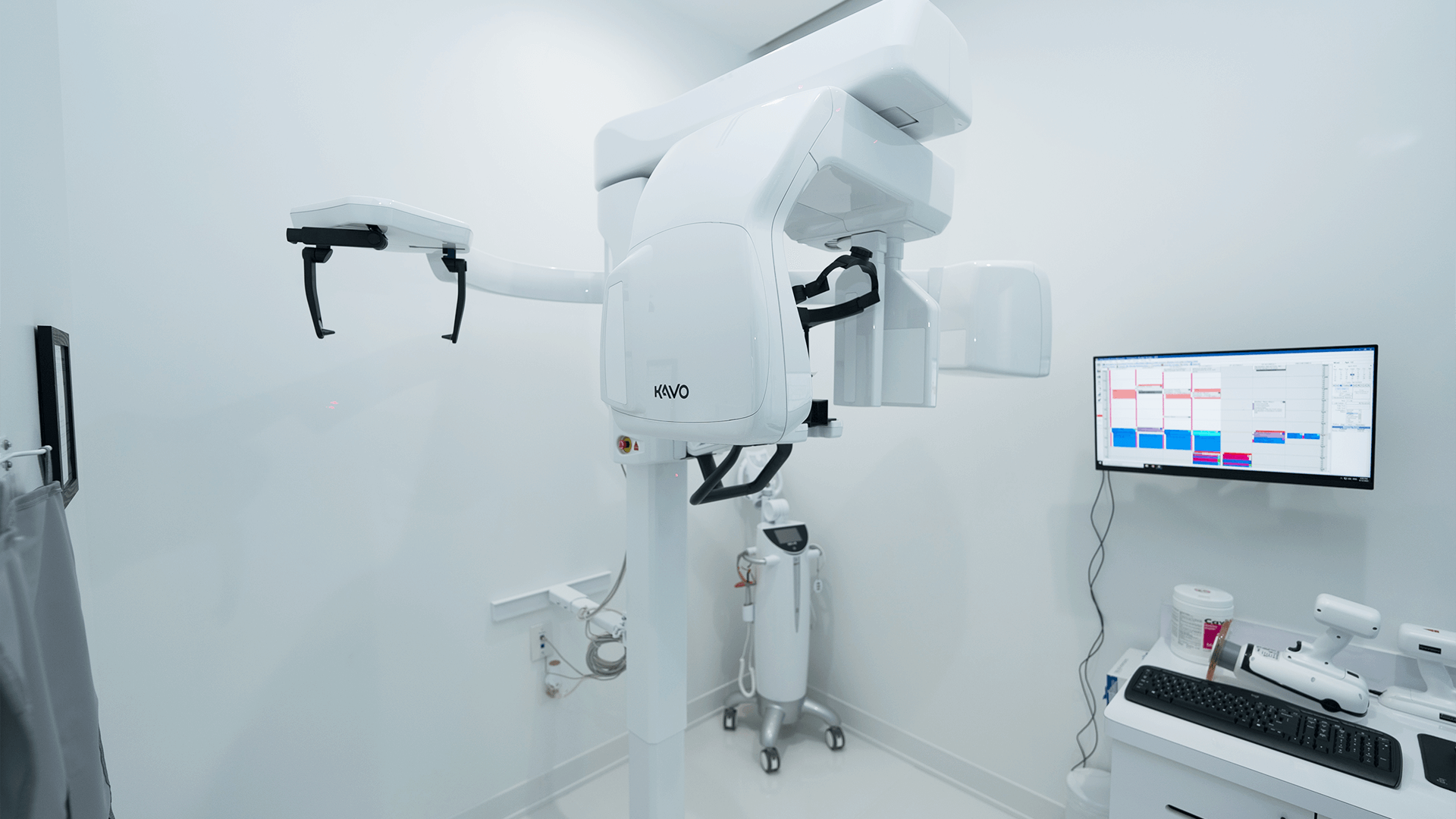
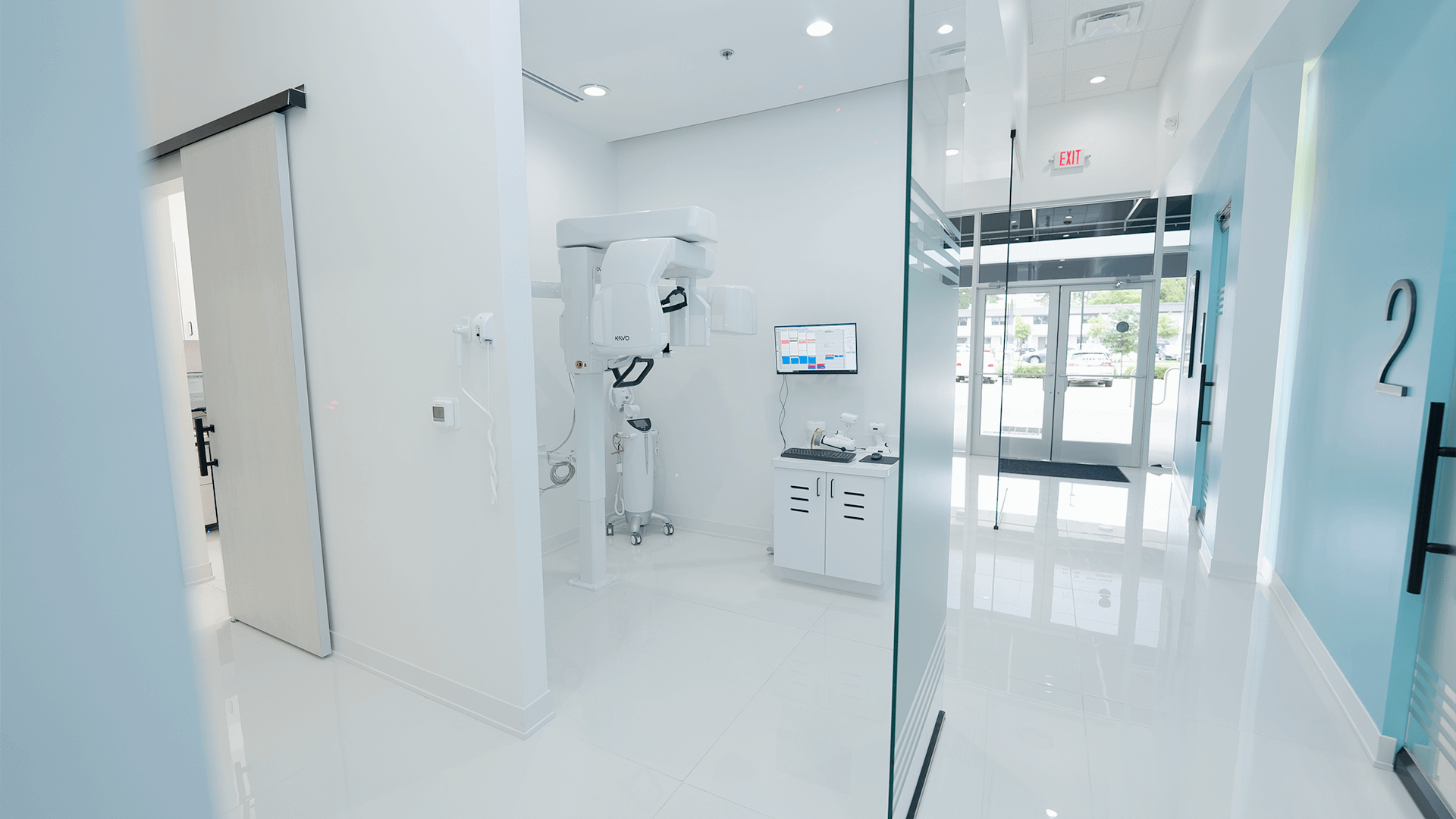
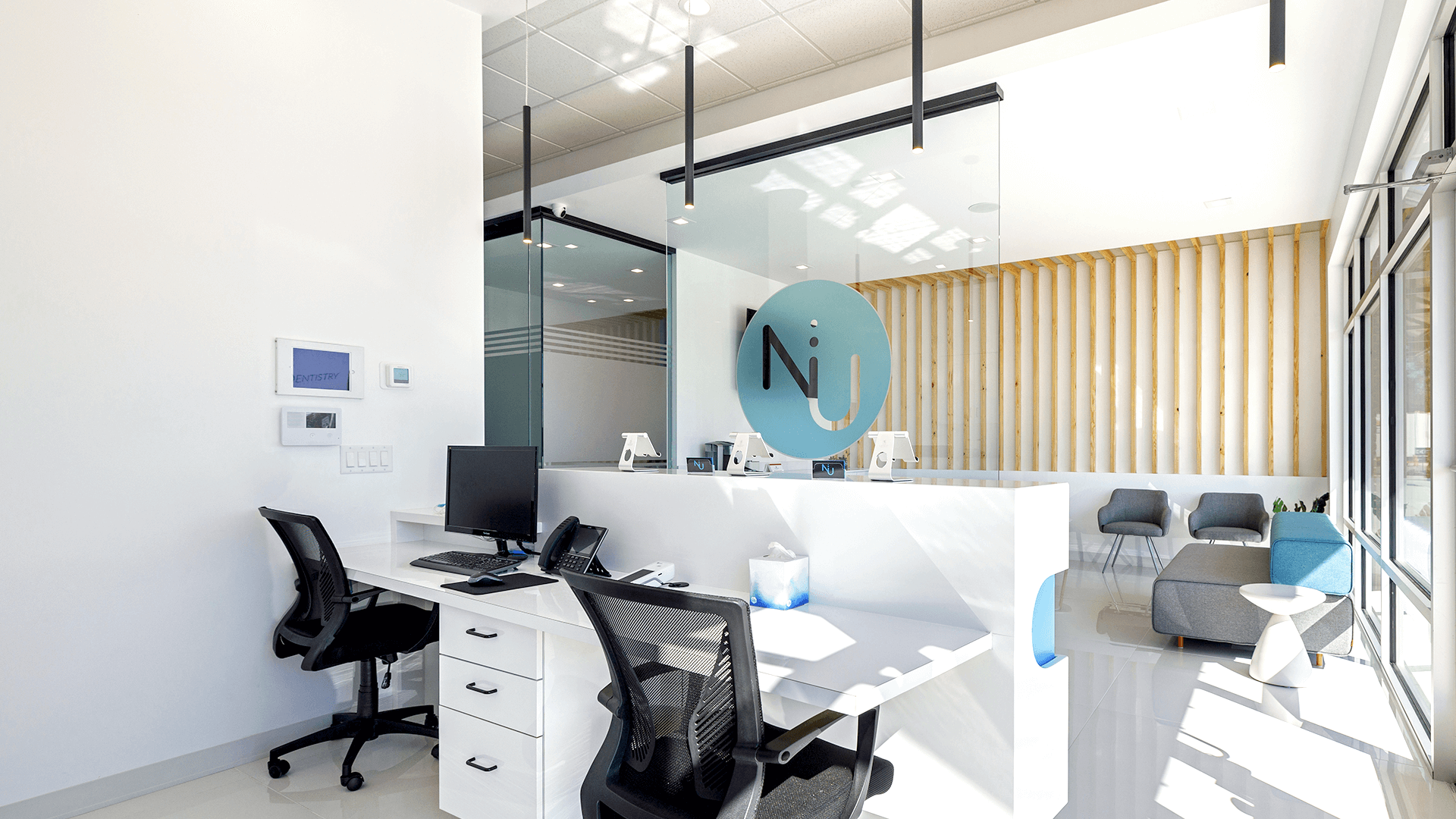
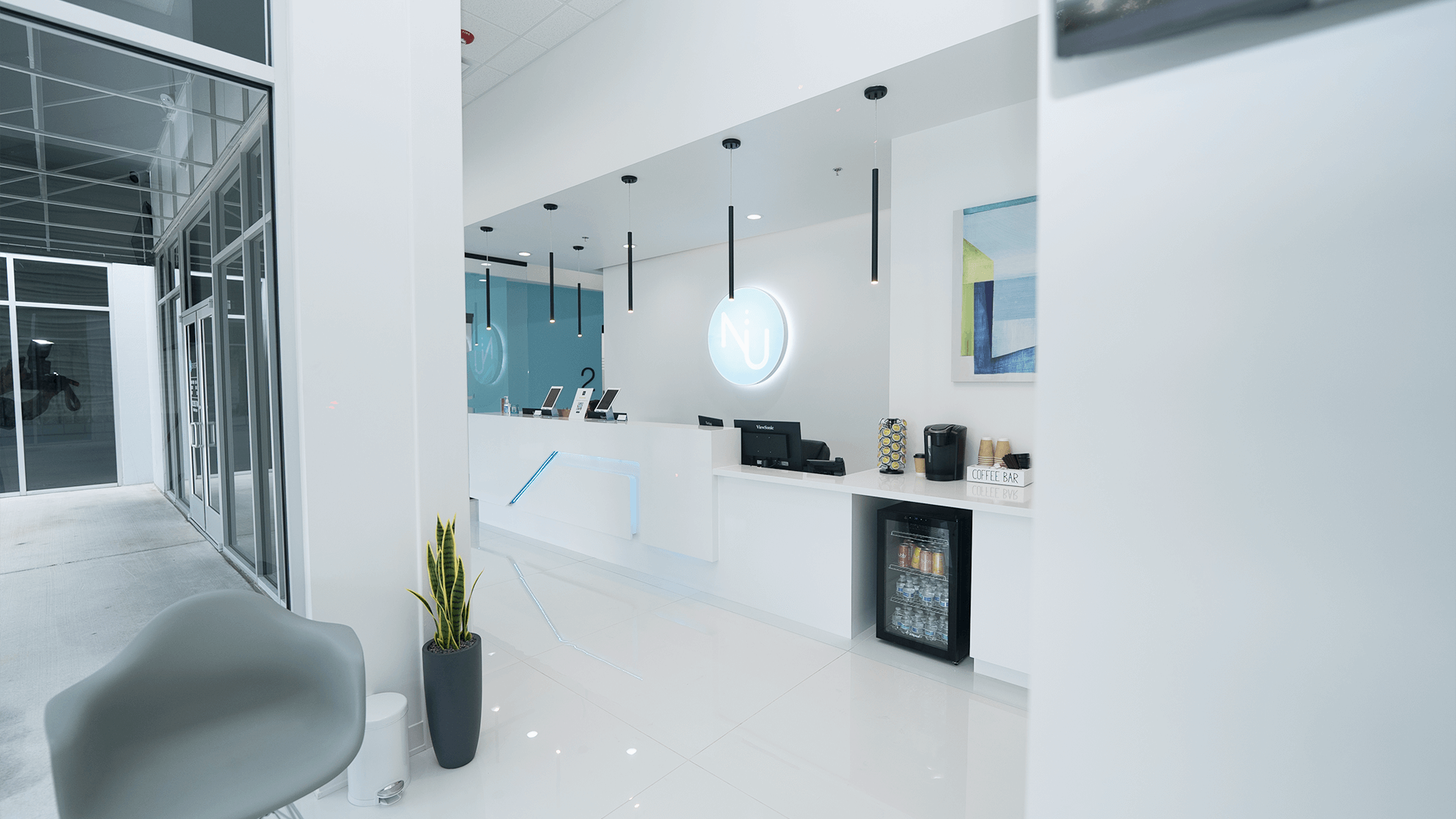
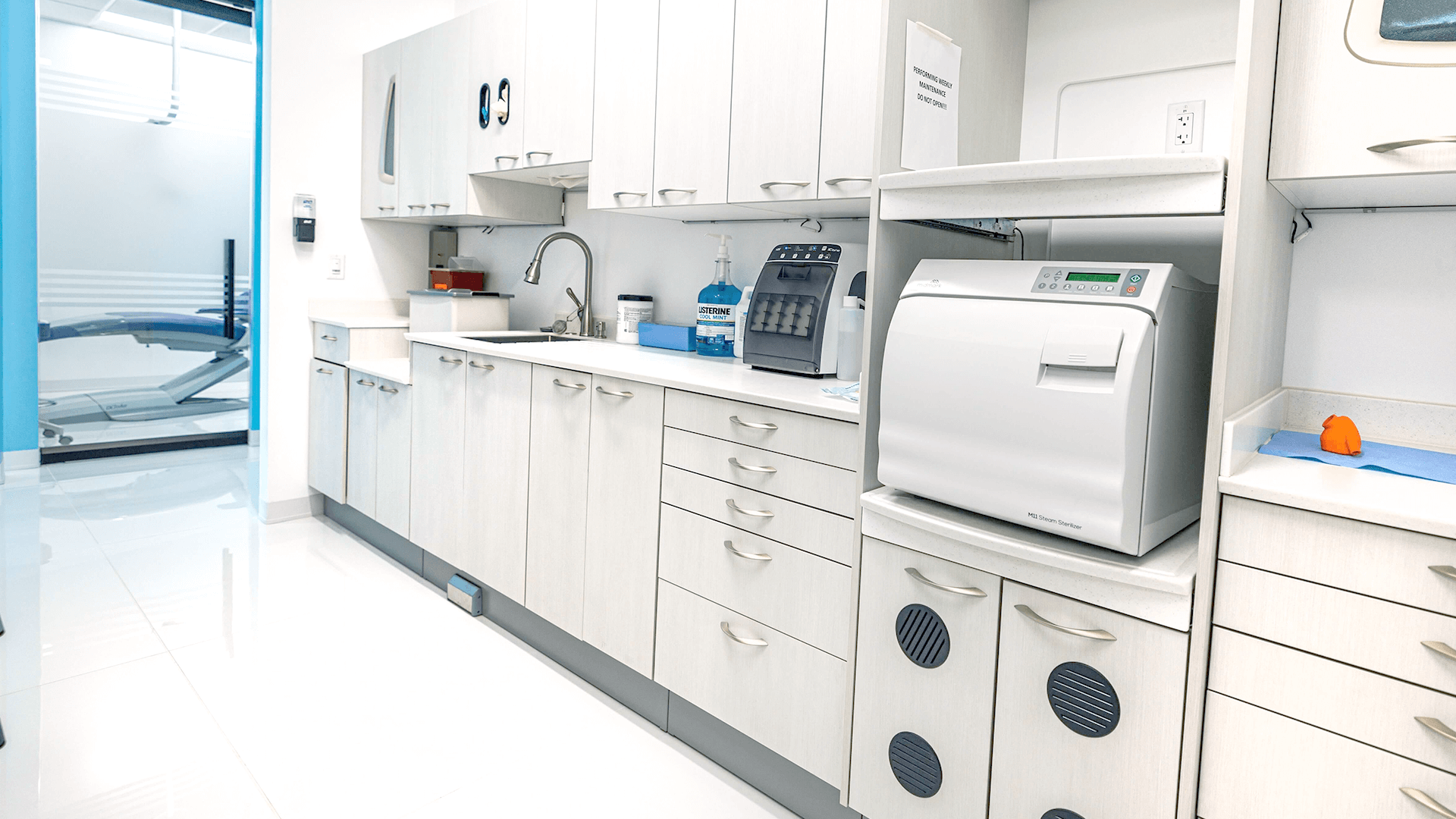
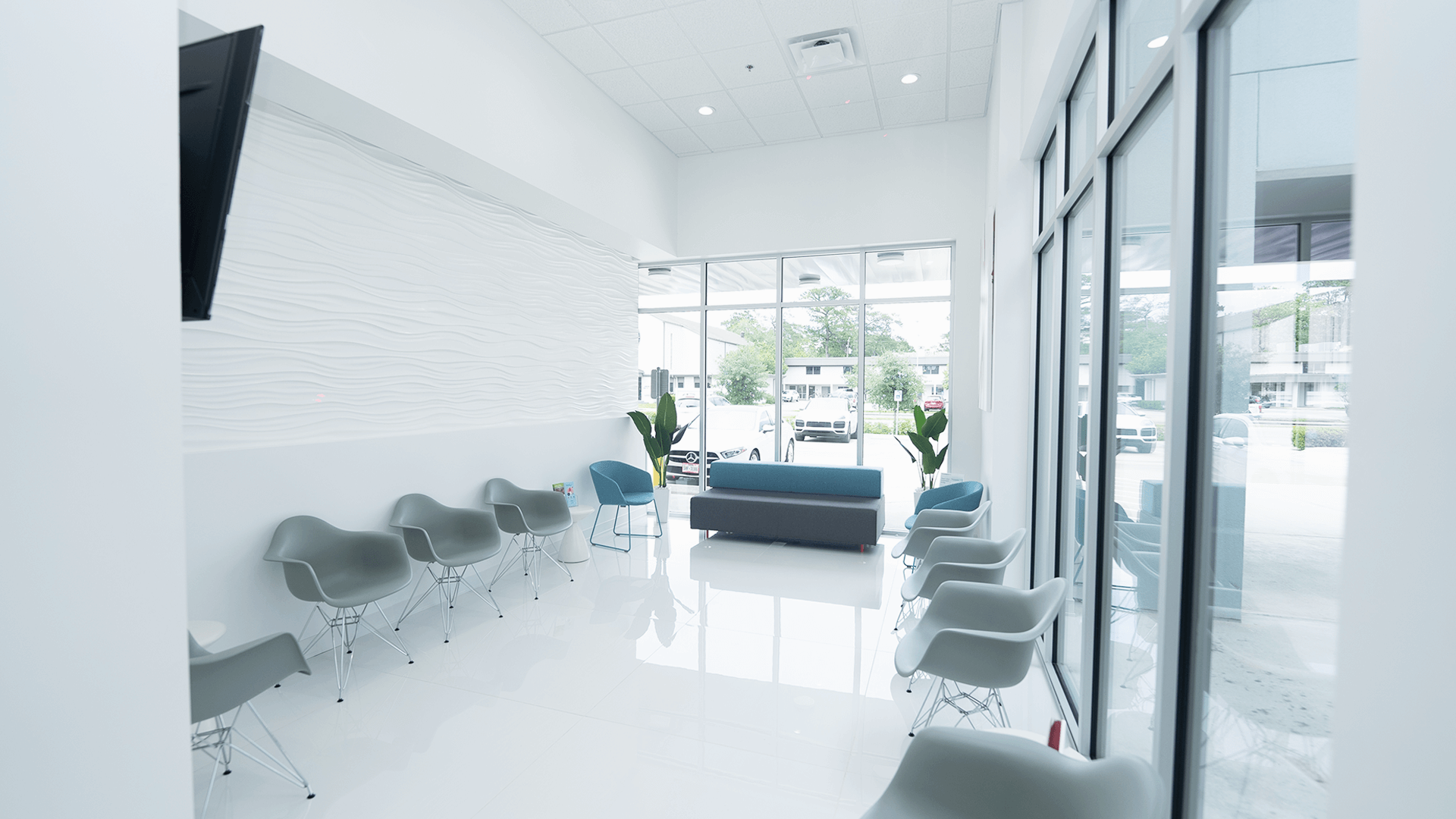
See what a visit to our modern, state-of-the-art dentist office is like!





Monday 9am - 6pm
Wednesday 9am - 6pm
Friday 9am - 6pm
Saturday 9am - 3pm
Check out what our patients are saying in Houston, TX


“Never Thought I'd Say It”
I never thought I’d say it, but going to the dentist is actually fun now. I recently came in for a root canal, and I got to sit back and catch up on Stranger Things without any pain!

“Anxiety Has Kept Me Away ”
I usually have such huge anxiety when I go to a dentist appointment, which means I always put off visits until the last minute to disastrous consequences. However, Dr. Loggins helped me with sedation, so the entire process was a breeze!

“The Best Dentist In Houston, TX”
We have been looking for a family dentist for a long time, we have tried a bunch of places but nothing felt quite like home. Not too long ago we stumbled upon Nu Dentistry and met Dr. Ali. Not only was he professional, kind, and gentle, but he always finds a way to fit us in when we need an appointment. He’s also pretty funny! I appreciate that he takes the time to explain what he’s doing, before he does it. That really puts me at ease.
“Never Thought I'd Say It”
I never thought I’d say it, but going to the dentist is actually fun now. I recently came in for a root canal, and I got to sit back and catch up on Stranger Things without any pain!
“Anxiety Has Kept Me Away ”
I usually have such huge anxiety when I go to a dentist appointment, which means I always put off visits until the last minute to disastrous consequences. However, Dr. Loggins helped me with sedation, so the entire process was a breeze!
We are proud members of these dental organizations and accreditations








We are dedicated to providing you with only the best quality dental care