Front Tooth Fillings, Chips, and Bonding: What Actually Works
Can front tooth fillings or dental bonding fix a chipped tooth? Discover the best ways to restore your smile at Nu Dentistry Garden Oaks. Schedule a visit today!
Read More
Medically Reviewed by Dr. Ali Tameemi
Not everyone wants their orthodontic treatment to be the first thing people notice. Some people love the look of braces and wear them confidently. Others would rather keep their treatment a little more private. That is exactly why lingual braces appeal to so many adults and older teens.
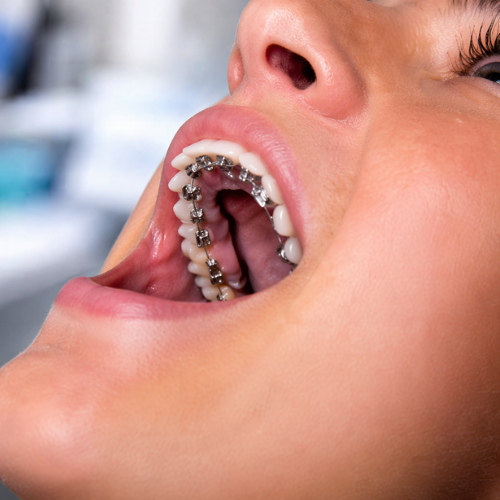
Lingual braces work much like traditional braces, but with one major difference: they are placed behind the teeth instead of in front. That means they stay hidden from view while still helping correct bite issues, spacing problems, crowding, and misalignment.
For patients who want the strength of braces without the more visible appearance, lingual braces can feel like a smart middle ground. They are not the right fit for every case, but for the right person, they can be a very attractive option. At Nu Dentistry Garden Oaks, treatment always starts with looking at your smile, your bite, your goals, and your daily lifestyle so the recommendation actually makes sense for you.
Lingual braces are orthodontic braces attached to the back surfaces of the teeth instead of the front. They use brackets and wires to apply gentle, steady pressure over time, moving teeth into better alignment. The science behind them is not dramatically different from traditional braces. The main distinction is where they sit.
Because they are placed on the tongue side of the teeth, lingual braces are much less noticeable when you talk, smile, or laugh. For professionals, public-facing workers, and anyone who simply wants a more discreet treatment option, that can be a big advantage.
Lingual braces can help treat:
The process usually begins with a consultation, exam, and digital imaging. From there, your dentist or orthodontic provider determines whether lingual braces are a good match for your teeth and bite. Since the inside surfaces of teeth are shaped differently than the front, placement requires careful planning and precision.
Once the braces are on, the wires are adjusted over time to guide movement. As with any orthodontic system, progress happens gradually. Teeth do not shift overnight, but with consistency and proper follow-up, lingual braces can create impressive changes.
One thing patients should know upfront is that lingual braces are not simply regular braces flipped around. They require a different level of customization and technique. That is part of why they tend to feel more specialized.
That depends on what “better” means to you.
If your top priority is keeping orthodontic treatment out of sight, lingual braces may feel better than traditional braces right away. They offer the effectiveness of braces while giving you a more discreet appearance. For many adults, that is the whole point.
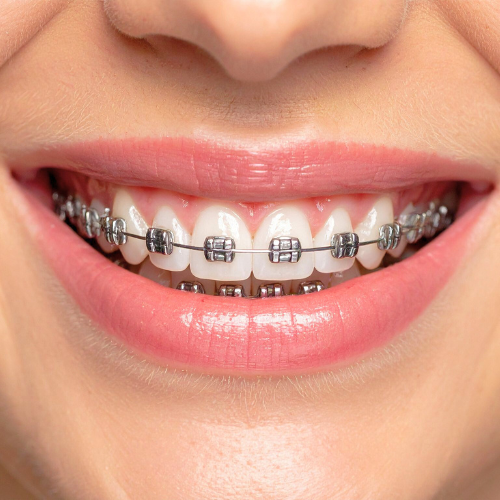
But no orthodontic option is universally best. Every treatment comes with trade-offs. Traditional braces are often easier to clean around, easier to adjust, and sometimes more comfortable in the early stages. Lingual braces, on the other hand, offer privacy that front-facing braces cannot.
Lingual braces may be a strong option if you:
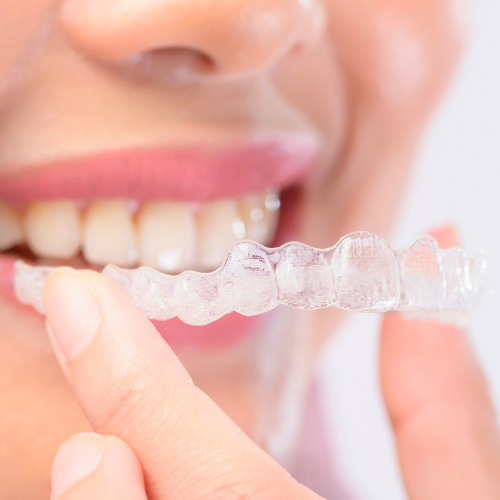
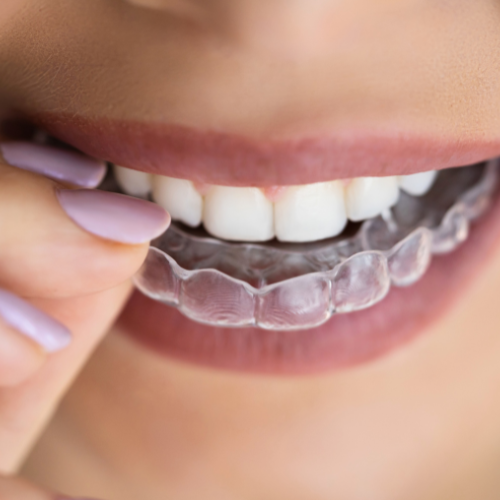
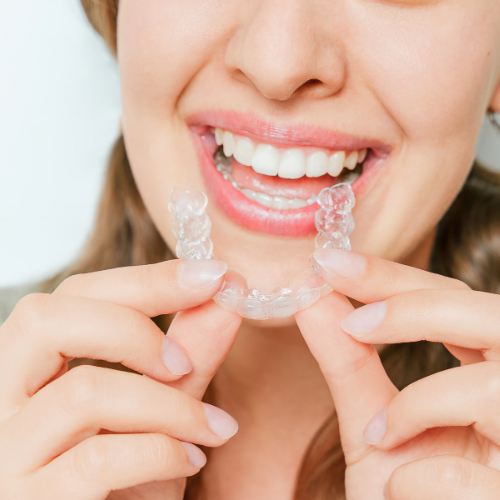
That said, traditional braces can still be the better choice for some patients. Certain tooth shapes, bite patterns, or treatment goals may make front-facing braces more practical. In some cases, clear aligners may also be worth considering.
What matters most is not choosing the trendiest option. It is choosing the one that fits your teeth and your life.
A patient who wants discreet treatment but struggles with irritation on the tongue might not love lingual braces. Another patient who wants hidden treatment and does not want to deal with removable aligners might think they are perfect. That is why a real consultation matters. The right treatment plan should be personal, not generic.
They can be uncomfortable at first, yes. But that does not mean the discomfort lasts forever.
Most patients go through an adjustment period when lingual braces are placed. Since the brackets sit close to the tongue, it is normal to notice rubbing, tongue irritation, or changes in speech during the early days or weeks. Some people develop a slight lisp at first. Others just feel like there is something unfamiliar in the way.
The good news is that the mouth usually adapts. With time, many patients find that speaking becomes easier and the irritation settles down.
Common early issues with lingual braces include:
There are practical ways to make the transition easier. Orthodontic wax can help reduce irritation. Softer foods can make the first several days more manageable. Staying on top of oral hygiene also helps, since food can get trapped around the brackets and wires.
It is important to separate temporary adjustment discomfort from a real problem. Feeling pressure after an adjustment is normal. Feeling some friction against the tongue can also be normal at first. But sharp pain, broken hardware, or persistent irritation should be checked.
Patients often ask whether lingual braces are more uncomfortable than traditional braces. In many cases, they can feel more awkward early on because of where they sit. Traditional braces usually affect the cheeks and lips more, while lingual braces tend to affect the tongue. It is really a question of where the adjustment happens.
For the right patient, the hidden placement is worth that early learning curve.
Lingual braces can fit into everyday life well, but they do ask for a bit of patience. Eating may feel different at first. Speaking may take some getting used to. Cleaning your teeth may need a little more attention and time.
Still, most patients settle into a routine.
You may find yourself becoming more aware of your oral habits, which is not always a bad thing. You might chew more carefully. You might brush more thoroughly. You may even become more consistent with dental visits because you know the treatment works best when everything stays on track.
That is part of the bigger picture with orthodontics. Straightening teeth is not just about appearance. It can also support better bite function, easier cleaning, and improved long-term oral health.
Lingual braces are not for everyone, but they can be a great option for patients who want a straighter smile without drawing attention to the process. They offer the strength and control of braces while staying mostly out of sight, which can be a major plus for adults and teens who want a lower-profile treatment.
The best way to know whether lingual braces are right for you is to have your teeth and bite evaluated by a dental team that takes time to understand your goals. At Nu Dentistry Garden Oaks, we can help you explore your options and find the treatment that makes the most sense for your smile, comfort, and lifestyle.
If you have been thinking about straightening your teeth but have hesitated because of how braces look, schedule an appointment with Nu Dentistry Garden Oaks and come talk with us about whether lingual braces could be the right fit for you.
Fresh news from the dental world
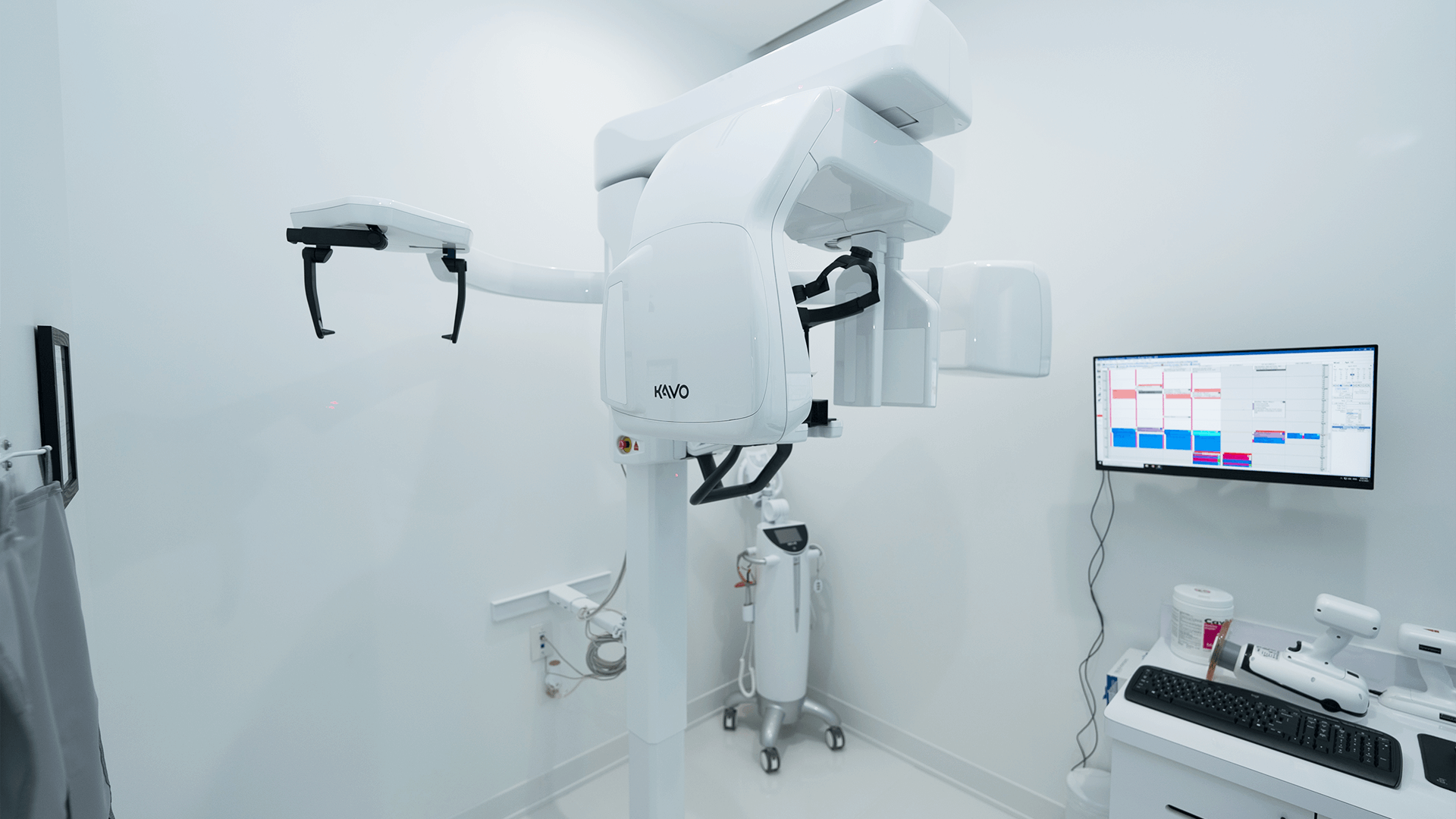
See what a visit to our modern, state-of-the-art dentist office is like!























Monday 9am - 6pm
Wednesday 9am - 6pm
Friday 9am - 6pm
Saturday 9am - 3pm
Check out what our patients are saying in Houston, TX


“Never Thought I'd Say It”
I never thought I’d say it, but going to the dentist is actually fun now. I recently came in for a root canal, and I got to sit back and catch up on Stranger Things without any pain!

“Anxiety Has Kept Me Away ”
I usually have such huge anxiety when I go to a dentist appointment, which means I always put off visits until the last minute to disastrous consequences. However, Dr. Loggins helped me with sedation, so the entire process was a breeze!

“The Best Dentist In Houston, TX”
We have been looking for a family dentist for a long time, we have tried a bunch of places but nothing felt quite like home. Not too long ago we stumbled upon Nu Dentistry and met Dr. Ali. Not only was he professional, kind, and gentle, but he always finds a way to fit us in when we need an appointment. He’s also pretty funny! I appreciate that he takes the time to explain what he’s doing, before he does it. That really puts me at ease.
“Never Thought I'd Say It”
I never thought I’d say it, but going to the dentist is actually fun now. I recently came in for a root canal, and I got to sit back and catch up on Stranger Things without any pain!
“Anxiety Has Kept Me Away ”
I usually have such huge anxiety when I go to a dentist appointment, which means I always put off visits until the last minute to disastrous consequences. However, Dr. Loggins helped me with sedation, so the entire process was a breeze!
We are proud members of these dental organizations and accreditations








We are dedicated to providing you with only the best quality dental care