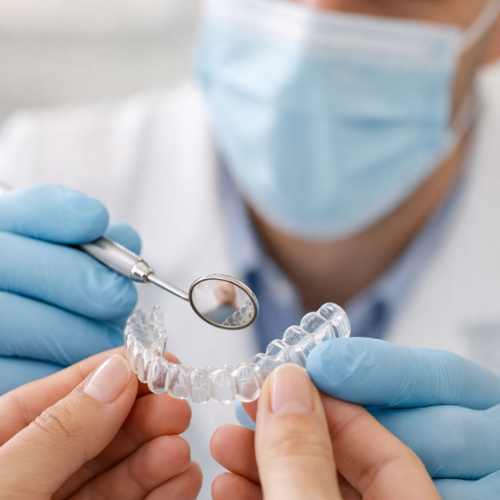
Why Your Invisalign Trays Aren't Fitting — and What to Do About It
Invisalign trays not fitting right in Houston? Learn about gaps, tracking, and refinements from Nu Dentistry Garden Oaks. Get answers today.
Read More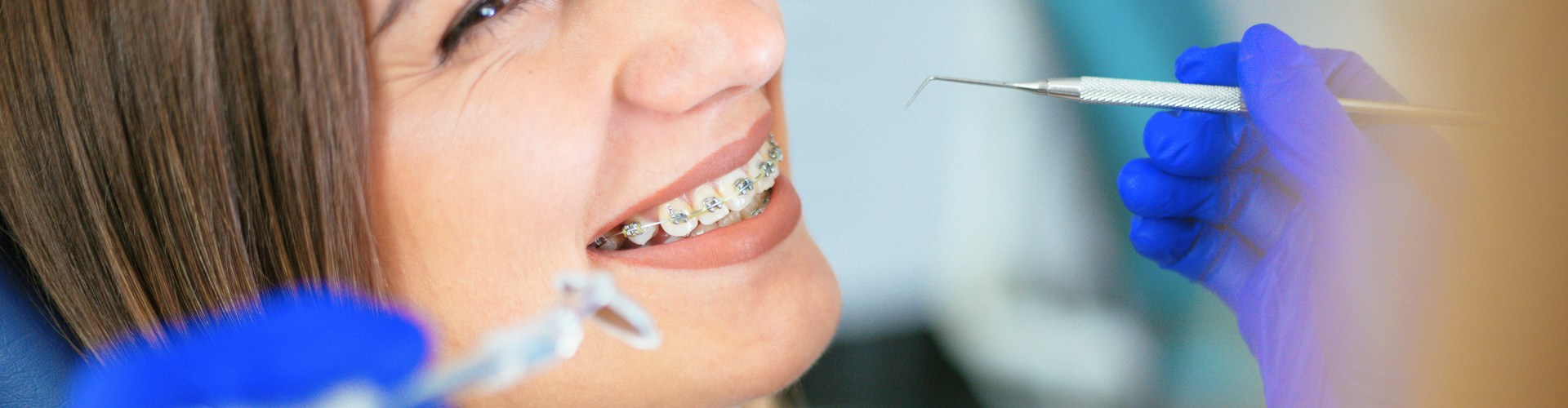
If you have ever caught yourself hiding your teeth in photos, laughing with your lips pressed together, or wondering if your bite is slowly getting worse, you are not alone. Most people do not wake up one day and decide, “I want braces.” They usually get to a point where they think, I’m tired of overthinking my smile.
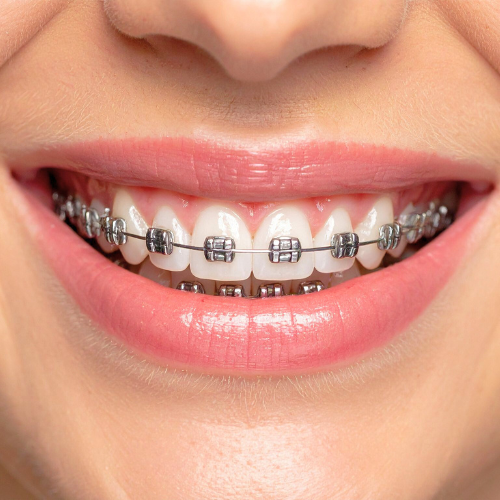
Braces are one of those decisions that can feel big and personal at the same time. You are not only changing how your teeth look. You are improving how they fit together, how they function, and often how easy they are to keep clean long term. And yes, the cosmetic change is real. But the best part is usually the quiet confidence that shows up later. The kind where you stop checking angles and just smile.
At Nu Dentistry Garden Oaks, we see braces as more than straight teeth. They are a practical, structured way to help your mouth work better, and help you feel better about showing up fully, in everyday life.
Why braces can be a “life upgrade” that nobody talks about
Here is what many people do not expect. Once your teeth start moving into healthier positions, everyday things can feel easier.
Braces can help you:
And if you are thinking, “My teeth are not that bad,” that is a common starting point. A lot of Garden Oaks patients come in with concerns that sound small, but feel heavy: one tooth that sticks out, spacing that keeps getting wider, or a bite that feels off. Braces can address those issues before they become more frustrating.
Quick reality check: braces are not “perfect smile magic.” They are a process. But they are a very predictable process when you have a solid plan and steady follow-through.
This is usually the first question, and it is fair. Nobody wants to sign up for something without knowing what they are really committing to.
For most people, braces take about 18 to 24 months, but the real answer depends on what your teeth need. Some cases can be shorter, around 12 months, while more complex bite issues can take 24 to 36 months.
What affects how long braces take?
What you can expect early on: most people notice visible changes in the first few months. That is encouraging, but the later phase is where the bite gets refined and the result becomes stable. The “last 20 percent” often takes patience, but it is what makes the outcome last.
The part that matters just as much as braces: retention
A lot of people focus on getting braces off, and forget the phase that protects the whole investment.
Once treatment is done, you will need a retainer to keep teeth from drifting back. Teeth have memory, and they like to move. A retainer is what turns a good result into a lasting one.
If you want a long-term win, this is it:
Braces are not usually “painful” in the dramatic sense, but they can definitely be uncomfortable, especially at the beginning and after adjustments.
Here is the most honest way to describe it: you will feel pressure and soreness, not constant sharp pain.
Most people feel soreness:
What does it feel like? A dull ache, tenderness when biting, and sometimes irritation from brackets rubbing the inside of your cheeks and lips.
Simple ways to get through the first week:
One tip people love: plan your adjustment visits for a day when you do not have a big event. Not because you will be miserable, but because you may want a “soft food day” afterward.
The good news is this: your mouth adapts. Many patients are surprised by how normal braces feel after the first few weeks.
Food is where most braces trouble starts. It is not about being perfect. It is about avoiding the things that break brackets, bend wires, and drag treatment out longer than it needs to be.
Avoid these foods with braces:
That does not mean you cannot enjoy them. It just means you should change how you eat them.
Braces-friendly swaps that still feel normal:
Pro tip: if you break a bracket often, it is usually a food habit, not bad luck. Reducing breakages keeps your treatment moving smoothly.
This is where braces can actually improve your long-term oral health, but only if you keep things clean.
A simple braces routine that works:
Why it matters: braces create more places for plaque to hide. If you keep up with cleaning, you protect your enamel and gums while your teeth straighten.
Many adults worry braces will look awkward or feel out of place. In reality, adult braces are common, and many people say they wish they started sooner.
Adults choose braces for reasons like:
Braces are not about chasing perfection. They are about choosing improvement with a plan.
If braces have been on your mind for a while, a consultation can bring clarity fast. You will learn what is really going on with your teeth and bite, what your timeline might look like, and what options fit your lifestyle.
Schedule an appointment with Nu Dentistry Garden Oaks to talk about braces and get a personalized treatment plan. The sooner you understand your options, the sooner you can start moving toward a smile that feels like you.
Fresh news from the dental world


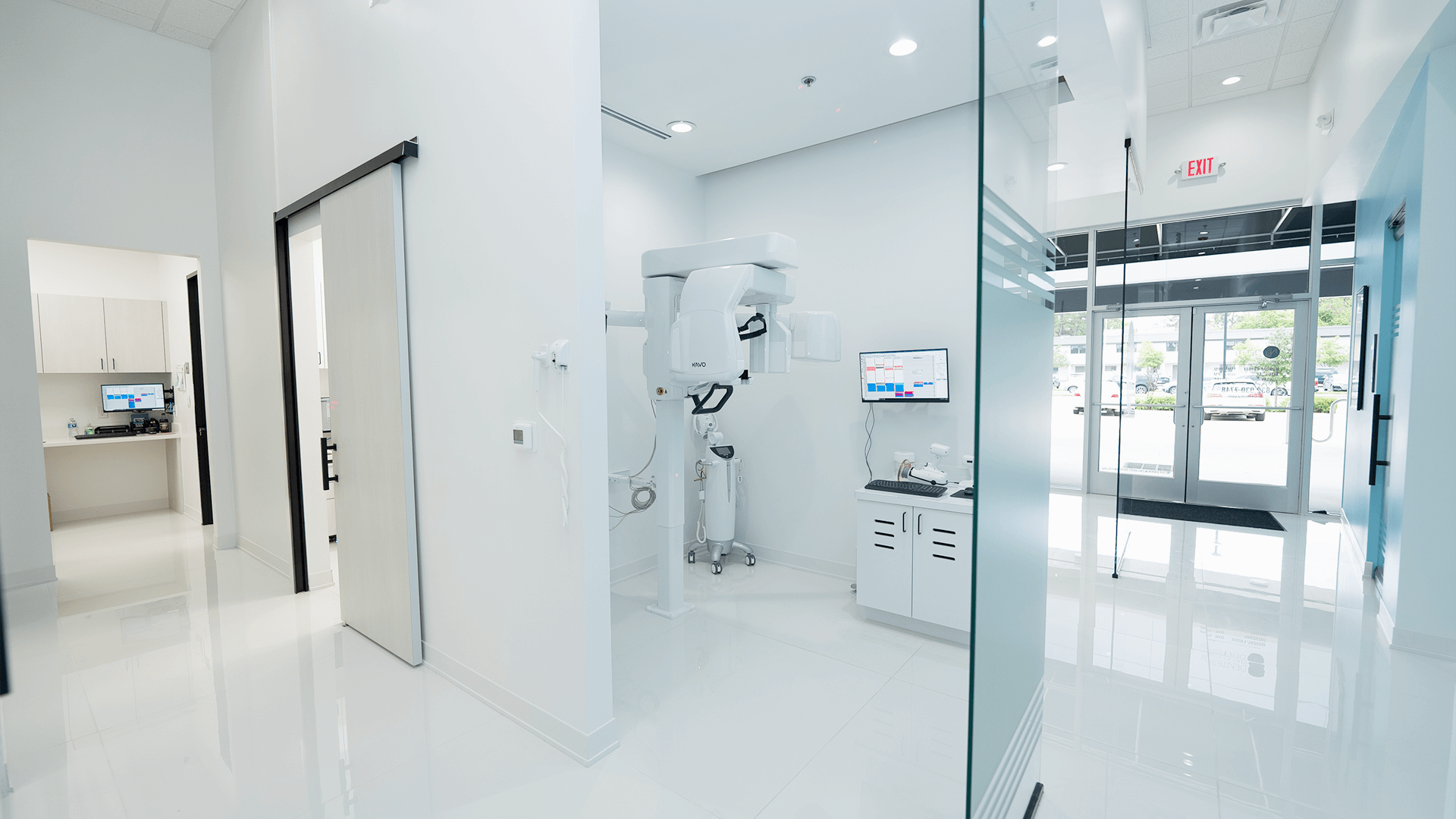
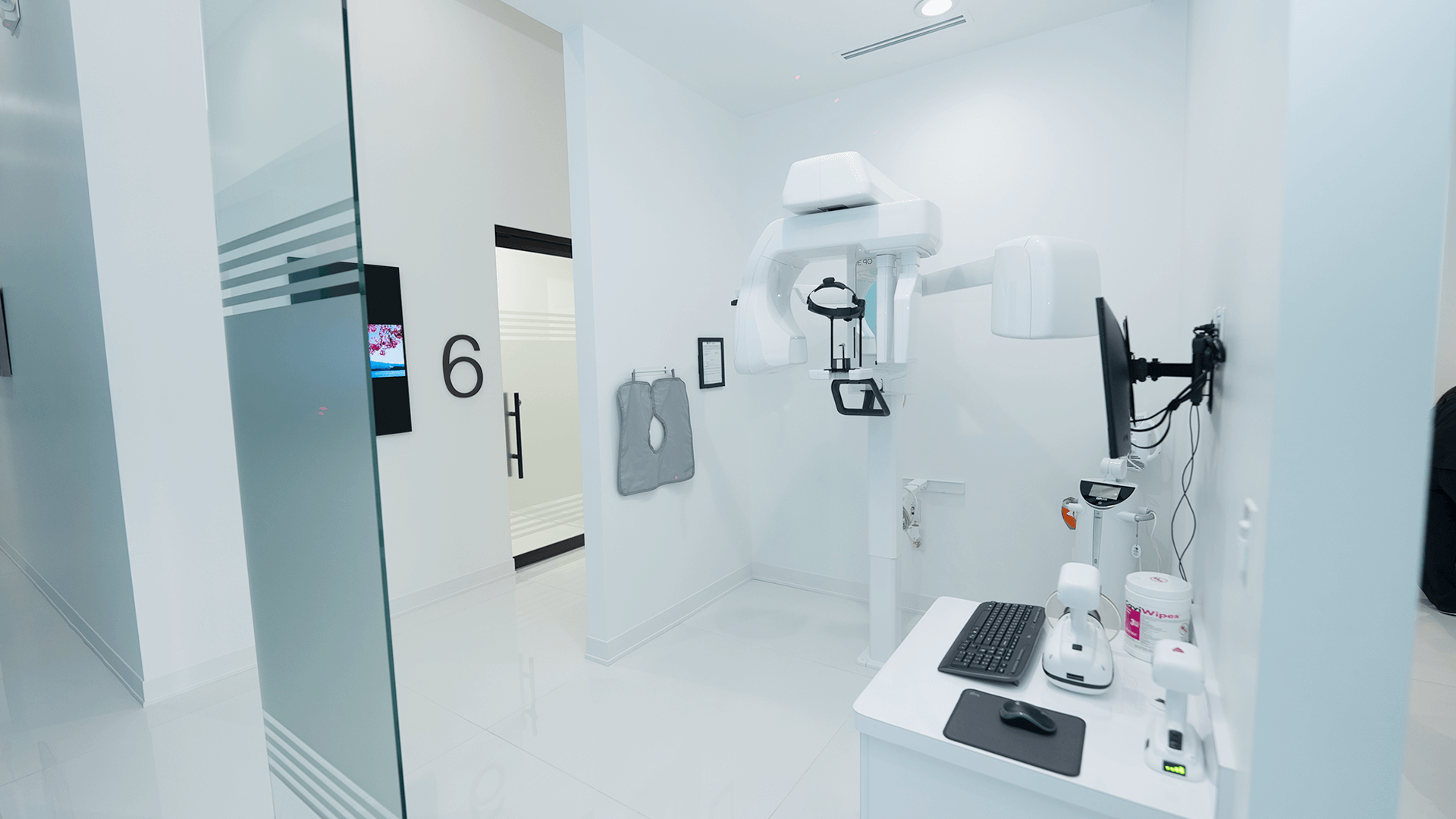
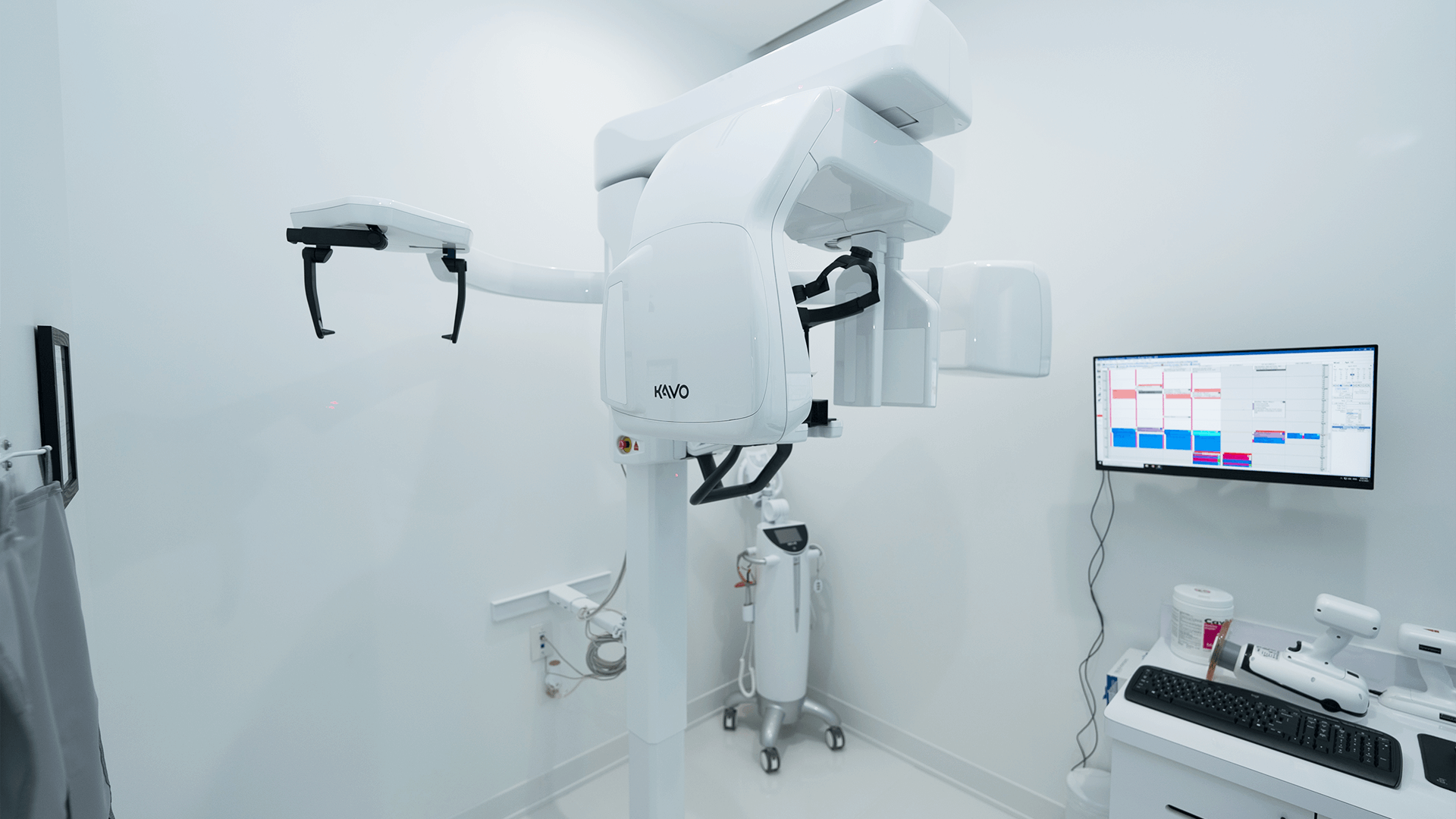
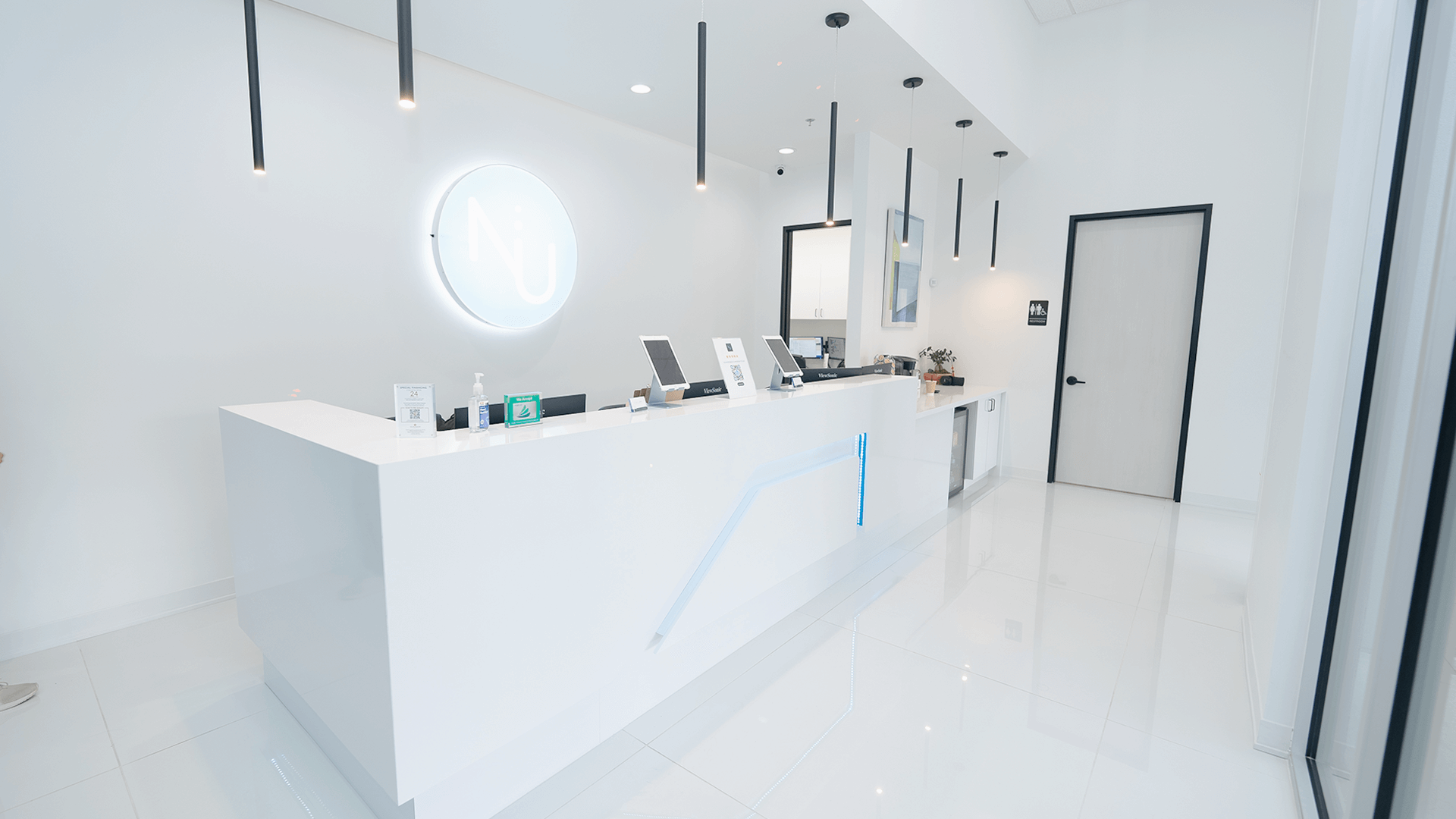
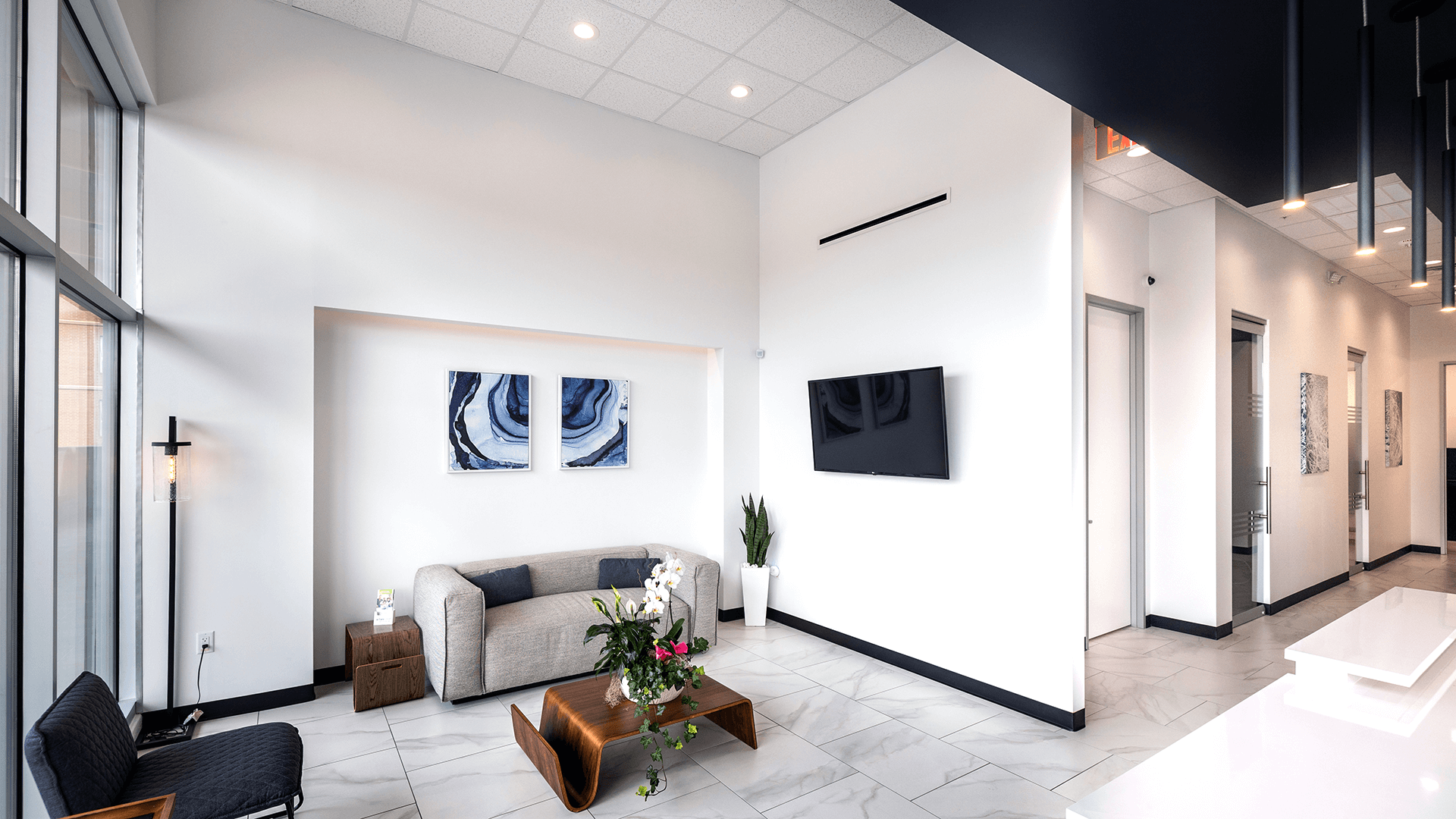
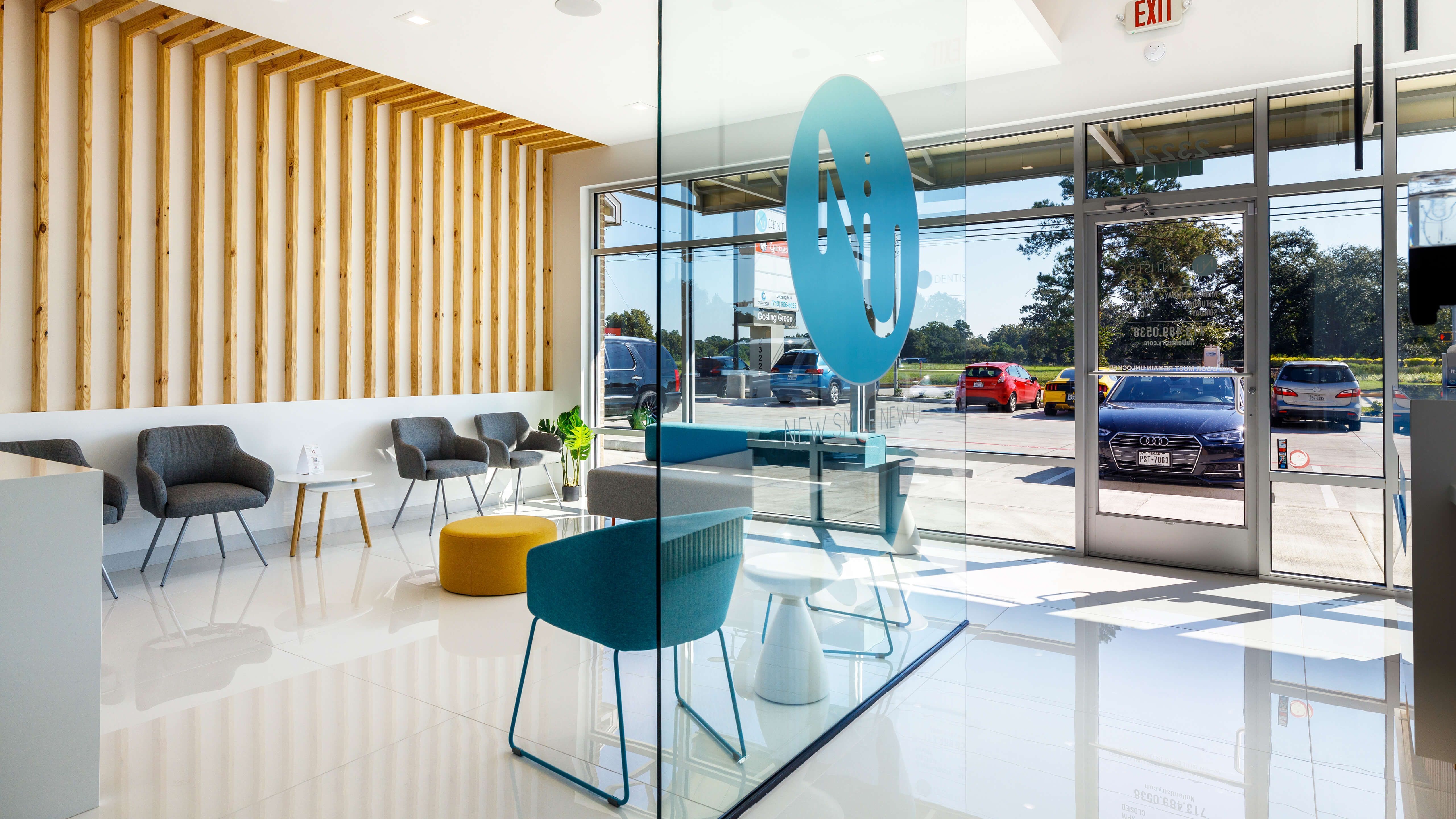
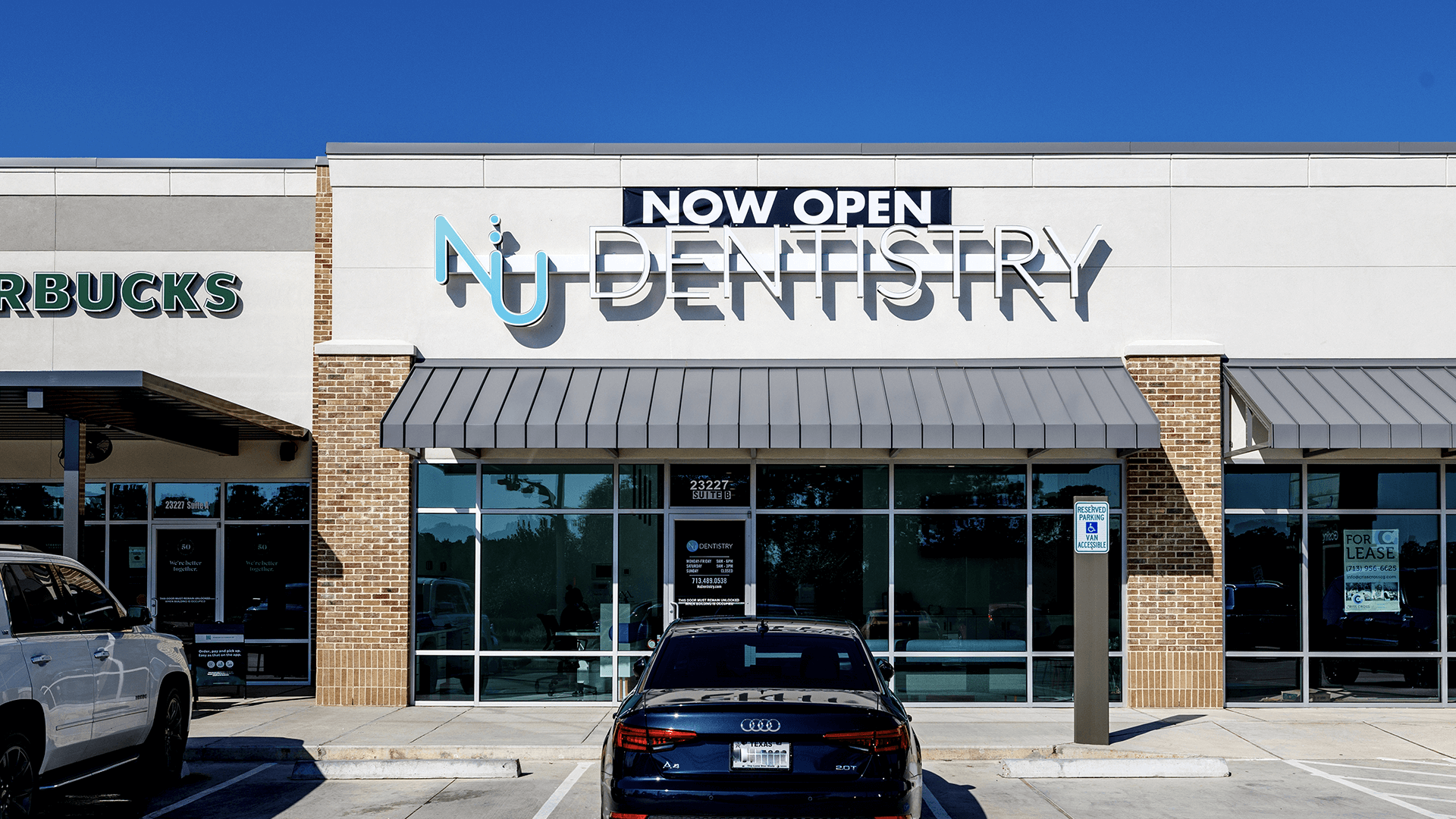
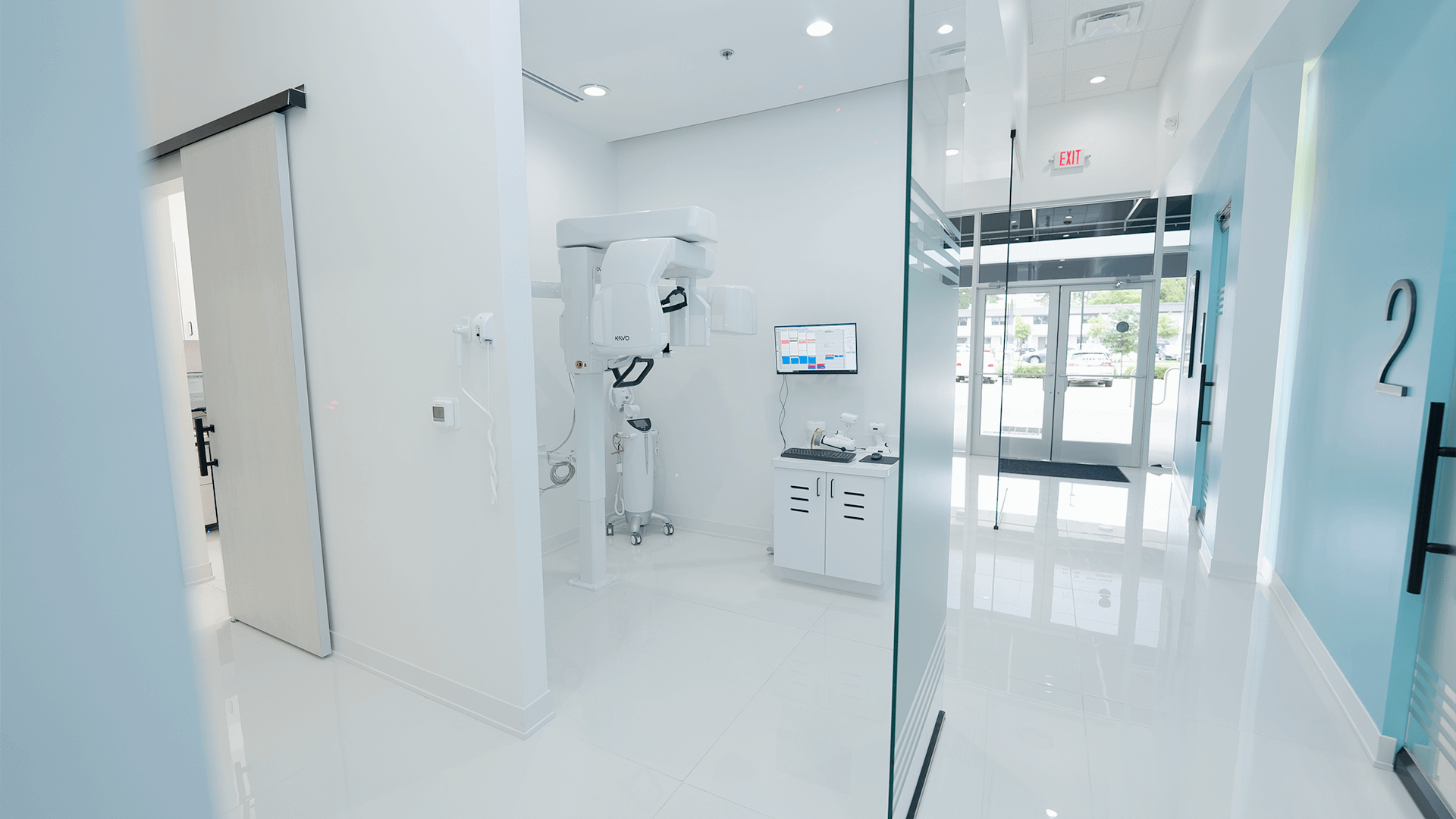
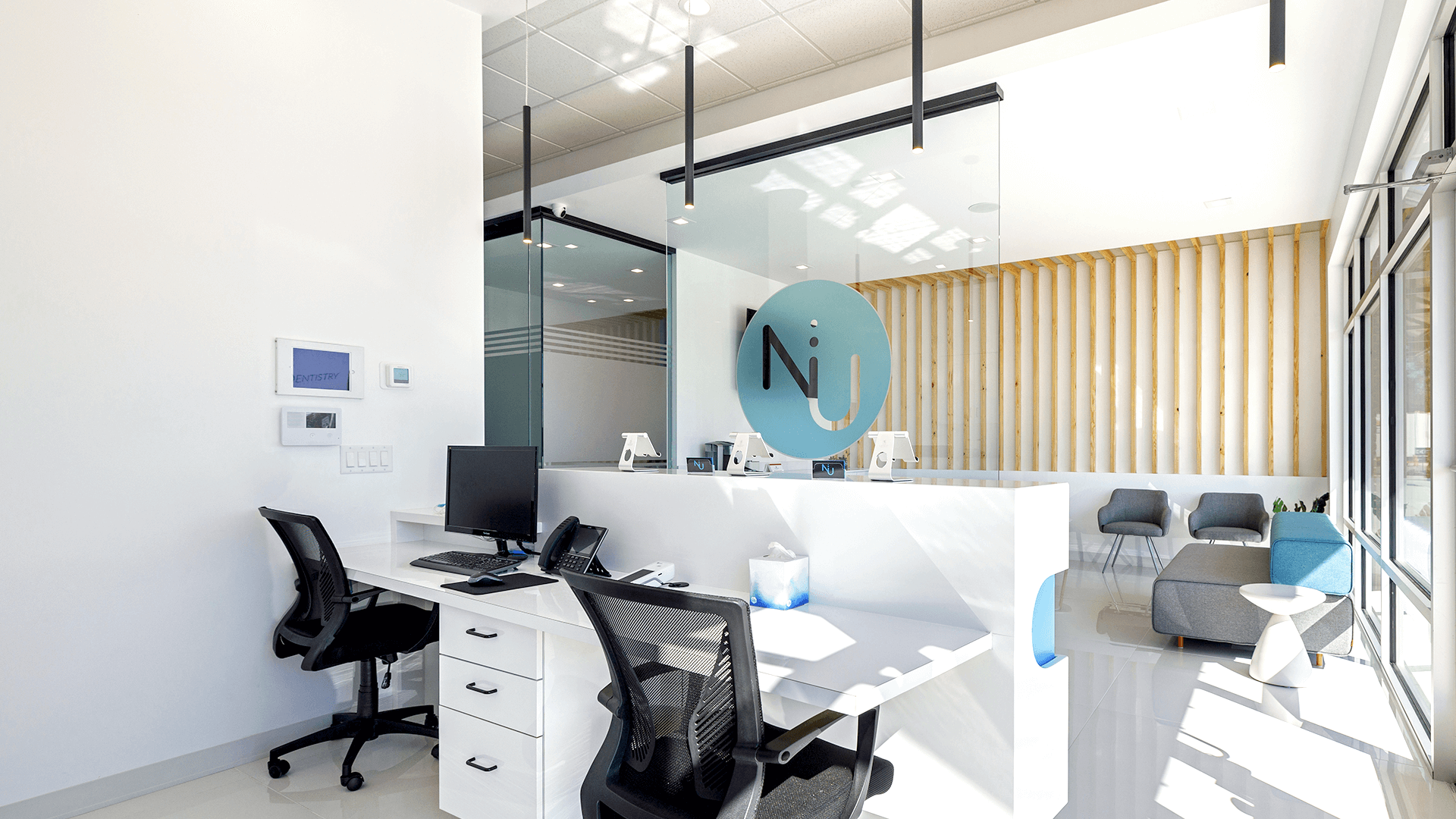
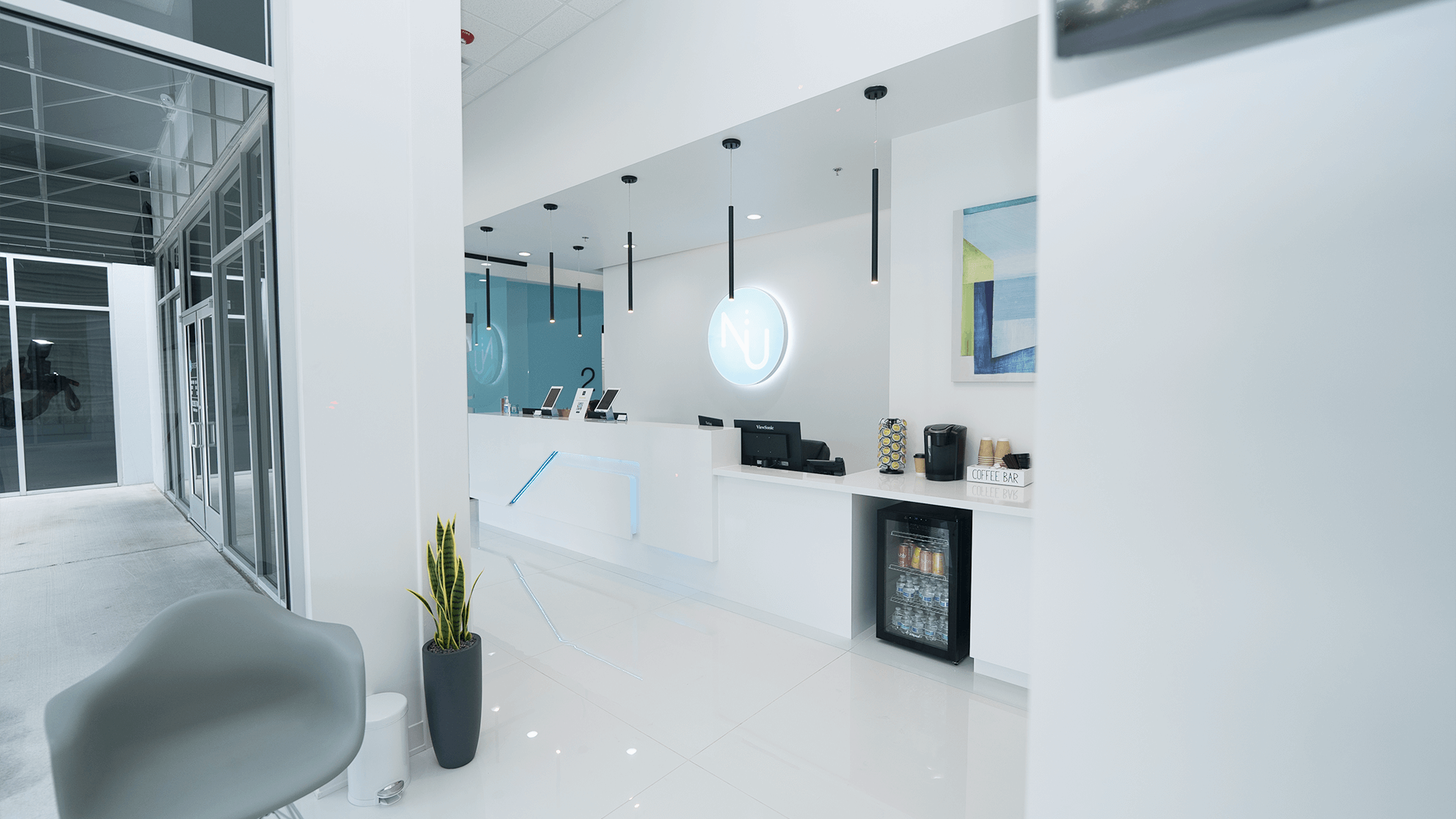
See what a visit to our modern, state-of-the-art dentist office is like!











Monday 9am - 6pm
Wednesday 9am - 6pm
Friday 9am - 6pm
Saturday 9am - 3pm
Check out what our patients are saying in Houston, TX


“Never Thought I'd Say It”
I never thought I’d say it, but going to the dentist is actually fun now. I recently came in for a root canal, and I got to sit back and catch up on Stranger Things without any pain!

“Anxiety Has Kept Me Away ”
I usually have such huge anxiety when I go to a dentist appointment, which means I always put off visits until the last minute to disastrous consequences. However, Dr. Loggins helped me with sedation, so the entire process was a breeze!

“The Best Dentist In Houston, TX”
We have been looking for a family dentist for a long time, we have tried a bunch of places but nothing felt quite like home. Not too long ago we stumbled upon Nu Dentistry and met Dr. Ali. Not only was he professional, kind, and gentle, but he always finds a way to fit us in when we need an appointment. He’s also pretty funny! I appreciate that he takes the time to explain what he’s doing, before he does it. That really puts me at ease.
“Never Thought I'd Say It”
I never thought I’d say it, but going to the dentist is actually fun now. I recently came in for a root canal, and I got to sit back and catch up on Stranger Things without any pain!
“Anxiety Has Kept Me Away ”
I usually have such huge anxiety when I go to a dentist appointment, which means I always put off visits until the last minute to disastrous consequences. However, Dr. Loggins helped me with sedation, so the entire process was a breeze!
We are proud members of these dental organizations and accreditations








We are dedicated to providing you with only the best quality dental care