You spent months, maybe even years, straightening your teeth. You followed every instruction, avoided sticky snacks, and got used to the occasional soreness after adjustments. So why, now that the braces are off, do your teeth seem to be… moving?
If you've looked in the mirror and noticed that your once-straight smile isn’t quite what it used to be, you’re not imagining things. Teeth can shift after braces. And while it’s frustrating, you’re not alone, and there is something you can do about it. Let’s walk through why it happens, how to fix it, and when to take action.
What causes teeth to shift after braces?
Teeth aren’t cemented into place once the braces come off. They’re held in position by ligaments and soft tissue, not just bone. That means they can, and often do, move.
Here are a few common reasons why your teeth may be shifting after braces:
1. You stopped wearing your retainer (or weren’t told to wear one long enough).
This is one of the top culprits. Retainers aren’t optional, they’re the main thing keeping your teeth in line after braces. And while many people are told to wear them for a year or two, the truth is: retainers are often a lifelong commitment (even if just a few nights a week).
Without that constant pressure, your teeth will naturally try to move back to their original positions, a process called “orthodontic relapse.”
2. Natural changes in your mouth and jaw.
Your body changes over time, so does your mouth. As we age, our jawbones shift, and bone density can decrease. This affects the way teeth are supported, and even small shifts in the jaw can cause movement.
3. Tooth grinding and jaw clenching (aka bruxism).
If you grind or clench your teeth, especially while you sleep, it puts enormous pressure on your bite. Over time, this pressure can shift your teeth out of alignment. Many people don’t even realize they’re doing it until their dentist notices signs like flattened tooth surfaces or tension in the jaw.
4. Tooth loss or gum disease.
Missing teeth or gum issues change the way your teeth support each other. When a tooth is lost or gum disease weakens the surrounding structure, nearby teeth can shift into the gap or lean out of place. Even just one missing molar can create a domino effect.
5. Everyday habits.
Yes, even small things like chewing on pens, biting your nails, or using your teeth to open things can impact alignment over time. Some people unconsciously push their tongue against their teeth when speaking or swallowing, called tongue thrust, which can also cause gradual movement.
Can Invisalign fix teeth that moved after braces?
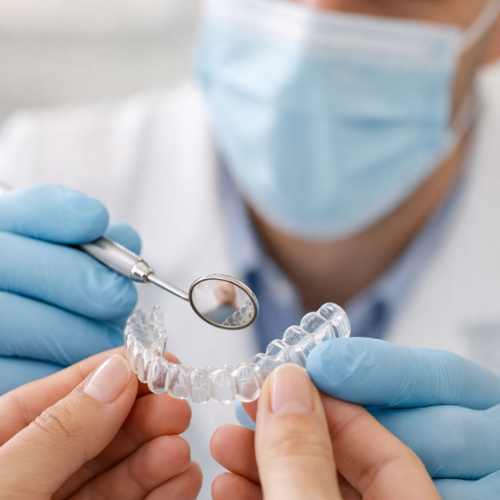
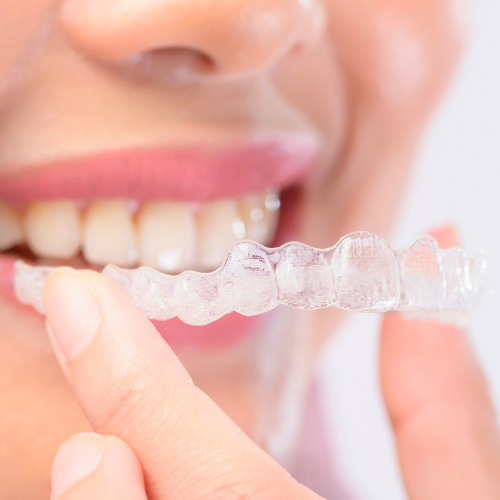
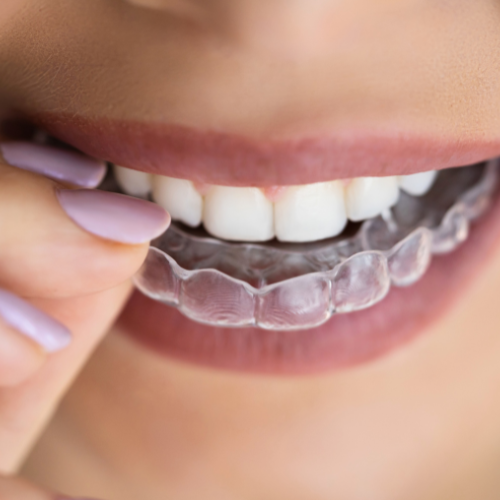
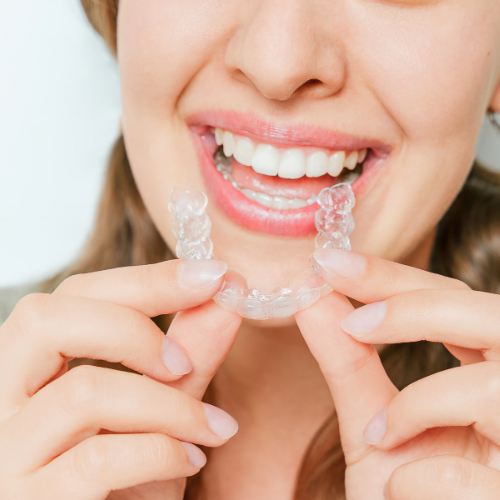
In many cases, yes. Invisalign is one of the most popular solutions for correcting minor to moderate post-braces shifting, especially when you want a fix that’s discreet and doesn’t involve going back to metal brackets.
Here’s what to know:
1. Invisalign works best when caught early.
If your teeth have only shifted slightly, Invisalign can be a fast and effective way to get them back in place. The longer you wait, the more complicated the fix might become. That’s why it’s important to act as soon as you notice something off.
2. It’s customized to your current smile.
Invisalign treatment is tailored to your unique situation, so whether you’ve had full braces or just minor cosmetic tweaks before, your new aligners will be based on where your teeth are now.
3. It’s often faster than traditional braces.
Because the adjustments are smaller, many patients who’ve had braces in the past find that they only need Invisalign for a few months to restore their smile, though that depends on how much shifting has occurred.
4. It’s more comfortable than you might expect.
Unlike braces, Invisalign doesn’t involve wires or tightening. Each set of aligners gently nudges your teeth closer to where they’re supposed to be. Most people adjust quickly to the sensation and find the trays easy to wear.
That said, Invisalign isn’t for everyone. If your bite has dramatically changed or multiple teeth have shifted significantly, you may need more advanced treatment. A quick consultation can help determine the right plan for you.
What happens if I ignore shifting teeth?
It’s tempting to think, “They’ve only moved a little, it’s not a big deal.” But ignoring teeth that are starting to shift can come with long-term consequences. The earlier you catch it, the easier it is to fix.
Here’s what can happen if shifting goes unchecked:
1. Your bite may change, and cause discomfort.
As your teeth move, they may no longer fit together the way they should. An uneven bite can lead to issues like jaw pain, headaches, tooth wear, and even TMJ disorder.
2. Crowding can make oral hygiene harder.
When your teeth crowd or overlap again, it becomes harder to clean between them properly. This raises your risk of cavities, plaque buildup, and gum disease, even if your brushing habits haven’t changed.
3. Cosmetic issues can affect your confidence.
Let’s be real, part of the reason you got braces was to feel good about your smile. When your teeth start to shift again, it can be frustrating or even embarrassing. Getting things back on track can help you feel more like yourself again.
4. Future treatment could take longer (and cost more).
Addressing shifting early often means a quicker, simpler, and more affordable fix. If you wait, things may progress to the point where you need full orthodontic treatment again.
So, what can you do now?
If you’re noticing changes in your smile, even small ones, it’s worth checking in. The good news is that post-braces shifting is extremely common, and modern dental care offers several ways to fix it without starting over from scratch.
At Nu Dentistry Garden Oaks, we’ll evaluate your current smile, look at your history, and walk you through the best options. Whether it’s a new retainer, Invisalign, or another treatment plan, we’ll help you take the next right step.
You already did the hard part, don’t let your smile fade quietly. Let’s get it back.
Schedule your appointment today
Call us or book online to set up a consultation. It could be the difference between letting your smile slip and confidently getting it back on track.