Sometimes the journey to a perfect smile doesn’t go quite as planned. You start with Invisalign, expecting a smooth and subtle ride to straighter teeth. But somewhere along the way, it becomes clear things need to shift, literally and figuratively. Maybe the aligners aren’t doing the trick. Maybe your bite feels off. Or maybe you're just tired of the process not moving as expected.
If you’re in the middle of Invisalign treatment and wondering whether a switch to braces makes sense, you’re not alone. It’s more common than you’d think, and it doesn’t mean something’s gone wrong. In fact, making that shift can be a smart move, especially when it helps you get the results you’re after more effectively.
At Nu Dentistry Garden Oaks, we’ve helped many patients pivot mid-treatment. Here’s what you should know if you’re considering switching from Invisalign to braces.
Why do some patients switch from Invisalign to braces?
There are a few reasons someone might start with Invisalign and later transition to braces. While Invisalign is a fantastic option for many people, it’s not always the best fit for every orthodontic case.
One of the biggest reasons is complexity. Invisalign works best for mild to moderate alignment issues. If your teeth need significant rotation, vertical movement, or if you have a more complex bite issue like a severe overbite, braces might do a better job. Sometimes, we only fully understand the scope of a patient’s needs once treatment has already begun.
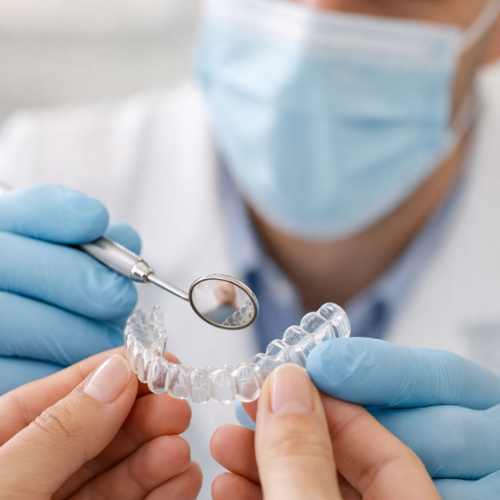
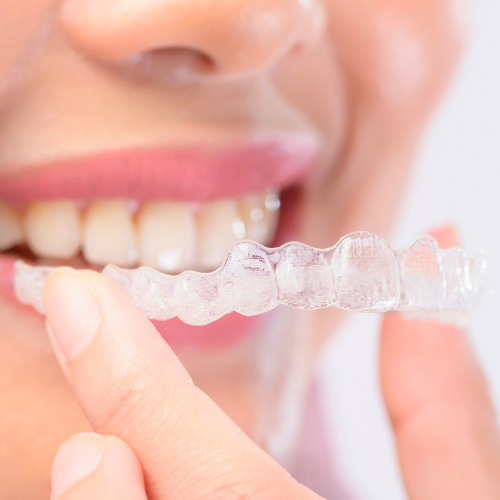
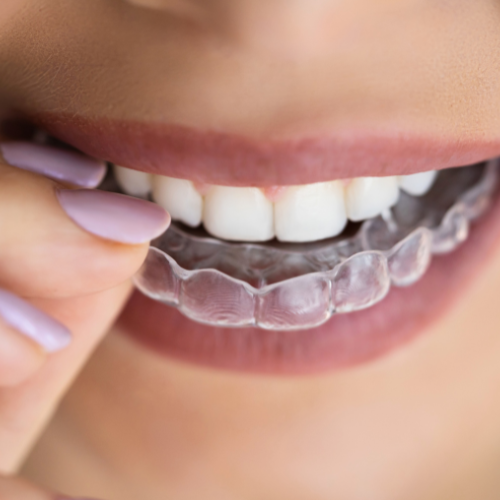
Another common reason is compliance. Unlike braces, which are fixed, Invisalign trays are removable. That means if you’re not wearing them 20 to 22 hours a day, they’re not working as intended. Some patients, especially teens or busy adults, find this tough to stick with consistently. Braces take that responsibility off your shoulders.
Some people also experience discomfort or irritation from the aligners, especially if they tend to clench or grind their teeth at night. Others feel self-conscious about speaking with the trays in or keeping up with cleaning and switching them every couple of weeks.
Then there’s the matter of progress. If your teeth aren’t moving as quickly or as accurately as expected, your dentist may recommend braces to get things back on track. Sometimes, despite best efforts, the trays just can’t apply the force needed for certain shifts.
Finally, cost and insurance play a role. While Invisalign is often comparably priced to braces, certain adjustments or extra aligners can add to the expense. For some, switching to braces partway through can be a more budget-conscious option.
How hard is it to switch from Invisalign to braces?
Switching from Invisalign to braces is typically a smooth process, but it does take a little planning. The good news is that your dentist or orthodontist already has a clear understanding of your smile and treatment goals, so they can help guide you through the transition seamlessly.
First, your provider will assess your current progress. If your teeth have moved significantly, the braces may be used to fine-tune and finish off the work that Invisalign started. If there’s still a long way to go, a new treatment plan may be created from scratch using your updated scans.
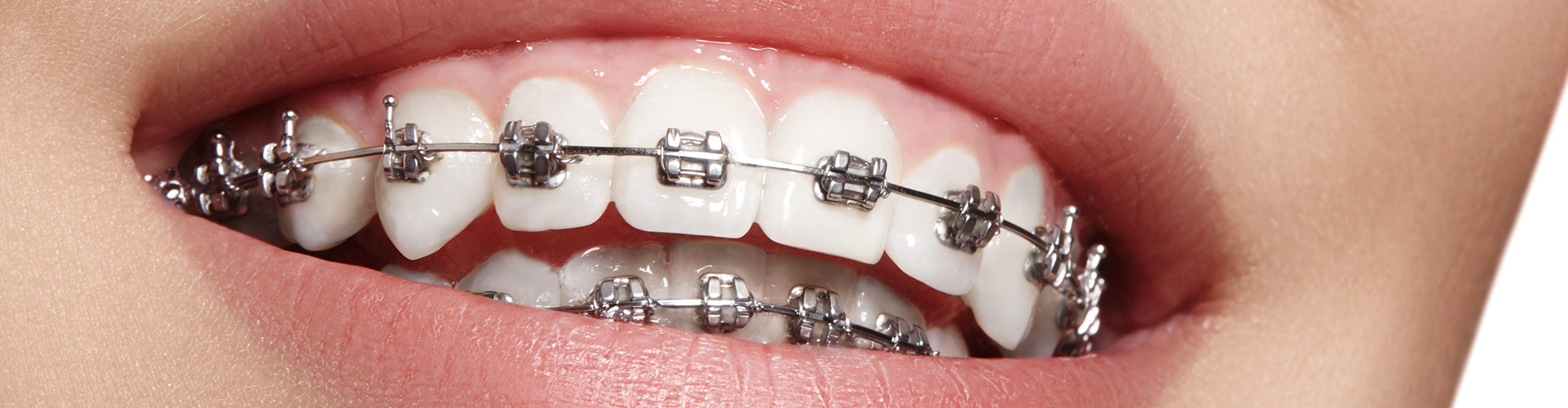
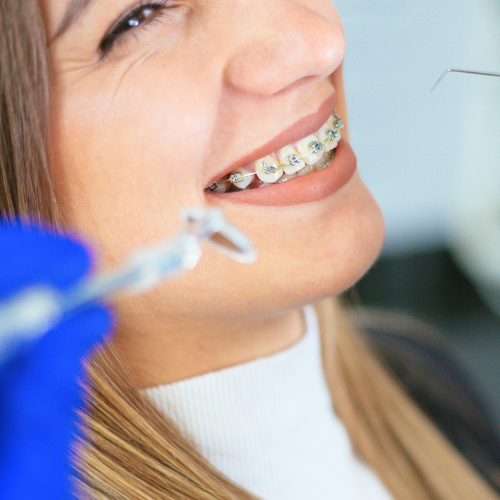
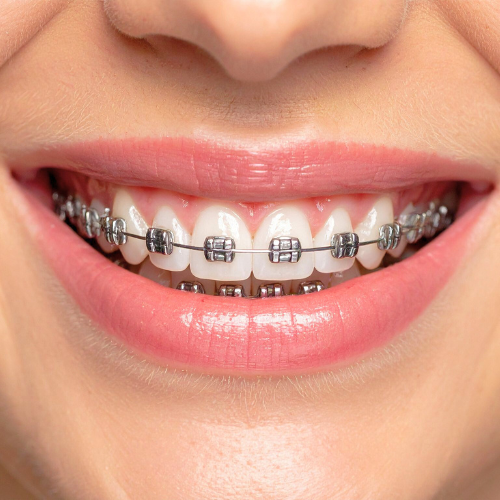
You’ll also talk through options. Will you need traditional metal braces? Are ceramic or clear brackets a possibility? Your dentist will recommend the best system for your case, lifestyle, and comfort.
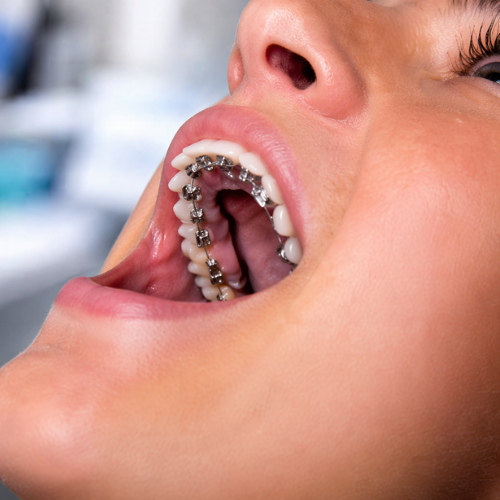
The switch itself usually involves a few steps. You’ll come in for a consultation where impressions, photos, and possibly X-rays are taken. Then, brackets will be bonded to your teeth, and wires placed to begin guiding them into alignment.
There’s usually a short adjustment period as you get used to your new hardware. Your mouth may feel a bit sore for a few days, and eating certain foods can be tricky at first. But within a week or two, most patients settle in just fine.
It’s important to follow all your dentist’s care instructions during this period, especially when it comes to cleaning and avoiding sticky or hard foods. Proper hygiene and a little patience go a long way toward a successful transition.
If you’re worried about how it might look or feel, remember that today’s braces are more streamlined and comfortable than ever. And most importantly, they’re highly effective at moving teeth exactly where they need to go.
Will switching affect my treatment time or results?
The answer is: it depends. Every smile is different, and your treatment timeline will be based on your specific needs and how your teeth have responded so far. That said, switching to braces often helps patients finish their treatment more efficiently.
In many cases, when Invisalign is falling short, due to limited tooth movement, poor compliance, or slow progress, braces can step in to speed things up. They provide consistent, controlled pressure that doesn’t rely on you remembering to wear trays or swap them out on time.
Some patients actually complete their orthodontic treatment sooner with braces than they would have with Invisalign alone. Others may need a little extra time to make up for stalled progress or to correct issues that developed while using aligners. Your dentist will lay out a realistic timeline based on your mouth’s current condition.
As for results, switching doesn’t compromise the outcome. In fact, it often leads to better alignment and bite correction when Invisalign alone isn’t sufficient. Your dentist will ensure that your final result looks and feels natural, healthy, and stable.
What’s most important is communication. If something doesn’t feel right during your Invisalign treatment, or if you’re just feeling discouraged, it’s worth having the conversation. It’s better to switch tools and finish strong than to stay stuck in a treatment that isn’t delivering.
At Nu Dentistry Garden Oaks, we’re here to help you feel confident every step of the way. We take time to listen to your concerns, evaluate your progress, and help you choose the treatment path that gives you the best shot at the smile you deserve.
Let’s Talk About Your Smile
If Invisalign isn’t working the way you’d hoped, don’t worry, you’ve got options. Switching to braces is more common (and more effective) than you might think, and we’re here to make the transition smooth and stress-free.
Ready to explore your next step? Schedule an appointment at Nu Dentistry Garden Oaks today. Let’s find the solution that brings your best smile forward.