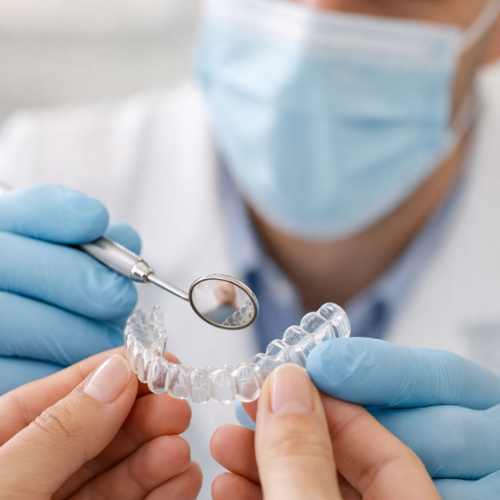
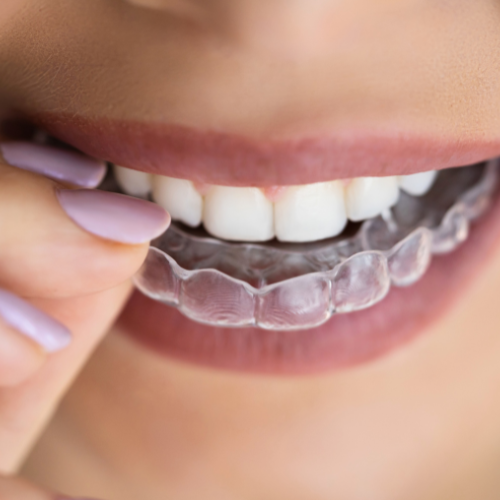
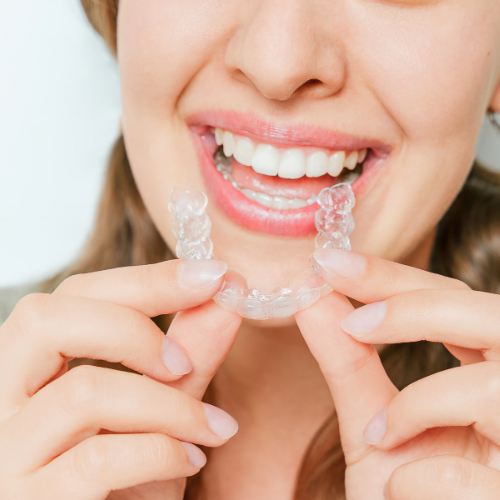
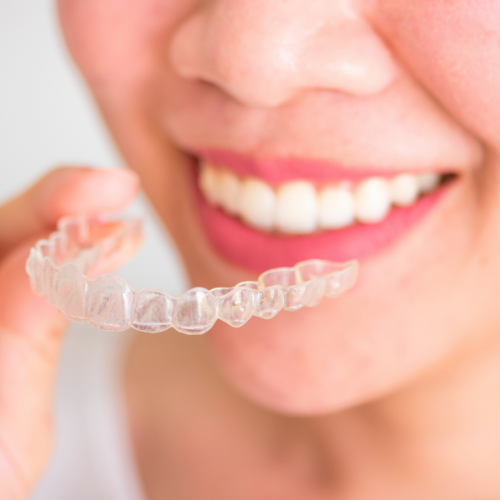
Why Your Invisalign Trays Aren't Fitting — and What to Do About It
Invisalign trays not fitting right in Houston? Learn about gaps, tracking, and refinements from Nu Dentistry Garden Oaks. Get answers today.
Read More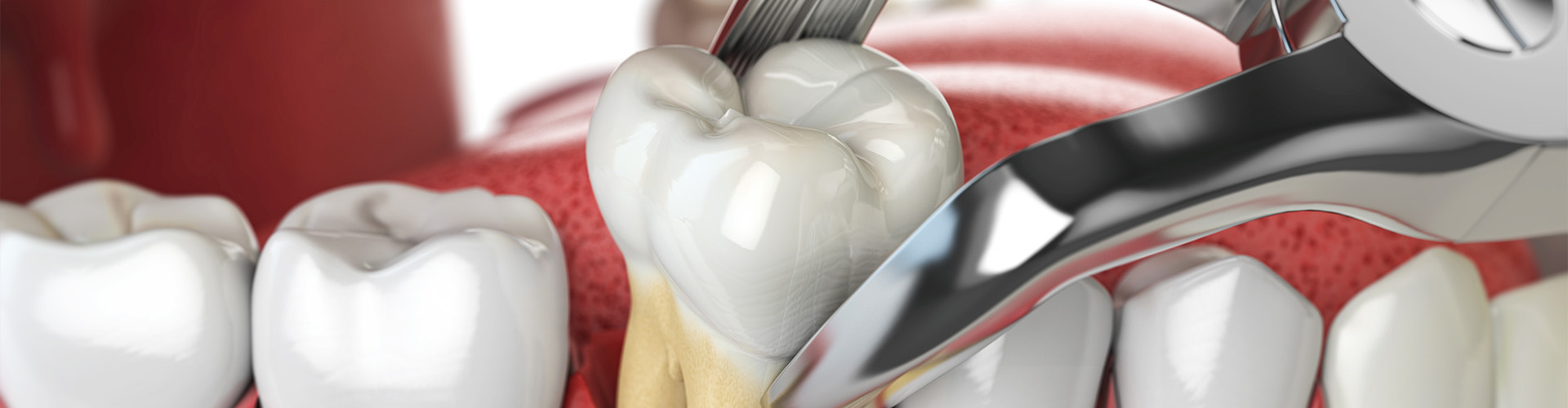
Tooth extraction is often seen as the final remedy for resolving severe dental issues such as decay, infection, or crowding. However, the removal of a tooth, especially a key one, is only the first step. The real challenge, and necessity, lies in replacing this tooth promptly and effectively. In this blog, we will explore the importance of tooth extraction, the consequences of not replacing key teeth, and why timely replacement should not be overlooked.
When a tooth is beyond saving, extraction becomes necessary to prevent further oral health complications. Leaving a decayed or infected tooth untreated can lead to more severe issues, including gum disease, the spread of infection, and significant pain. Extracting such teeth alleviates pain, stops the infection, and can prevent damage to adjacent teeth and tissues.
Once a tooth is extracted, its absence can trigger a cascade of unintended effects on your overall dental health, which may extend beyond simple aesthetics to more critical functional impairments:
Given these risks, it is clear that the decision to not replace missing teeth can have far-reaching consequences on your dental and overall health. Addressing tooth loss promptly with appropriate dental restoration not only protects your oral health but also maintains the function and aesthetics of your smile, ultimately impacting your quality of life.
Delaying tooth replacement after extraction can exacerbate the risks mentioned above, such as bone loss, shifting of adjacent teeth, and deterioration of oral function and aesthetics. It's essential to consider replacement options soon after extraction to avoid these complications, preserve the structure of the mouth, and maintain overall health. Here are some effective tooth replacement options, each with unique benefits and considerations:
The timely replacement of teeth post-extraction is crucial not only for oral health but for maintaining overall physical health and quality of life. It is essential for anyone who has experienced tooth loss to consult with their dentist to determine the most appropriate tooth replacement strategy based on their unique circumstances. This proactive approach ensures the long-term health of the remaining teeth and supporting structures, and it contributes significantly to a person's well-being and self-esteem.
Tooth extraction is a significant procedure, but it’s just the beginning of ensuring your oral health is maintained. Replacing your extracted tooth timely is crucial to prevent further complications and maintain your dental health, functionality, and self-esteem. If you've recently had a tooth extracted, or are considering extraction, it's vital to discuss replacement options with your dentist as soon as possible.
We understand the importance of both extracting problematic teeth and replacing them promptly. Our team is here to guide you through your options and help you make the best decision for your oral health. Don’t wait for complications to arise. Schedule an appointment with us today and take the first step towards a complete, healthy smile.
Fresh news from the dental world

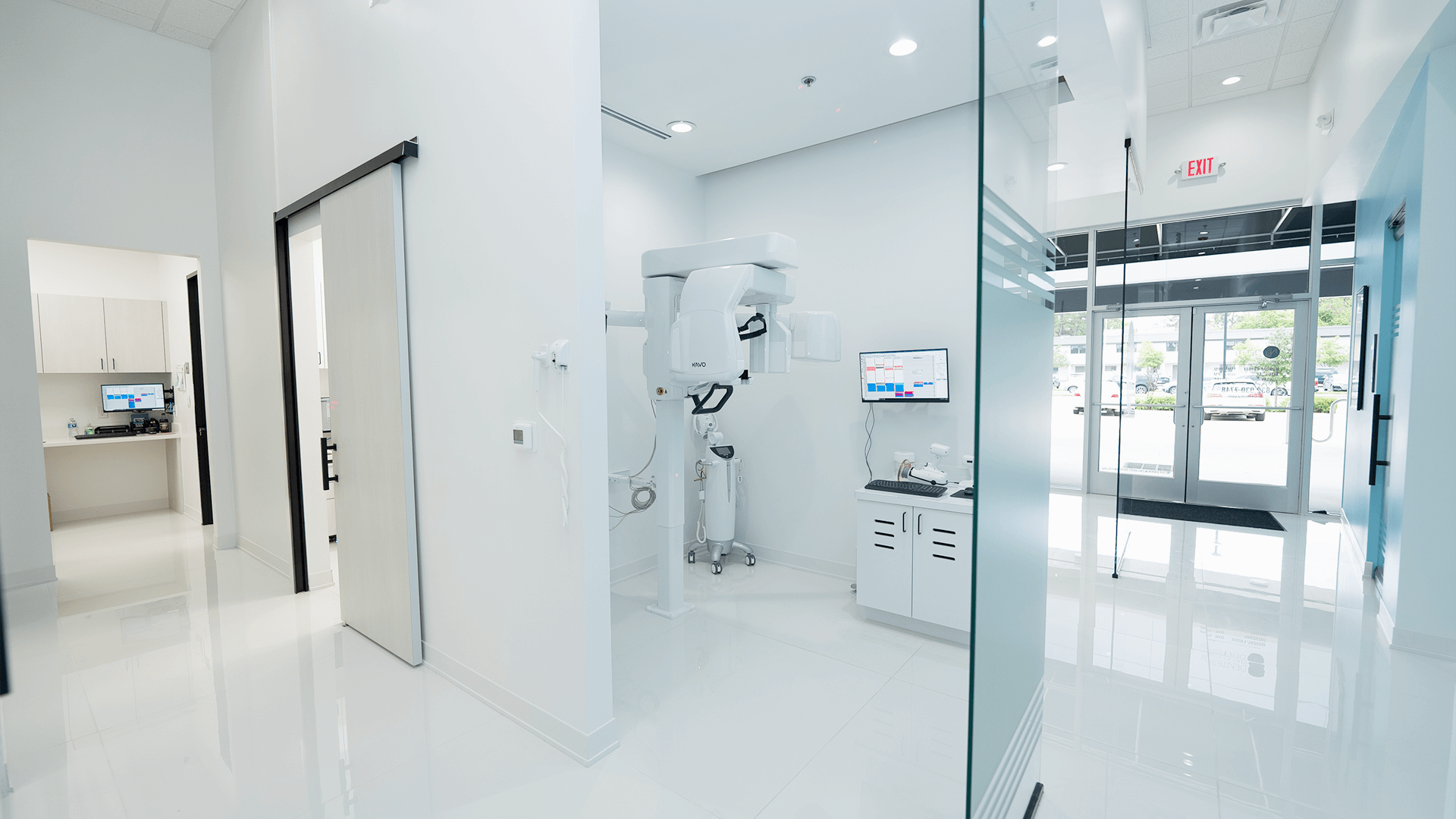
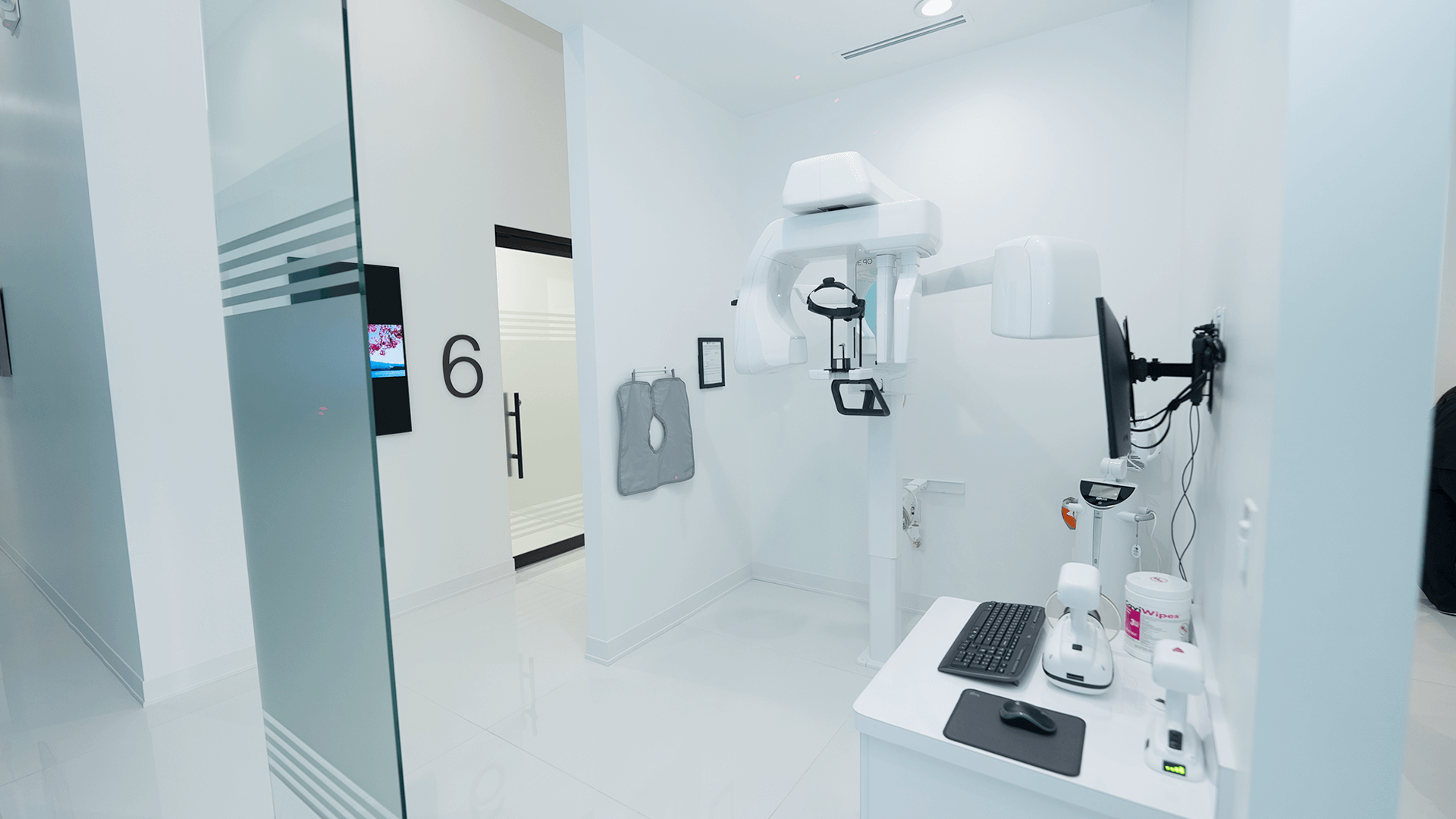
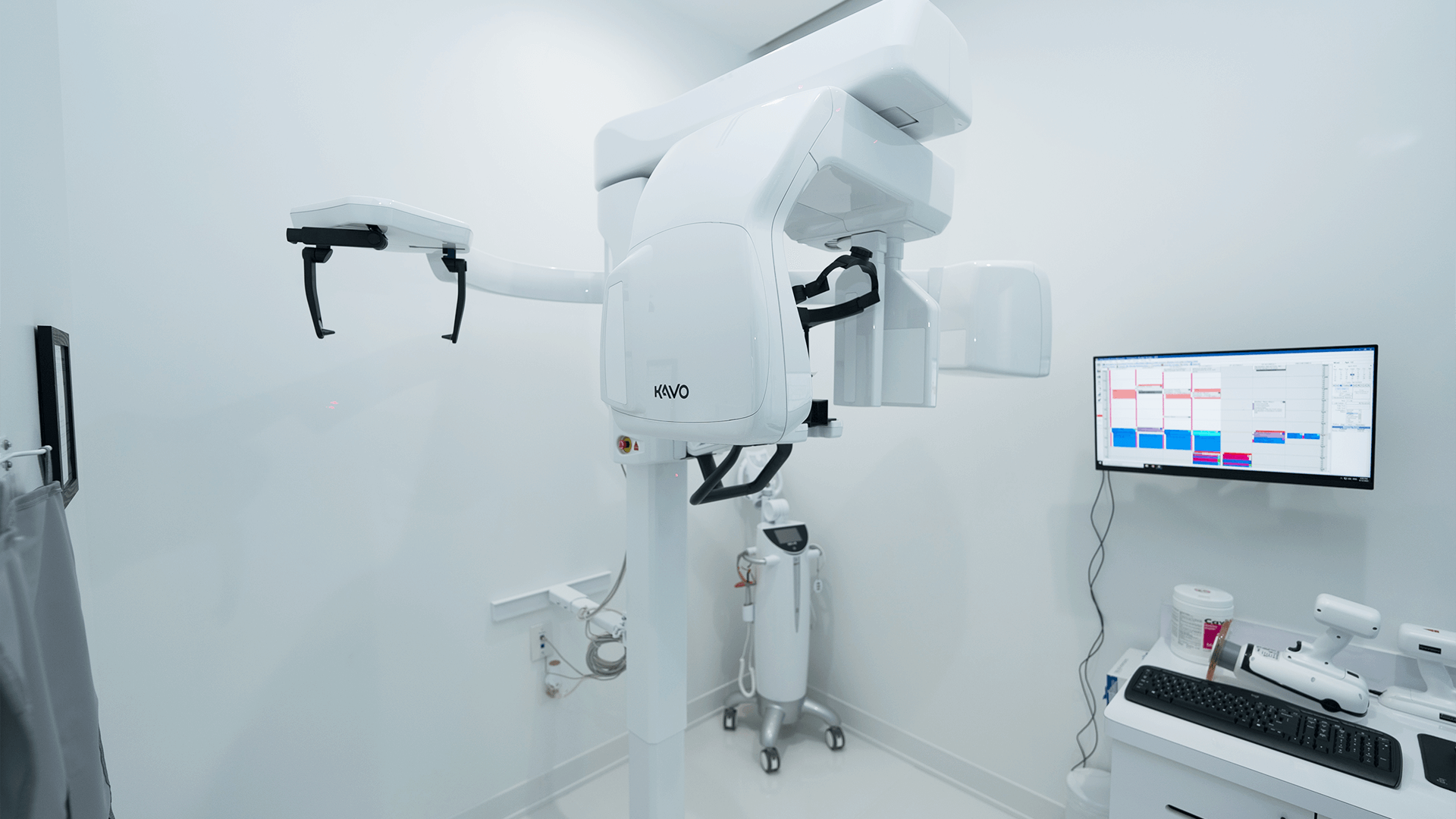
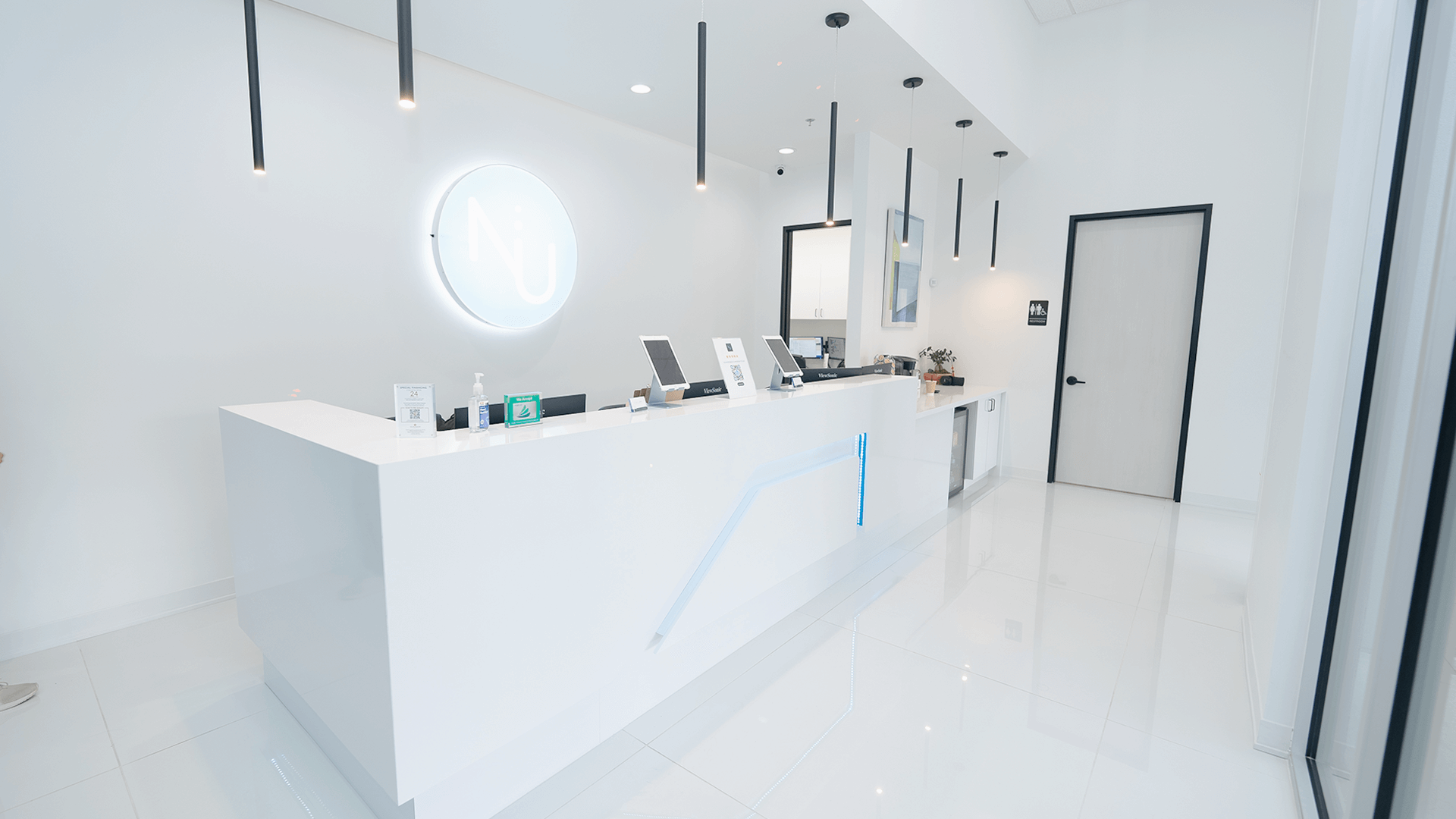
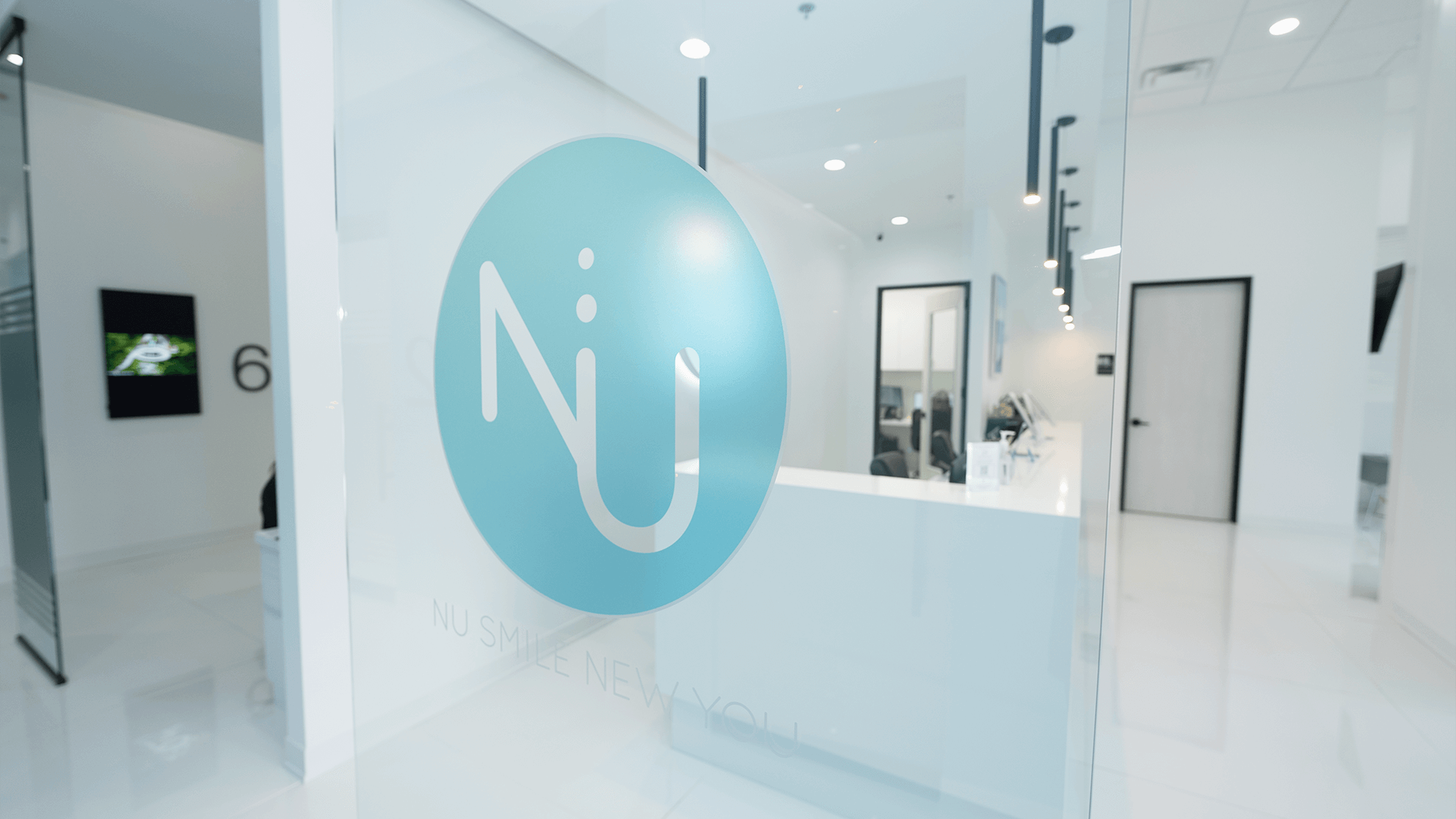
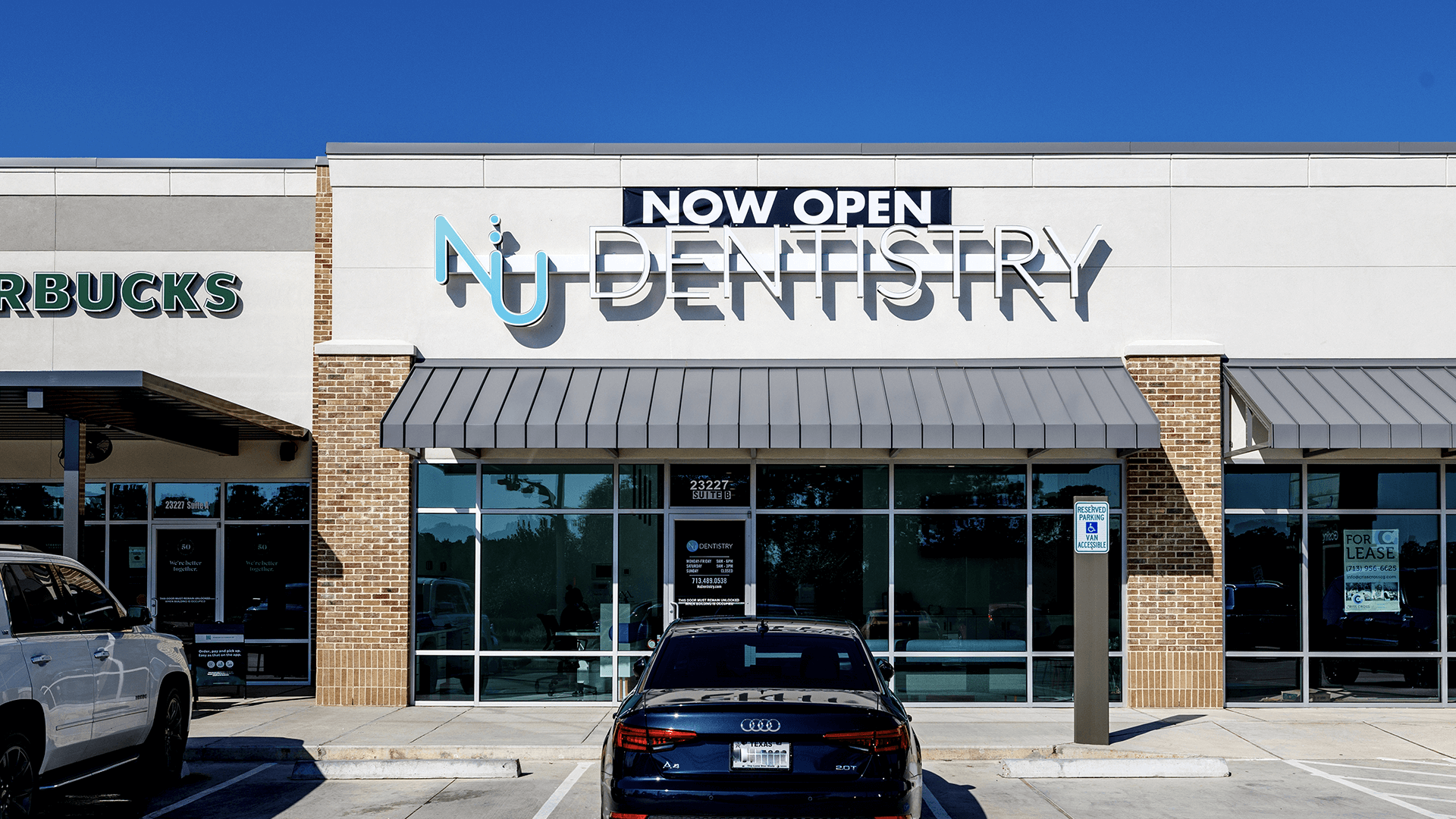
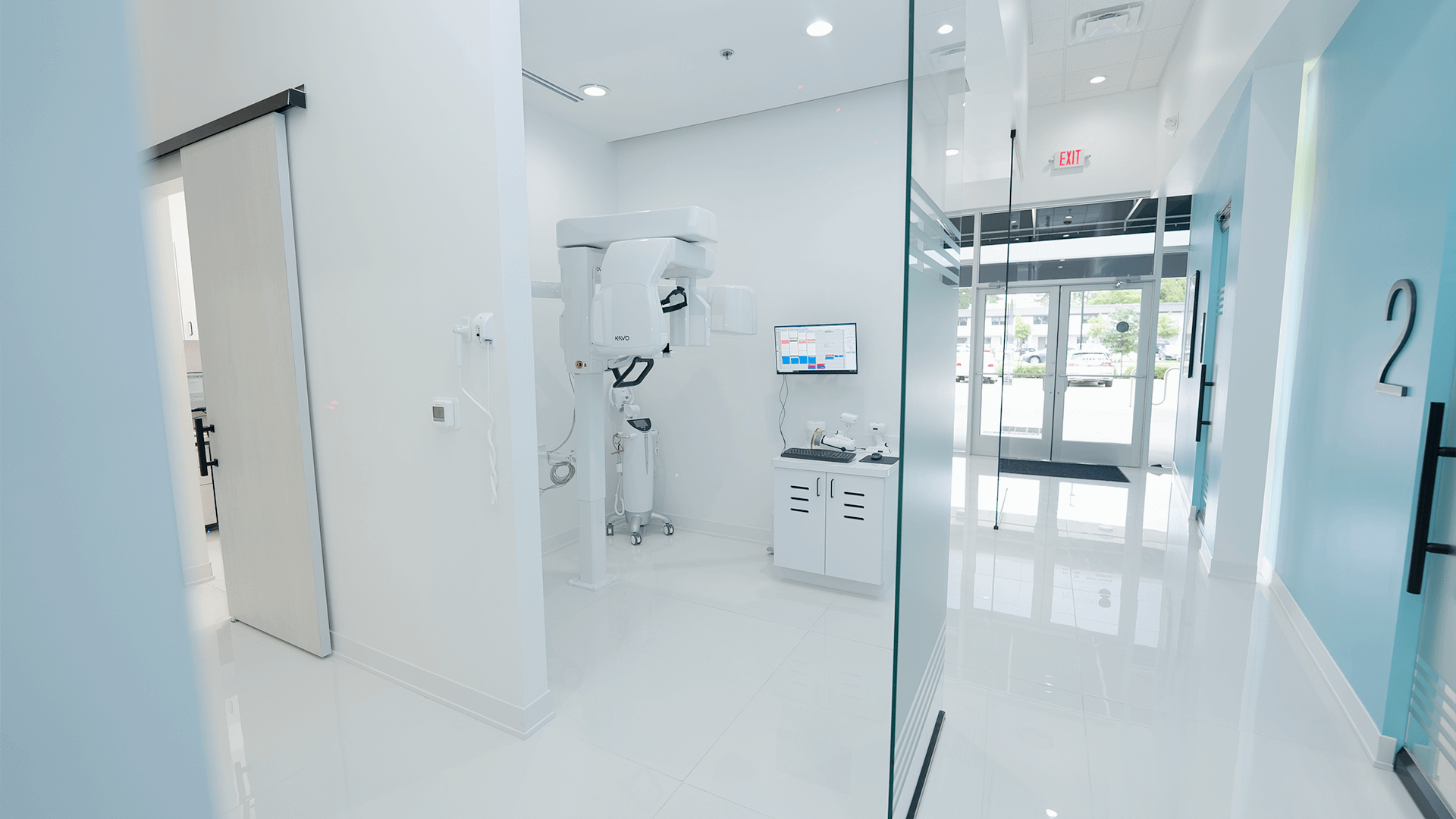
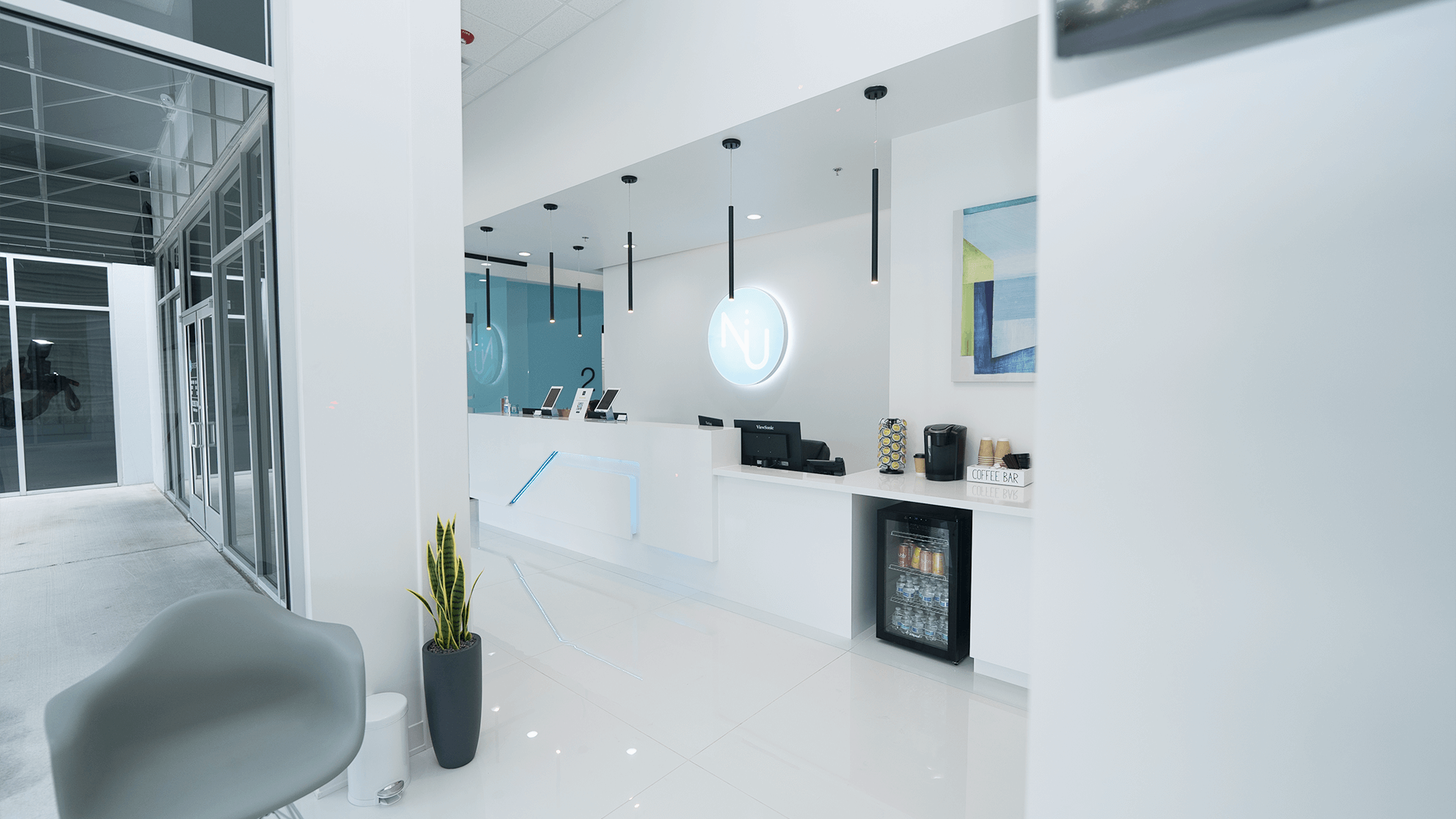
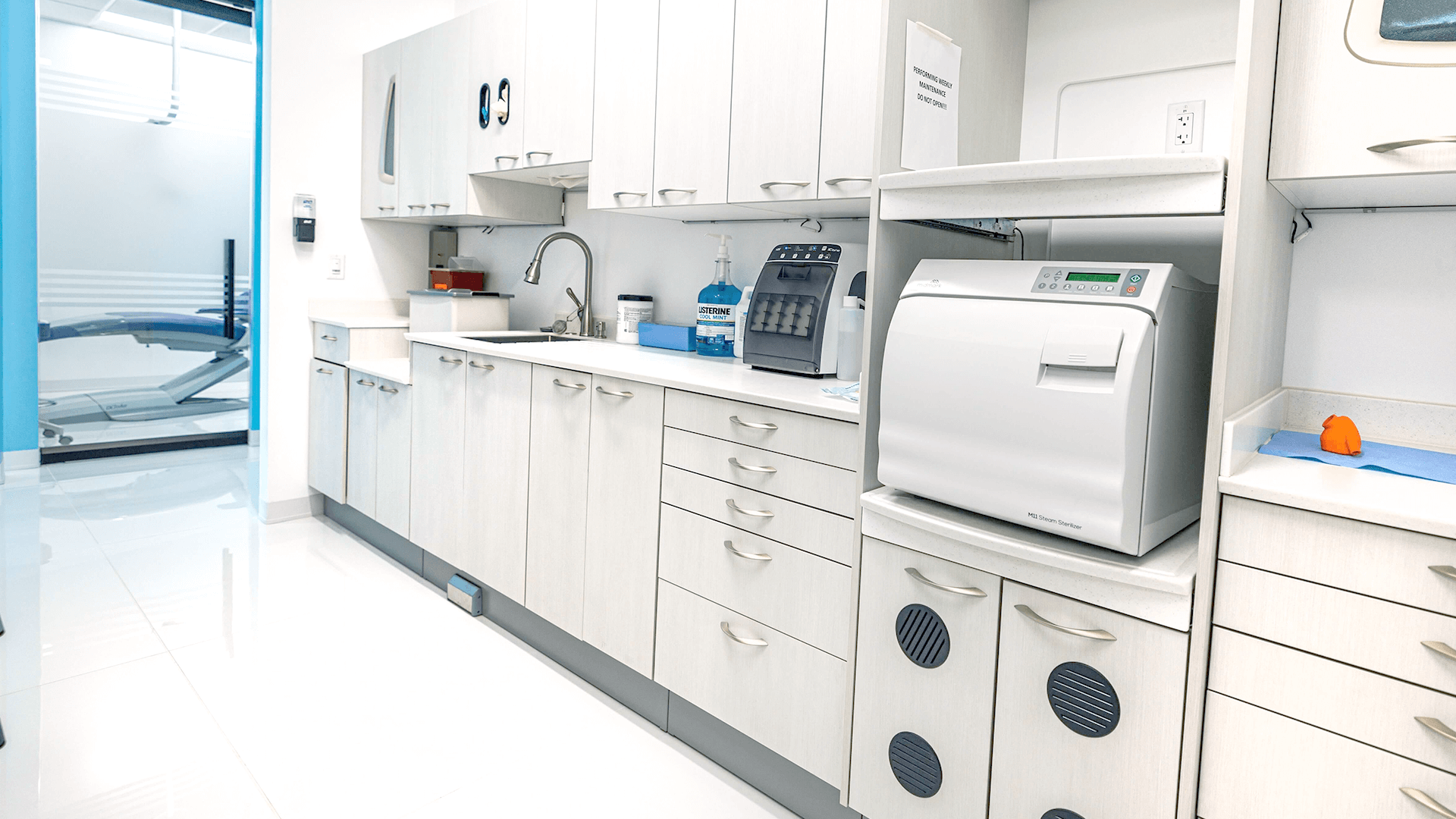
See what a visit to our modern, state-of-the-art dentist office is like!












Monday 9am - 6pm
Wednesday 9am - 6pm
Friday 9am - 6pm
Saturday 9am - 3pm
Check out what our patients are saying in Houston, TX


“Never Thought I'd Say It”
I never thought I’d say it, but going to the dentist is actually fun now. I recently came in for a root canal, and I got to sit back and catch up on Stranger Things without any pain!

“Anxiety Has Kept Me Away ”
I usually have such huge anxiety when I go to a dentist appointment, which means I always put off visits until the last minute to disastrous consequences. However, Dr. Loggins helped me with sedation, so the entire process was a breeze!

“The Best Dentist In Houston, TX”
We have been looking for a family dentist for a long time, we have tried a bunch of places but nothing felt quite like home. Not too long ago we stumbled upon Nu Dentistry and met Dr. Ali. Not only was he professional, kind, and gentle, but he always finds a way to fit us in when we need an appointment. He’s also pretty funny! I appreciate that he takes the time to explain what he’s doing, before he does it. That really puts me at ease.
“Never Thought I'd Say It”
I never thought I’d say it, but going to the dentist is actually fun now. I recently came in for a root canal, and I got to sit back and catch up on Stranger Things without any pain!
“Anxiety Has Kept Me Away ”
I usually have such huge anxiety when I go to a dentist appointment, which means I always put off visits until the last minute to disastrous consequences. However, Dr. Loggins helped me with sedation, so the entire process was a breeze!
We are proud members of these dental organizations and accreditations





We are dedicated to providing you with only the best quality dental care