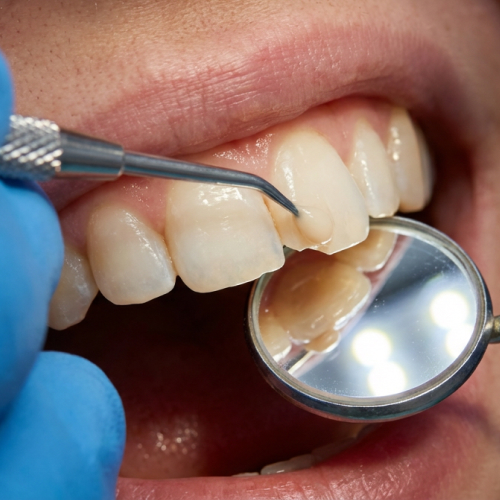
Front Tooth Fillings, Chips, and Bonding: What Actually Works
Can front tooth fillings or dental bonding fix a chipped tooth? Discover the best ways to restore your smile at Nu Dentistry Garden Oaks. Schedule a visit today!
Read More
Reviewed by Dr. Ali Tameemi, DDS
Yes, tooth-colored composite fillings work well on front teeth — but your bite mechanics and existing tooth color matter more than most people realize. Understanding the difference between a filling and bonding, and when each is appropriate, helps you avoid a repair that looks great today but fails within a year.
Most of the conversation about front tooth fillings focuses on the material — composite resin, its strength, how natural it looks. For Houston-area patients, what rarely gets discussed is whether your bite will allow that material to survive.
When evaluating a front tooth for a filling or bonding, a functional assessment comes before any handpiece is picked up. The key consideration is how the upper and lower front teeth meet. A "deep bite" — where the upper teeth heavily overlap the lower — puts enormous shearing force on any restoration placed on the front surface. An "edge-to-edge" bite, where upper and lower incisors meet directly, creates a grinding pressure that composite resin simply wasn't designed to absorb repeatedly.
Patients who grind at night (bruxism) face the same problem. The composite material isn't weak — according to Mouth Healthy from the ADA, composite resins provide good durability and fracture resistance under moderate chewing pressure. The word "moderate" is doing a lot of work in that sentence. Bruxism doesn't produce moderate pressure.
In these cases, a direct conversation about prerequisites is warranted. A night guard, or in some cases an orthodontic evaluation, needs to happen before a front tooth restoration is placed — otherwise the repair is set up to snap off during breakfast six months later. That's not a material failure. That's a planning failure, and it's entirely preventable. If you're unsure whether your bite is compatible, a cleaning and exam is a good starting point for that assessment.
Once bite compatibility with a direct restoration is confirmed, the clinical path becomes much clearer.
Here's something that surprises almost every patient: composite resin cannot be bleached. Natural enamel is porous and responds to whitening treatments. The filling material is non-porous and stays exactly the color it was on the day it was placed.
This creates what clinicians refer to as a whitening sequence problem. If teeth are whitened after a front tooth filling is placed, the natural enamel brightens while the filling stays the same shade. Within months, a visible patch appears — a spot that looks darker than everything around it. The only fix is replacing the filling entirely.
The correct sequence is always: whiten first, wait two weeks for the enamel shade to stabilize, then place the restoration. The composite is then matched to the post-whitening color, so the filling blends naturally from day one. Professional pro teeth whitening before a restoration ensures the shade match holds up over time.
There's also a longer-term reality to plan for. Natural enamel gradually picks up stain from coffee, wine, and tea. Composite is more stain-resistant, so over two to three years, surrounding teeth may darken while the filling stays bright — creating an inverse mismatch. Healthline's overview of composite fillings notes that resin isn't as stain-resistant as porcelain, but it still behaves very differently from enamel over time. Managing expectations around this timeline is an important part of any front tooth case discussion.
Patients often come in asking whether they need a "filling" or "bonding" for a chipped front tooth. The honest answer is that for most front tooth repairs, these procedures use the same material — composite resin — applied using nearly identical techniques.
The distinction is mostly about purpose. A filling replaces tooth structure lost to decay. Bonding adds composite to an intact or minimally damaged surface for cosmetic or structural repair. Cleveland Clinic explains that dental bonding uses tooth-colored composite resin to repair chips, fill gaps, and change tooth shape — often completed in a single visit.
For a chipped front tooth with no decay, bonding is typically the right term and approach. For a front tooth with a cavity, a cavity filling restores the lost structure. Mayo Clinic notes that tooth-colored composite resin is a standard filling material suitable for visible teeth. Both involve layering composite, curing it with a light, and shaping it to match the natural tooth contour.
Where bonding has a slight edge cosmetically is in the ability to sculpt and feather the material across a broader surface — useful when blending a chip repair into a healthy tooth face. A cavity filling is more contained to the damaged area.
One genuine difference worth knowing: WebMD's guide to dental fillings describes how composite is applied in layers, with each layer cured individually. This incremental technique takes more chair time than amalgam, but it's what allows precise color matching and a natural-looking result on a visible front tooth.
The margin — where the composite meets the natural tooth — deserves special attention. Over time, micro-leakage at this border can cause a faint dark outline to appear, sometimes called a halo effect. Abrasive toothpastes accelerate this by roughening the composite surface. A non-abrasive fluoride toothpaste and periodic professional polishing are recommended to keep the margin clean and intact. For patients seeking a more comprehensive cosmetic solution, porcelain veneers offer an alternative that resists staining and margin discoloration more effectively over the long term.
A straightforward front tooth filling or bonding appointment typically runs under an hour. The area is numbed, any decay is removed if present, the surface is prepared, and composite is applied in thin layers — each cured with a blue light. The final step is shaping and polishing until the restoration disappears into the smile.
If the chip is minor and there's no decay, anesthesia often isn't necessary. If a cavity is being treated, local anesthetic keeps the procedure comfortable throughout.
The restoration is durable from the moment the appointment ends, though patients are advised to avoid biting into hard foods directly with the repaired tooth for the first 24 hours while the bond fully matures. Mild sensitivity is normal and typically resolves within a week or two. In cases where decay has reached deeper into the tooth, a tooth crown may be recommended to provide more complete protection.
If you have a chipped tooth, a visible cavity on a front tooth, or questions about whether bonding is right for your smile, a proper evaluation is the right starting point. A quick assessment of bite and tooth shade takes the guesswork out of which approach will actually hold up long-term.
Nu Dentistry Garden Oaks serves patients throughout Houston and the Garden Oaks area. Reach out to schedule a consultation — we'll walk through your options clearly and make sure the result looks natural from day one. If you're dealing with pain or an urgent issue alongside your chip or cavity, our dental emergency services are available to get you seen promptly.
This article is for informational purposes only and does not constitute professional dental or medical advice. Individual treatment recommendations depend on a clinical examination and vary by patient. Please consult a licensed dental professional for diagnosis and treatment.
Fresh news from the dental world
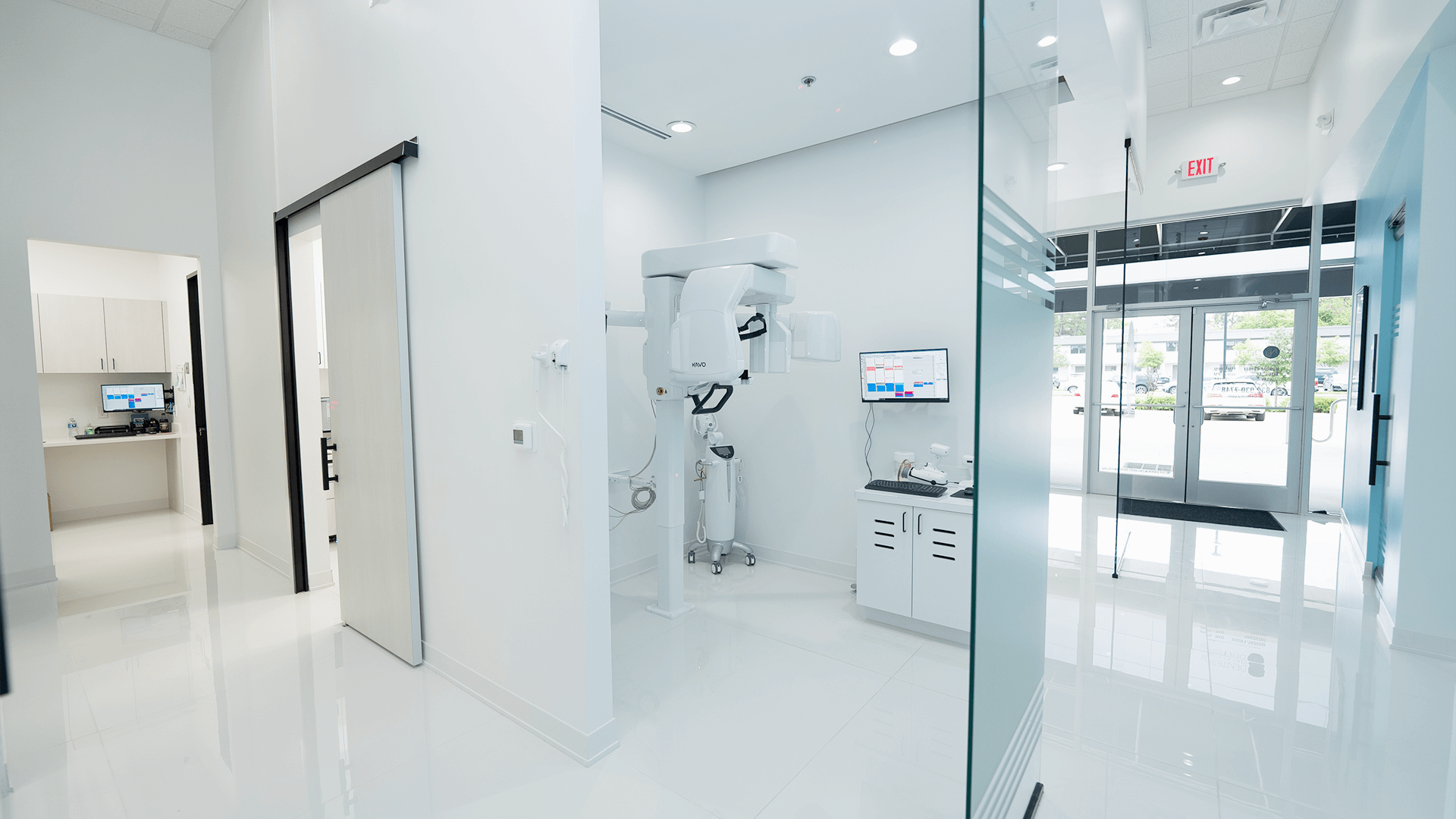
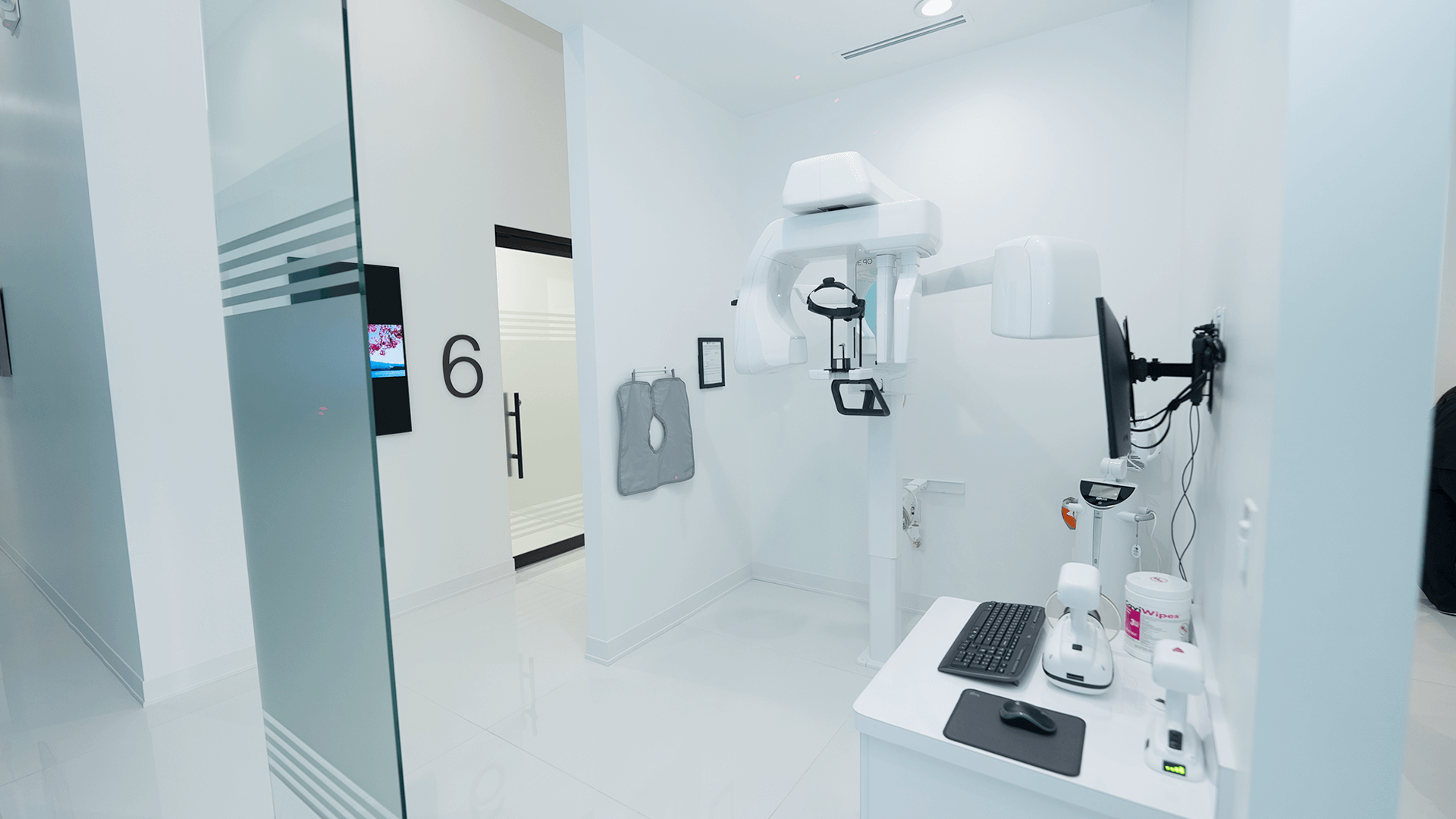
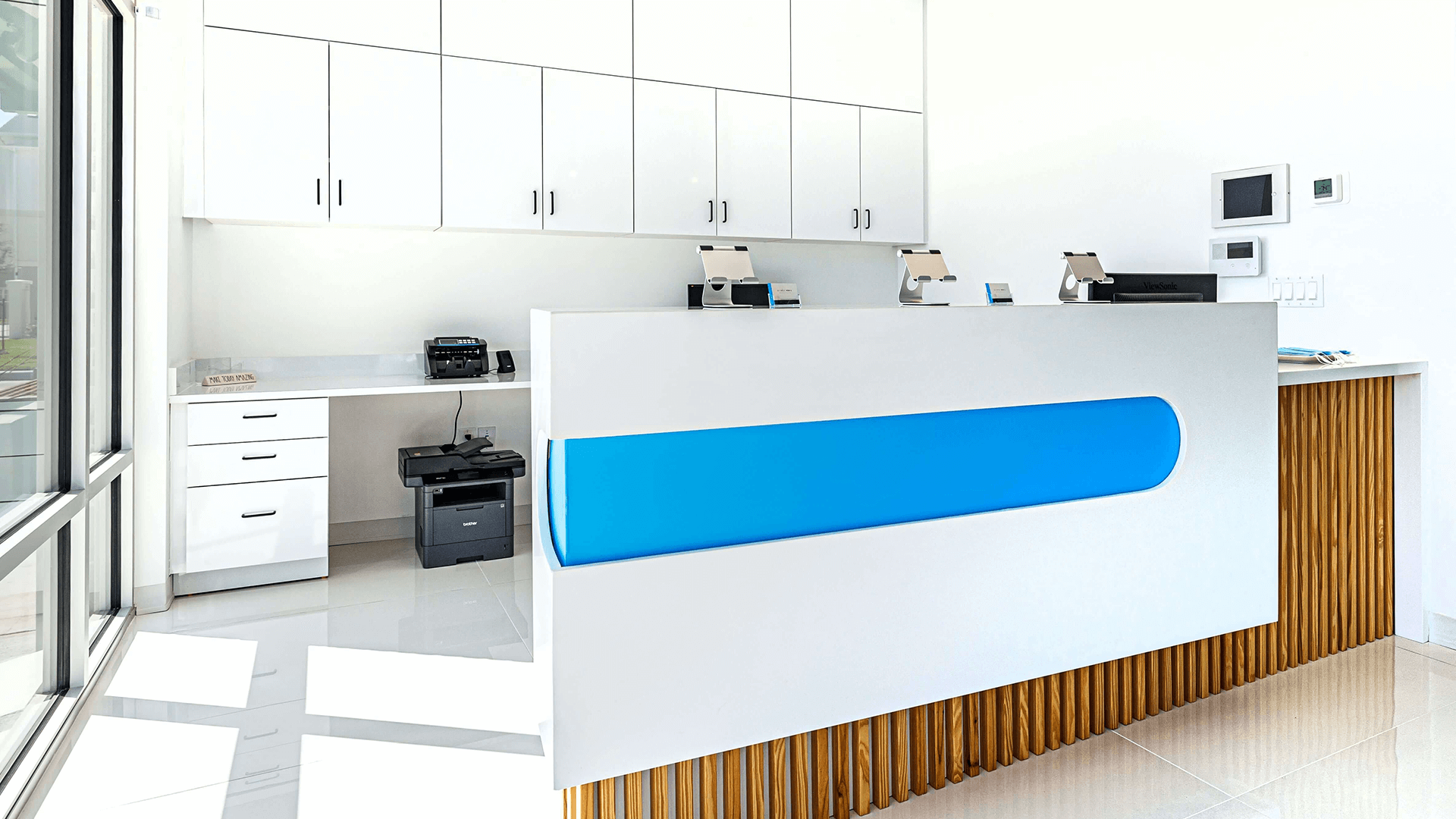
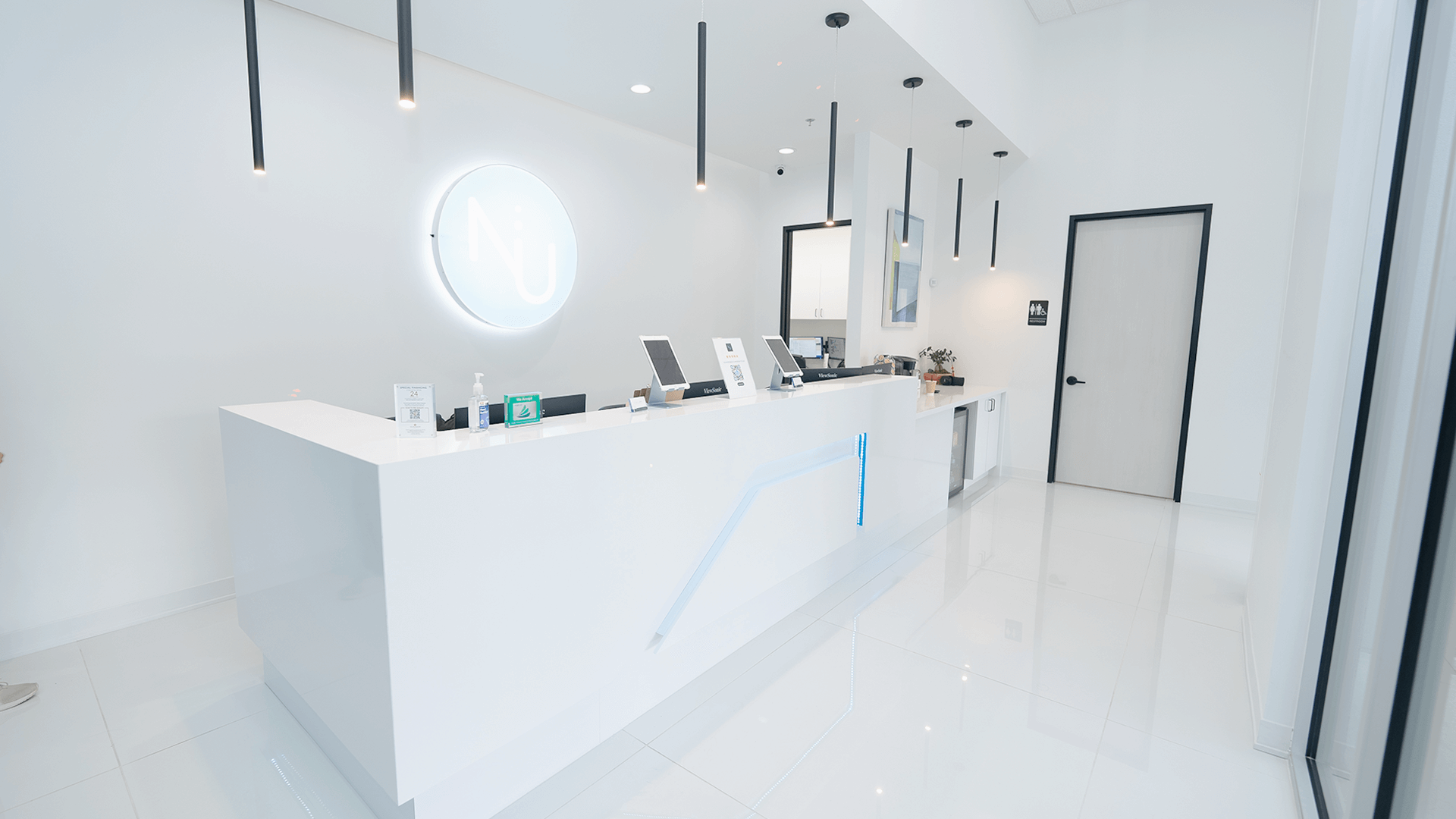
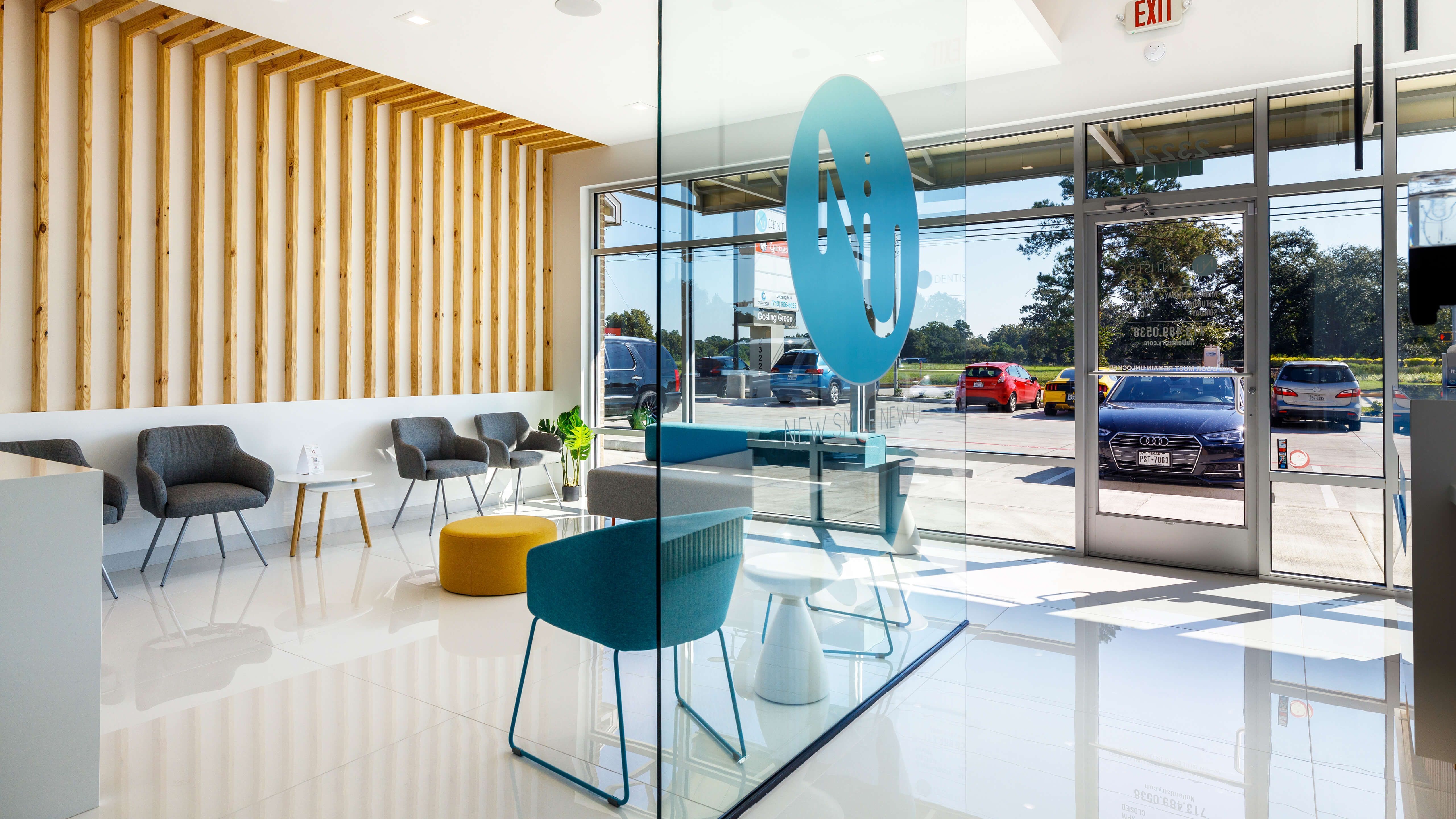
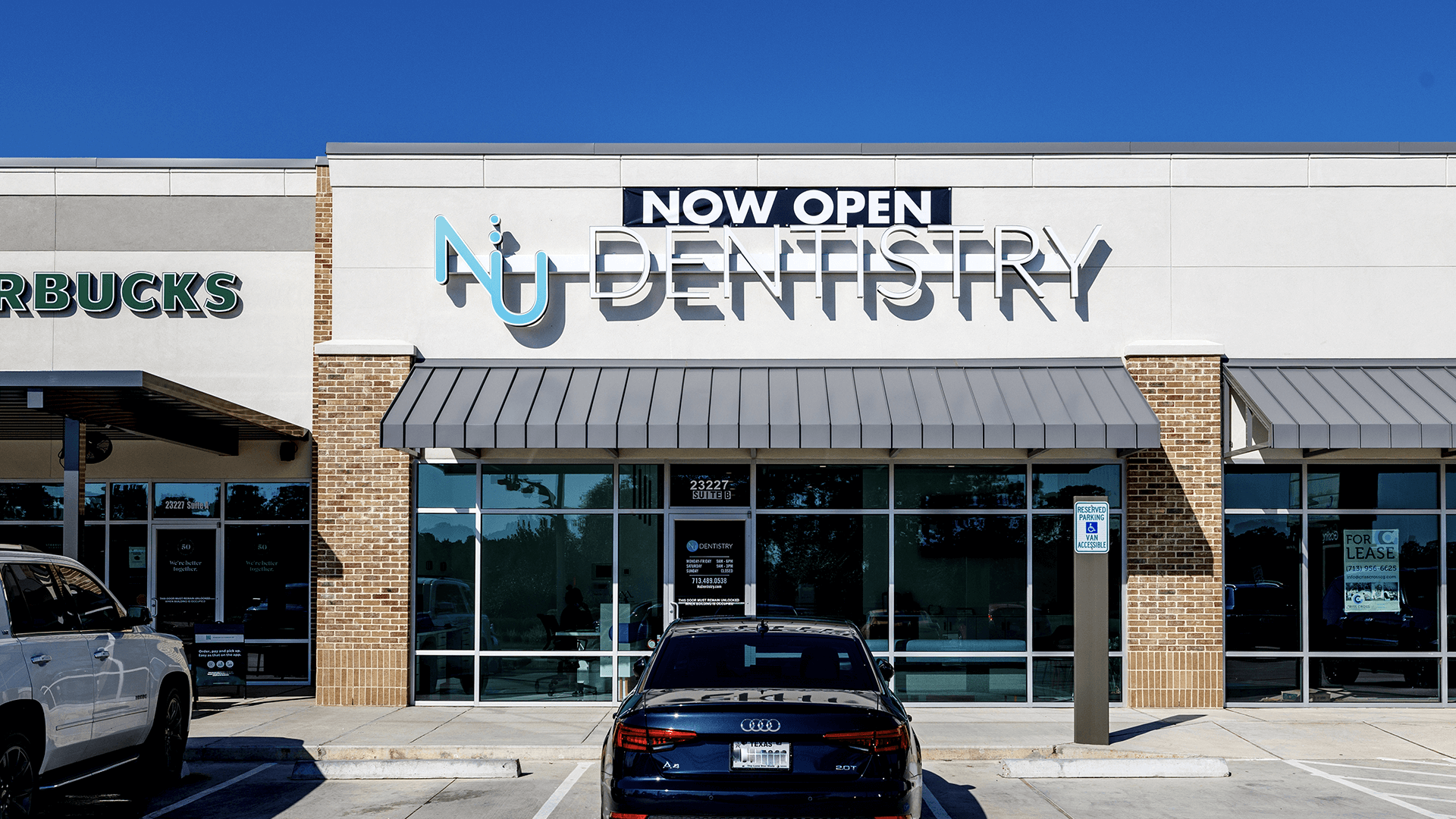
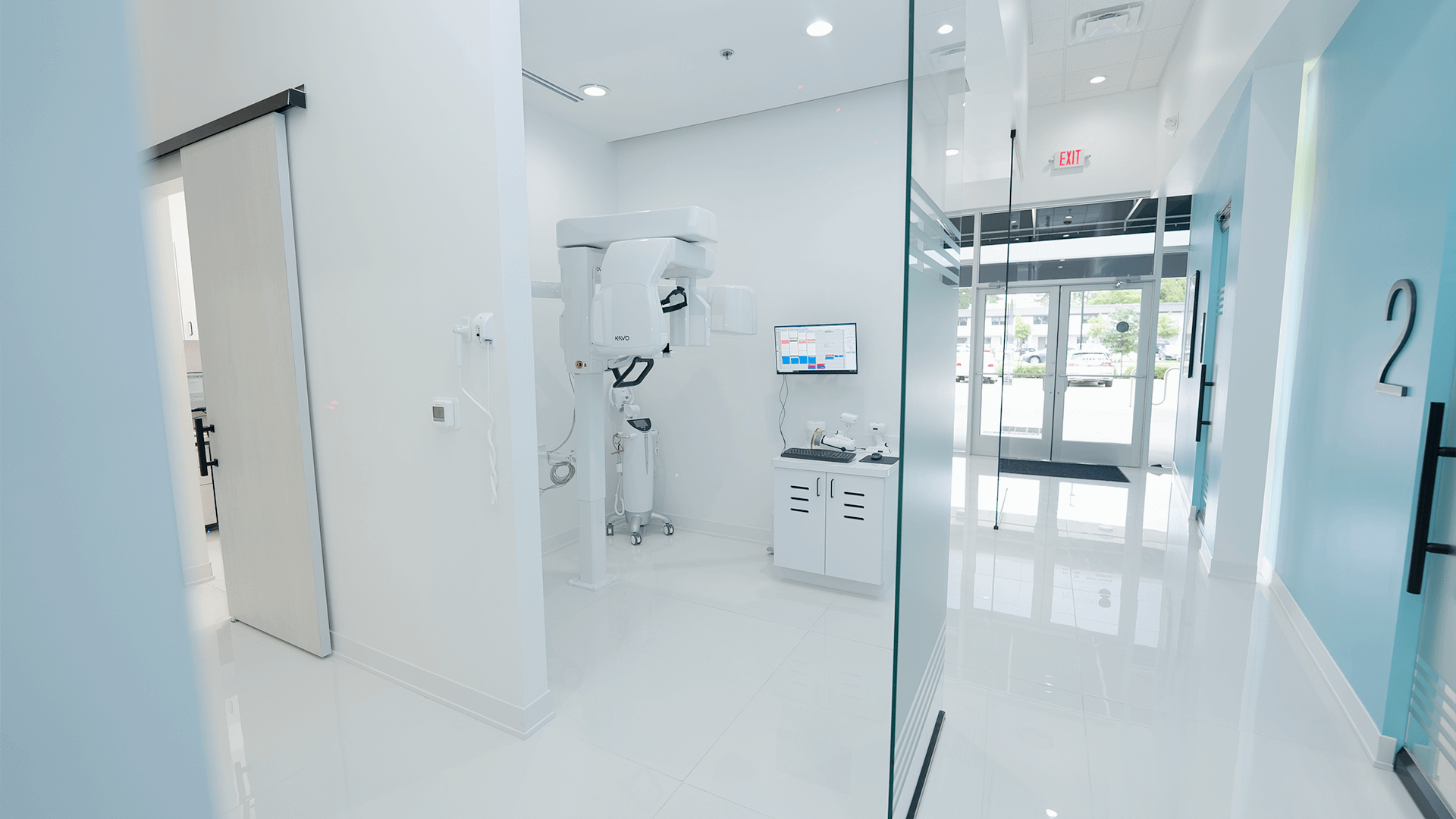
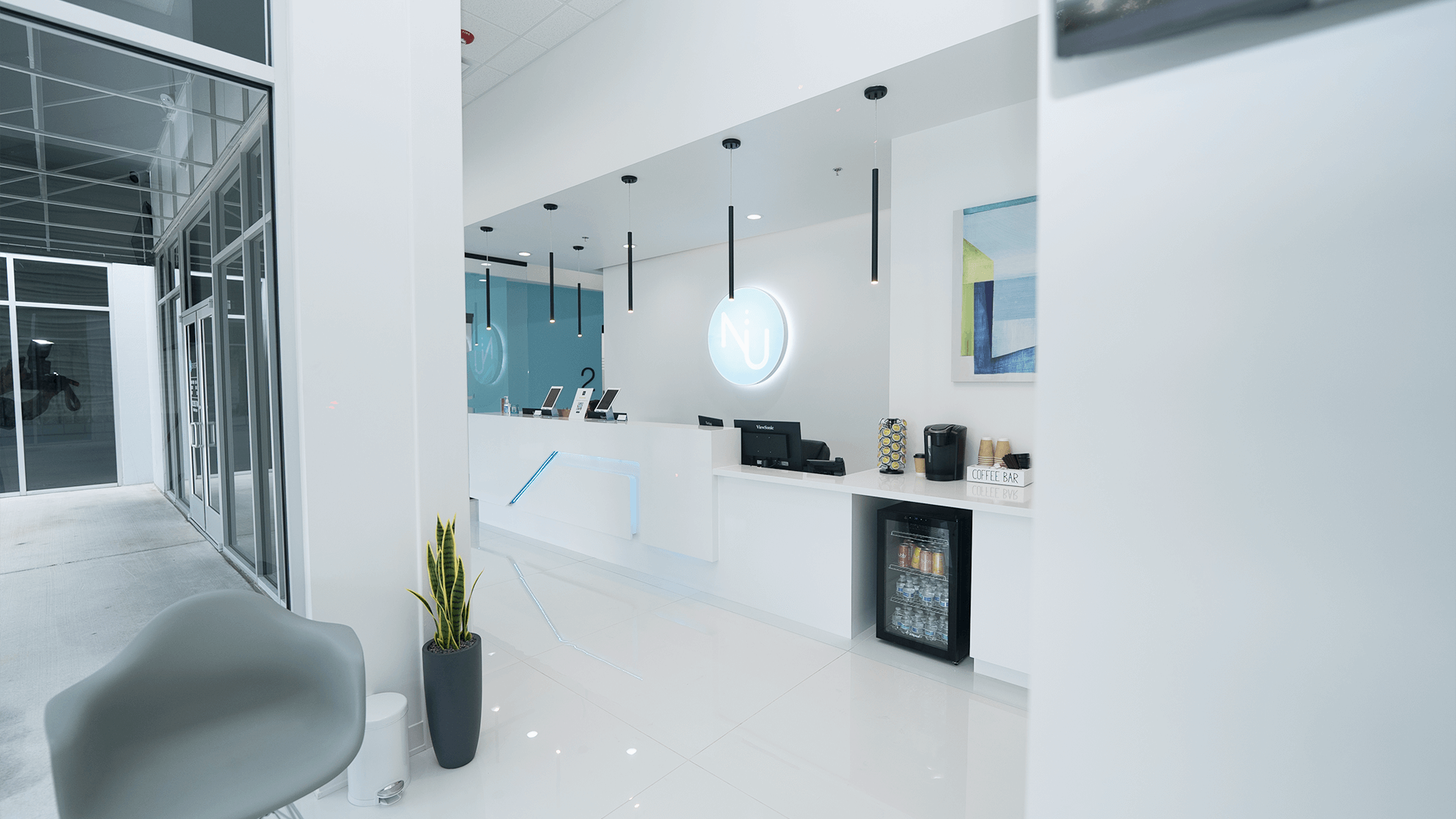
See what a visit to our modern, state-of-the-art dentist office is like!













Monday 9am - 6pm
Wednesday 9am - 6pm
Friday 9am - 6pm
Saturday 9am - 3pm
Check out what our patients are saying in Houston, TX


“Never Thought I'd Say It”
I never thought I’d say it, but going to the dentist is actually fun now. I recently came in for a root canal, and I got to sit back and catch up on Stranger Things without any pain!

“Anxiety Has Kept Me Away ”
I usually have such huge anxiety when I go to a dentist appointment, which means I always put off visits until the last minute to disastrous consequences. However, Dr. Loggins helped me with sedation, so the entire process was a breeze!

“The Best Dentist In Houston, TX”
We have been looking for a family dentist for a long time, we have tried a bunch of places but nothing felt quite like home. Not too long ago we stumbled upon Nu Dentistry and met Dr. Ali. Not only was he professional, kind, and gentle, but he always finds a way to fit us in when we need an appointment. He’s also pretty funny! I appreciate that he takes the time to explain what he’s doing, before he does it. That really puts me at ease.
“Never Thought I'd Say It”
I never thought I’d say it, but going to the dentist is actually fun now. I recently came in for a root canal, and I got to sit back and catch up on Stranger Things without any pain!
“Anxiety Has Kept Me Away ”
I usually have such huge anxiety when I go to a dentist appointment, which means I always put off visits until the last minute to disastrous consequences. However, Dr. Loggins helped me with sedation, so the entire process was a breeze!
We are proud members of these dental organizations and accreditations








We are dedicated to providing you with only the best quality dental care