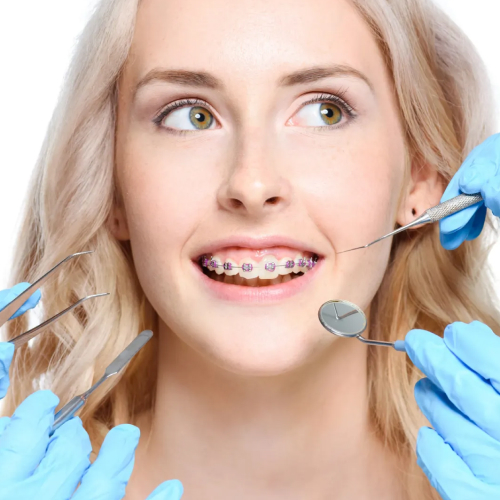
Ceramic vs. Metal Braces: Which One Actually Hurts More?
Wondering if ceramic or metal braces hurt more? Compare discomfort levels, pros, and cons to find the best fit. Schedule your orthodontic visit today!
Read More
Medically Reviewed by Dr. Ali Tameemi
Lingual, ceramic, and metal braces each come with real trade-offs that most patients don't discover until they're already in treatment. For Houston-area patients, understanding how friction, staining, and tongue adjustment affect your daily life — and your total time in braces — helps you make a smarter choice from the start. Whether you're exploring dental braces for the first time or reconsidering your options, knowing what to expect upfront makes all the difference.
Choosing braces based on looks alone is one of the most common mistakes adult patients make. Both ceramic and lingual braces promise discretion, but the way each delivers on that promise is dramatically different — and so are the surprises that come with them.
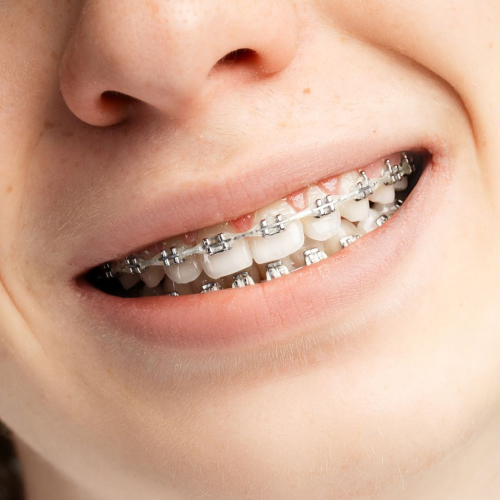
Ceramic braces and the staining paradox. The ceramic brackets themselves resist staining reasonably well. The problem is the clear elastic ligatures — the tiny rubber bands that hold the wire in the bracket slot. Those bands are highly porous, and they pick up pigment fast. Turmeric, balsamic vinegar, red wine, and coffee can turn clear ligatures yellow or orange within hours. For patients who spent extra money specifically to avoid visible hardware, discovering that their brackets look "dirty" after one dinner out is genuinely frustrating.
There's a practical workaround: time your staining meals strategically. Ligatures are replaced at every tightening appointment, typically every four to six weeks. Eating high-pigment foods in the days just before that appointment — rather than right after — means the staining is short-lived. After the appointment, stick to lower-risk foods while the fresh bands are new. Metal braces sidestep this entirely; colored ligatures hide everything, and staining is never a concern.
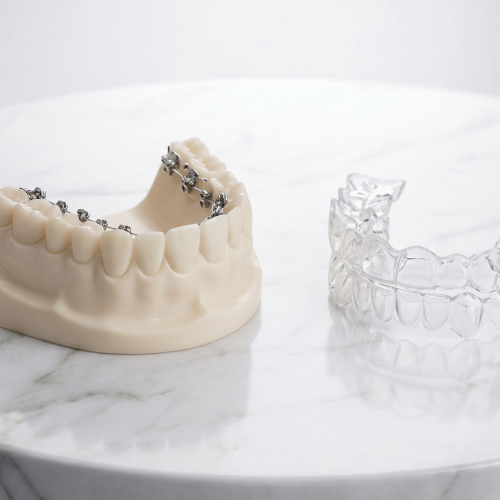
Lingual braces and the tongue adjustment nobody warns you about. Lingual brackets sit on the tongue-side surface of your teeth, directly in the path your tongue takes when forming sounds. The first week isn't just a mild lisp — it involves physical tongue ulceration as the tissue contacts bracket edges repeatedly. Your brain has to remap how it produces "S," "Th," and "Z" sounds entirely.
The good news is that the tongue callouses over time. Most patients notice meaningful improvement by week two to three. Practicing specific phonetic drills — slowly repeating words like "sixty-six," "thesis," and "sophisticated" — helps accelerate that remapping process. Think of it less as waiting for the discomfort to stop and more as actively retraining articulation. According to WebMD, lingual braces do carry a higher likelihood of speech difficulty compared to labial appliances, though this side effect reduces over time.
Most conversations about metal versus ceramic braces focus on durability in the sense of "will it break?" But there's a more clinically relevant question: how does the bracket material affect how fast your teeth actually move?
Metal-on-metal — a stainless steel wire running through a stainless steel bracket slot — produces significantly less friction than a metal wire inside a ceramic bracket slot. Ceramic material has a higher coefficient of friction, which means the wire can bind rather than slide freely. That binding slows tooth movement. In practical terms, ceramic braces can sometimes add months to a treatment timeline compared to metal, particularly during the space-closure and finishing phases when precise wire engagement matters most.
Research published in PMC confirms that while lingual orthodontics meets biomechanical goals, the material and positioning of brackets significantly influence treatment mechanics. A similar friction principle applies when comparing ceramic to metal on the labial (front) surface.
This doesn't mean ceramic braces are a poor choice — for many patients, the aesthetic benefit outweighs a potential extension of treatment. But it does mean that if getting out of braces as quickly as possible is your priority, metal brackets have a genuine mechanical advantage that goes beyond cost savings. Patients who want a straighter smile without fixed hardware might also consider Invisalign as an alternative worth discussing with your provider.
Metal braces also win on outright durability. A clinical study cited by Healthline notes that ceramic brackets are more than twice as likely to fracture compared to metal. Broken brackets require emergency appointments, which interrupt the treatment schedule and can extend total treatment time — compounding the friction issue mentioned above.
Lingual braces can correct the same range of alignment issues as conventional labial braces for most patients. The 2016 research reviewed by Healthline's lingual braces overview showed that lingual treatment consistently achieved planned treatment goals. However, patients with very deep overbites may experience more frequent bracket dislodgement because the bite contacts the lingual hardware directly.
From a lifestyle standpoint, lingual braces offer some genuine advantages that rarely get mentioned. Musicians who play woodwind or brass instruments don't need to adjust their embouchure — because the brackets are behind the teeth, lip and mouth position remain unaffected. The same applies to contact sports where a hit to the mouth is less likely to lacerate the cheeks or lips against bracket edges. Maintaining good oral health throughout any orthodontic treatment is also essential, and keeping up with your cleaning and exam appointments helps prevent issues like gum inflammation or gum disease that can complicate treatment.
Compliance and comfort tell a more nuanced story. A randomized trial published in PMC comparing lingual braces to clear aligners found that 85% of lingual brace patients maintained compliance over 12 months — a strong figure, though slightly below the 92% seen with clear aligners. Comfort acceptance was 60% for lingual braces versus 80% for aligners, suggesting that lingual braces require more patient adjustment but remain a viable fixed option for those who need it.
Not every orthodontist is trained to place lingual braces. Because the brackets are customized to the lingual surface of each tooth — often using CAD/CAM technology for a precise fit — the process is more technique-sensitive and typically more expensive than either metal or ceramic options.
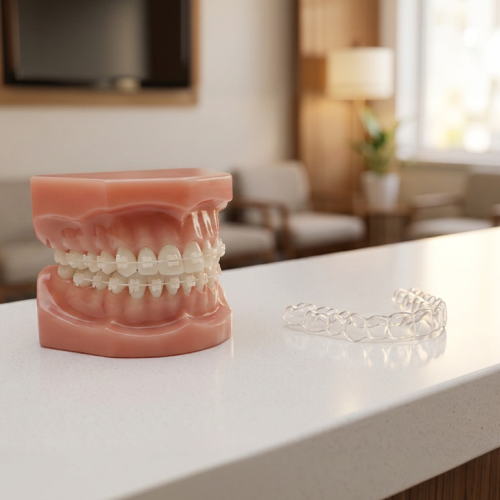
There's no single "best" type of braces — the right choice depends on your bite complexity, your lifestyle, your timeline, and how much the visibility of hardware matters to you day-to-day. Metal braces move teeth efficiently with less friction and fewer breakages. Ceramic braces offer a subtler appearance but require dietary awareness and may extend treatment slightly. Lingual braces are the most discreet fixed option available, but they demand a real adjustment period for speech and tongue comfort. For patients interested in enhancing their smile beyond alignment, options like porcelain veneers or aesthetic dentistry treatments can complement orthodontic results beautifully.
At Nu Dentistry Garden Oaks, our Houston team helps patients in Garden Oaks and the greater Houston area work through exactly these trade-offs. If you're weighing your options and want a clear picture of what each type of braces would actually look and feel like for your specific case, reach out to schedule a consultation.
Medical disclaimer: This article is intended for general informational purposes only and does not constitute professional dental or medical advice. Always consult a licensed dental provider regarding your individual oral health needs.
Fresh news from the dental world
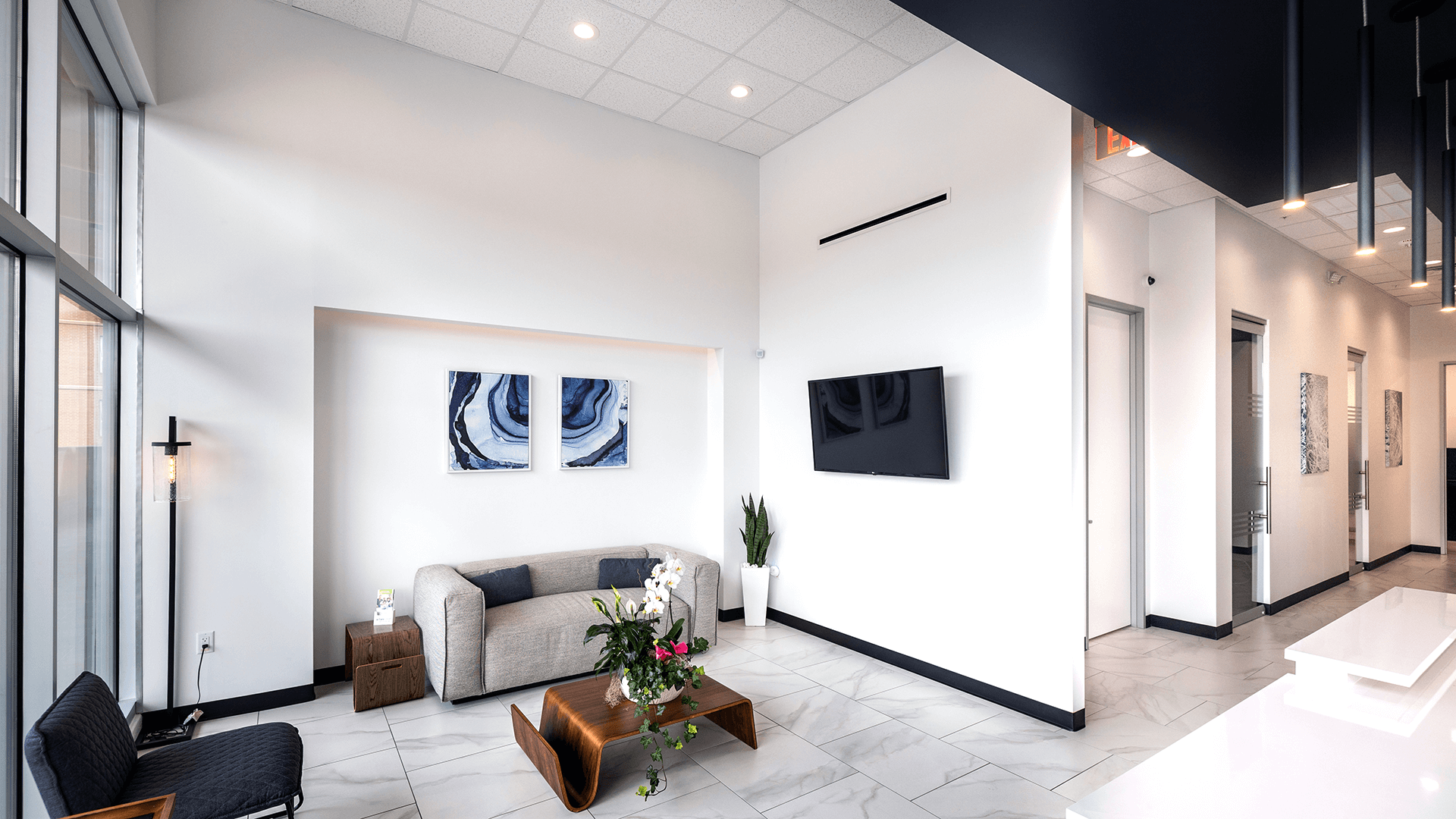
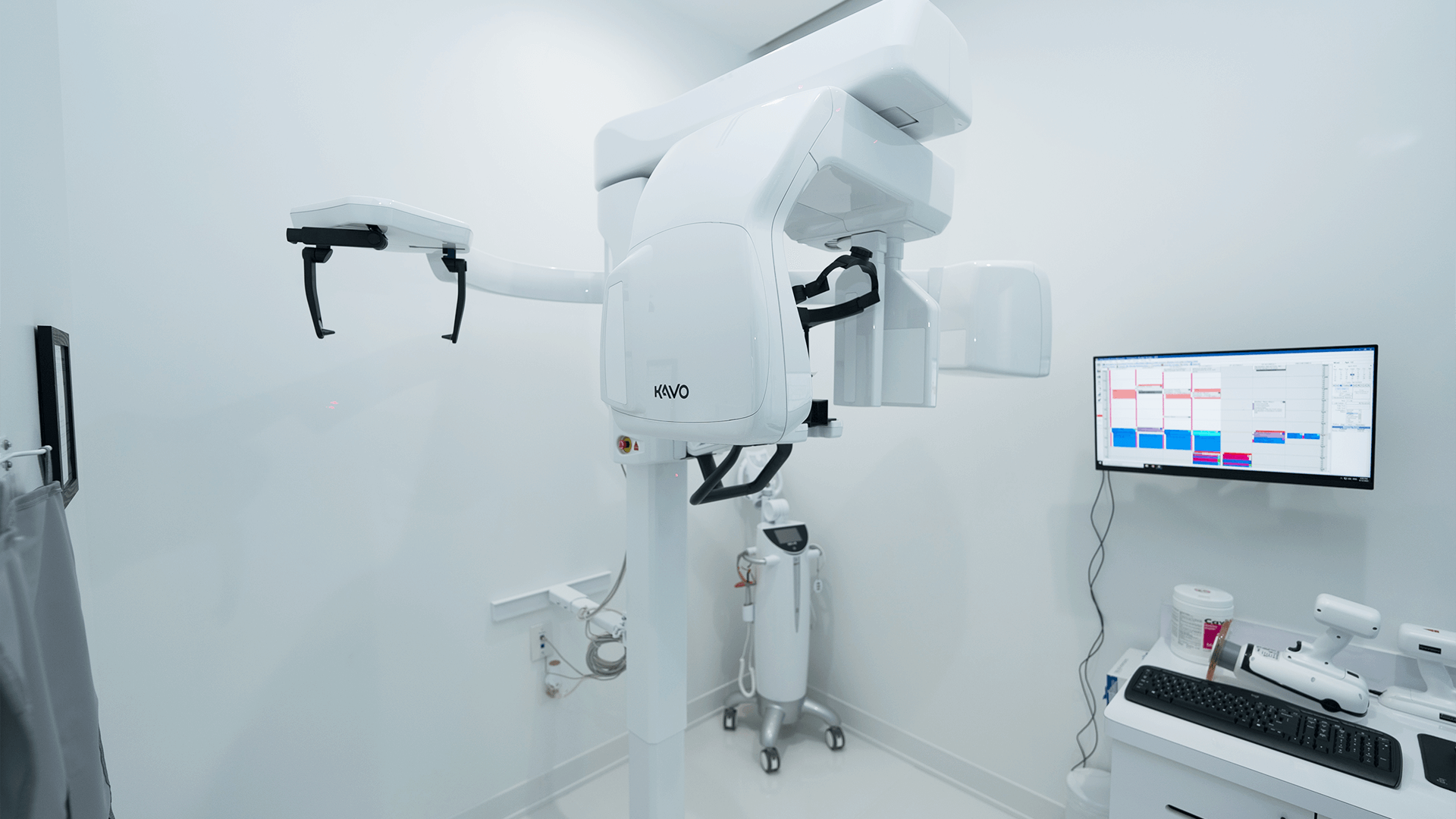
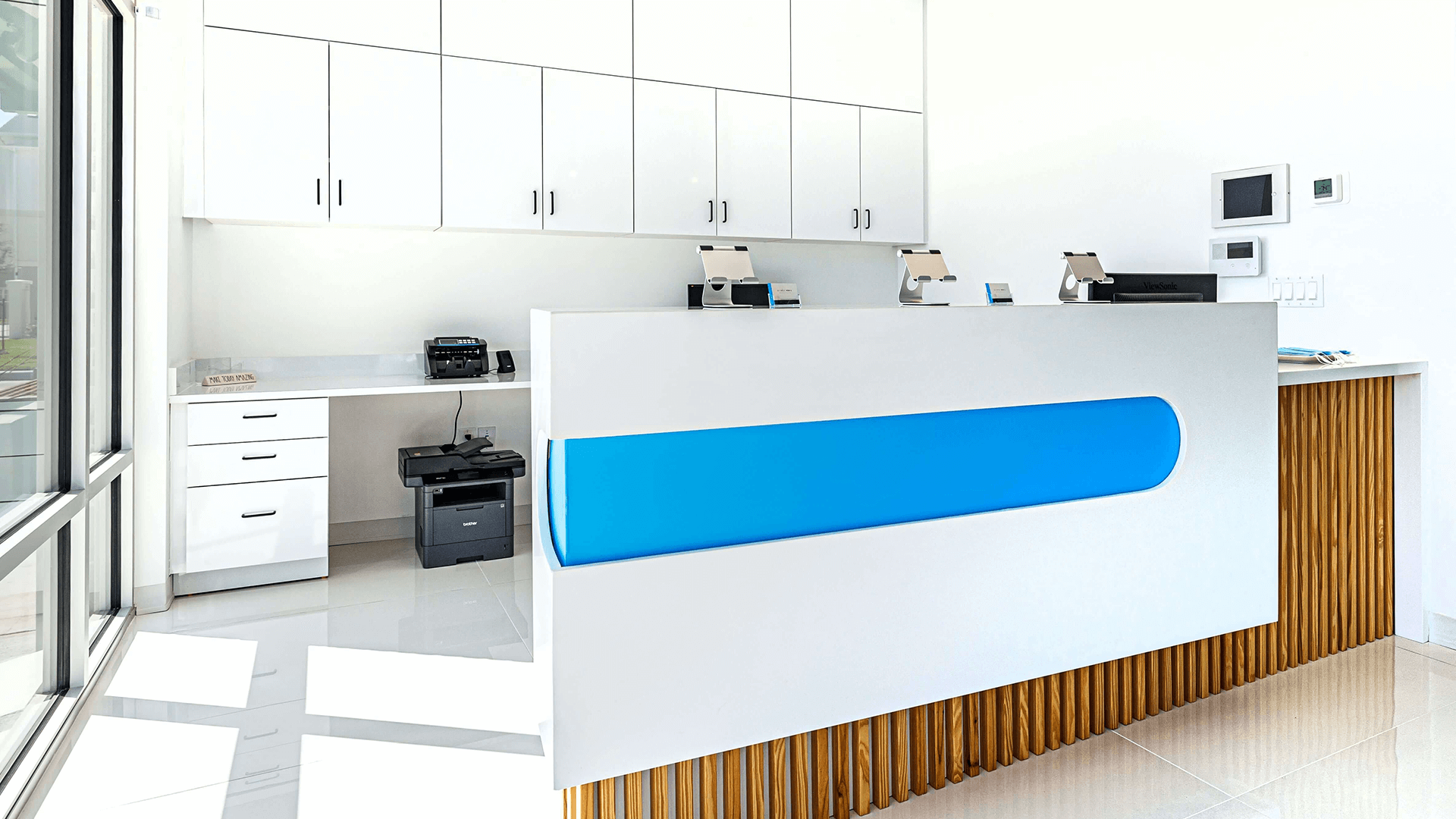
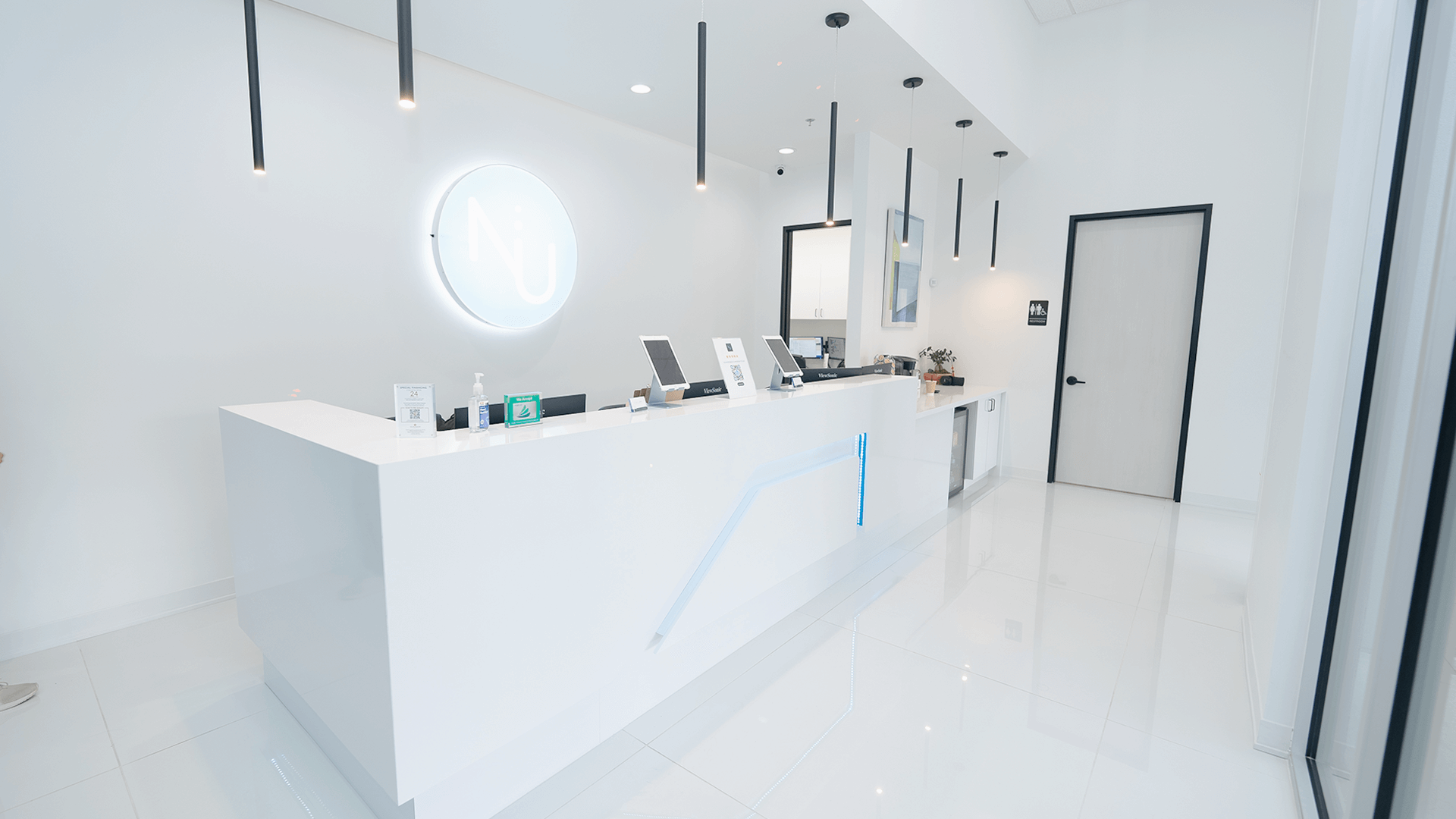
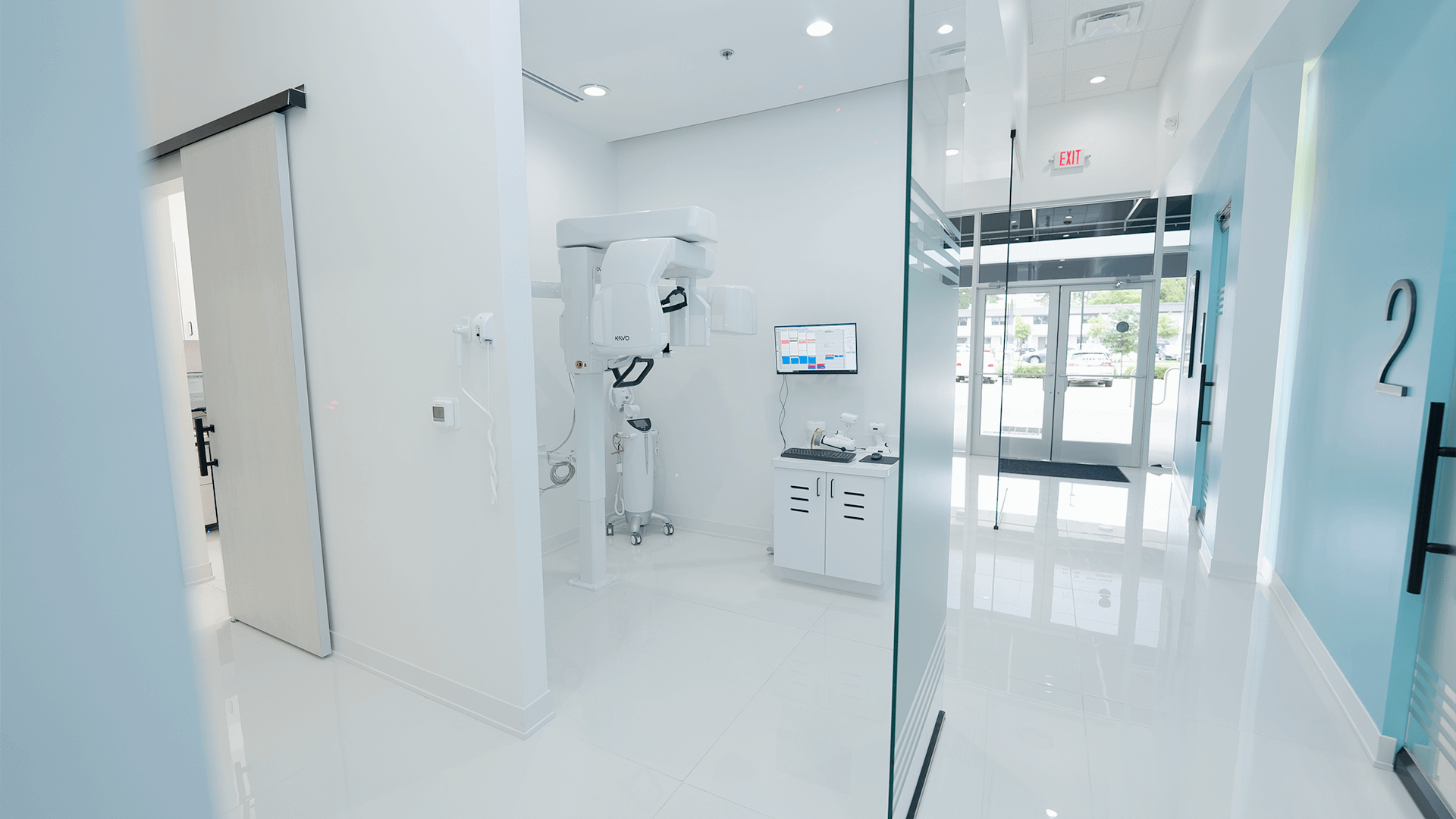
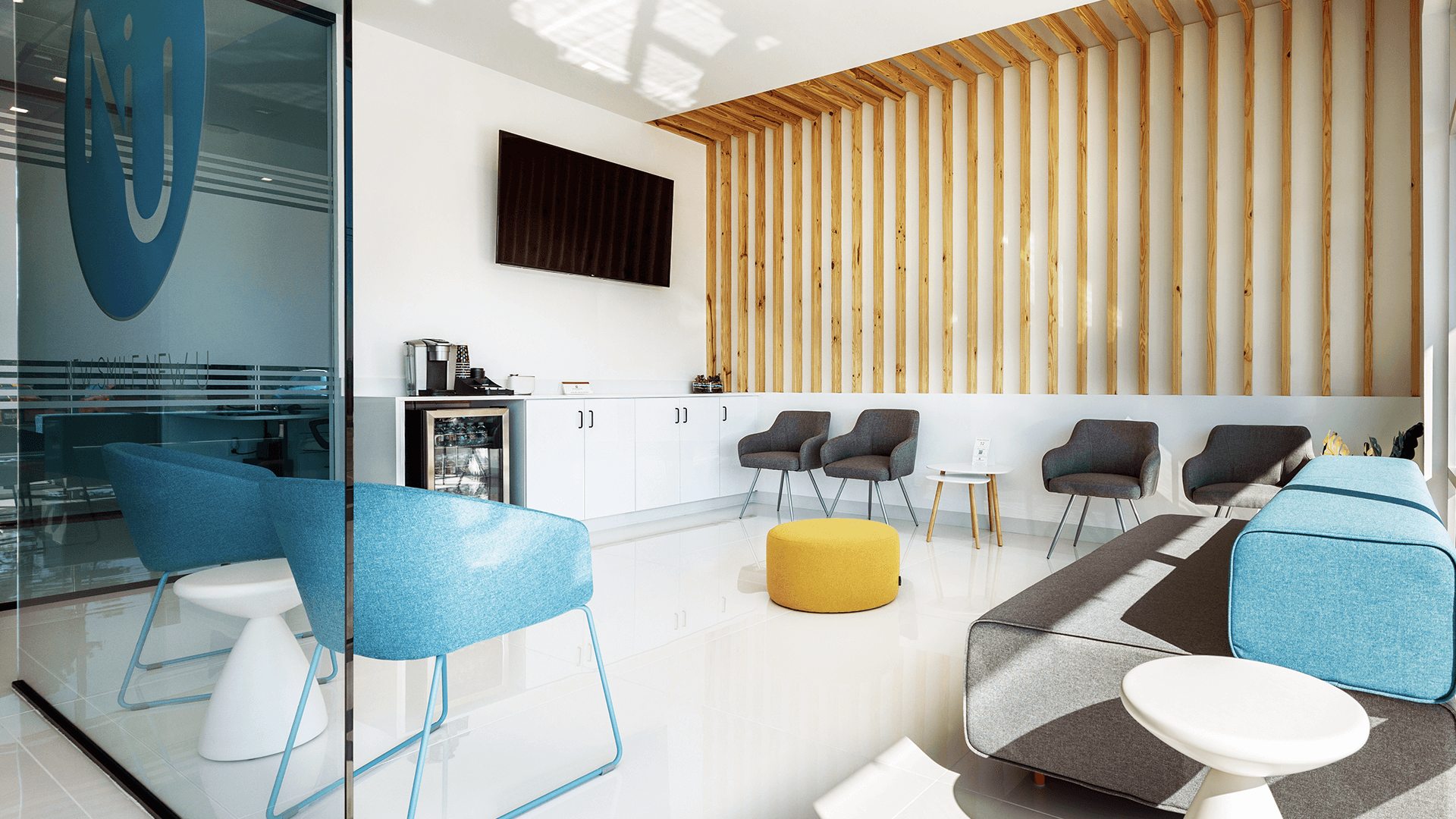
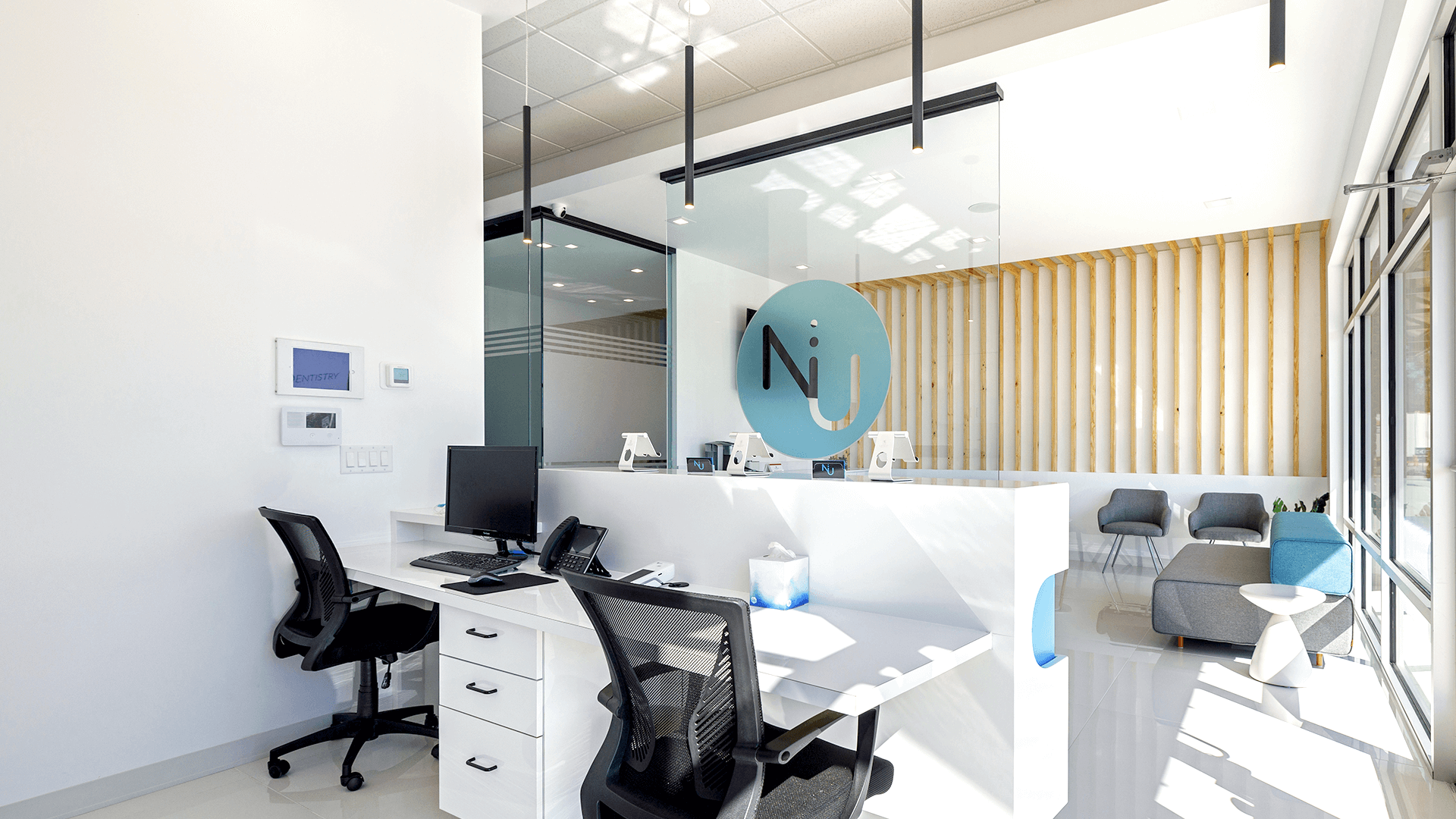
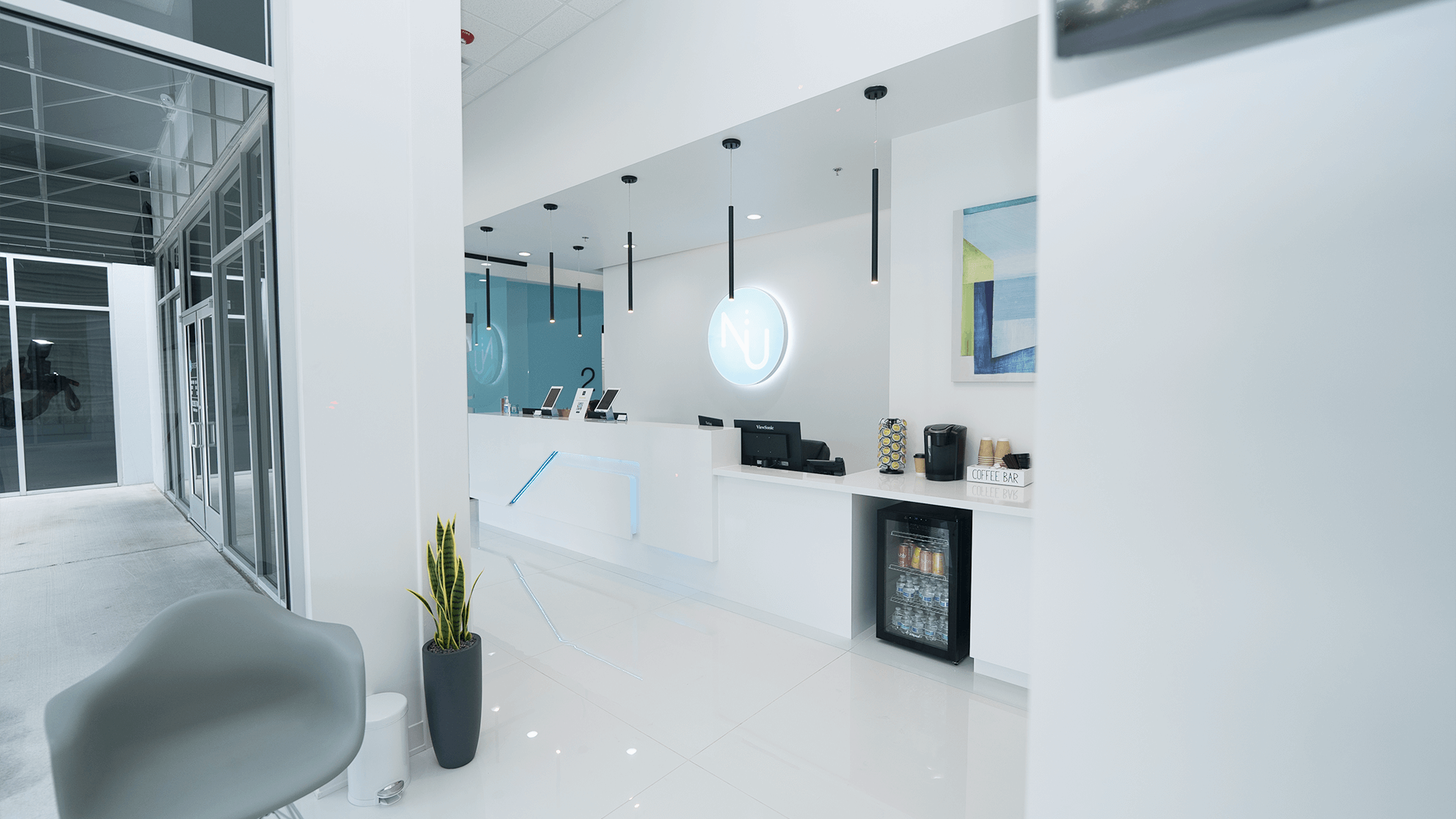
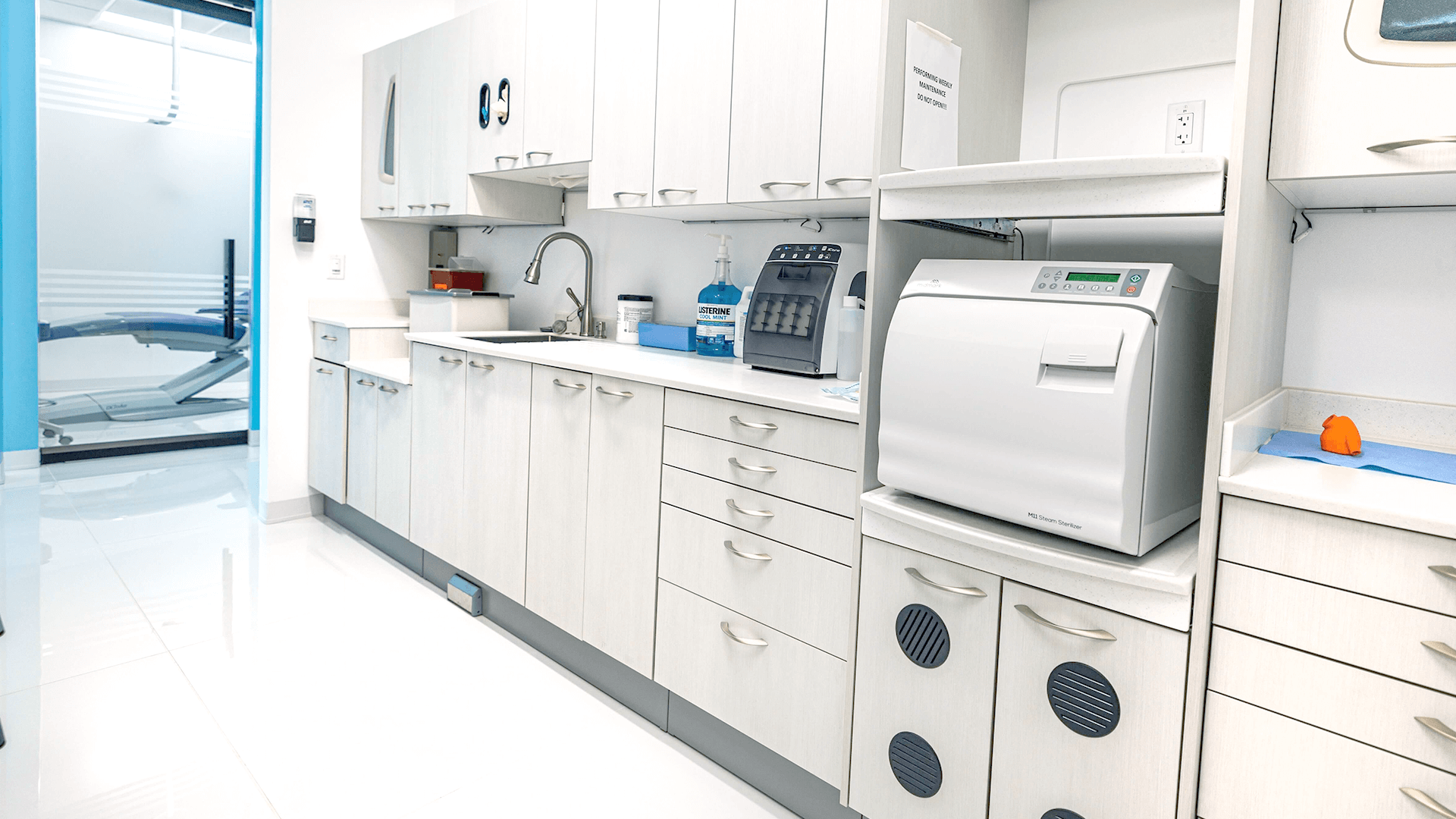
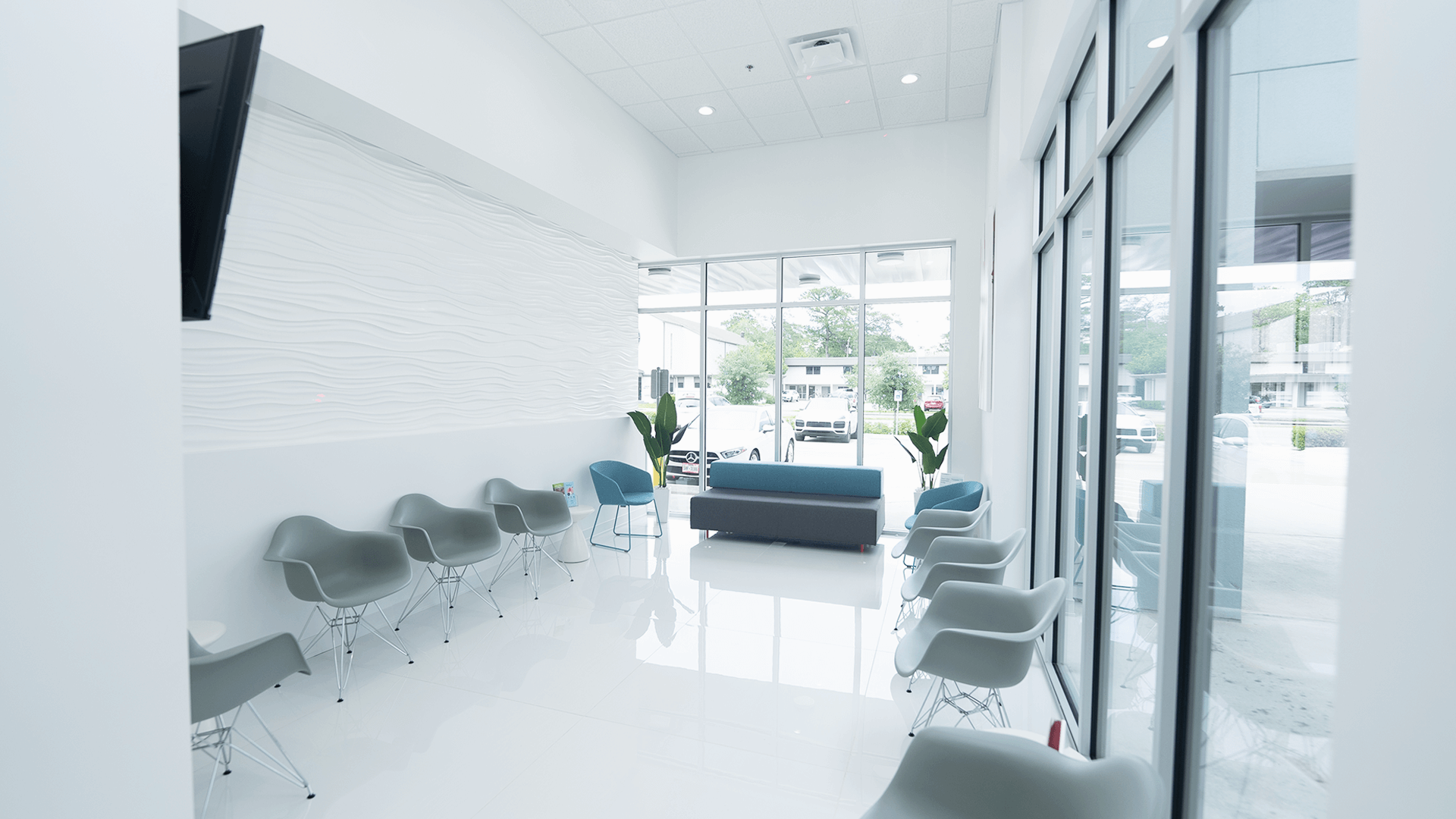
See what a visit to our modern, state-of-the-art dentist office is like!

Monday 9am - 6pm
Wednesday 9am - 6pm
Friday 9am - 6pm
Saturday 9am - 3pm
Check out what our patients are saying in Houston, TX


“Never Thought I'd Say It”
I never thought I’d say it, but going to the dentist is actually fun now. I recently came in for a root canal, and I got to sit back and catch up on Stranger Things without any pain!

“Anxiety Has Kept Me Away ”
I usually have such huge anxiety when I go to a dentist appointment, which means I always put off visits until the last minute to disastrous consequences. However, Dr. Loggins helped me with sedation, so the entire process was a breeze!

“The Best Dentist In Houston, TX”
We have been looking for a family dentist for a long time, we have tried a bunch of places but nothing felt quite like home. Not too long ago we stumbled upon Nu Dentistry and met Dr. Ali. Not only was he professional, kind, and gentle, but he always finds a way to fit us in when we need an appointment. He’s also pretty funny! I appreciate that he takes the time to explain what he’s doing, before he does it. That really puts me at ease.
“Never Thought I'd Say It”
I never thought I’d say it, but going to the dentist is actually fun now. I recently came in for a root canal, and I got to sit back and catch up on Stranger Things without any pain!
“Anxiety Has Kept Me Away ”
I usually have such huge anxiety when I go to a dentist appointment, which means I always put off visits until the last minute to disastrous consequences. However, Dr. Loggins helped me with sedation, so the entire process was a breeze!
We are proud members of these dental organizations and accreditations






We are dedicated to providing you with only the best quality dental care