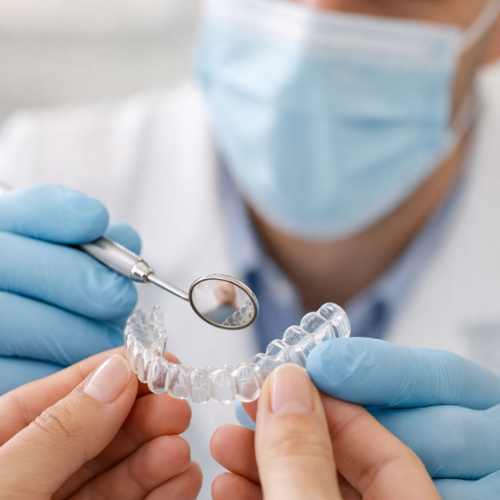
Why Your Invisalign Trays Aren't Fitting — and What to Do About It
Invisalign trays not fitting right in Houston? Learn about gaps, tracking, and refinements from Nu Dentistry Garden Oaks. Get answers today.
Read More
Wearing aligners is one of the easiest ways to straighten your teeth without the brackets and wires of traditional braces. They are discreet, removable, and designed to fit seamlessly into your daily life. But there is one part of aligner care that often gets overlooked or rushed through, and that is cleaning.
Aligners sit against your teeth for most of the day. They trap moisture, bacteria, and food particles if they are not cleaned properly. Over time, this can lead to odors, discoloration, irritation, and even oral health issues. Many people assume that a quick rinse under the tap is enough. In reality, keeping your aligners truly clean takes a little more intention.
At Nu Dentistry Garden Oaks, we see firsthand how proper aligner care makes a difference in comfort, confidence, and treatment results. A clean aligner feels better, looks better, and supports healthier teeth and gums. This blog walks you through what really matters when it comes to keeping your aligners fresh and safe, without turning it into a complicated routine.
Aligners are designed to be worn 20 to 22 hours a day. That means they are in constant contact with your saliva, teeth, and gums. Every time you eat or drink anything other than water, microscopic food particles remain in your mouth. When aligners go back in without proper cleaning, those particles become trapped.
This creates a warm, moist environment where bacteria can thrive.
Over time, poor aligner hygiene can lead to:
1. Persistent bad breath: Even if you brush regularly, dirty aligners can hold onto odor causing bacteria.
2. Cloudy or yellowed trays: Clear aligners lose their transparency when residue builds up.
3. Increased risk of cavities: Bacteria trapped between aligners and teeth produce acids that weaken enamel.
4. Gum irritation and inflammation: Plaque buildup can irritate the gums, making them red and tender.
5. Unpleasant taste in the mouth: Many patients describe a sour or stale taste when aligners are not cleaned properly.
Cleaning your aligners is not just about appearance. It is about protecting your oral health while your teeth are moving.
This is one of the most common questions patients ask, and for good reason. Many people assume once a day is enough. The truth is, aligners should be cleaned more often than that.
Ideally, you should clean your aligners every time you remove them.
That means:
• In the morning
• After meals
• Before bed
If that feels excessive, think about how often you brush your teeth. Aligners are part of your oral environment. They deserve the same level of care.
Here are some simple habits that make a big difference:
1. Rinse immediately after removal: Whenever you take your aligners out, rinse them under lukewarm water. This prevents saliva from drying onto the surface and forming a film.
2. Brush gently at least twice a day: Use a soft toothbrush dedicated to your aligners. Gently brush them morning and night to remove buildup.
3. Avoid letting them dry out: Dried saliva becomes harder to remove. Keep aligners in a clean case or soaking solution if they are out of your mouth.
4. Never wrap them in tissue: This is one of the most common ways aligners get thrown away accidentally. A proper case keeps them safe and cleaner.
Consistency is what prevents bacteria from establishing a foothold. When cleaning becomes automatic, problems rarely develop.
Aligners may look sturdy, but they are made of specialized medical grade plastic. That means they require gentle care. Some cleaning methods that seem harmless can actually cause microscopic scratches or warping. Here is what works best.
Safe and effective cleaning methods
1. Clear, fragrance free soap: A small amount of mild liquid soap and lukewarm water can effectively remove residue. Avoid anything with heavy fragrance or dye.
2. Aligner cleaning crystals or tablets: These are designed specifically for clear aligners. They help break down bacteria and buildup without damaging the material.
3. Soft bristle toothbrush: Always use a soft brush. Hard bristles can scratch the surface, making aligners more likely to trap bacteria.
4. Room temperature or cool water: Heat can warp aligners. Never use hot water.
What to avoid
Some common mistakes can shorten the life of your aligners or make them harder to keep clean:
1. Toothpaste: Most toothpaste contains abrasives meant for enamel, not plastic. These can scratch aligners and make them appear cloudy.
2. Mouthwash: Many mouthwashes contain alcohol and strong dyes. These can discolor aligners and weaken the material.
3. Hot water: Heat can change the shape of your aligners, which affects how they fit and move your teeth.
4. Baking soda and vinegar mixtures: While popular online, these can be too harsh for daily use.
When in doubt, gentler is better.
Even perfectly cleaned aligners will not stay fresh if your oral hygiene is inconsistent. Everything works together.
Here is why:
When you brush and floss thoroughly, you reduce the amount of bacteria and food debris in your mouth. That means fewer contaminants get trapped inside your aligners.
If you skip brushing before putting aligners back in, you are essentially sealing bacteria against your teeth.
A simple daily routine
Morning
Brush teeth
Clean aligners
Put aligners in
After meals
Rinse mouth
Brush if possible
Rinse aligners
Put them back in
Evening
Floss
Brush thoroughly
Clean aligners
Soak if needed
This routine takes only a few extra minutes a day but can prevent many issues later.
Skipping aligner cleaning might not seem like a big deal at first. Many people only realize the consequences once they experience them.
Short term effects
In the beginning, you might notice:
• A strange taste in your mouth
• Mild odor
• Slight cloudiness
These are early signs that bacteria are building up.
Long term consequences
Over time, improper cleaning can lead to more serious issues:
1. Increased cavity risk: Bacteria trapped under aligners feed on sugars and release acids. This can erode enamel.
2. Gum inflammation: Gums may become red, swollen, or sensitive.
3. White spot lesions: These are early signs of enamel damage that appear as chalky white patches.
4. Slower treatment progress: Inflamed gums and tooth decay can interfere with aligner wear.
5. More dental visits: Issues caused by poor hygiene may require additional treatments.
Aligners are meant to improve your smile, not create new problems.
Traditional braces are fixed in place. Aligners are removable, which is a huge advantage. But that advantage also means the responsibility falls more on you.
With braces, saliva naturally washes over the teeth throughout the day. With aligners, saliva movement is limited. This makes cleaning more important.
Aligners also cover the entire surface of your teeth. That means bacteria can hide in places you cannot see.
Proper care is what keeps aligners comfortable and safe.
Even well meaning patients can fall into habits that harm their aligners.
Here are some of the most common:
1. Drinking sugary or colored drinks while wearing aligners: This can stain trays and feed bacteria.
2. Only rinsing with water: Water alone does not remove plaque or biofilm.
3. Skipping nighttime cleaning: Nighttime is when bacteria multiply most easily.
4. Using harsh cleaners: These damage the plastic and create tiny scratches.
5. Not replacing cases regularly: Dirty cases contaminate clean aligners.
Avoiding these habits helps protect your investment and your health.
Clear aligners are meant to be invisible. When they start to look cloudy or yellow, many patients feel self conscious.
Here is how to prevent that.
Tips for clarity
1. Soak regularly: Soaking aligners in a gentle cleaning solution helps dissolve buildup.
2. Avoid coffee, tea, and wine while wearing them: These drinks stain plastic easily.
3. Brush lightly but consistently: Gentle brushing prevents buildup without scratching.
4. Store them properly: A clean case protects them from bacteria and debris.
Clarity is a reflection of cleanliness.
Life does not stop just because you are wearing aligners. Travel, work, and social events can make routines harder to maintain.
A small travel kit can help.
What to carry
• A spare aligner case
• A soft toothbrush
• A small bottle of mild soap
• Travel size cleaning tablets
This makes it easier to stay consistent no matter where you are.
Even with the best home care, professional checkups remain essential. Your dentist can spot early signs of enamel damage, gum irritation, or wear on your aligners.
At Nu Dentistry Garden Oaks, we evaluate more than just tooth movement. We look at how your aligners fit, how your gums respond, and how your oral health is adapting to treatment.
Small adjustments and early intervention make a big difference.
Aligner treatment is temporary. The habits you build during treatment can benefit you for a lifetime.
People who take aligner hygiene seriously often become more consistent with brushing, flossing, and dental visits overall.
Your smile is an investment. Daily care protects that investment.
If you notice any of the following, it is a good idea to schedule a visit:
• Persistent odor that does not go away
• Discoloration that does not improve
• Gum tenderness or bleeding
• Tooth sensitivity
• Changes in how aligners fit
These are not things to ignore.
Aligners are a powerful tool for transforming your smile. But like any tool, they work best when used properly.
Cleaning your aligners is not about perfection. It is about consistency, gentleness, and awareness.
When you take care of your aligners, they take care of your smile.
At Nu Dentistry Garden Oaks, we believe that every patient deserves personalized support throughout their aligner journey. Whether you are just starting treatment or have questions about cleaning, comfort, or progress, we are here to help.
Schedule your appointment today and let us make sure your aligners are working for you, not against you.
Your future smile is worth it.
Fresh news from the dental world


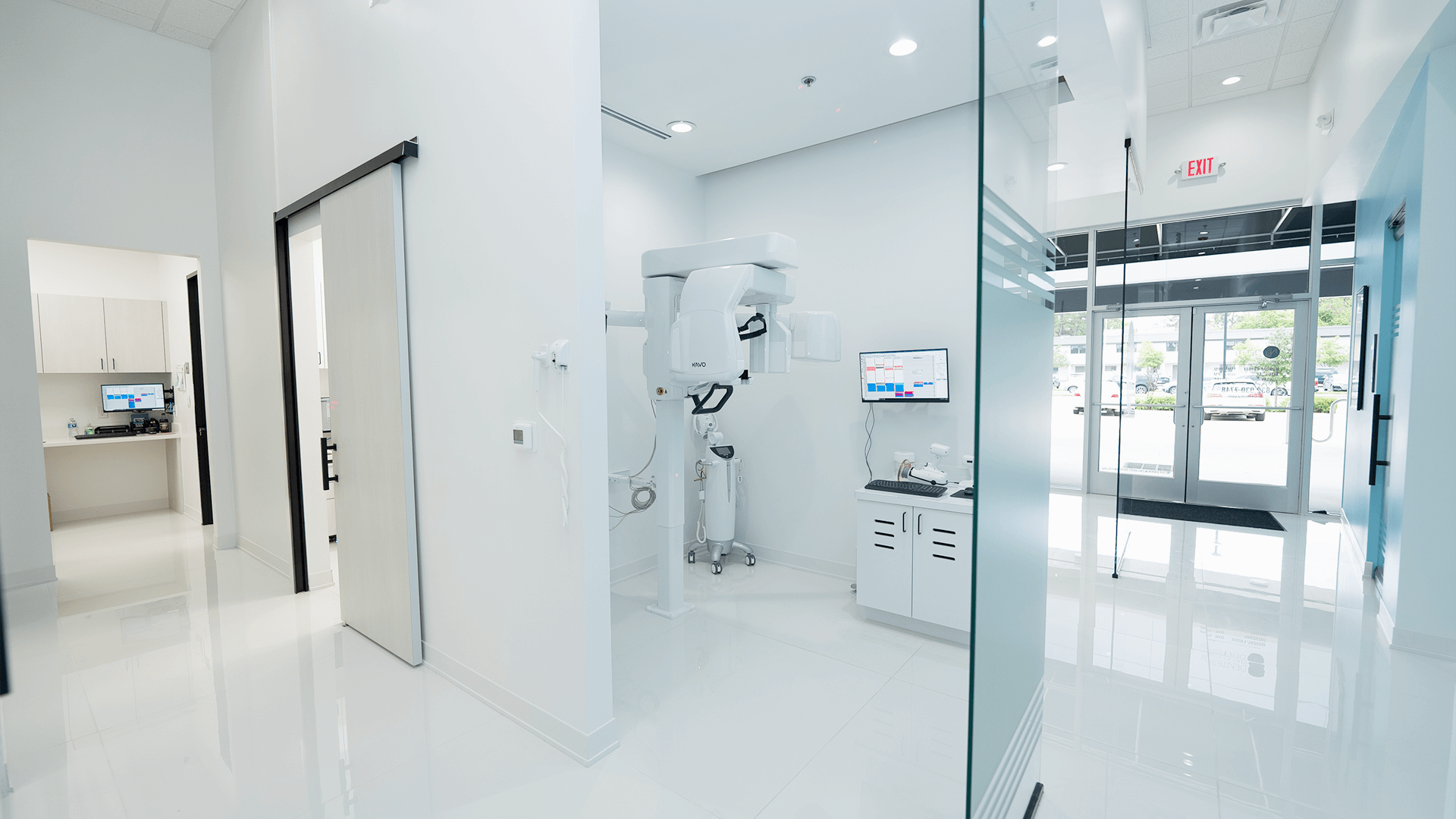
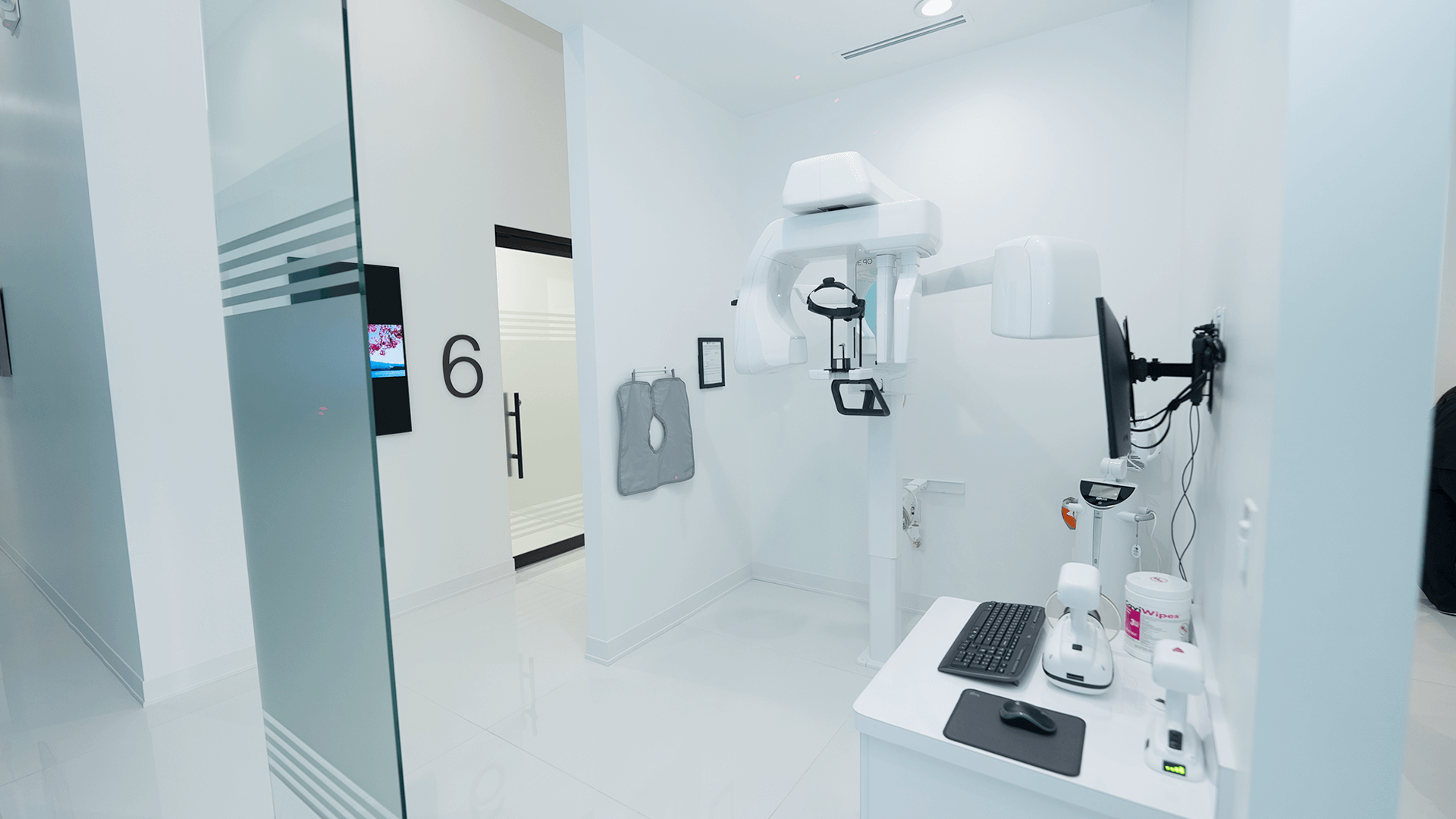
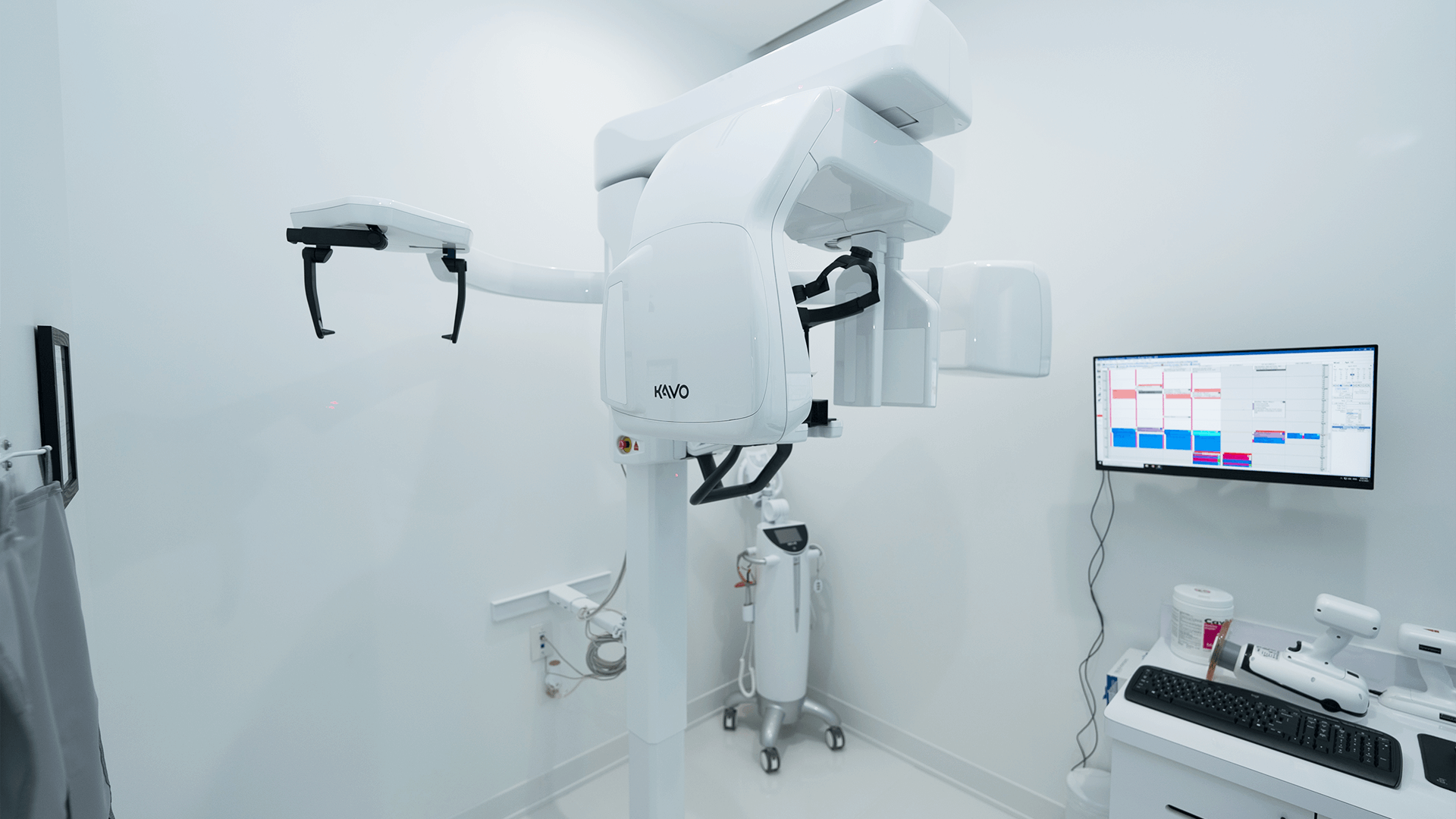
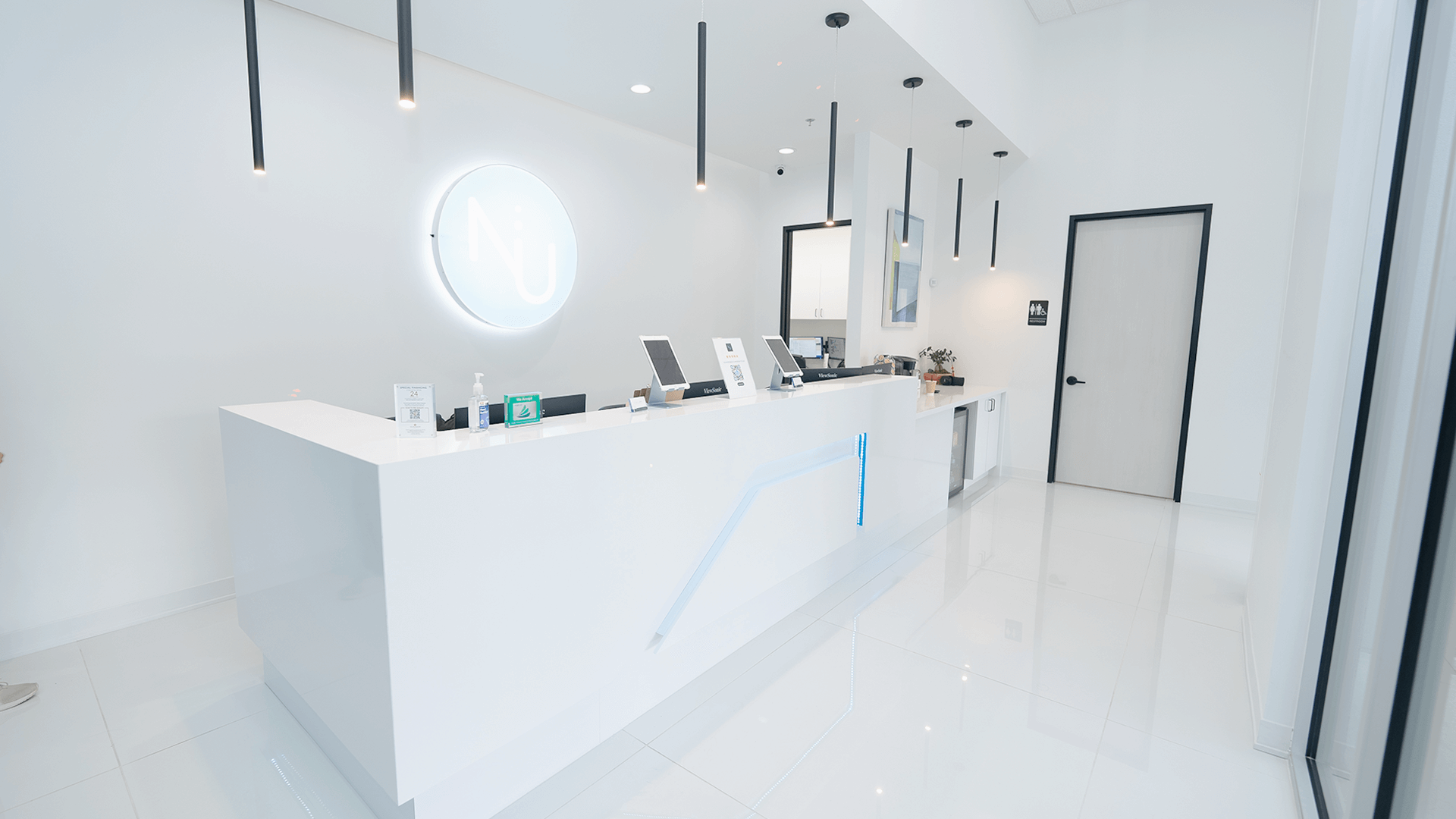
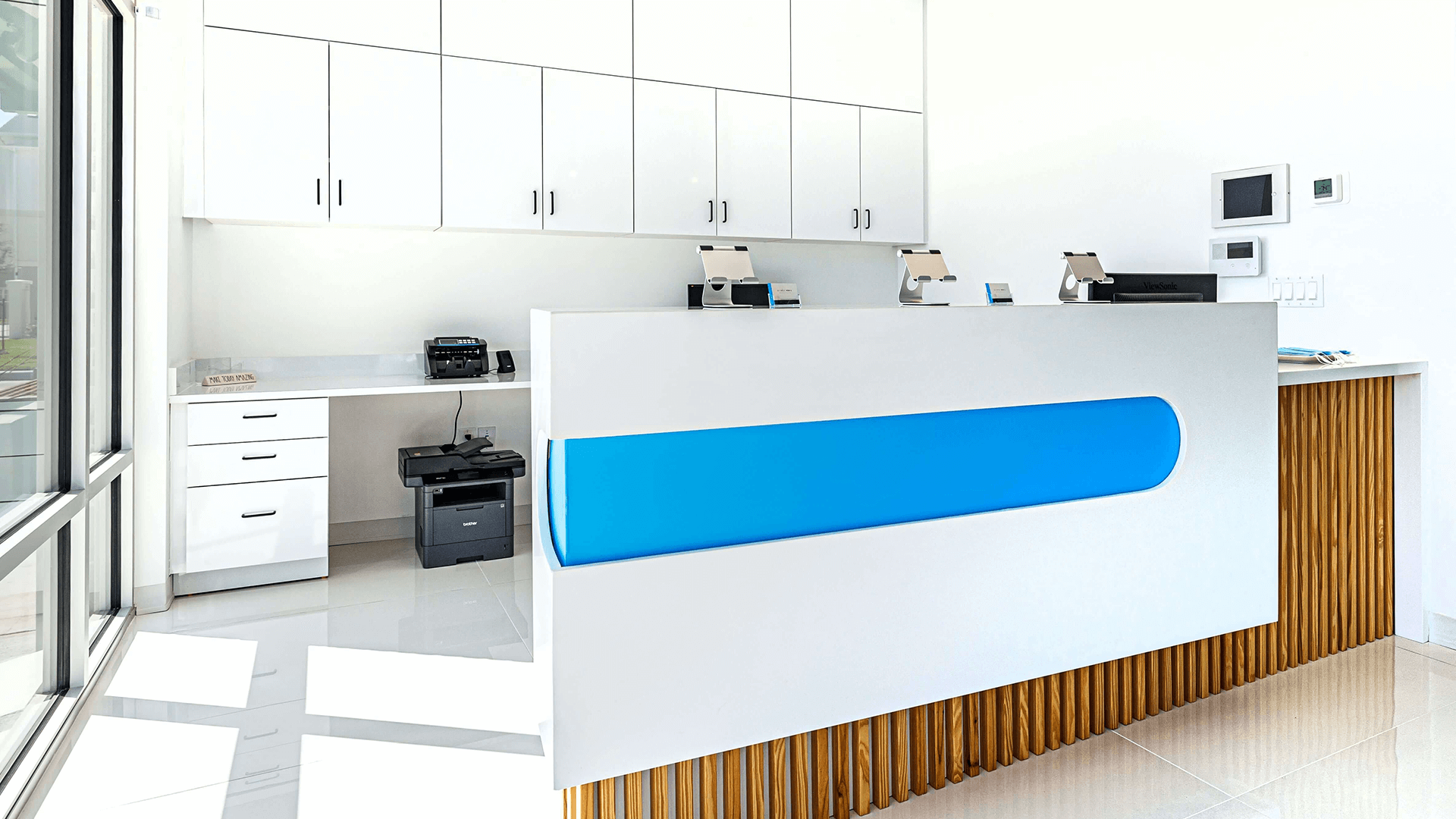
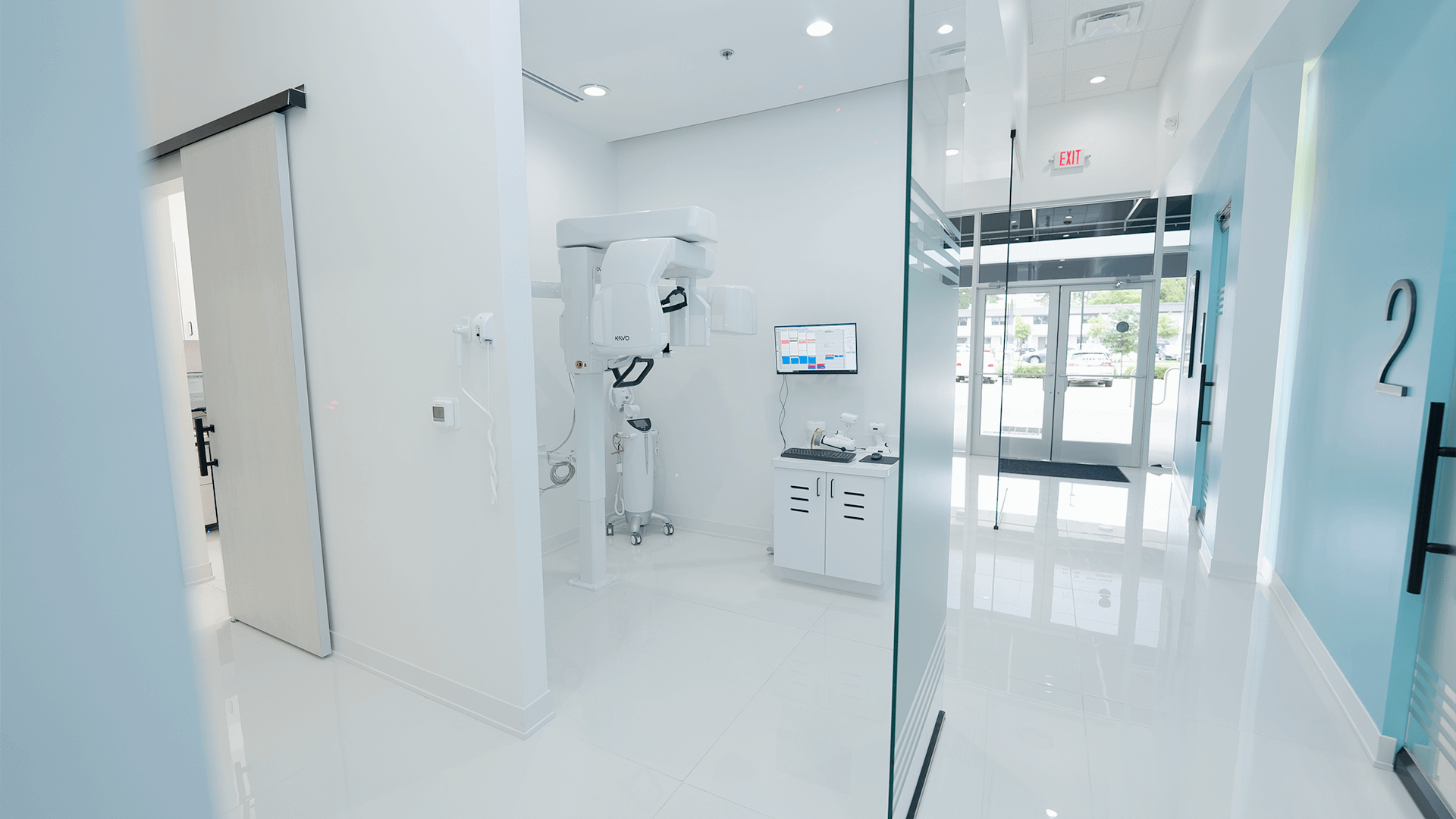
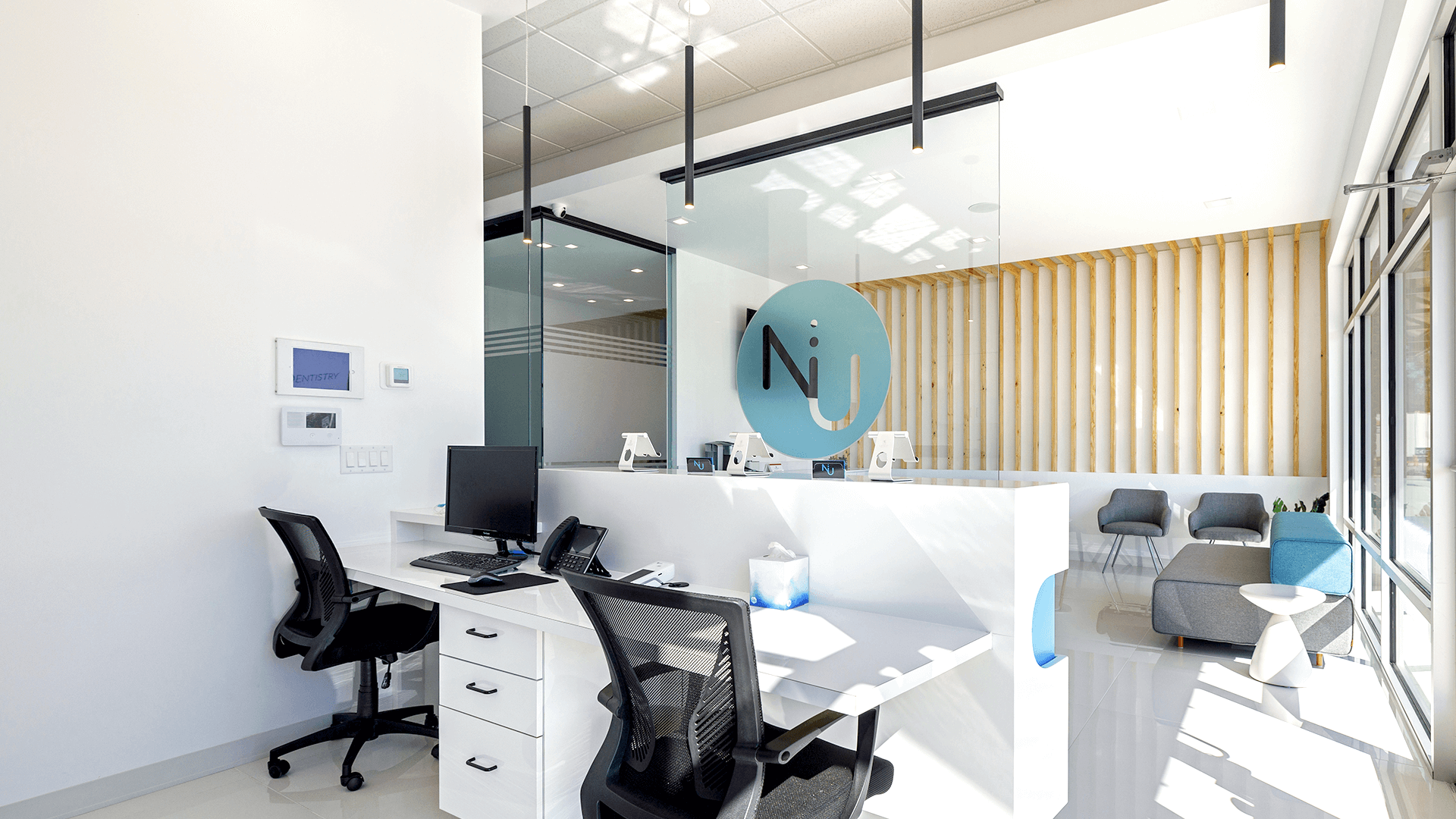
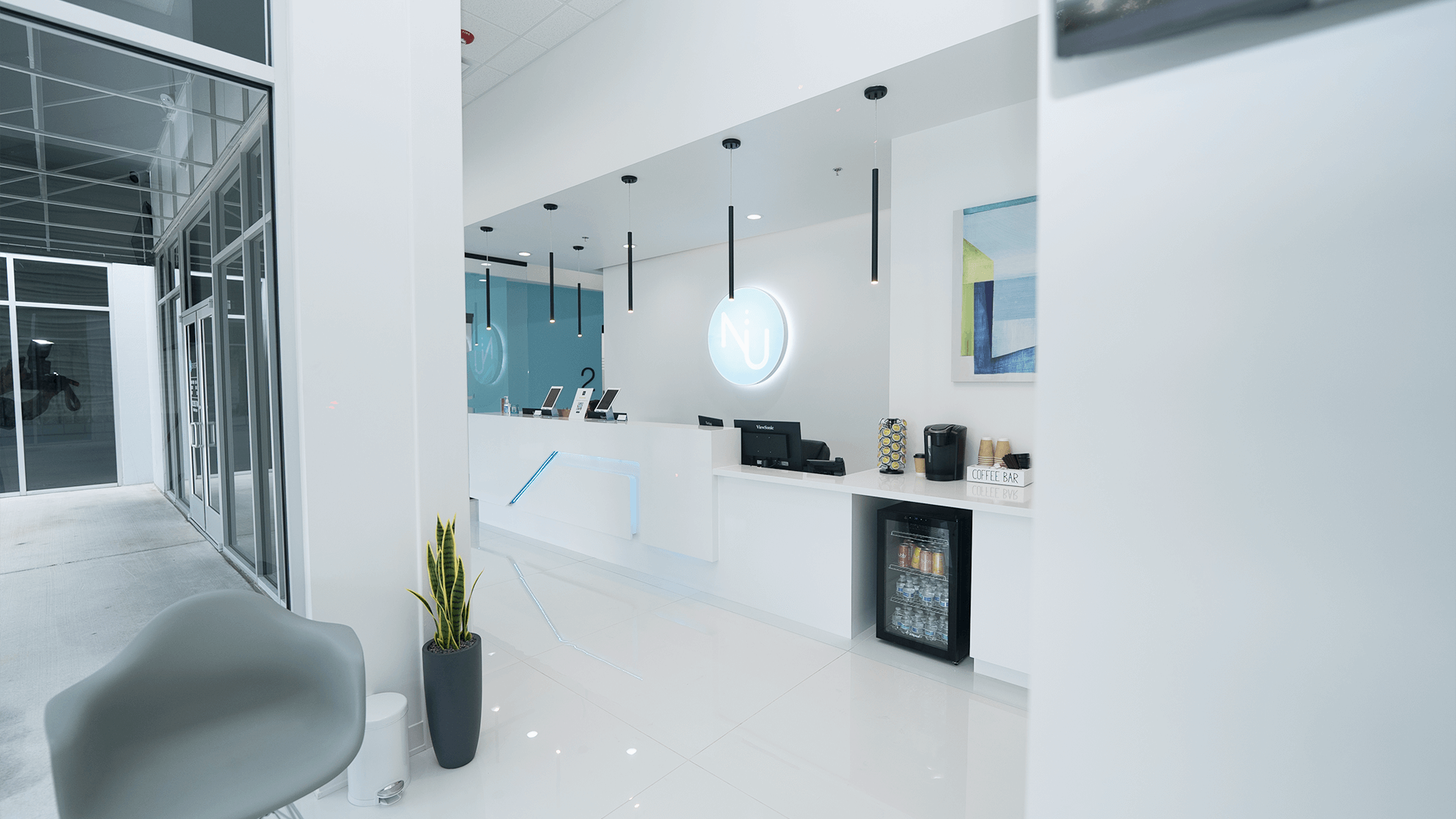
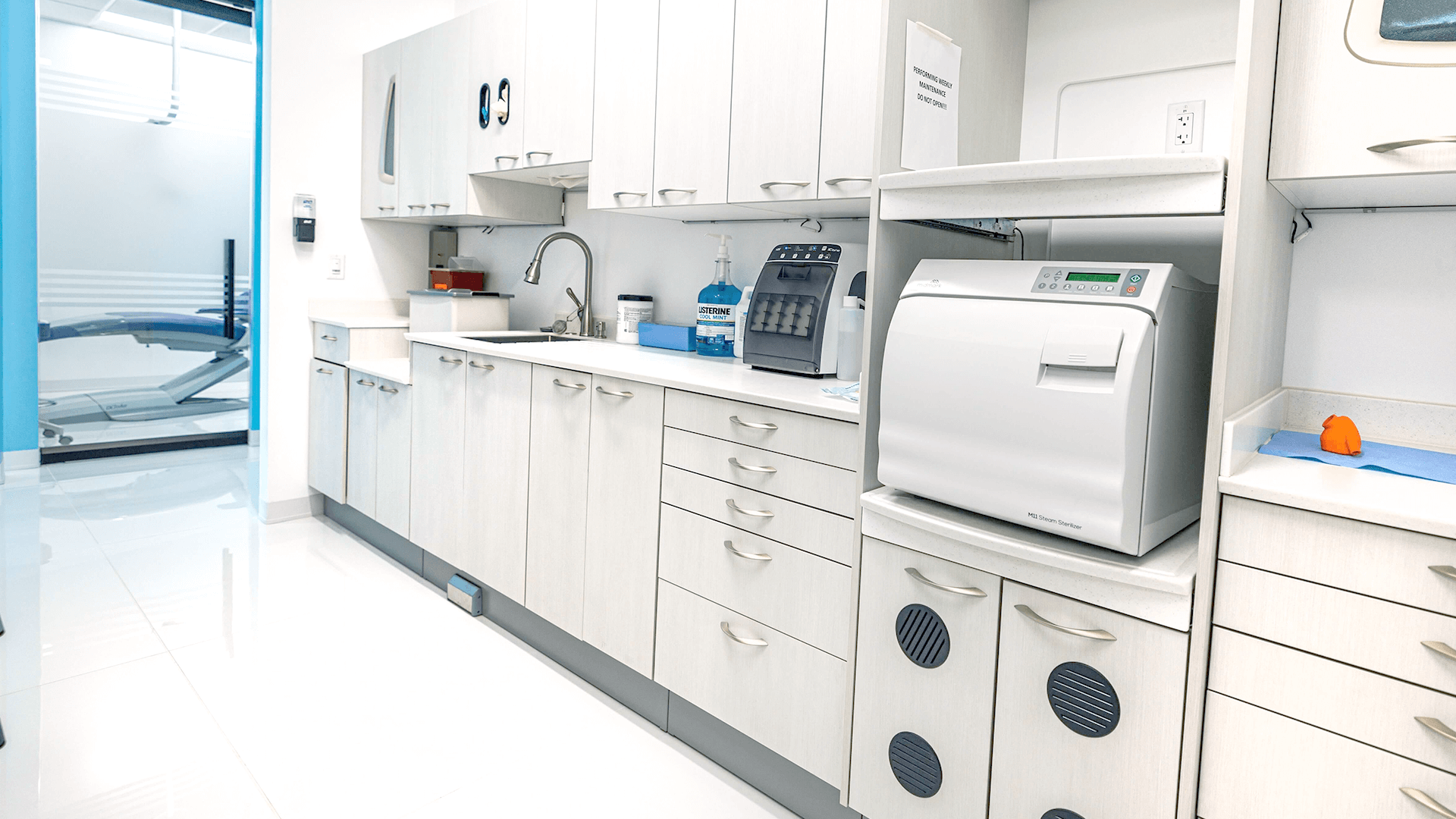
See what a visit to our modern, state-of-the-art dentist office is like!











Monday 9am - 6pm
Wednesday 9am - 6pm
Friday 9am - 6pm
Saturday 9am - 3pm
Check out what our patients are saying in Houston, TX


“Never Thought I'd Say It”
I never thought I’d say it, but going to the dentist is actually fun now. I recently came in for a root canal, and I got to sit back and catch up on Stranger Things without any pain!

“Anxiety Has Kept Me Away ”
I usually have such huge anxiety when I go to a dentist appointment, which means I always put off visits until the last minute to disastrous consequences. However, Dr. Loggins helped me with sedation, so the entire process was a breeze!

“The Best Dentist In Houston, TX”
We have been looking for a family dentist for a long time, we have tried a bunch of places but nothing felt quite like home. Not too long ago we stumbled upon Nu Dentistry and met Dr. Ali. Not only was he professional, kind, and gentle, but he always finds a way to fit us in when we need an appointment. He’s also pretty funny! I appreciate that he takes the time to explain what he’s doing, before he does it. That really puts me at ease.
“Never Thought I'd Say It”
I never thought I’d say it, but going to the dentist is actually fun now. I recently came in for a root canal, and I got to sit back and catch up on Stranger Things without any pain!
“Anxiety Has Kept Me Away ”
I usually have such huge anxiety when I go to a dentist appointment, which means I always put off visits until the last minute to disastrous consequences. However, Dr. Loggins helped me with sedation, so the entire process was a breeze!
We are proud members of these dental organizations and accreditations







We are dedicated to providing you with only the best quality dental care