Why Your Invisalign Trays Aren't Fitting — and What to Do About It
Invisalign trays not fitting right in Houston? Learn about gaps, tracking, and refinements from Nu Dentistry Garden Oaks. Get answers today.
Read More
Most people start orthodontic treatment because they want straighter teeth. What surprises many is that some of the biggest transformations happen behind the scenes. Before your smile takes its final shape, your jaw, muscles, and bite begin working together in a healthier and more comfortable way. These early functional changes often make daily life feel smoother long before you reach the finish line of treatment.
At Nu Dentistry Garden Oaks, we see this happen every day. Patients come in expecting cosmetic improvement, and they leave with a jaw that finally feels like it is on their side again. Functional jaw changes are one of the most underrated benefits of orthodontics, yet they make a huge difference in chewing, speaking, facial balance, and overall comfort.
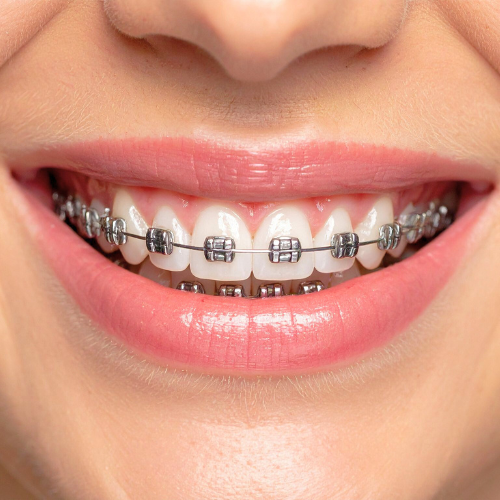
This is why braces are so much more than a cosmetic solution. They quietly reshape how your mouth works, not just how it looks. Let’s look at how these changes unfold and what signs to watch for as your treatment progresses.
Your teeth and jaw are part of a system that learns habits over time. If your bite has been misaligned for years, your muscles have adapted to that pattern. Some muscles work harder than they should, others compensate, and some movements become second nature even when they are not ideal.
Braces step in and gently interrupt those old habits. As your teeth move, your muscles have to learn a new way of coordinating. This process is subtle but powerful.
Here is what tends to happen:
1. Muscles begin firing more evenly. When teeth are not aligned, muscles on one side of the jaw often do more work than the other. As braces reposition your bite, those muscles finally get a chance to relax while others pick up the balance they should have been carrying all along.
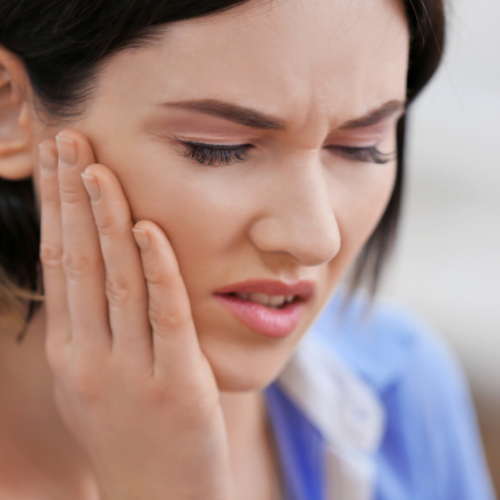
2. The jaw joint receives better support. A misaligned bite can cause strain in the temporomandibular joint, often leading to popping, tension, or stiffness. As teeth shift into healthier positions, the jaw joint starts sitting more naturally, reducing unnecessary pressure.
3. The tongue finds a proper resting place. Tongue posture influences everything from airway support to the shape of your palate. When braces improve alignment, the tongue is guided into a more natural position, which helps stabilize your bite and improves overall comfort.
4. Daily movements become easier. Chewing, swallowing, and speaking rely on a coordinated network of muscles. As alignment improves, these actions feel more effortless. You may notice food is easier to chew or that certain words or jaw movements feel smoother than before.
This retraining does not happen all at once. It unfolds gradually, just like physical therapy. But the end result is a bite that works in harmony with your muscles instead of against them.
One of the most interesting things about orthodontics is how small adjustments can create big improvements in comfort. Even a minor shift in tooth position can have a noticeable effect on how your jaw feels.
There are a few key reasons for this:
1. Your bite is incredibly sensitive. The teeth and jaw are designed to meet in a very precise way. Even the slightest imbalance can create pressure points that strain your muscles and joints. When braces correct these imbalances, that pressure begins to ease, often dramatically.
2. Tiny changes influence the entire chewing pattern. Imagine a door with hinges that are slightly misaligned. It still opens, but it always drags or sticks. Adjust the hinge by a few millimeters and suddenly the door moves smoothly. Your bite works the same way.
3. Your brain adapts quickly to improved alignment. Once the bite feels more stable, the brain stops compensating for misalignment. Jaw muscles no longer need to work overtime, and that relief can be felt in everything from reduced clenching to easier chewing.
4. Redistribution of force helps protect your teeth. When teeth meet evenly, the forces of chewing spread out instead of concentrating on a few stressed areas. This can reduce sensitivity, prevent premature wear, and reduce the risk of small fractures.
This is why people often say things like “My bite already feels different” or “Chewing feels easier” even when their smile looks only slightly changed. Function improves faster than appearance, and those gains continue throughout treatment.
Functional changes usually show up long before the mirror reveals a dramatic shift. If you pay close attention, you might recognize several subtle improvements, including:
1. Chewing becomes smoother and more comfortable. Food breaks down more easily, and you may find yourself favoring both sides of your mouth instead of one.
2. Your jaw feels less tight. Some people notice they are waking up with less tension, or that clenching becomes less frequent.
3. Clicking or popping in the jaw may lessen. Not everyone experiences this, but improved alignment can reduce strain on the jaw joint.
4. Your smile begins to feel more centered. Even if the teeth still appear crooked, your bite may feel more balanced when you close your mouth.
5. The tongue and lips rest more comfortably. This can be a quiet but meaningful sign that alignment is improving.
6. Certain words become easier to pronounce. Speech patterns rely heavily on tooth position. As alignment changes, clarity often improves without you even trying.
Many patients describe a moment during treatment when their bite suddenly feels “right” for the first time. That feeling usually arrives before the visual transformation catches up.
Braces involve ongoing adjustments, and each stage brings new functional changes. If you ever feel unsure about your bite, jaw comfort, or the way your teeth are shifting, you are always welcome to reach out. These changes are expected and often very positive, but professional oversight helps ensure everything is progressing exactly as it should.
Functional jaw changes can transform not only your smile but your comfort, confidence, and daily quality of life. If you are considering orthodontic treatment or want to understand how your current treatment is progressing, our team at Nu Dentistry Garden Oaks is here to help.
Fresh news from the dental world

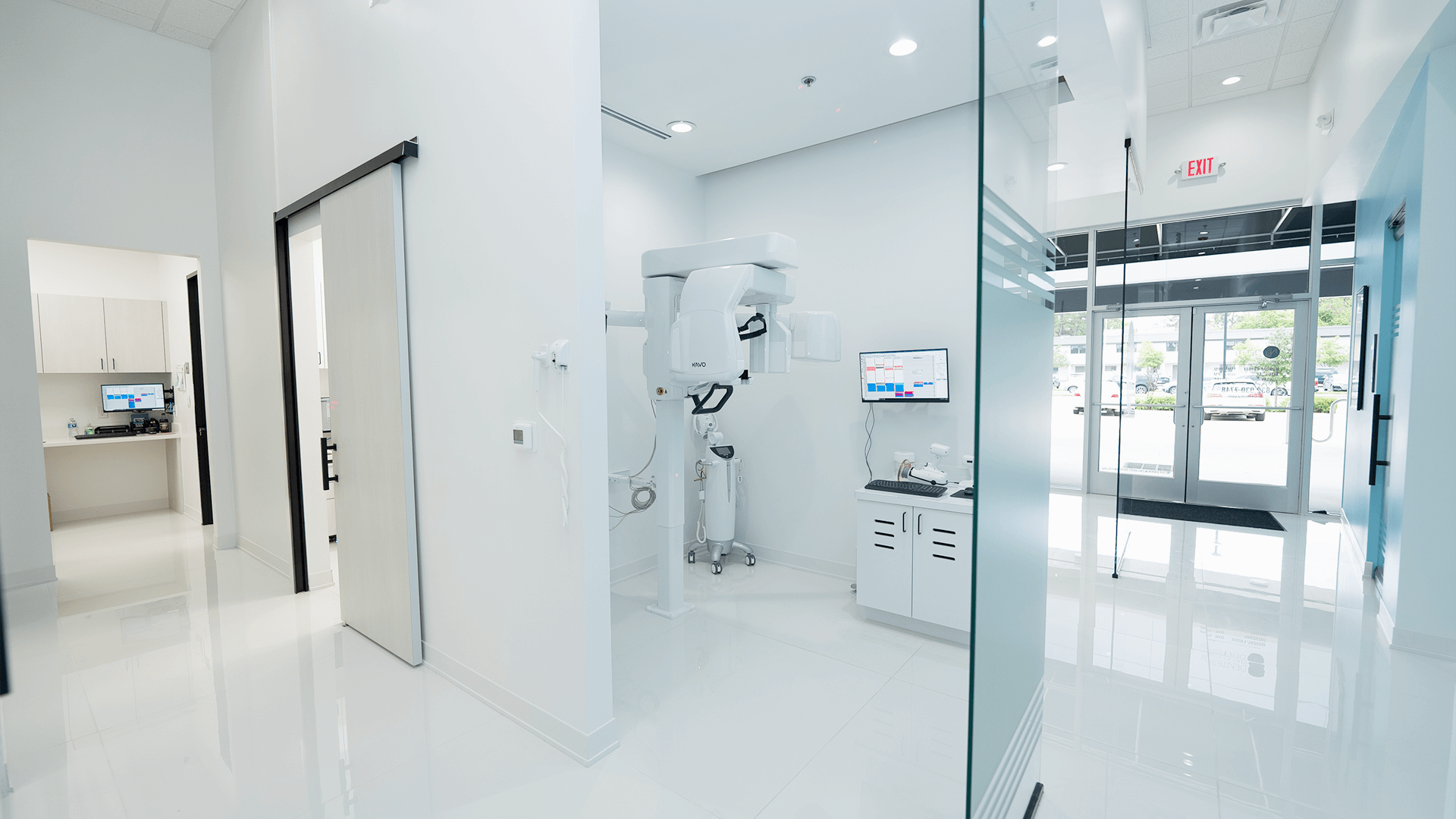
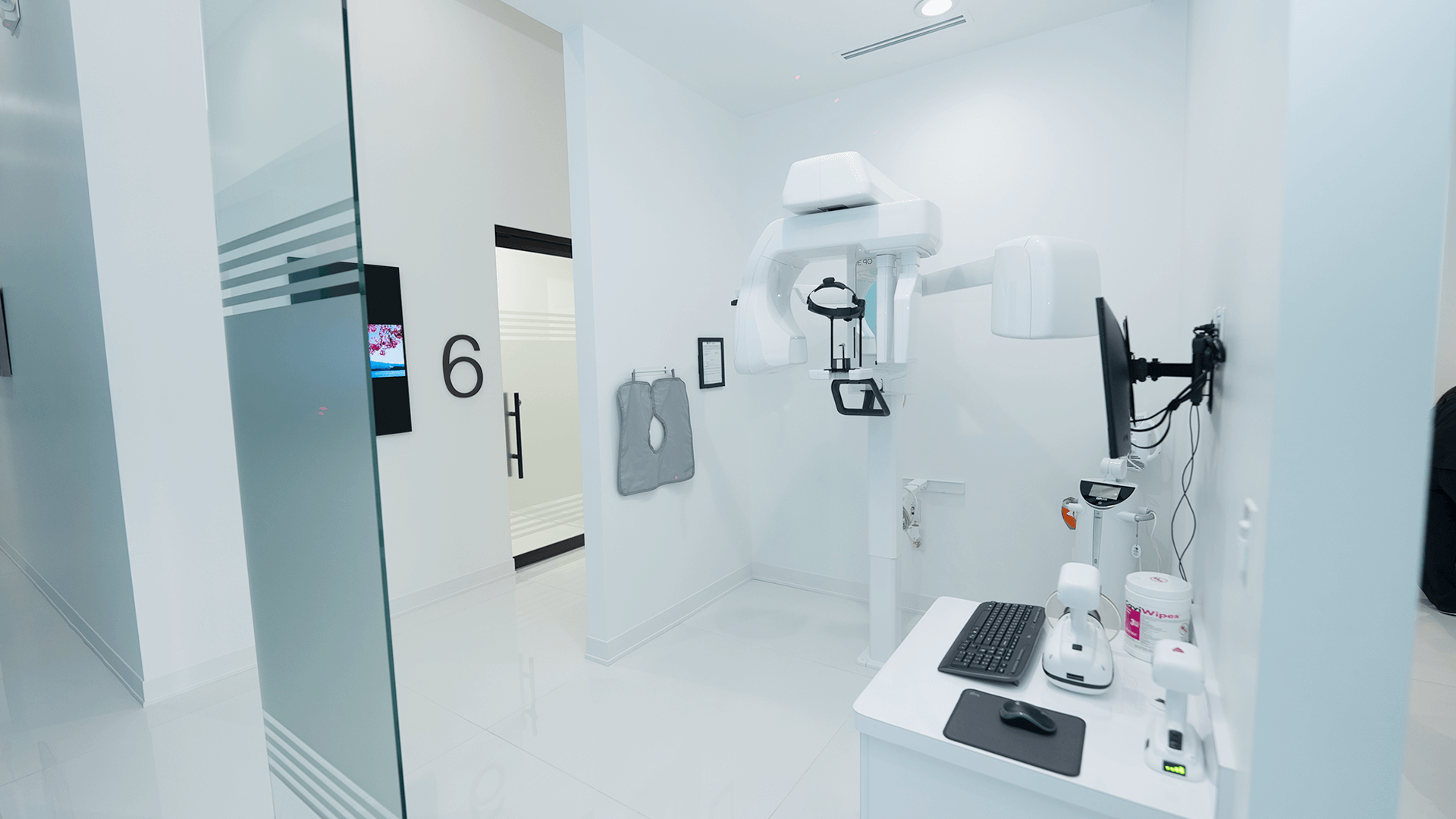
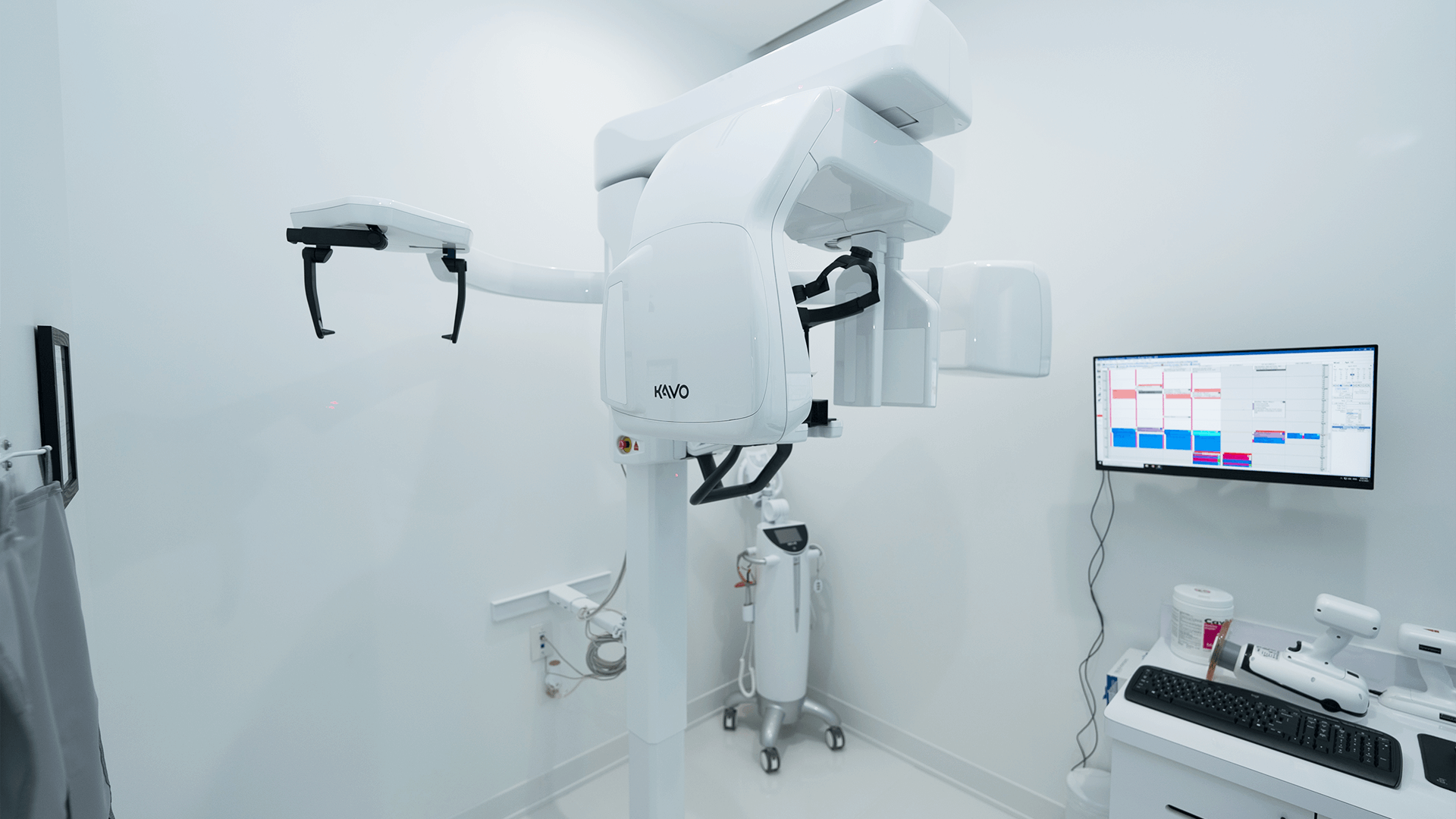
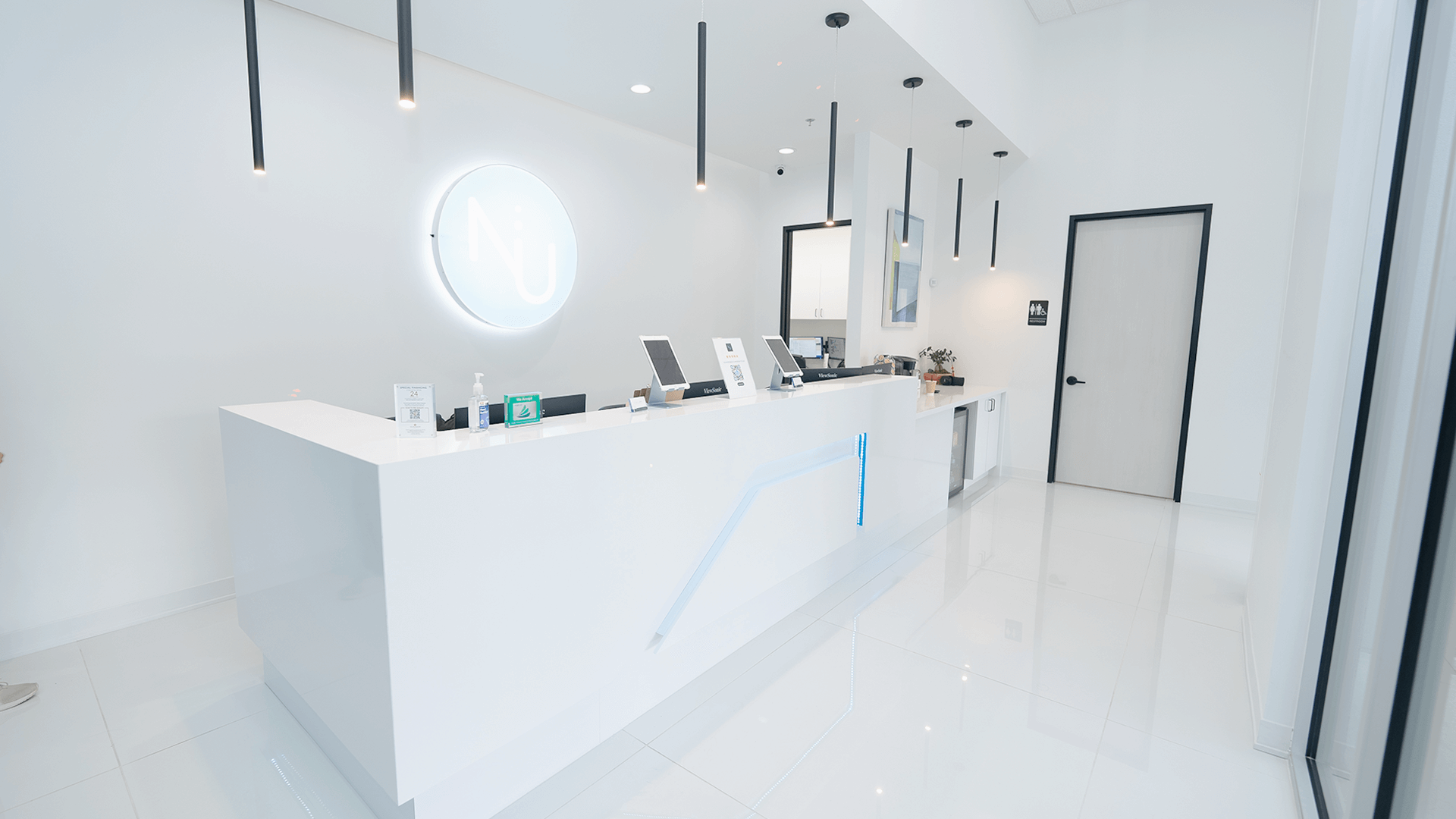
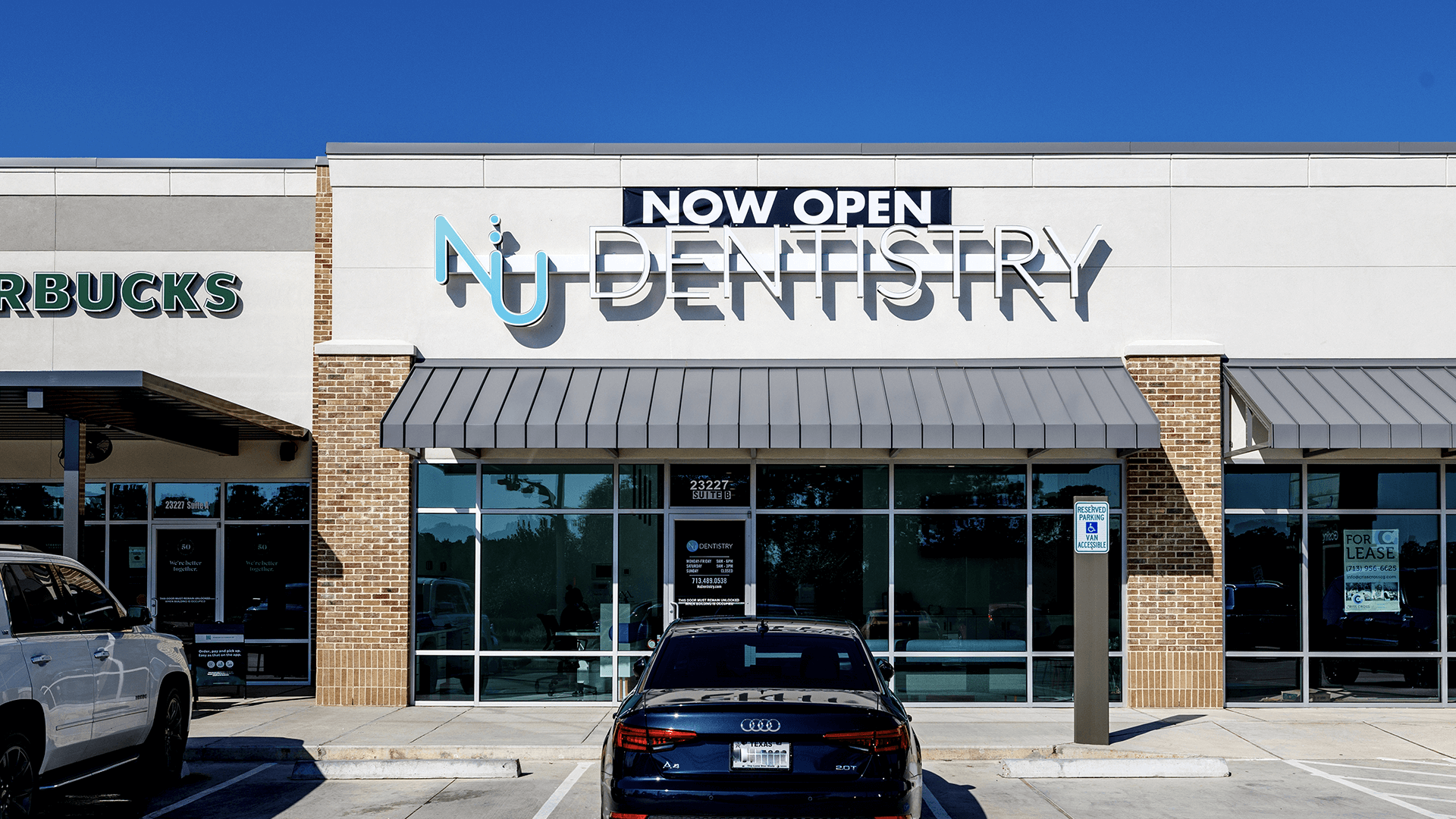
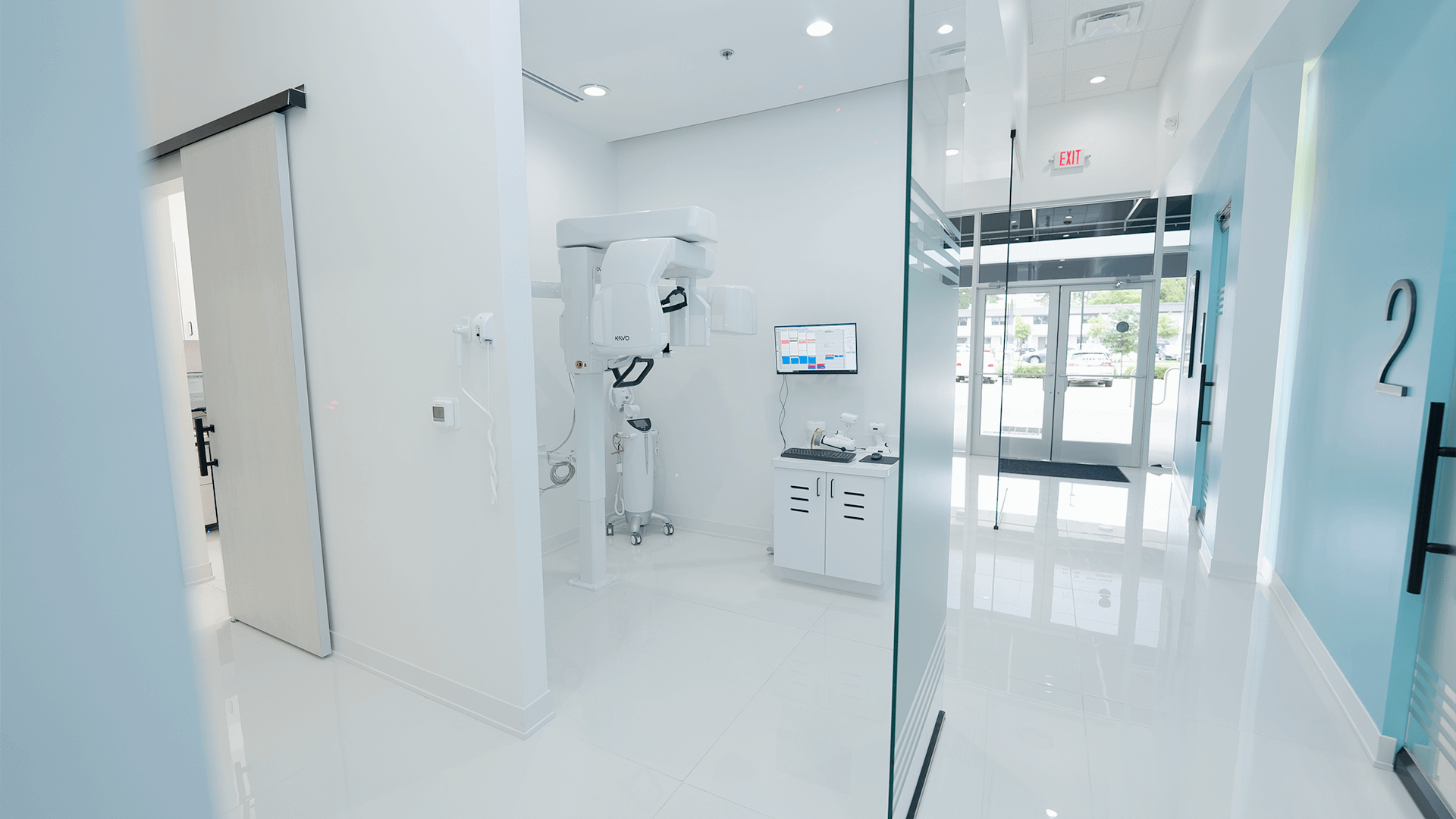
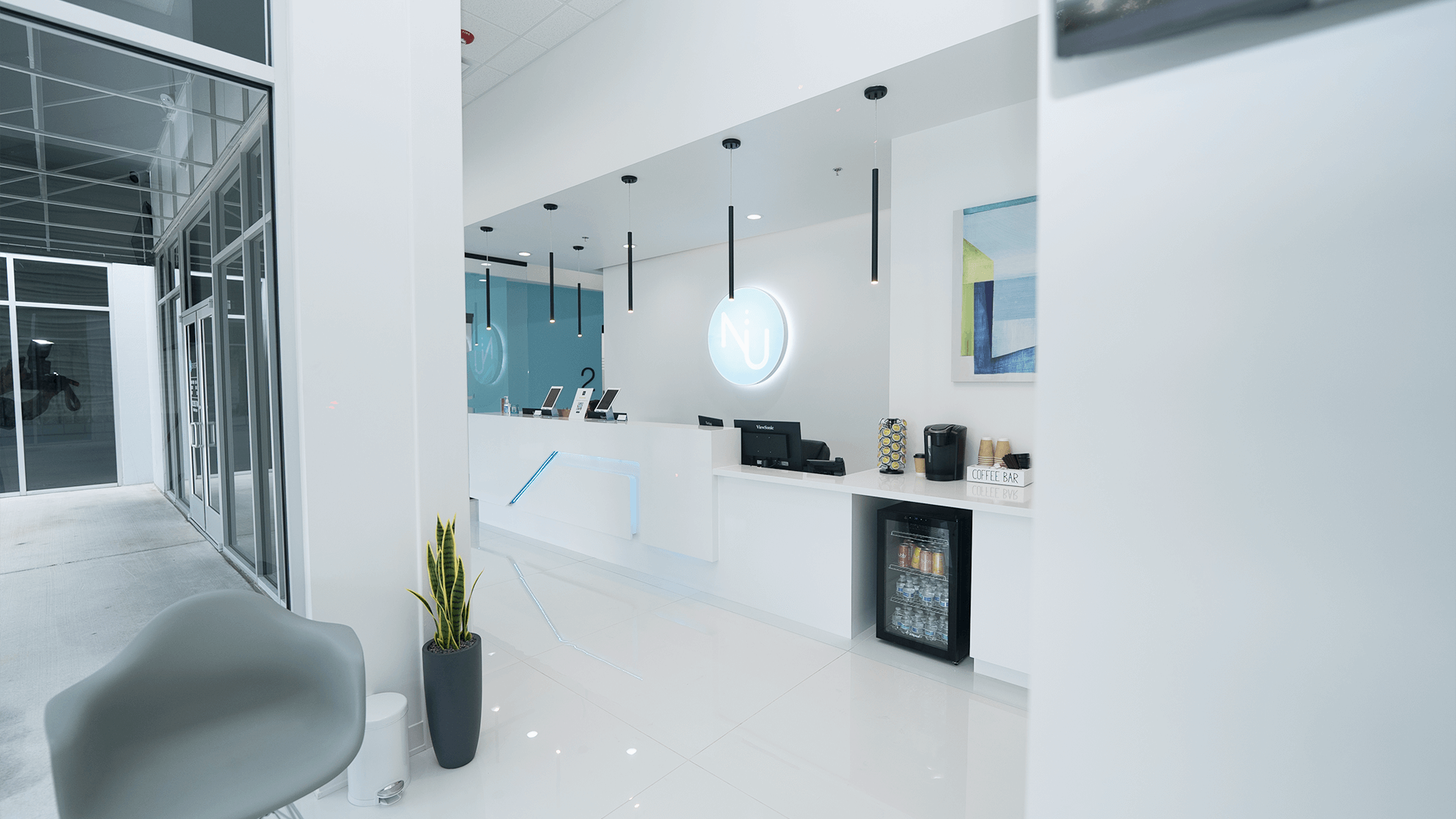
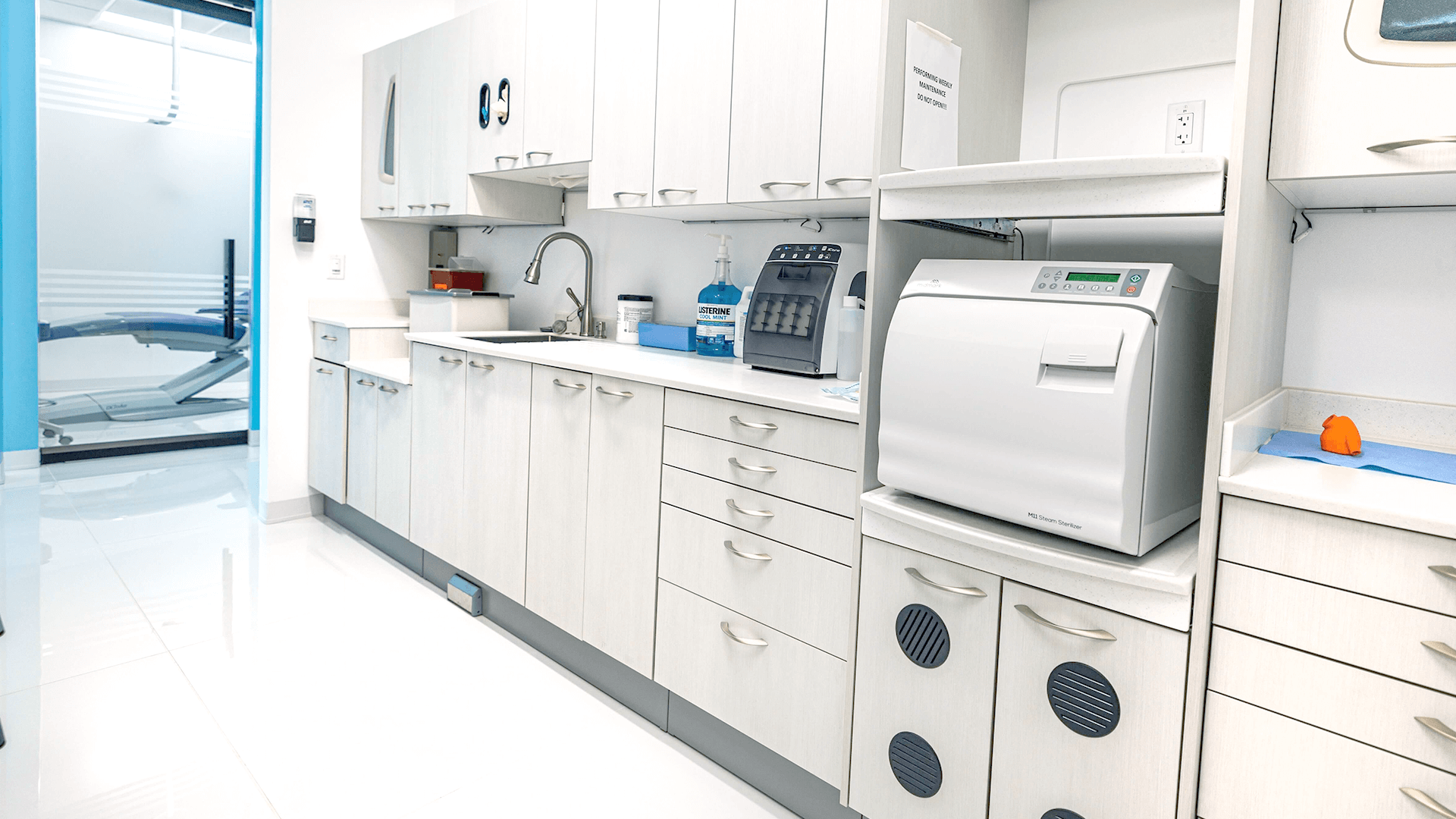
See what a visit to our modern, state-of-the-art dentist office is like!














Monday 9am - 6pm
Wednesday 9am - 6pm
Friday 9am - 6pm
Saturday 9am - 3pm
Check out what our patients are saying in Houston, TX


“Never Thought I'd Say It”
I never thought I’d say it, but going to the dentist is actually fun now. I recently came in for a root canal, and I got to sit back and catch up on Stranger Things without any pain!

“Anxiety Has Kept Me Away ”
I usually have such huge anxiety when I go to a dentist appointment, which means I always put off visits until the last minute to disastrous consequences. However, Dr. Loggins helped me with sedation, so the entire process was a breeze!

“The Best Dentist In Houston, TX”
We have been looking for a family dentist for a long time, we have tried a bunch of places but nothing felt quite like home. Not too long ago we stumbled upon Nu Dentistry and met Dr. Ali. Not only was he professional, kind, and gentle, but he always finds a way to fit us in when we need an appointment. He’s also pretty funny! I appreciate that he takes the time to explain what he’s doing, before he does it. That really puts me at ease.
“Never Thought I'd Say It”
I never thought I’d say it, but going to the dentist is actually fun now. I recently came in for a root canal, and I got to sit back and catch up on Stranger Things without any pain!
“Anxiety Has Kept Me Away ”
I usually have such huge anxiety when I go to a dentist appointment, which means I always put off visits until the last minute to disastrous consequences. However, Dr. Loggins helped me with sedation, so the entire process was a breeze!
We are proud members of these dental organizations and accreditations






We are dedicated to providing you with only the best quality dental care