Starting orthodontic treatment is a big step toward a confident, healthy smile. But in those first few weeks, it’s not unusual to wonder whether what you’re feeling is “normal.” The truth is, early-stage braces often come with small challenges as your mouth adjusts to its new reality. From temporary speech quirks to changes in how you chew, these early experiences are simply part of the body’s adaptation process.
At Nu Dentistry Garden Oaks, we believe that understanding these changes helps patients feel empowered instead of anxious. So, let’s explore the most common early-stage braces complications and how to handle them with ease.
The First Adjustment: What Really Happens When Braces Go On
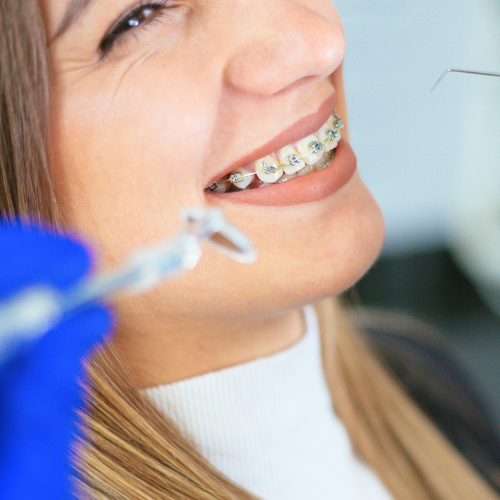
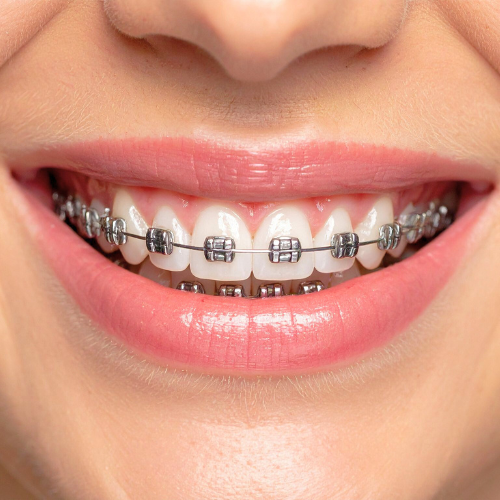
When your braces are first placed, your mouth experiences a mini revolution. The brackets, wires, and bands apply gentle, constant pressure to your teeth—guiding them into their ideal positions over time. This pressure can trigger tenderness, minor irritation, or even small mouth sores as your cheeks and tongue meet new surfaces.
This is perfectly normal. Think of it like breaking in a new pair of shoes; there’s an adjustment period, but comfort soon follows. Within a week or two, most patients find that their mouth adapts, discomfort decreases, and eating and speaking begin to feel natural again.
It’s also common for your bite to feel slightly “off” in the beginning. That’s because your teeth are already moving into new positions. The best thing you can do is give it time. Orthodontic movement is a slow, controlled process, and every bit of progress is bringing you closer to the smile you envisioned.
What unexpected speech changes might happen right after braces go on?
It’s common to notice slight changes in speech immediately after braces are placed because your tongue needs time to adjust to the new surfaces in your mouth.
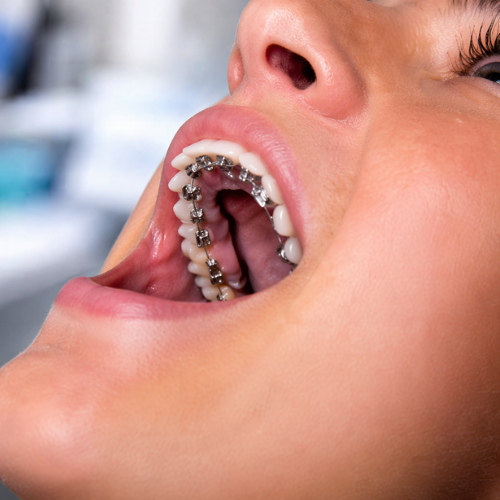
Braces slightly alter the shape of the oral cavity, particularly how your tongue makes contact with your teeth when forming sounds. You may notice mild lisping or difficulty pronouncing “s,” “z,” or “th” sounds for a few days. This is especially true if you have lingual braces (behind the teeth) or added attachments that affect tongue placement.
The good news? Your tongue is remarkably adaptive. Most patients find that within a week or two, their speech returns to normal. Reading out loud at home can speed up this process, as can gentle tongue exercises that help retrain muscle memory.
If you experience persistent speech difficulty beyond two weeks, your orthodontist can check for bracket placement issues or make small adjustments. In nearly every case, however, it’s just part of the natural adjustment phase.
How can wearing braces affect chewing and digestion in the first few weeks?
Braces can temporarily affect chewing and digestion because your teeth and jaw are adapting to new pressure, making you chew more slowly and carefully.
For the first week or two, your teeth may feel tender. Hard or sticky foods can be uncomfortable to bite into, which can subtly change how thoroughly you chew. Since digestion begins in the mouth, incomplete chewing can make some meals feel heavier on the stomach than usual.
The best approach during this adjustment period is to choose soft, easy-to-chew foods—think mashed potatoes, soups, smoothies, eggs, and pasta. Gradually reintroduce firmer foods as your comfort improves. Chewing slowly also helps your digestive system process food more efficiently and prevents jaw fatigue.
If discomfort persists for more than a couple of weeks, or you notice persistent jaw soreness, let your orthodontist know. Occasionally, small wire adjustments can help balance the bite and reduce stress on certain teeth.
Why do some patients see white spots or enamel changes during braces before alignment is complete?
White spots or enamel changes can appear if plaque builds up around brackets, creating areas of early demineralization caused by poor brushing technique or difficulty cleaning around braces.
These spots don’t mean your braces are harming your teeth; they’re an early warning sign that bacteria are producing acids that weaken the enamel. Because braces create tiny spaces where food and plaque can accumulate, it’s essential to brush thoroughly after every meal and use interdental brushes or floss threaders to reach between wires.
Using a fluoride mouth rinse and scheduling regular professional cleanings during treatment can also help protect enamel. If white spots have already formed, early intervention is key. Remineralization treatments, fluoride varnishes, and better home care can often restore the enamel before permanent damage occurs.
Common Early-Stage Braces Complications and How to Manage Them
1. Tender Gums and Teeth: Mild soreness is one of the most common early complaints. As your teeth start moving, the ligaments that hold them in place stretch and contract, causing tenderness. Over-the-counter pain relievers like acetaminophen or ibuprofen can help, but avoid excessive use. Sticking to soft foods and rinsing with warm salt water can also soothe discomfort naturally.
2. Mouth Irritation and Sores: Your lips, cheeks, and tongue may brush against brackets in new ways, leading to tiny sores or discomfort. Orthodontic wax is your best friend here—simply place a small piece over the bracket or wire causing irritation. Most patients notice significant relief within hours, and your mouth quickly toughens up as it gets used to the braces.
3. Loose Brackets or Poking Wires: Occasionally, a bracket may detach or a wire may poke out. Avoid trying to fix it yourself. Instead, cover the area with wax and call your orthodontist to schedule a quick repair. It’s a small fix that can prevent big discomfort.
4. Changes in Bite and Jaw Feel: As teeth shift, your bite may temporarily feel uneven or your jaw may feel slightly strained. This is part of your teeth adjusting to new positions. Over time, your bite will stabilize, and any uneven pressure points will be corrected through follow-up adjustments.
5. Increased Saliva or Dry Mouth: Some patients experience excess saliva right after getting braces, while others feel dry mouth. Both are short-lived responses to your mouth adjusting to new appliances. Staying hydrated, sucking on ice chips, or using sugar-free mints can help balance things out.
The Emotional Side: Patience Pays Off
It’s normal to feel self-conscious during the early weeks of braces. Your mouth feels different, you might sound different, and even smiling might take practice. But remember, every click, ache, and adjustment means progress.
At Nu Dentistry Garden Oaks, we’ve seen countless patients start with uncertainty and finish with radiant confidence. The transformation isn’t just dental—it’s personal. Your braces journey is about discipline, patience, and the joy of seeing your smile evolve with every visit.
If you ever feel discouraged, remind yourself: braces are temporary, but your new smile will last a lifetime.
Braces and Daily Life: Adapting With Confidence
Once the initial adjustment phase passes, braces become a natural part of your daily rhythm. You’ll eat, speak, laugh, and work just like before—only now, your smile is improving behind the scenes.
Here are a few practical tips to make the process smoother:
- Keep a braces-friendly travel kit: Include a small toothbrush, orthodontic floss threader, mini mouthwash, and wax.
- Drink water frequently: It helps keep your mouth clean and reduce dry mouth.
- Avoid sugary snacks and sodas: They accelerate plaque buildup and risk enamel staining.
- Smile often: It not only boosts confidence but helps your lips and cheeks adjust faster to new contours.
When to Call Your Orthodontist
Minor discomforts are normal, but certain symptoms should be checked promptly:
- Persistent swelling or pain beyond two weeks
- A broken wire or bracket
- Difficulty chewing or biting even soft foods
- Noticeable tooth discoloration or white patches spreading
- Bleeding gums that don’t improve with good hygiene
Prompt intervention prevents small issues from turning into bigger ones and ensures your treatment stays on track.
Nutrition Matters: What to Eat and What to Avoid
Early-stage braces require you to rethink your menu—but it’s temporary. Focus on foods that are gentle on your teeth yet nourishing for your body.
Great options include:
- Soups, mashed potatoes, scrambled eggs, yogurt, and smoothies
- Steamed veggies, pasta, rice, and oatmeal
- Tender meats like fish or shredded chicken
Avoid foods that can cause trouble:
- Hard snacks like nuts, popcorn, and candy
- Sticky foods like caramel and chewing gum
- Tough foods like bagels or whole apples (cut them instead)
Good nutrition supports gum health, reduces inflammation, and helps your teeth move more efficiently during treatment.
Ready for Your Smile Transformation?
If you’ve just started your braces journey or are considering treatment, we’re here to help. Schedule an appointment with Nu Dentistry Garden Oaks today to get personalized orthodontic care and the confidence to smile through every stage of the process.