Ceramic vs. Metal Braces: Which One Actually Hurts More?
Wondering if ceramic or metal braces hurt more? Compare discomfort levels, pros, and cons to find the best fit. Schedule your orthodontic visit today!
Read More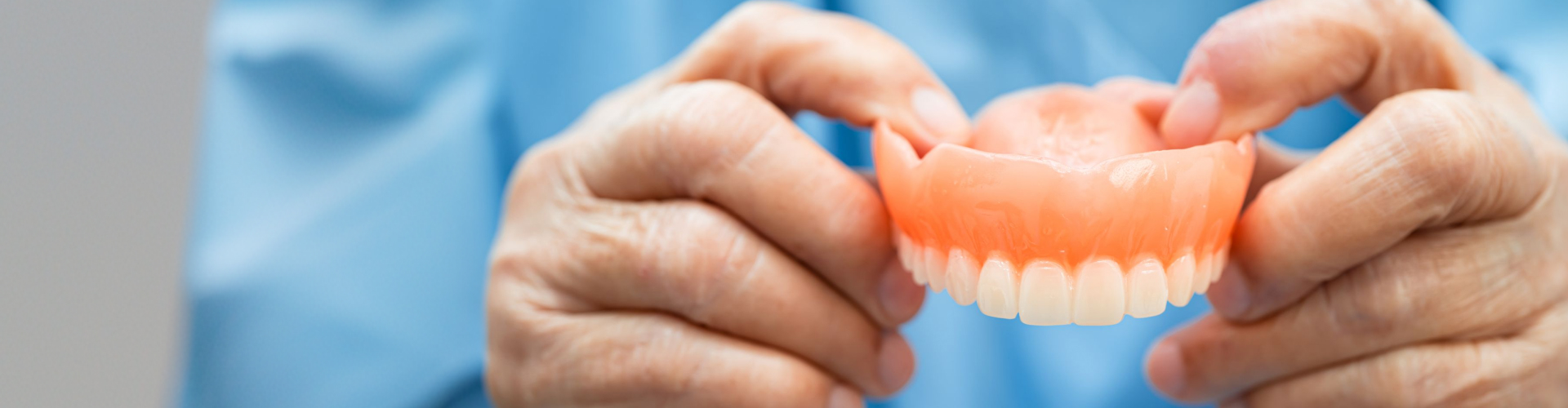
Medically Reviewed by Dr. Ali Tameemi
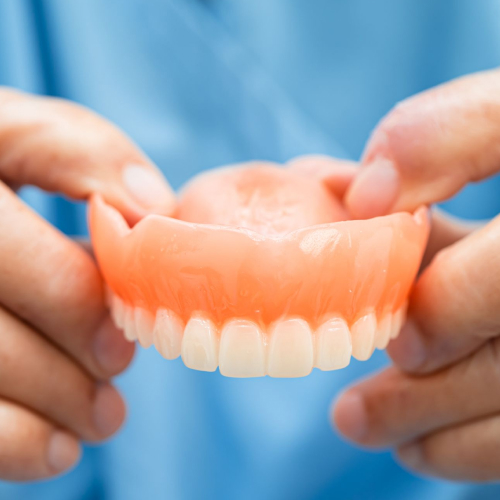
The "best" tooth replacement isn't universal — it depends on how many teeth you're missing, the health of your remaining teeth, and how your brain adapts to new hardware in your mouth. Full dentures, partial dentures, and dental bridges each serve different clinical situations, and understanding the real differences can save you from making a costly reversal later.
This is the question most patients never think to ask — and it matters enormously. For Houston-area patients considering these options, the long-term stability of your smile is the priority.
A removable partial denture works by clipping metal clasps onto your remaining healthy teeth. Those anchor teeth (called abutment teeth) bear the leverage forces every time the partial moves while you chew. Research published in PMC confirms that the biomechanics of clasps transmit stress concentrations to supporting structures, and ring clasps in particular can produce destructive forces on abutment teeth over time.
Think of it as a see-saw effect. The partial rocks on the gum ridge, and the clasps act as the fulcrum — pulling and torquing the anchor teeth with every bite. If those anchor teeth weaken, fracture, or develop decay around the clasp margins, you lose them. Now you need a full denture.
This doesn't mean partials are a bad choice. It means the condition of your anchor teeth is the most important variable your dentist evaluates before recommending one. Here's a quick checklist worth raising at your appointment:
Precision attachment partials actually address this concern meaningfully. A systematic review in PMC found that RPDs with attachments deliver higher patient satisfaction and improved oral health–related quality of life compared to clasp-retained designs, partly because they distribute force more evenly.
If your remaining teeth are borderline in health, your dentist may actually recommend a bridge or implant-supported option specifically to protect those teeth rather than stress them.
Most comparisons between bridges and partials focus on comfort in terms of soreness. They skip the neurological piece entirely.
Your natural teeth have a periodontal ligament — a thin cushion of tissue between the tooth root and the jawbone. This ligament is packed with nerve endings that give your brain continuous feedback about bite pressure, food texture, and tooth position. This is called proprioception, and it's why you instinctively bite differently on a soft piece of bread versus a hard pretzel without consciously thinking about it.
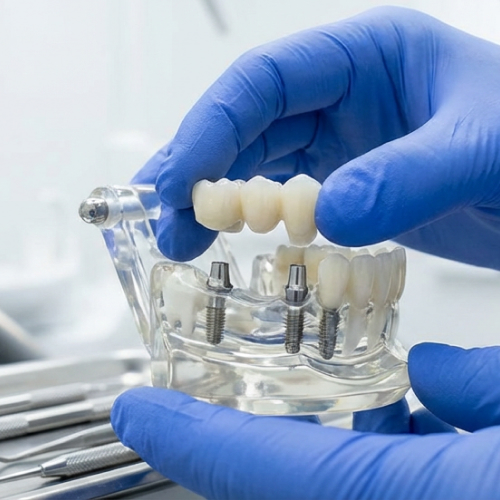
A dental bridge is cemented onto prepared neighboring teeth and transmits pressure through those roots and into the bone. It isn't identical to a natural tooth, but it mimics that feedback loop far more closely than a removable appliance. In some cases, a tooth crown may be used to anchor a bridge to the adjacent teeth, making the health of those supporting teeth a critical factor.
A partial denture, by contrast, rests on your gum tissue and moves. Your brain registers this movement as a "foreign object," which is why many new partial wearers experience a gag reflex, excess saliva, or difficulty with speech in the early weeks. As WebMD explains, it typically takes a few weeks for the tongue and muscles to learn to hold the appliance in place — and some patients never fully stop noticing it.
A realistic sensory transition timeline for partial dentures looks like this:
This adaptation period is normal and expected. Knowing it exists — rather than being surprised by it — makes a significant difference in patient experience.
The clinical threshold between these two options is simpler than most people expect: it comes down to whether you have healthy teeth worth preserving.
According to WebMD, complete dentures are used when all teeth are missing, while partial dentures are used when some natural teeth remain. But the decision isn't always that binary.
Sometimes a patient has several remaining teeth that are severely compromised. A dentist may recommend a tooth extraction of those teeth and moving to a full denture rather than using them as struggling anchor points for a partial — because a well-fitting full denture often outperforms a poorly supported partial.
On the other hand, keeping even a few healthy roots has real biological value. Roots stimulate the jawbone. When roots are gone, bone resorption begins, which gradually changes facial structure and affects how a denture fits over time.
Satisfaction data reinforces that neither option is universally superior. A comparison study on PubMed found that complete denture wearers reported higher satisfaction with chewing, speech, and upper jaw retention, while partial denture wearers reported better retention and comfort for the lower jaw. General satisfaction was statistically similar between the two groups.
Longevity is also a practical factor. Evidence from NCBI suggests complete dentures may last an average of about ten years, with most lasting at least five years. Metal partial dentures show similar durability thresholds, though this varies with how the appliance is maintained and how the underlying bone changes over time.
The bottom line: if your remaining teeth are healthy and structurally sound, a partial preserves bone and function. If they're not, a full denture may serve you better long-term.
For many patients in Houston and across the country, dentures remain one of the most accessible and clinically reliable paths to restored function. They require no surgery, work regardless of bone density, and can be placed relatively quickly.
That said, they involve real trade-offs. Daily removal and cleaning is non-negotiable. Bone resorption continues beneath them over time, requiring periodic relining or replacement. And the sensory adaptation period — particularly for first-time wearers — is a genuine challenge that shouldn't be minimized.
Dental implants address many of these limitations by anchoring into the bone, preserving it, and restoring proprioceptive feedback Healthline. But they require sufficient bone volume, a surgical procedure, and a longer treatment timeline. Not every patient is a candidate, and for those who aren't, a well-fitted conventional denture or bridge remains a legitimate, evidence-backed solution.
The right answer is always case-specific. Bone density, remaining tooth health, jaw anatomy, and your own lifestyle preferences all shape which option will serve you best — which is exactly why an in-person evaluation matters more than any general guide. Staying current with your cleaning and exam appointments also helps your dentist monitor changes in your oral health that could affect which replacement option remains the best fit over time.
If you're weighing full dentures, partials, or a bridge, the most important next step is a conversation with a dentist who can evaluate your specific situation. Nu Dentistry Garden Oaks serves patients throughout Houston and the Garden Oaks area, providing thorough evaluations to help you understand exactly which tooth replacement approach fits your oral health, your anatomy, and your long-term goals. Reach out to schedule your consultation.
Medical disclaimer: This article is intended for general informational purposes only and does not constitute professional dental or medical advice. Always consult a licensed dental provider for diagnosis and treatment recommendations specific to your situation.
Fresh news from the dental world

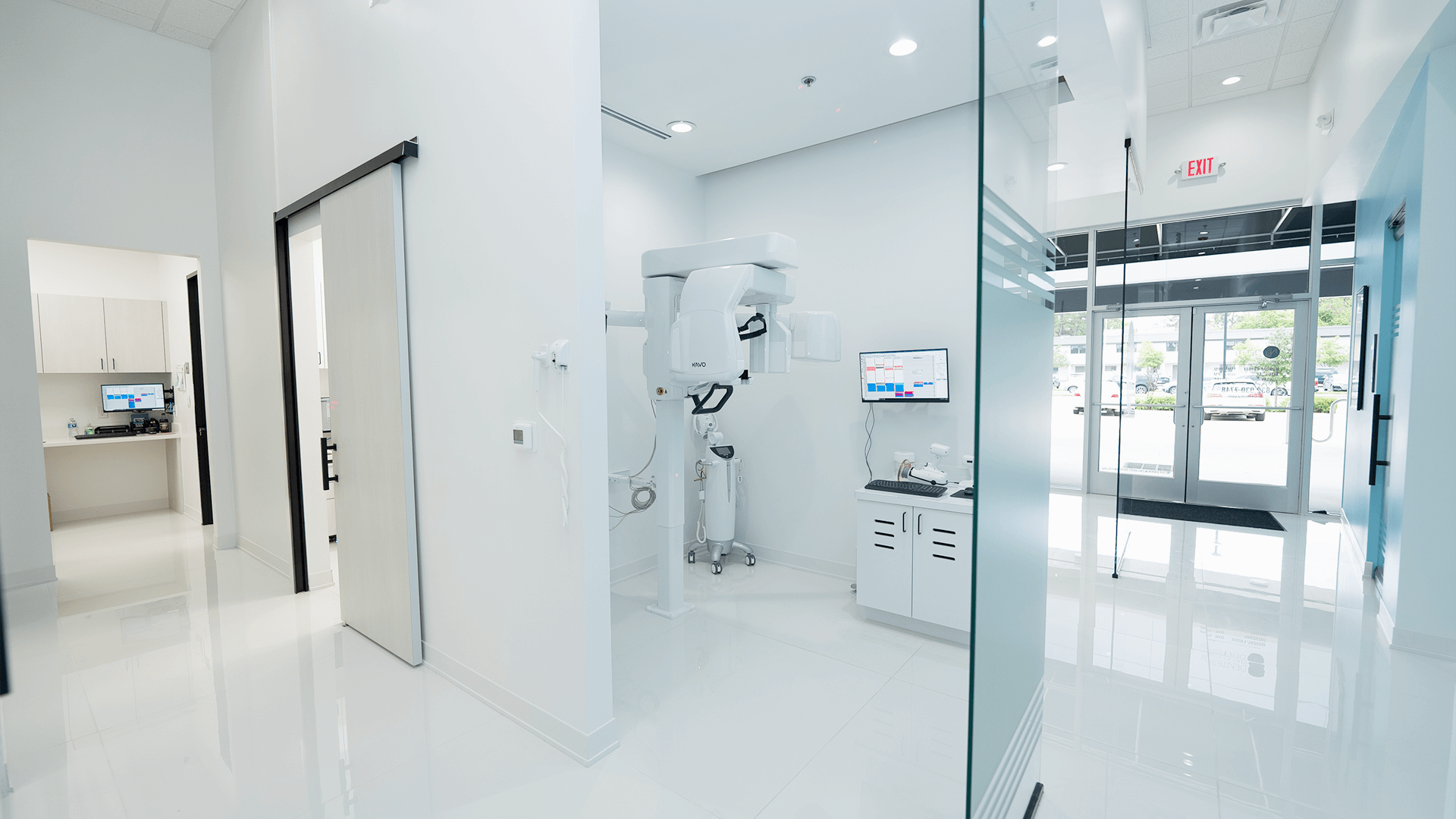
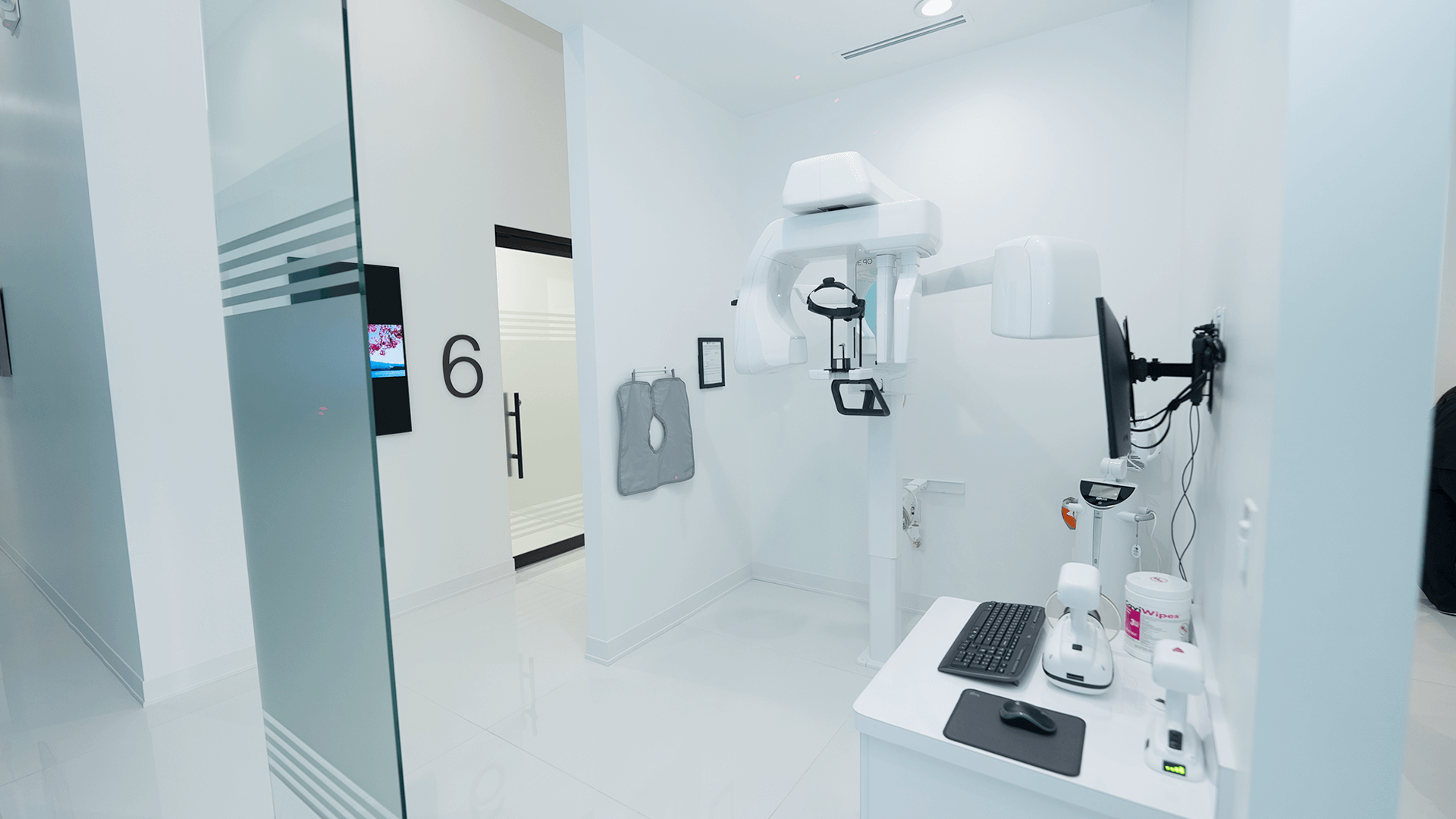
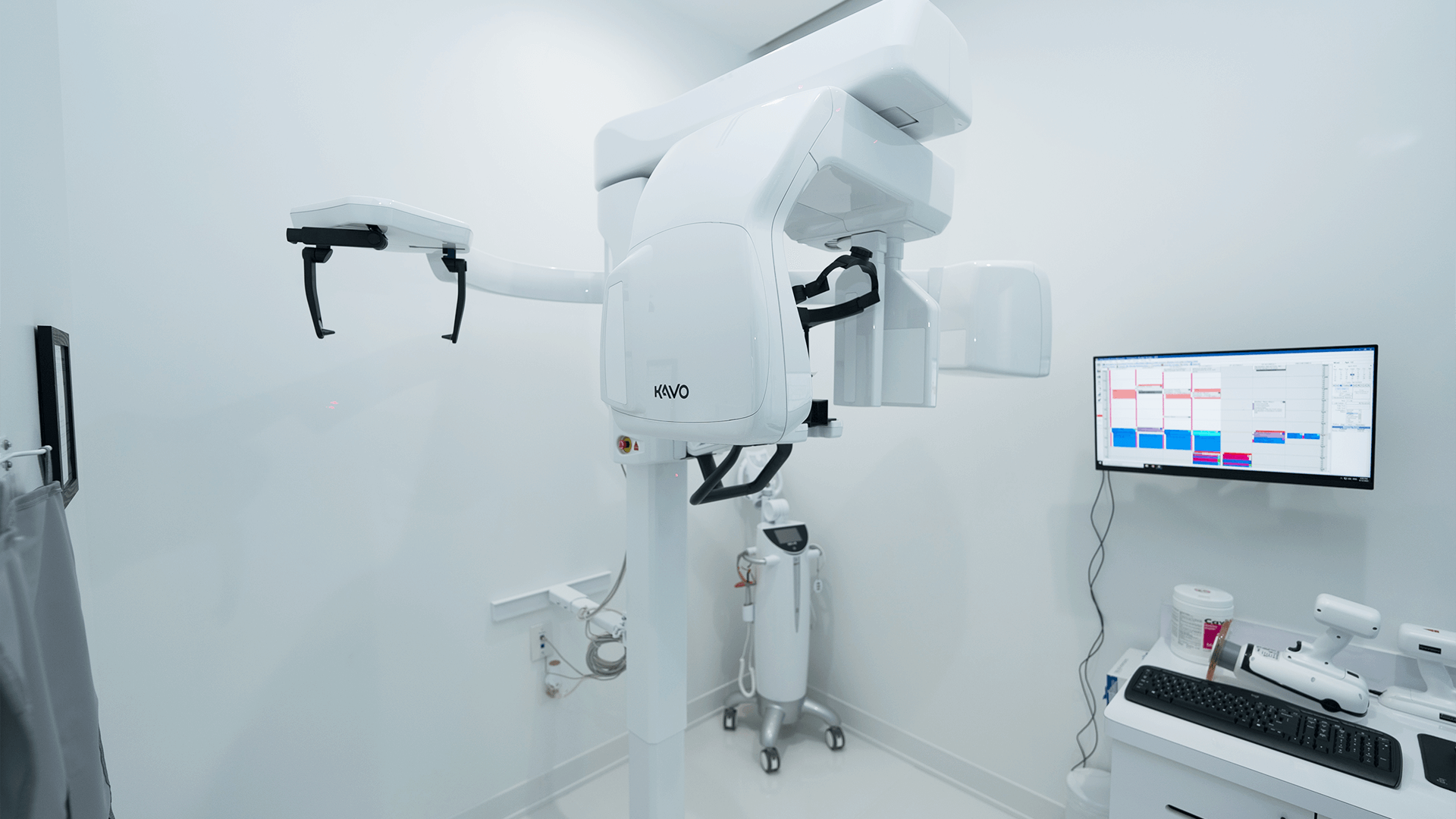
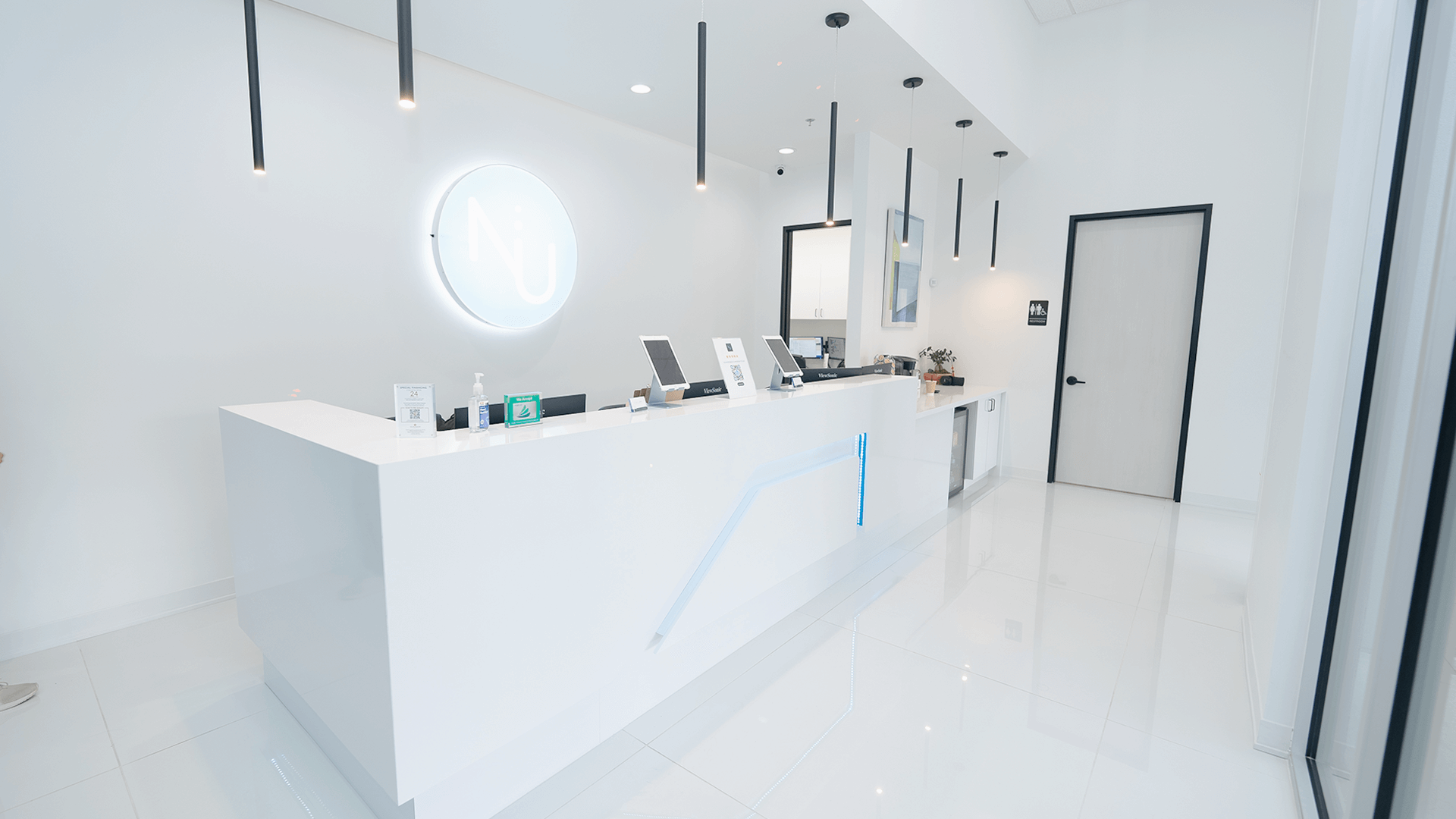
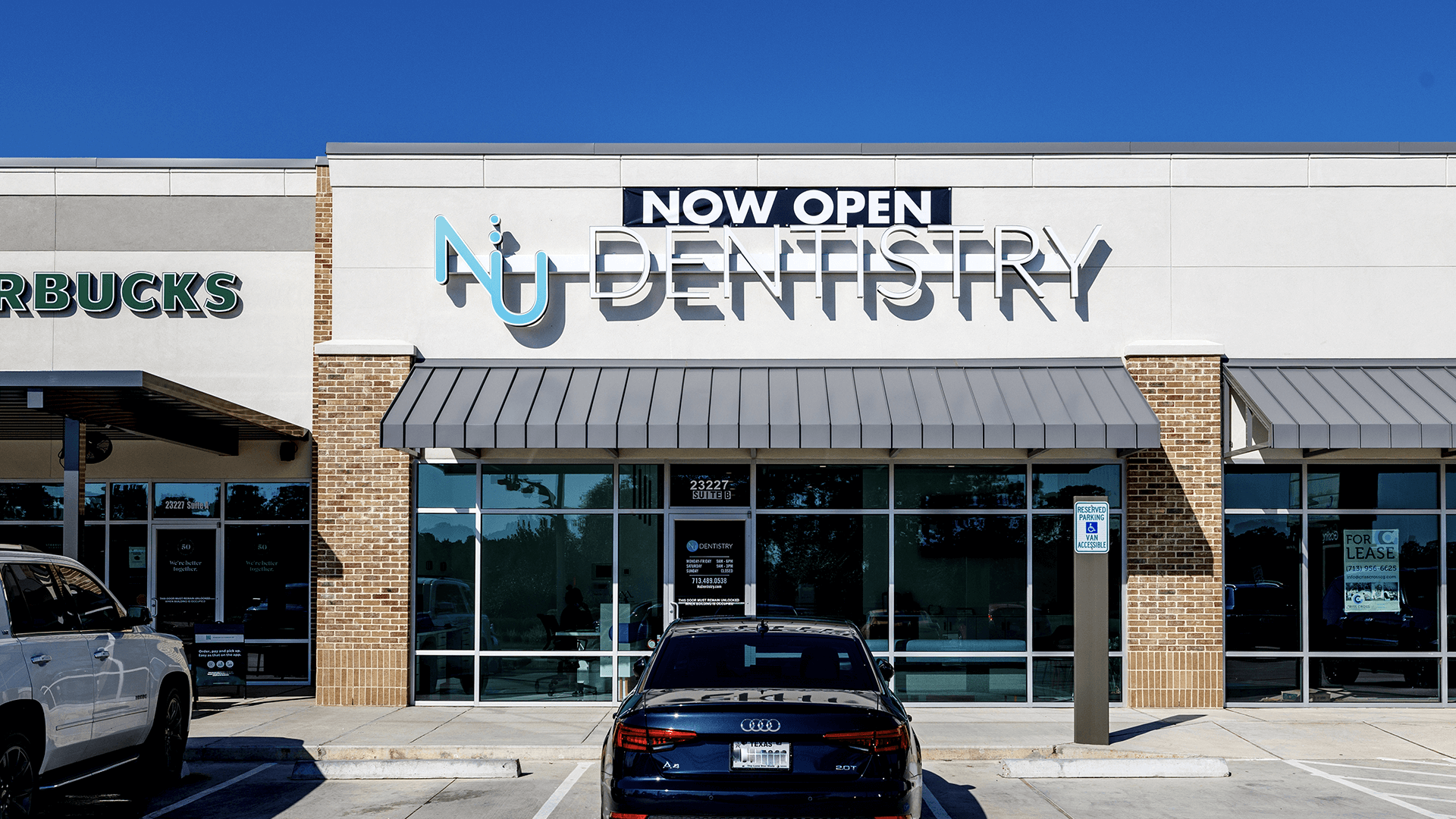
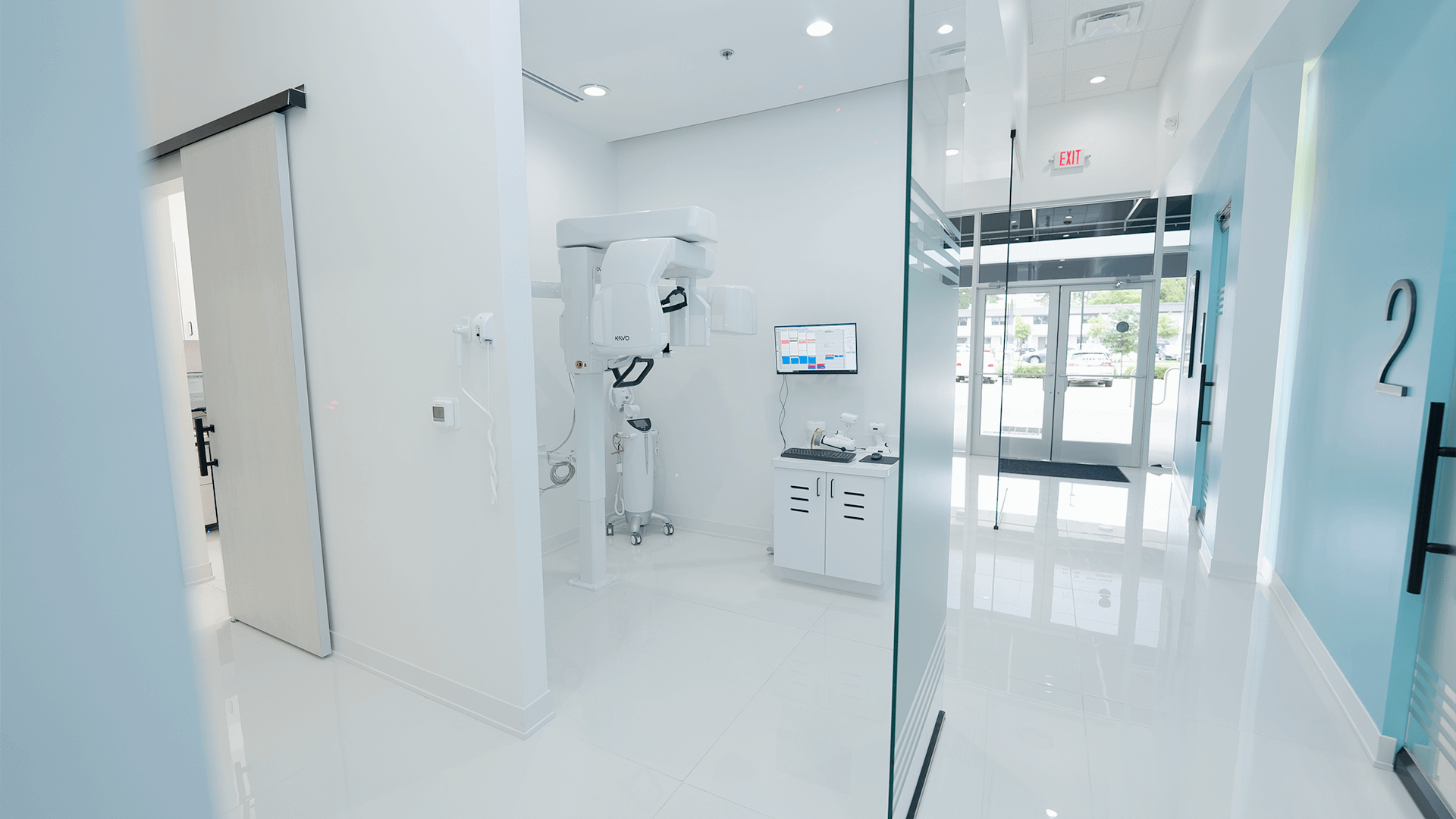
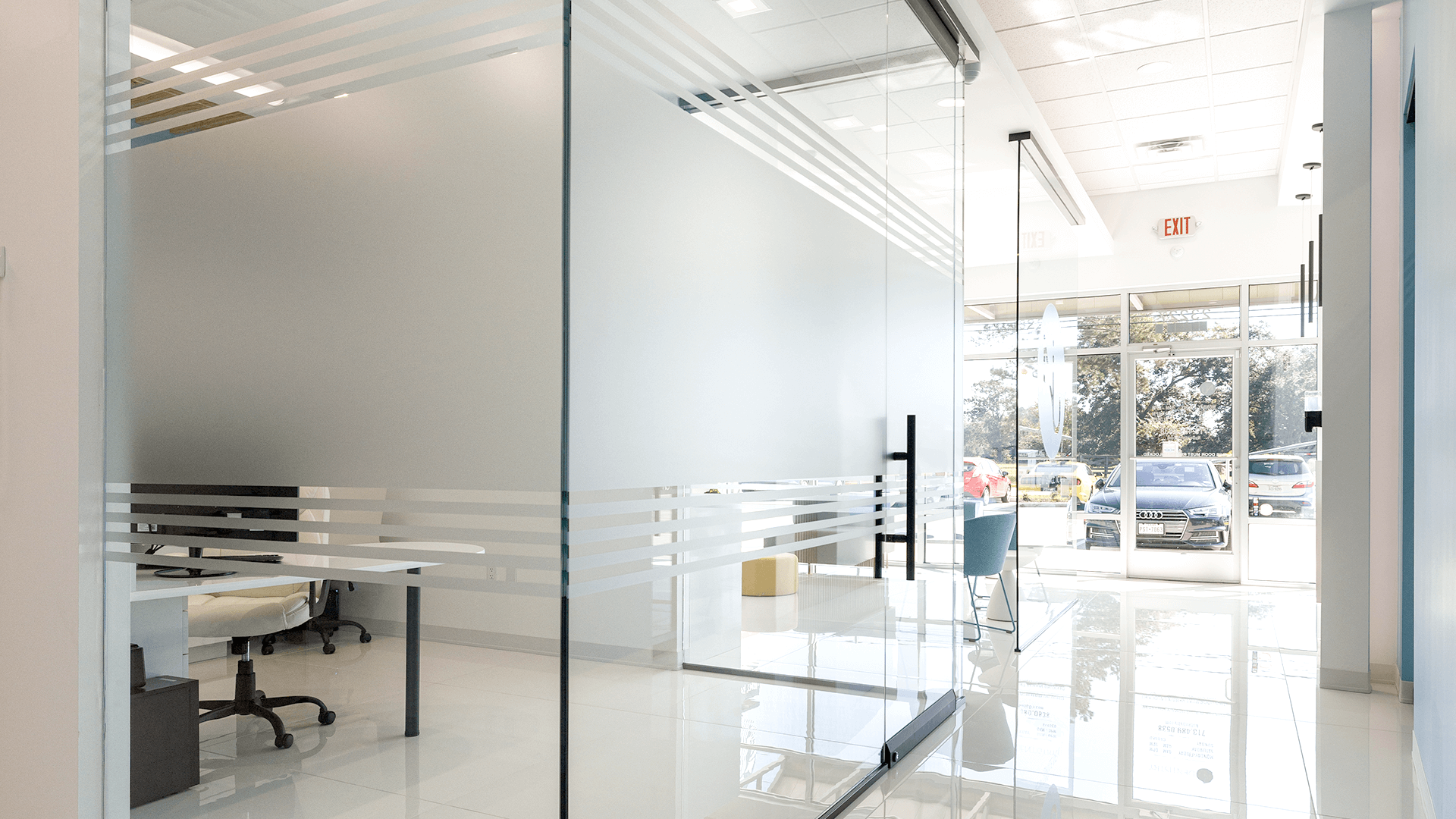
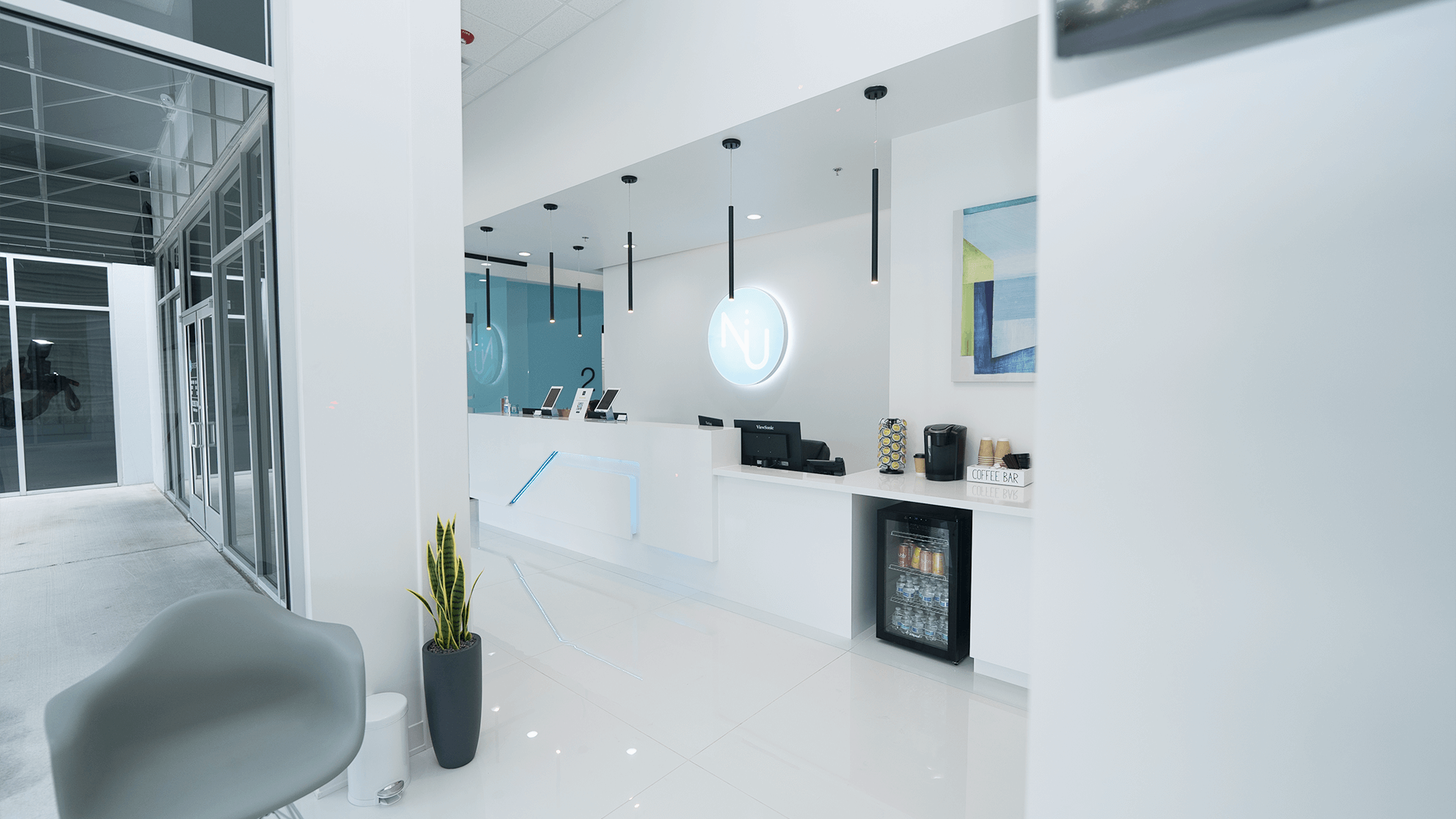
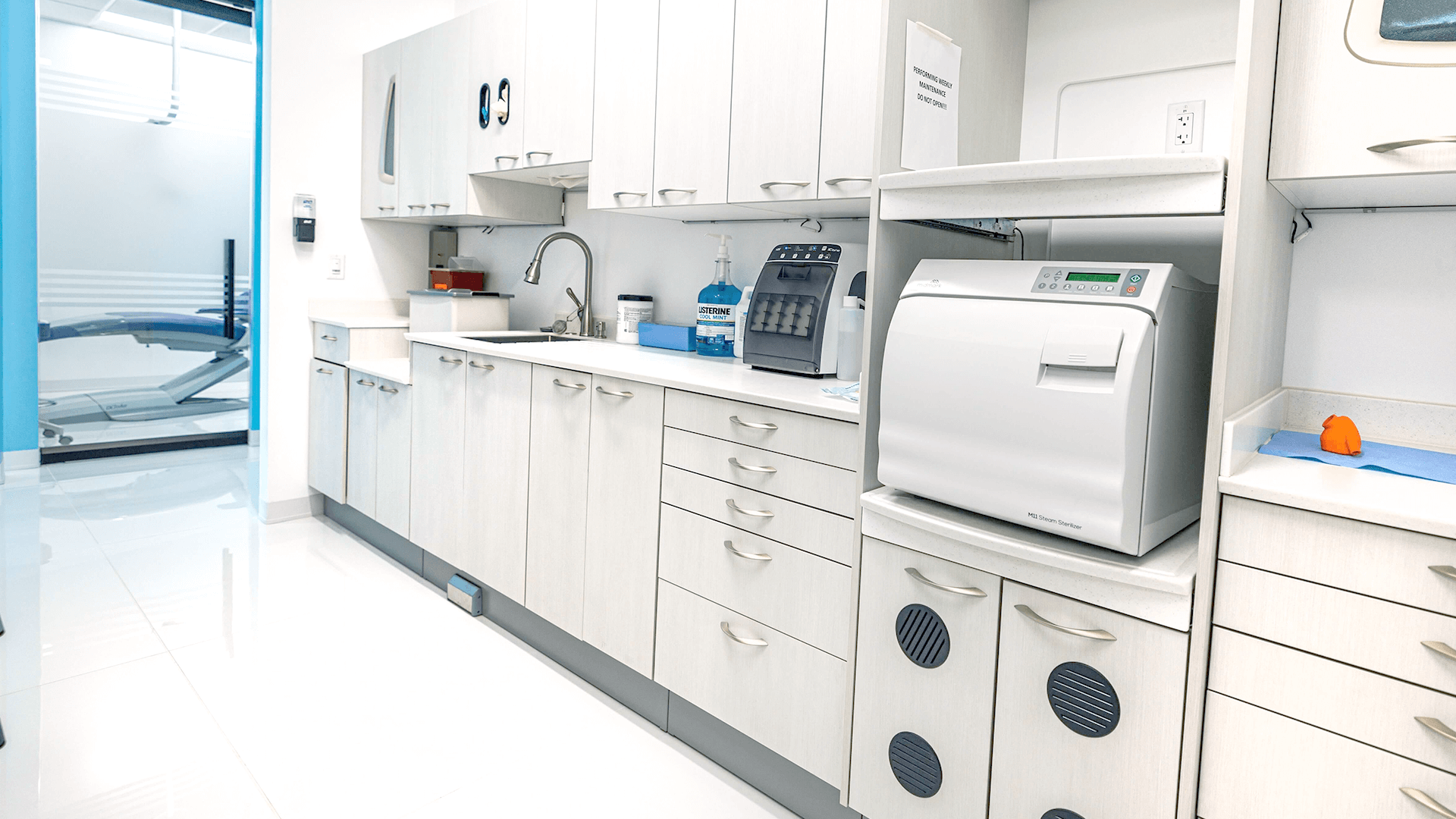
See what a visit to our modern, state-of-the-art dentist office is like!













Monday 9am - 6pm
Wednesday 9am - 6pm
Friday 9am - 6pm
Saturday 9am - 3pm
Check out what our patients are saying in Houston, TX


“Never Thought I'd Say It”
I never thought I’d say it, but going to the dentist is actually fun now. I recently came in for a root canal, and I got to sit back and catch up on Stranger Things without any pain!

“Anxiety Has Kept Me Away ”
I usually have such huge anxiety when I go to a dentist appointment, which means I always put off visits until the last minute to disastrous consequences. However, Dr. Loggins helped me with sedation, so the entire process was a breeze!

“The Best Dentist In Houston, TX”
We have been looking for a family dentist for a long time, we have tried a bunch of places but nothing felt quite like home. Not too long ago we stumbled upon Nu Dentistry and met Dr. Ali. Not only was he professional, kind, and gentle, but he always finds a way to fit us in when we need an appointment. He’s also pretty funny! I appreciate that he takes the time to explain what he’s doing, before he does it. That really puts me at ease.
“Never Thought I'd Say It”
I never thought I’d say it, but going to the dentist is actually fun now. I recently came in for a root canal, and I got to sit back and catch up on Stranger Things without any pain!
“Anxiety Has Kept Me Away ”
I usually have such huge anxiety when I go to a dentist appointment, which means I always put off visits until the last minute to disastrous consequences. However, Dr. Loggins helped me with sedation, so the entire process was a breeze!
We are proud members of these dental organizations and accreditations







We are dedicated to providing you with only the best quality dental care