Orthodontic treatment is rarely one-size-fits-all. For patients with complicated issues, like significant bite misalignment, crowded teeth, or jaw discrepancies, the decision between Invisalign and traditional braces isn’t always straightforward. While both options have their advantages, the right choice depends on the specifics of your case and what long-term results you’re aiming for.
If you’ve been told your teeth need more than a basic touch-up, keep reading. We’ll walk through how Invisalign and braces compare when the path to a straighter smile involves a few twists and turns.
What are the chances Invisalign will work for my complicated case?
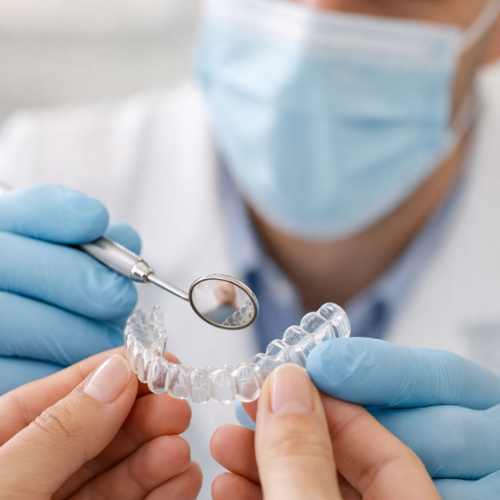
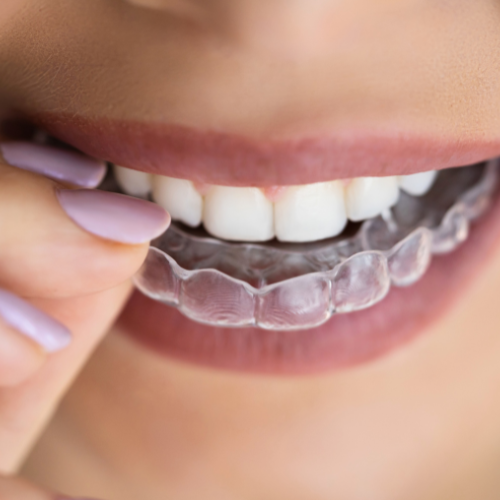
Invisalign has come a long way since its early days. What started as a solution for mild crowding and spacing has evolved into a serious contender for treating complex dental issues. Thanks to technological advances like SmartTrack material and attachments that help shift teeth with greater precision, Invisalign is now being used for moderate to even some severe orthodontic cases.
That said, whether or not it will work for your specific case depends on the details. Some of the complex issues Invisalign may be able to treat include:
- Overbites and underbites
- Crossbites
- Significant crowding or spacing
- Open bites
- Relapse from past orthodontic treatment
- Rotated teeth
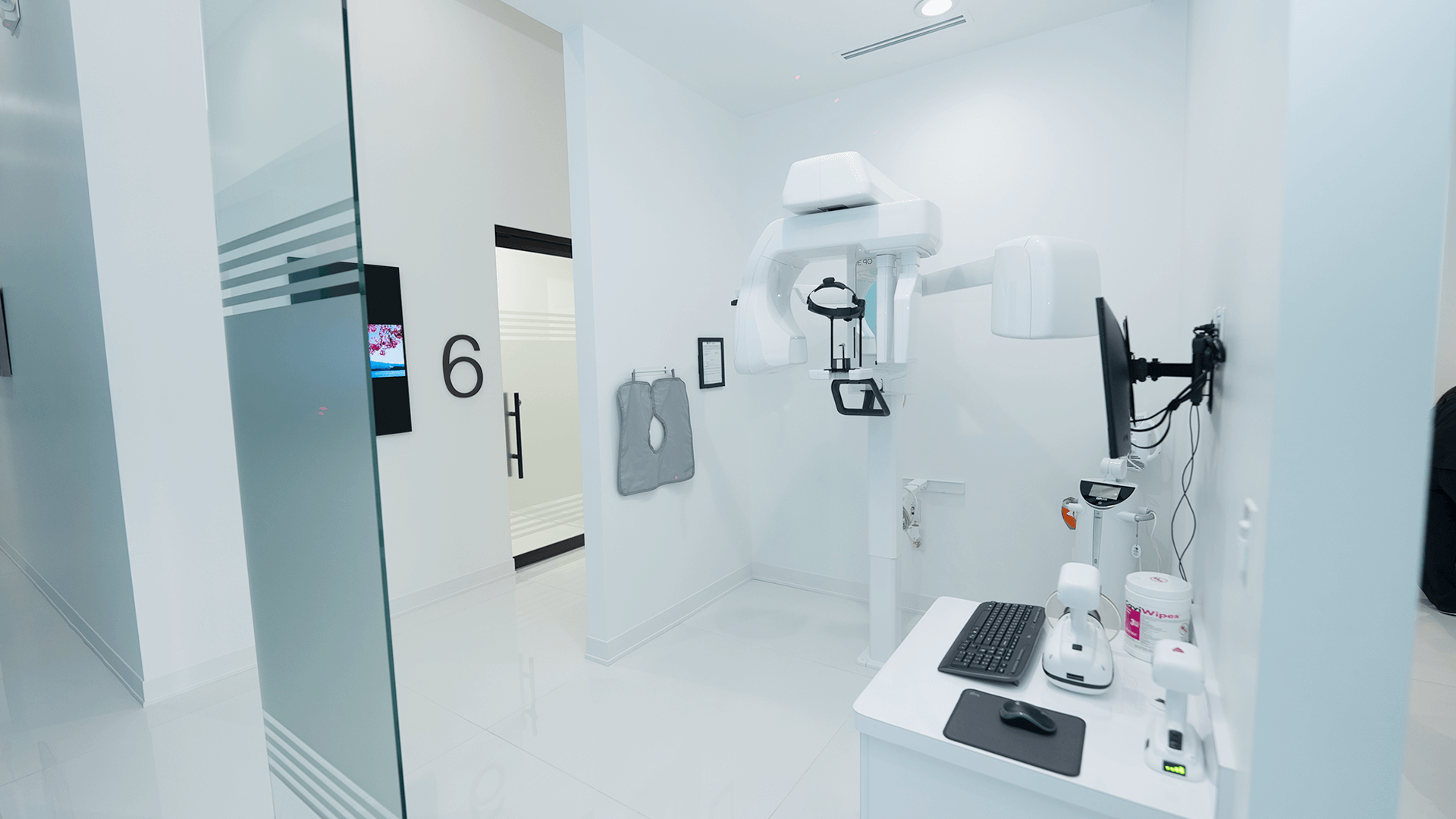
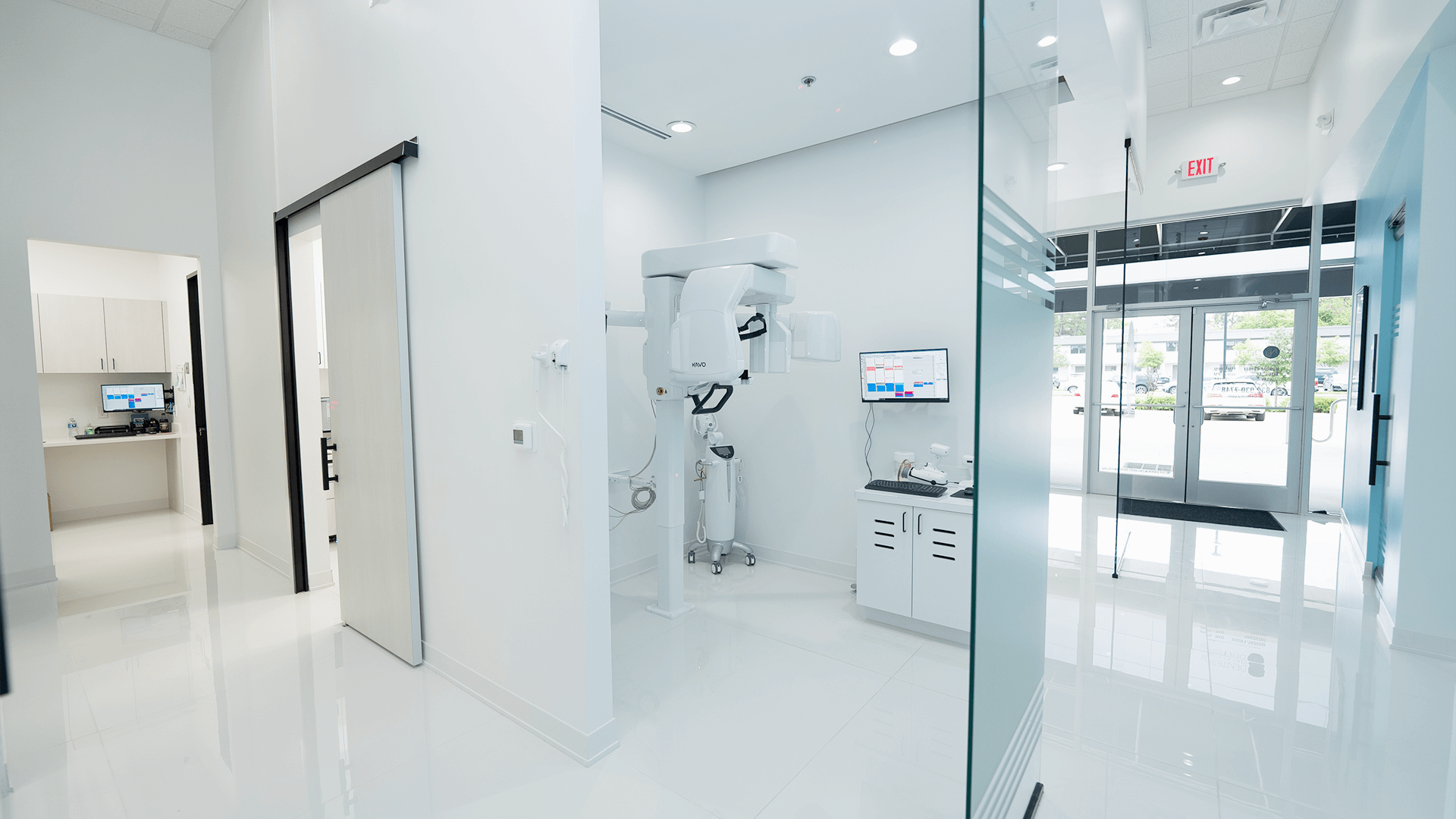
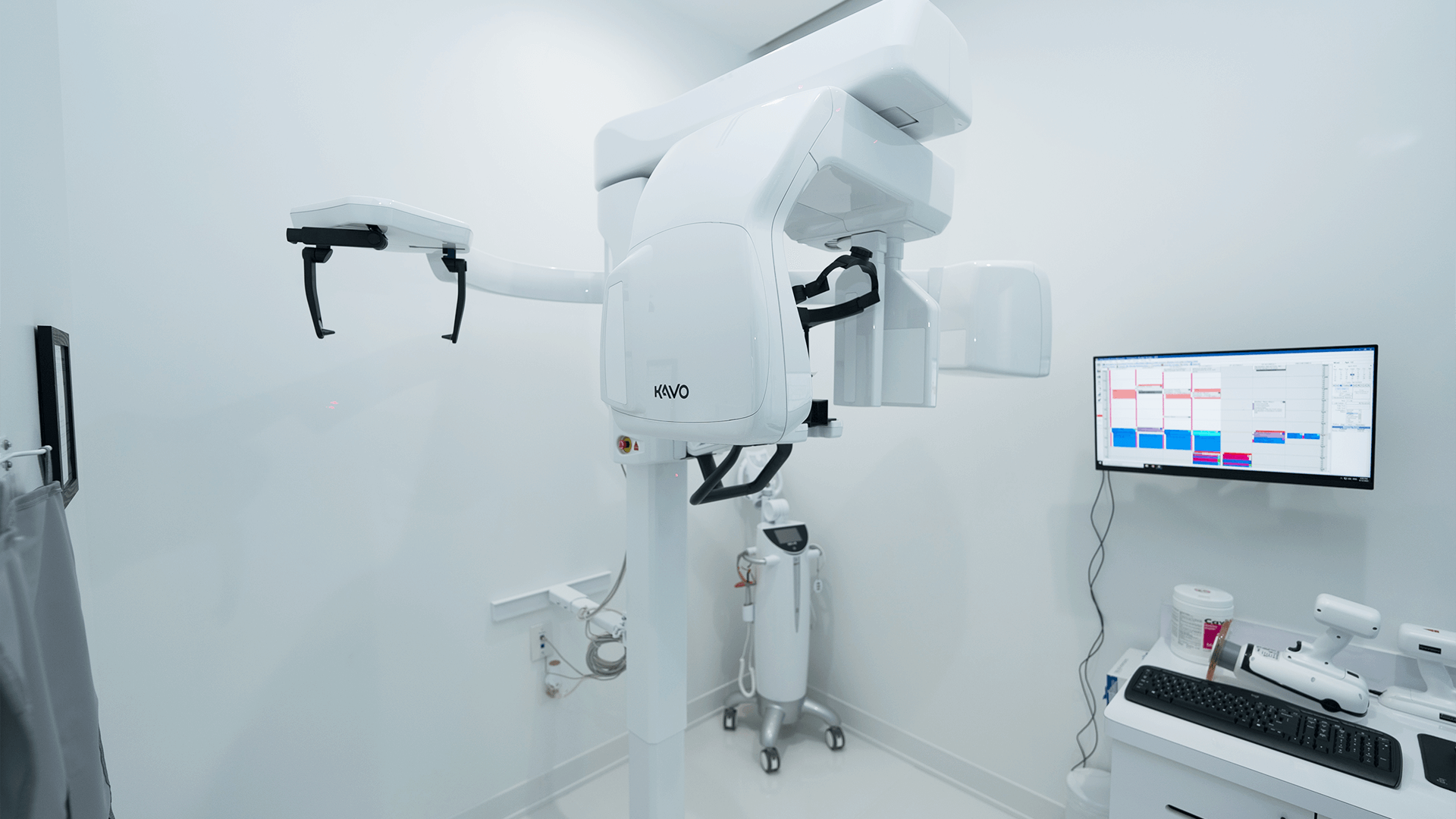
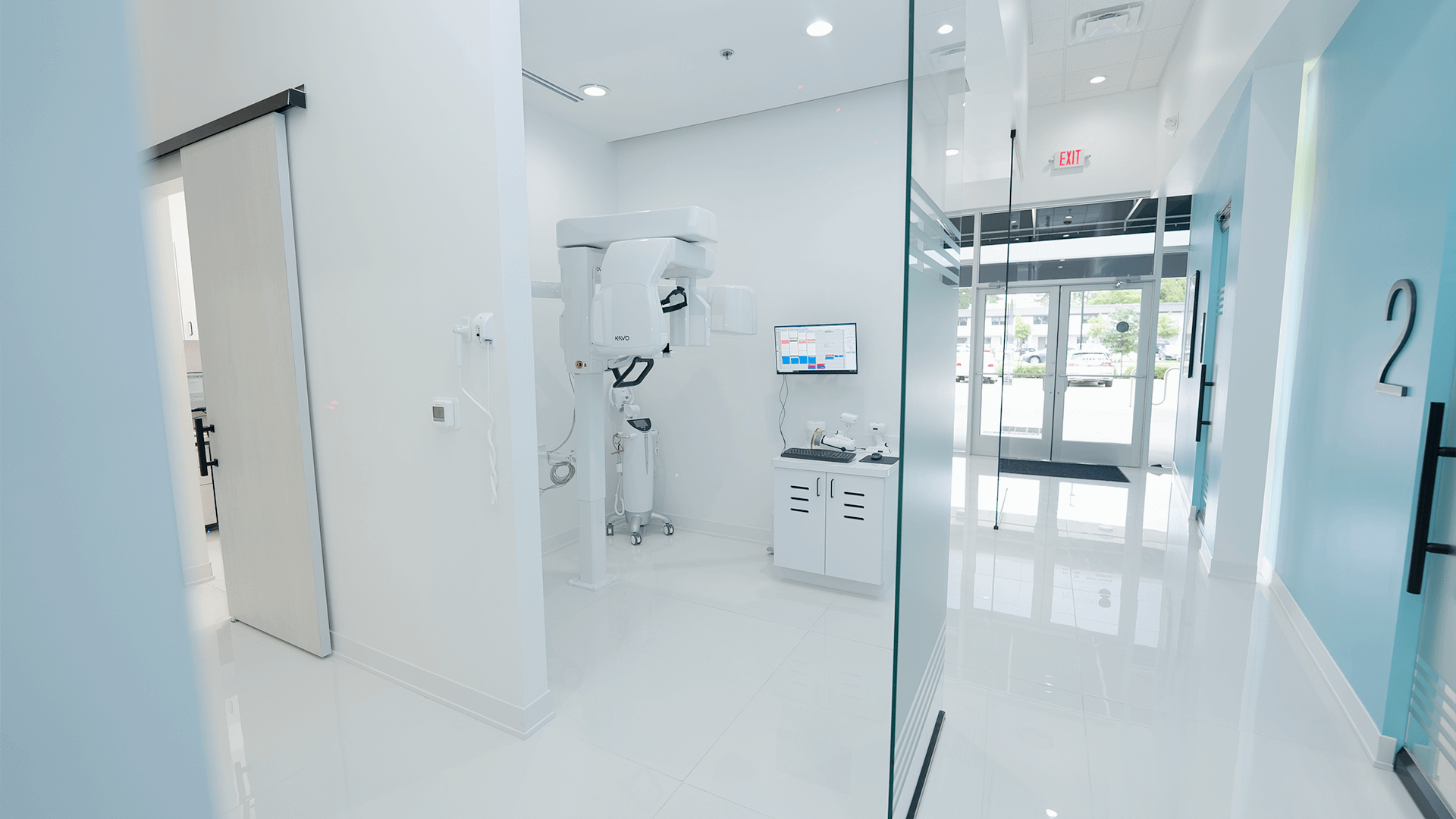
But it’s important to remember that Invisalign is only as good as the treatment plan behind it. This is where the expertise of your orthodontist really matters. At Nu Dentistry Garden Oaks, we use 3D imaging to assess whether Invisalign can deliver the results you want. We’re upfront if braces would be the better option and explain why.
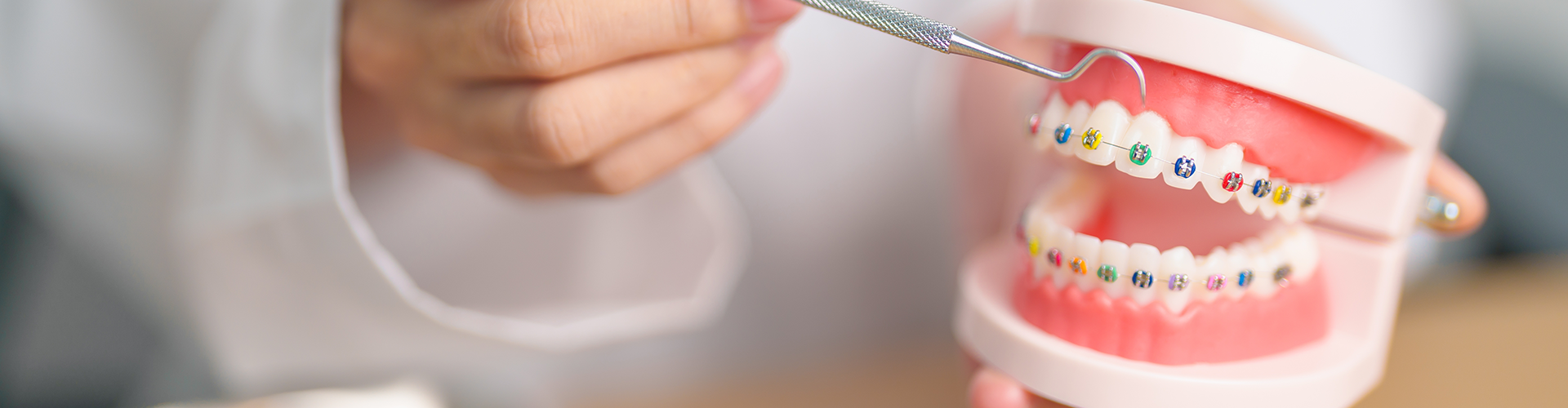
In more severe or skeletal cases (like jaw misalignment that may need surgery), braces are often preferred because they allow for more control and can work in tandem with other orthodontic tools like expanders or elastics.
Is one faster than the other when it comes to treating complex orthodontic problems?
Speed is often top of mind for anyone starting orthodontic treatment, especially if your case is more complicated. The truth is, neither Invisalign nor braces is inherently faster, it all comes down to what your teeth need and how consistently you follow the plan.
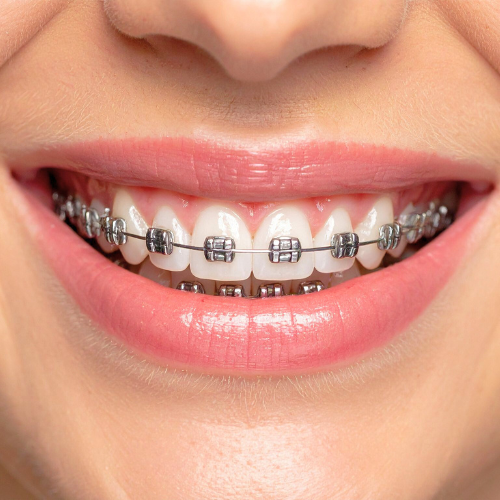
In some complex cases, braces may move teeth more quickly because they apply constant pressure and don’t rely on patient compliance. They're fixed to the teeth, so progress continues even if you’re not thinking about it.
With Invisalign, the trays need to be worn 20 to 22 hours a day to be effective. For someone who’s super disciplined, Invisalign can match the speed of braces. But if you tend to forget or remove them often, treatment may take longer, or not work as intended.
Also, when treating more complex issues, the number of aligners required increases. That could mean longer treatment time, more refinement phases, or needing additional tools like elastics. In many of these situations, braces can handle the job more efficiently, since they give orthodontists the ability to make real-time adjustments without needing to reorder trays.
That said, some patients finish Invisalign treatment faster because they’re highly motivated to follow instructions. It’s not a universal rule, so don’t assume one is always faster than the other. At your consultation, we’ll walk you through a realistic timeline for your specific case based on our experience with both systems.
What’s better for long-term results: Invisalign or braces?
When it comes to long-term success, the real difference isn't just in the appliance you choose, it’s in what happens after treatment.
Both Invisalign and braces can deliver excellent results for complex cases, as long as treatment is done correctly and patients wear their retainers afterward. That’s right, retainers are just as important as the braces or aligners that got you there.
Now, some people worry that Invisalign results won’t last because the aligners are removable or seem “less serious.” But this isn’t true. When properly monitored and followed through, Invisalign can produce just as stable results as braces. And because the digital planning process is so precise, your final smile can be incredibly well-aligned.
However, in certain severe bite or skeletal cases, especially when surgery is involved, braces tend to be the preferred route. Their fixed nature and versatility give orthodontists more control to move teeth in multiple directions, which can result in better coordination between the upper and lower jaws.
Another thing to consider is your lifestyle and likelihood to follow through with retainer use. If you struggled with wearing your Invisalign trays consistently, you may also forget to wear a retainer. In these cases, we might recommend a fixed retainer after braces to help lock in your results.
Ultimately, both options can deliver beautiful, lasting results. The key is proper diagnosis, expert planning, and consistent follow-up, something we pride ourselves on at Nu Dentistry Garden Oaks.
Other Things to Consider Before Choosing
Still trying to weigh your options? Here are a few extra factors that often influence the decision:
Comfort:
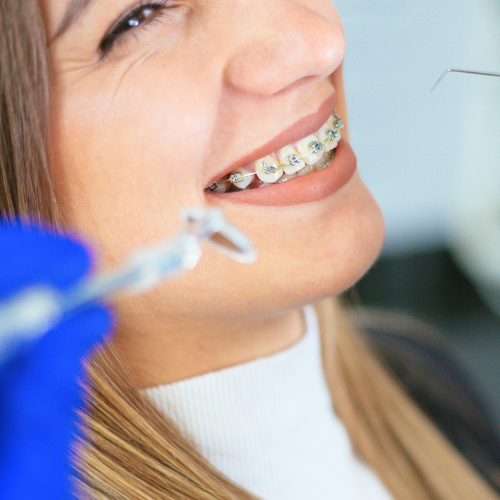
Invisalign trays are smooth and custom-molded, so they tend to feel more comfortable against cheeks and gums. Braces, on the other hand, may cause irritation at first, though this usually improves over time.
Maintenance:
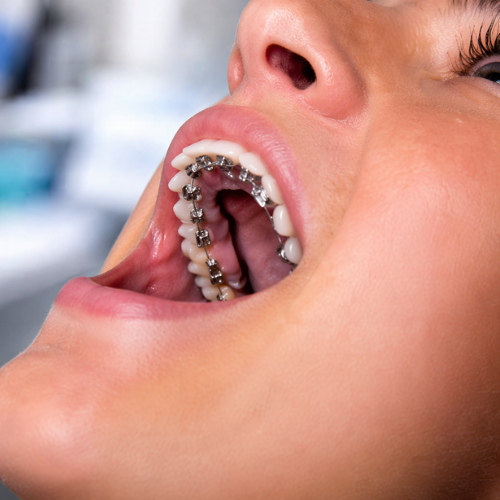
Braces are harder to clean, especially with wires and brackets in the way. Invisalign trays must be cleaned too, but brushing and flossing is much easier without anything attached to your teeth.
Appearance:
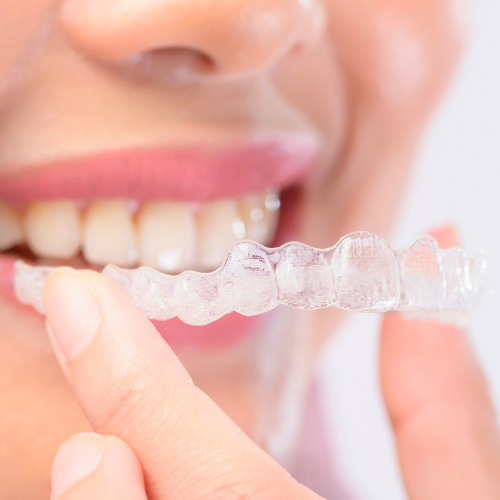
If you’re concerned about how your smile looks during treatment, Invisalign is practically invisible. This can be a deciding factor for adults or teens in social or professional environments.
Cost:
For complex cases, Invisalign may require more trays, attachments, or refinements, which can increase costs. Braces tend to be more predictable in price for complex work. That said, many practices, including ours, offer flexible payment plans for both.
Discipline Required:
If you don’t think you’ll remember to wear trays as directed, braces might be the better fit. They’re always working, no matter what.
Let’s Find Out What’s Right for You
At Nu Dentistry Garden Oaks, we don’t believe in cookie-cutter treatment plans. Every smile is different, and so is every case. Whether you’re leaning toward Invisalign or braces, the best place to start is with a consultation.
We’ll take a close look at what’s going on beneath the surface, bite patterns, alignment issues, jaw placement, and give you an honest opinion about which treatment will serve you best.
Ready to take the next step toward your dream smile? Schedule your orthodontic consultation today. Let’s create a treatment plan that fits your needs, lifestyle, and long-term goals.