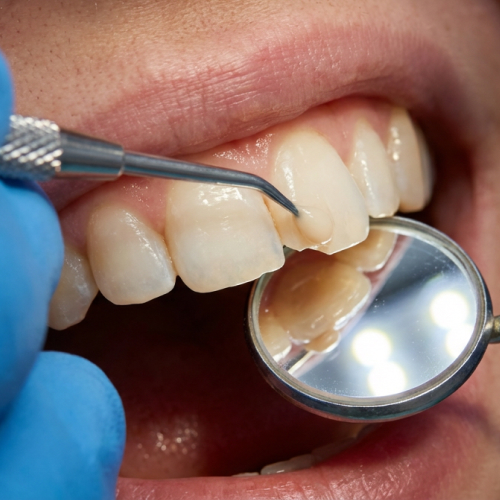
Front Tooth Fillings, Chips, and Bonding: What Actually Works
Can front tooth fillings or dental bonding fix a chipped tooth? Discover the best ways to restore your smile at Nu Dentistry Garden Oaks. Schedule a visit today!
Read More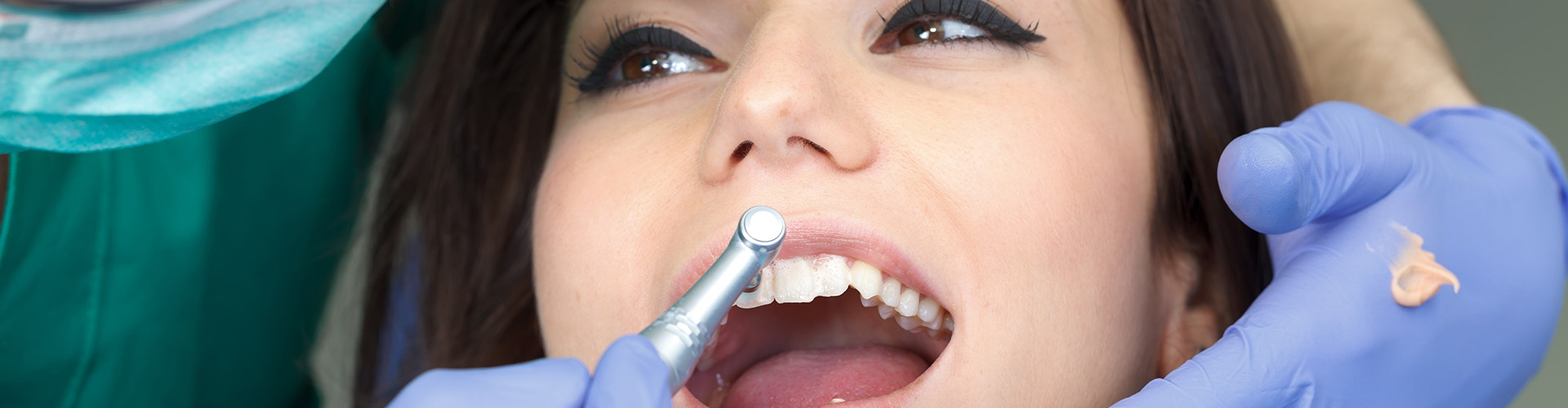
In the realm of dental care, prophylaxis cleaning stands out as a fundamental procedure, yet its importance is often overshadowed by more immediate dental concerns. This blog delves into how maintaining oral health through regular prophylaxis treatments can be a game-changer for your overall well-being.
The mouth is often considered the gateway to your body, highlighting the critical role oral health plays in your overall well-being. Poor oral hygiene can lead to a plethora of dental issues, including cavities, gum disease, and tooth loss, but its impact extends well beyond the confines of the mouth.
Studies have consistently demonstrated a correlation between oral health and systemic conditions. For example, periodontal disease, characterized by swollen, bleeding gums, and the deterioration of the structures supporting teeth, has been linked to an increased risk of heart disease. Experts believe that the inflammation and bacteria associated with gum disease may contribute to the development of heart conditions by affecting the arteries.
Diabetes is another condition intricately connected with oral health. Individuals with diabetes are more susceptible to periodontal disease, which in turn can exacerbate diabetic symptoms by making blood sugar more difficult to control. The relationship is bidirectional; not only can poor oral health lead to a worsening of diabetes, but diabetic individuals are also at a higher risk for developing oral health problems, creating a cycle that can be challenging to break.
The risk of stroke also appears to be higher in individuals with poor oral health. The inflammatory response triggered by gum disease can lead to the narrowing and blocking of arteries, increasing stroke risk. Furthermore, oral infections can lead to endocarditis, a rare but serious condition where the lining of the heart becomes infected.
Beyond cardiovascular diseases and diabetes, poor oral health can impact respiratory health as well. Bacteria from infected teeth and swollen gums can be aspirated into the lungs, leading to respiratory infections like pneumonia, especially in vulnerable populations such as the elderly or those with weakened immune systems.
Pregnant women with periodontal disease may face additional risks, including premature birth and low birth weight of their infants. The inflammation and toxins released by gum disease are believed to interfere with the development of the fetus, underscoring the importance of maintaining good oral hygiene before and during pregnancy.
Oral prophylaxis, or dental cleaning, is an essential preventive treatment that plays a crucial role in maintaining oral health. This procedure aims to thoroughly clean the teeth and gum line, going beyond the capabilities of regular brushing and flossing at home. It is performed by skilled dental professionals who use specialized tools and techniques to ensure a deep clean.
The process of oral prophylaxis typically begins with a thorough examination of the mouth to assess the overall oral health and to identify any areas that may require special attention during cleaning. This initial assessment can help in detecting signs of cavities, gum disease, or other oral health concerns that might not yet be causing noticeable symptoms.
Scaling is the next step in the prophylaxis treatment, where dental professionals use either manual scalers or ultrasonic instruments to meticulously remove plaque and tartar (calculus) deposits from the tooth surfaces and beneath the gum line. Plaque is a sticky film of food debris, bacteria, and saliva, which, if not removed, can harden into tartar. Tartar is much more difficult to remove and can lead to gum disease if not addressed.
Following scaling, the teeth are polished using a high-speed brush and a special gritty toothpaste-like material. This polishing process removes surface stains and smooths the enamel, making it more difficult for plaque to adhere to the teeth in the future. The smooth surface also gives the teeth a shiny and clean appearance.
In some cases, debridement may be necessary. This step is taken when there is a significant buildup of tartar and plaque, especially in hard-to-reach areas or in cases of neglected oral hygiene. Debridement involves the use of more intensive cleaning techniques to ensure that all the hardened deposits are removed from the teeth.
Fluoride treatment is often the final step in the prophylaxis procedure. Fluoride is applied to the teeth in gel, foam, or varnish form to help strengthen tooth enamel and protect against decay. This not only helps in preventing cavities but also can reverse early signs of tooth decay.
Oral prophylaxis does more than just clean teeth; it serves as a preventive measure against oral diseases. By removing plaque and tartar, it helps prevent the onset of tooth decay and gum disease, which are leading causes of tooth loss in adults. Additionally, during the cleaning process, dental professionals have the opportunity to identify early signs of oral health issues, such as cavities, gingivitis, and even signs of oral cancer, which can often be missed during routine at-home care.
Regular prophylaxis treatments are key to maintaining oral health and preventing more serious dental issues from developing. By undergoing these cleanings, patients can ensure that their mouths remain healthy, potentially avoiding the need for more invasive and costly dental procedures in the future.
The American Dental Association recommends that individuals undergo prophylaxis cleaning at least twice a year. However, the frequency can vary based on personal dental health needs. Those with a higher risk of dental diseases, such as individuals with a history of periodontitis, may require more frequent cleanings. Your dentist will evaluate your oral health status and recommend a prophylaxis schedule that best suits your needs.
Ignoring oral health can lead to significant health issues, but regular prophylaxis cleaning can play a crucial role in maintaining your overall health and well-being. By removing harmful plaque and tartar, oral prophylaxis not only ensures your teeth and gums stay healthy but also helps in early detection and prevention of serious health conditions. If it's been a while since your last dental cleaning, or if you're looking to maintain optimal oral health, it's time to take action. Contact our dental office today to schedule your prophylaxis cleaning appointment. Prioritize your oral health – your body will thank you for it.
Fresh news from the dental world
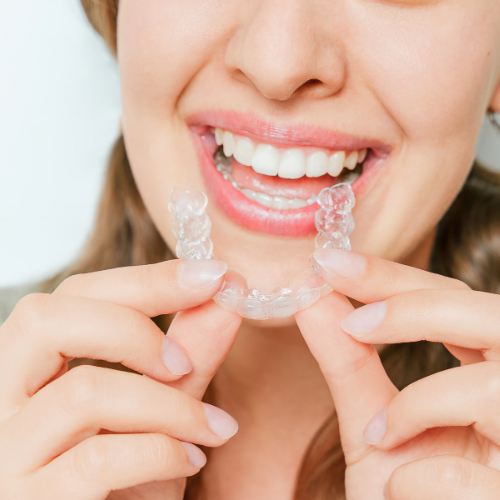
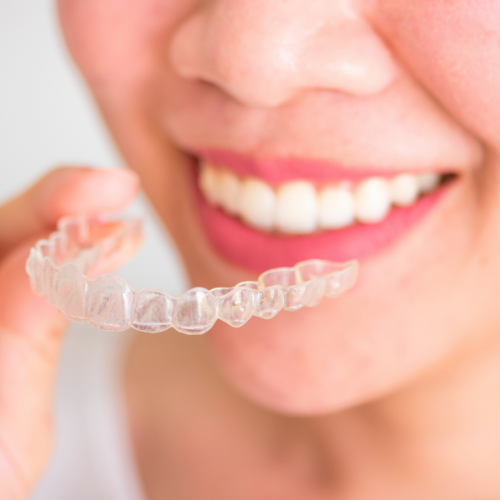
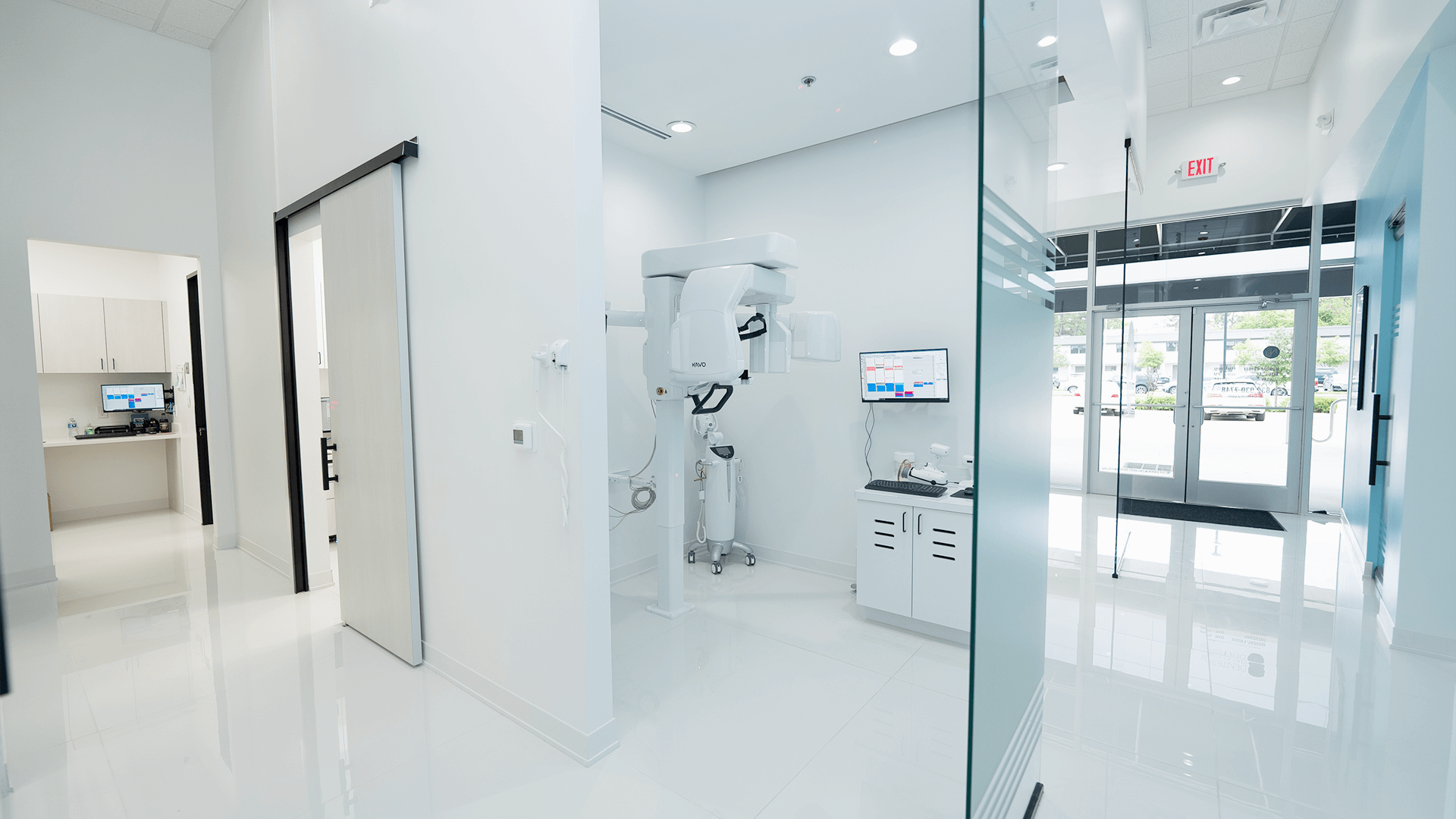
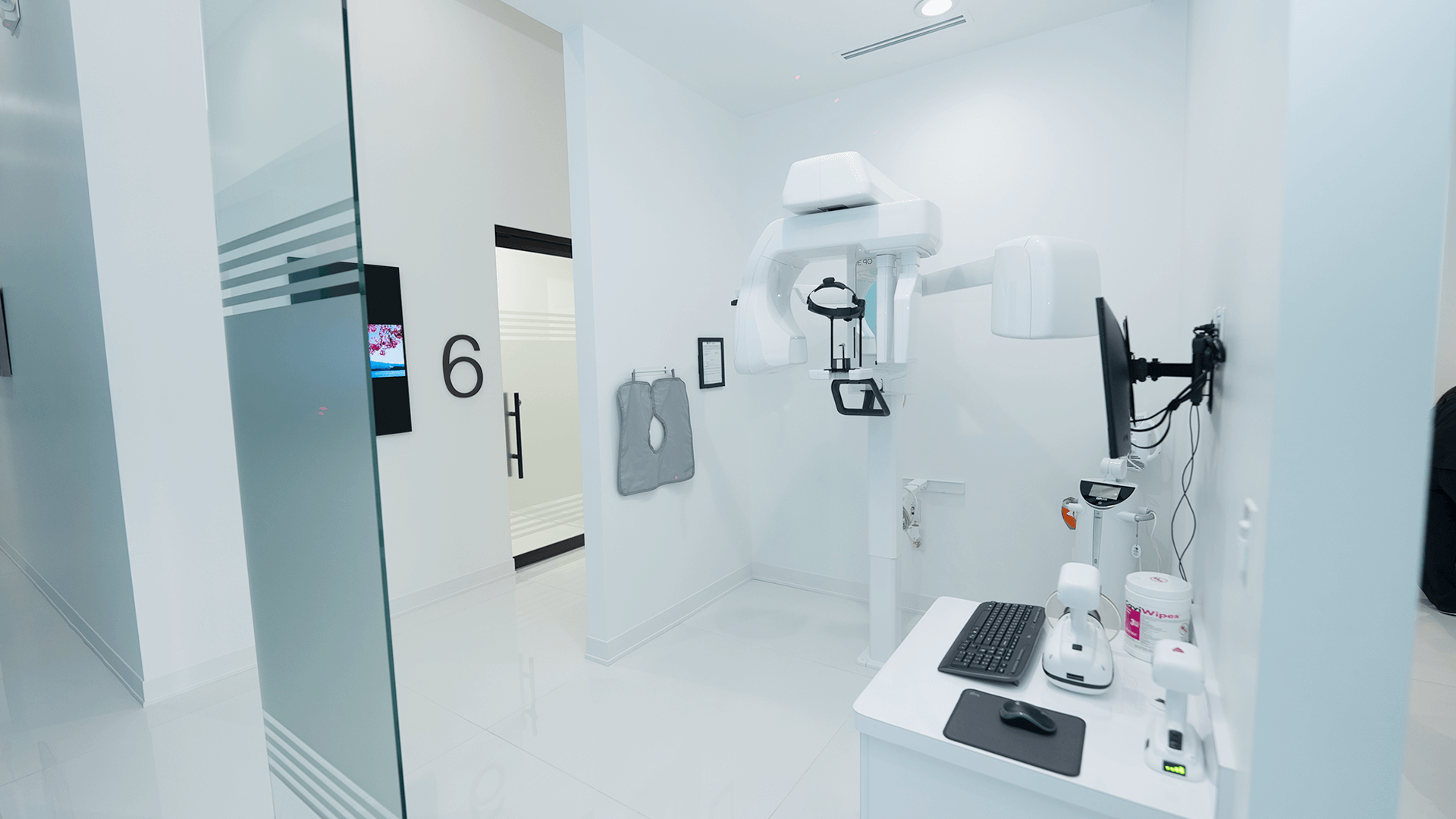
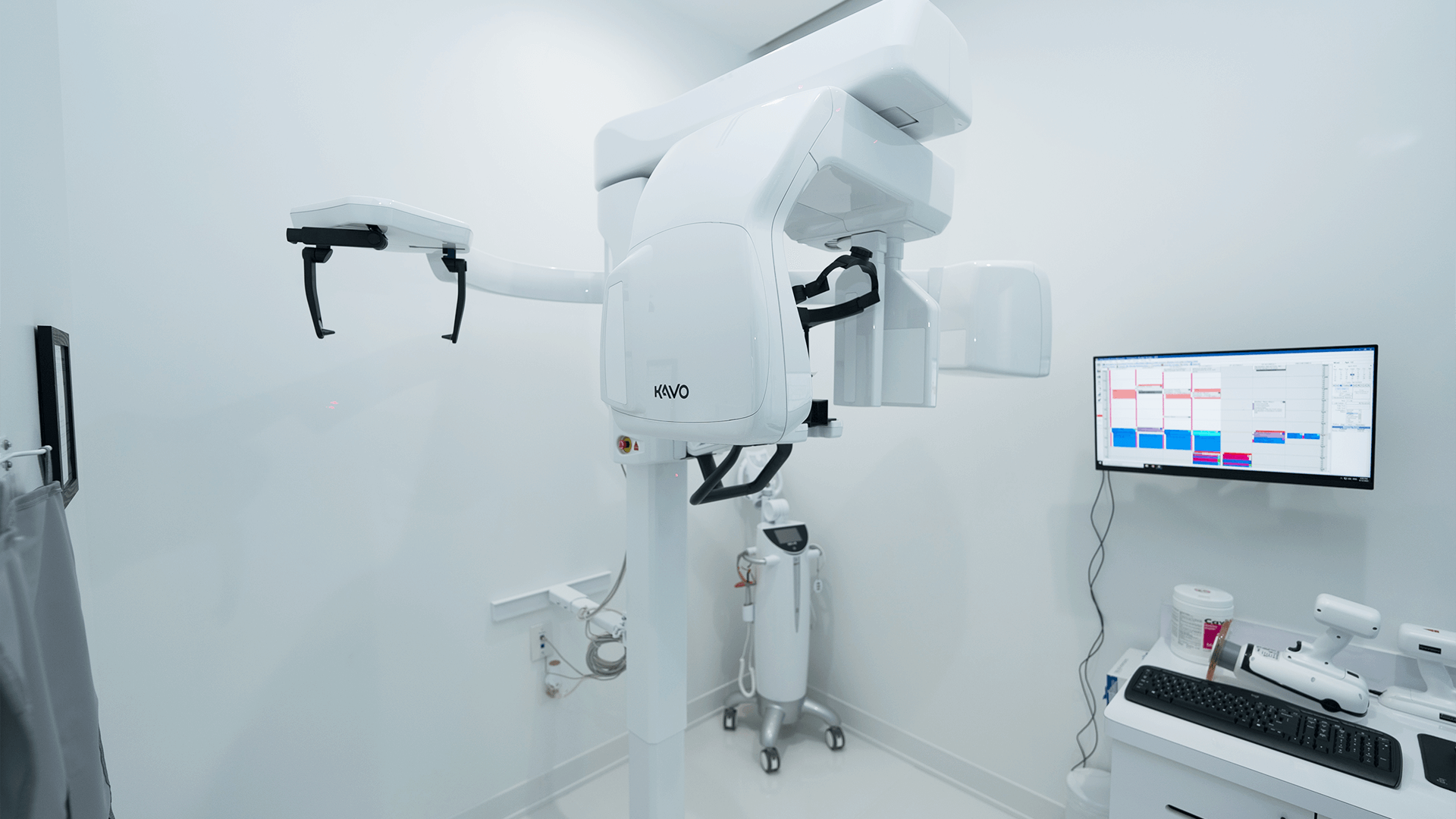
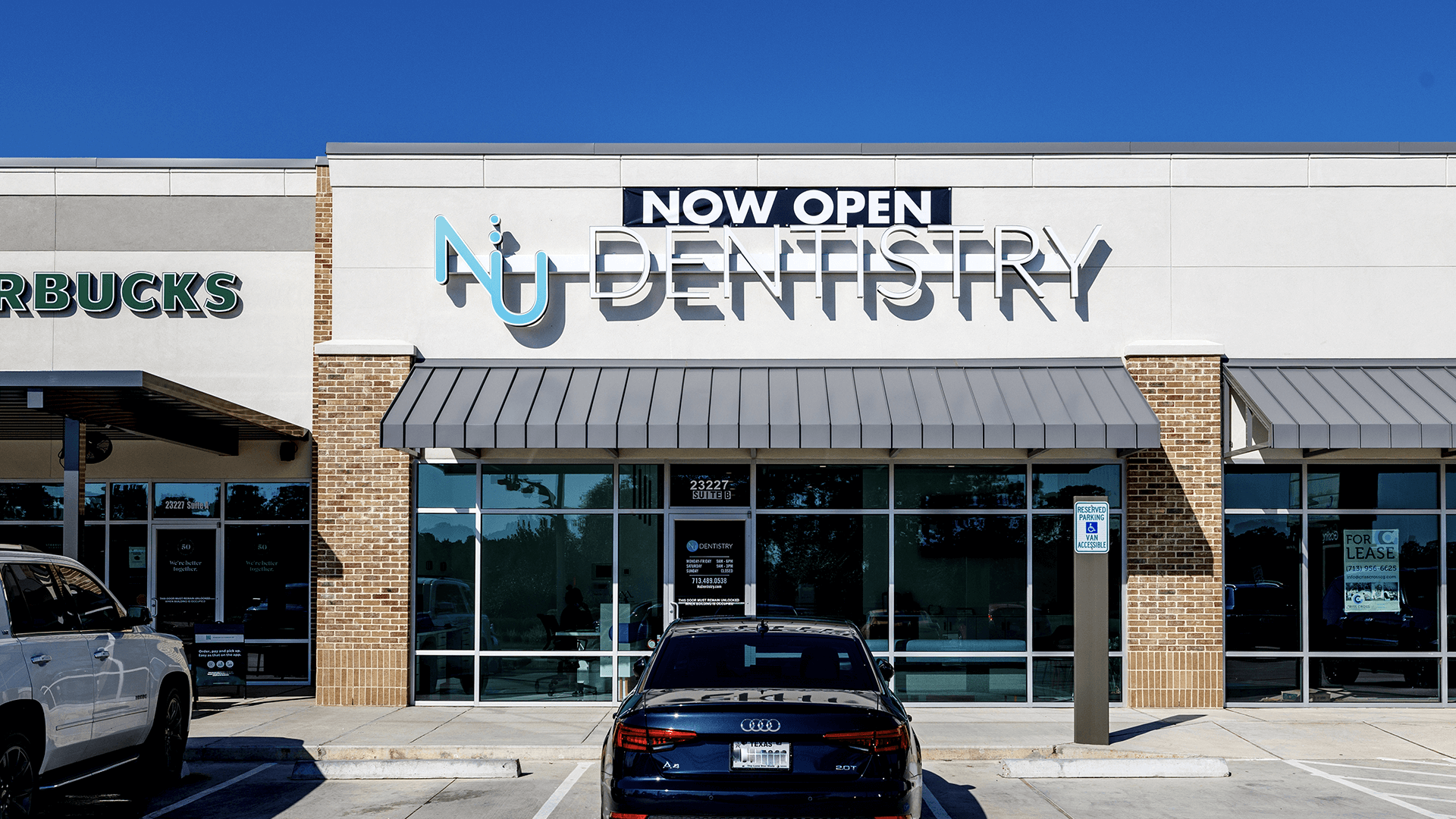
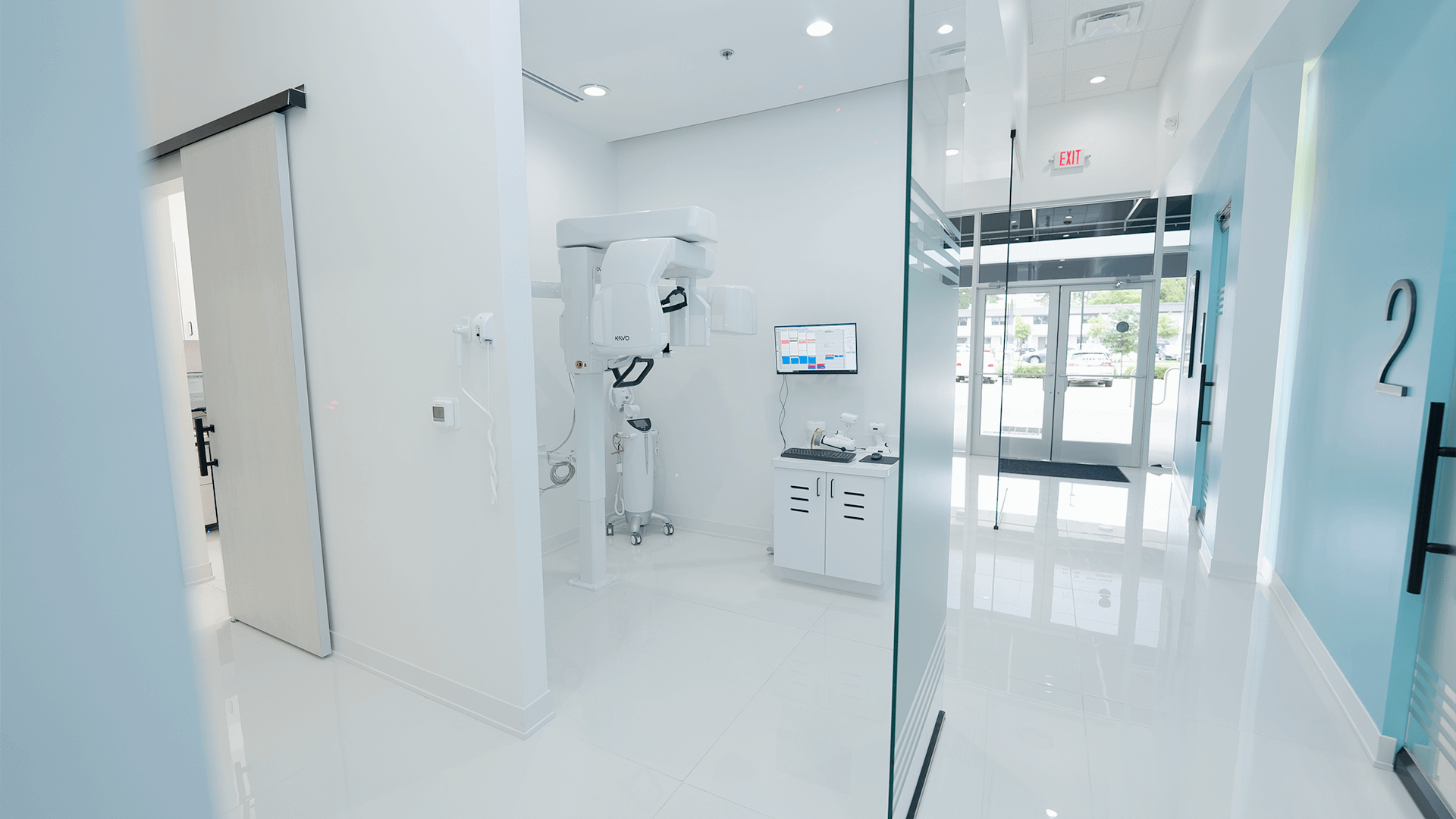
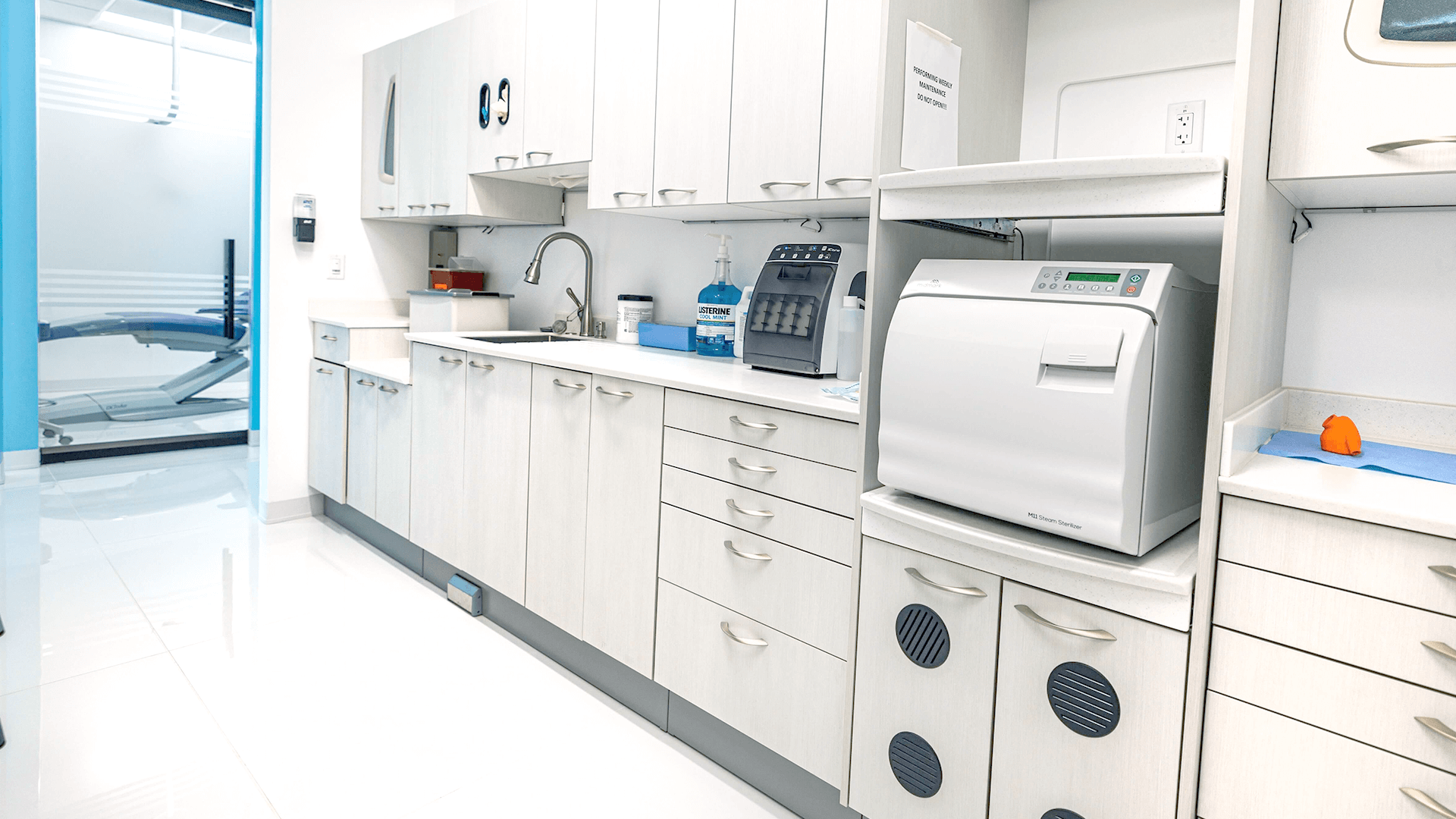
See what a visit to our modern, state-of-the-art dentist office is like!
















Monday 9am - 6pm
Wednesday 9am - 6pm
Friday 9am - 6pm
Saturday 9am - 3pm
Check out what our patients are saying in Houston, TX


“Never Thought I'd Say It”
I never thought I’d say it, but going to the dentist is actually fun now. I recently came in for a root canal, and I got to sit back and catch up on Stranger Things without any pain!

“Anxiety Has Kept Me Away ”
I usually have such huge anxiety when I go to a dentist appointment, which means I always put off visits until the last minute to disastrous consequences. However, Dr. Loggins helped me with sedation, so the entire process was a breeze!

“The Best Dentist In Houston, TX”
We have been looking for a family dentist for a long time, we have tried a bunch of places but nothing felt quite like home. Not too long ago we stumbled upon Nu Dentistry and met Dr. Ali. Not only was he professional, kind, and gentle, but he always finds a way to fit us in when we need an appointment. He’s also pretty funny! I appreciate that he takes the time to explain what he’s doing, before he does it. That really puts me at ease.
“Never Thought I'd Say It”
I never thought I’d say it, but going to the dentist is actually fun now. I recently came in for a root canal, and I got to sit back and catch up on Stranger Things without any pain!
“Anxiety Has Kept Me Away ”
I usually have such huge anxiety when I go to a dentist appointment, which means I always put off visits until the last minute to disastrous consequences. However, Dr. Loggins helped me with sedation, so the entire process was a breeze!
We are proud members of these dental organizations and accreditations





We are dedicated to providing you with only the best quality dental care