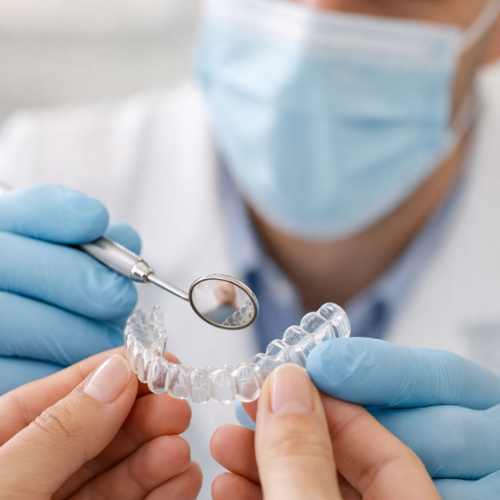
Why Your Invisalign Trays Aren't Fitting — and What to Do About It
Invisalign trays not fitting right in Houston? Learn about gaps, tracking, and refinements from Nu Dentistry Garden Oaks. Get answers today.
Read More
Experiencing anxiety before a dental appointment is more common than you might think. In fact, it's a shared feeling among many. Fortunately, advancements in dental sedation have made it possible to transform your visit into a relaxed and comfortable experience. In this blog, we'll explore the various medications and methods dentists use to alleviate anxiety and ensure a pain-free procedure.
Absolutely. If just thinking about the sound of a dental drill makes your heart race, you're part of a vast group who feel the same. It's a common concern, but one that modern dentistry has taken strides to address effectively.
To alleviate this anxiety, dentists have the capability to prescribe anxiolytic (anti-anxiety) medications. These are not your everyday over-the-counter solutions, but specialized medications designed to bring tranquility to your dental experience. Usually taken about an hour before your appointment, these medications include well-known names like Valium, Halcion, or Ativan. Each has its unique properties but shares a common goal: to reduce anxiety by calming the central nervous system. This results in a serene state of mind, transforming what could be a nerve-wracking appointment into a much more serene experience.
It's crucial to plan ahead when opting for these medications. Since they can affect your motor skills and alter your reaction time, having someone to drive you to and from the dentist's office is a must. Safety, after all, is just as important as comfort.
Oral sedatives are particularly beneficial for those with mild to moderate dental anxiety. They're not about numbing you into oblivion but about creating a relaxed state where you remain aware yet unperturbed. Imagine sitting in the dental chair, aware of the surroundings, but feeling detached from the typical anxiety and stress. That's the level of calm these medications aim to achieve.
Furthermore, these medications can often be tailored to your specific needs. Factors like your medical history, the intensity of your anxiety, and even the length of your dental procedure are considered when your dentist prescribes the right medication for you. This customization ensures that your experience is not just bearable, but genuinely comfortable.
Remember, the goal of these medications is not to take you out of the driver's seat of your dental health but to make the journey smoother and less fraught with anxiety. With their help, maintaining your oral health can become a part of your life that you approach with calmness and confidence, rather than fear and trepidation.
When it comes to managing severe dental anxiety or undertaking complex dental procedures, the approach to sedation takes a more profound turn. This is the realm of IV sedation and general anesthesia, where advanced techniques are used to ensure patient comfort and safety.
IV Sedation: A Deeper Dive into Relaxation
IV sedation stands for intravenous sedation, a process where sedative drugs are administered directly into your bloodstream. This method allows for a quicker and more controllable sedation level compared to oral sedatives. What's remarkable about IV sedation is its ability to provide a deeper level of relaxation while maintaining consciousness. You remain in a state where you're deeply relaxed, responsive to basic commands, but largely detached from the procedure. The sensation is often described as a dream-like state where stress and anxiety are replaced by a feeling of ease and comfort.
Another advantage of IV sedation is its amnesic effect. Many patients report having little to no memory of the procedure, which can be a blessing for those with severe dental anxiety. The dentist can adjust the level of sedation in real-time, ensuring your comfort throughout the procedure. Plus, the recovery from IV sedation is typically quicker than from general anesthesia, allowing for a smoother transition back to your daily routine.
General Anesthesia: Total Unconsciousness for Complex Procedures
For more extensive dental surgeries or situations where IV sedation may not suffice, general anesthesia is the choice. Under general anesthesia, you will be completely unconscious. This level of sedation is ideal for lengthy or more invasive procedures such as wisdom tooth extractions or complex surgical interventions. It is also a crucial option for patients with extreme dental phobia, certain medical conditions, or special needs that make traditional sedation methods less viable.
General anesthesia is a meticulous process that requires the expertise of an anesthesiologist. It can be administered intravenously or through inhalation, and throughout the procedure, your vital signs, such as heart rate, blood pressure, and breathing, are closely monitored. This ensures that you stay safe while under sedation. The level of care and monitoring continues even as you wake up, as it's normal to feel groggy or disoriented for a while after the procedure.
It's important to note that while general anesthesia is highly effective, it's used selectively due to its depth and the level of monitoring required. Your dental team will conduct a thorough evaluation of your health history, current medications, and overall suitability for this type of sedation before proceeding.
In both IV sedation and general anesthesia, the goal is to provide a safe, controlled environment where your dental health can be taken care of without fear or discomfort. These advanced sedation methods are part of modern dentistry's commitment to making dental health accessible and stress-free for everyone, regardless of their level of anxiety or the complexity of their dental needs.
The experience of being put to sleep for dental procedures is often described as a peaceful drift into unconsciousness. With IV sedation, you might feel a warm, relaxing sensation as the medication takes effect, followed by a state of deep calm. You remain in a twilight state where you're vaguely aware of your surroundings but mostly detached from what's happening.
Under general anesthesia, the transition to unconsciousness is quick. You won't feel or remember the procedure as it happens. Waking up, you might feel groggy and disoriented for a short while, but this is temporary. Many patients report feeling like only a few minutes have passed, even if the procedure was lengthy.
Navigating dental treatments doesn't have to be a source of anxiety. With modern sedation options, your next visit can be as comfortable and stress-free as possible. At our dental office, we prioritize your comfort and tailor sedation options to meet your individual needs.
Are you ready to experience a new way of dental care? Don't let anxiety hold you back from maintaining your oral health. Schedule your appointment with us today and take the first step towards a comfortable and anxiety-free dental experience.
Fresh news from the dental world


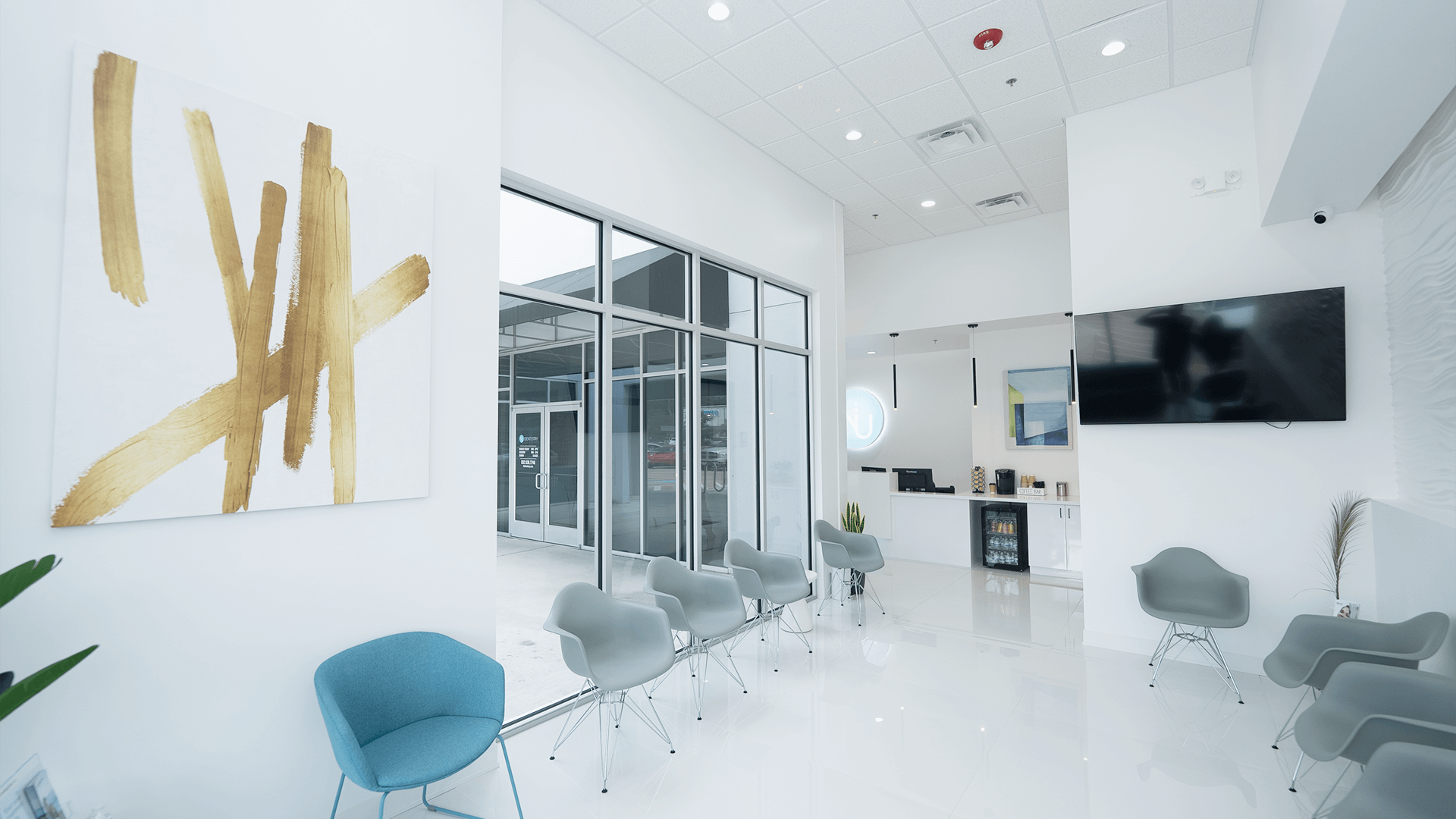
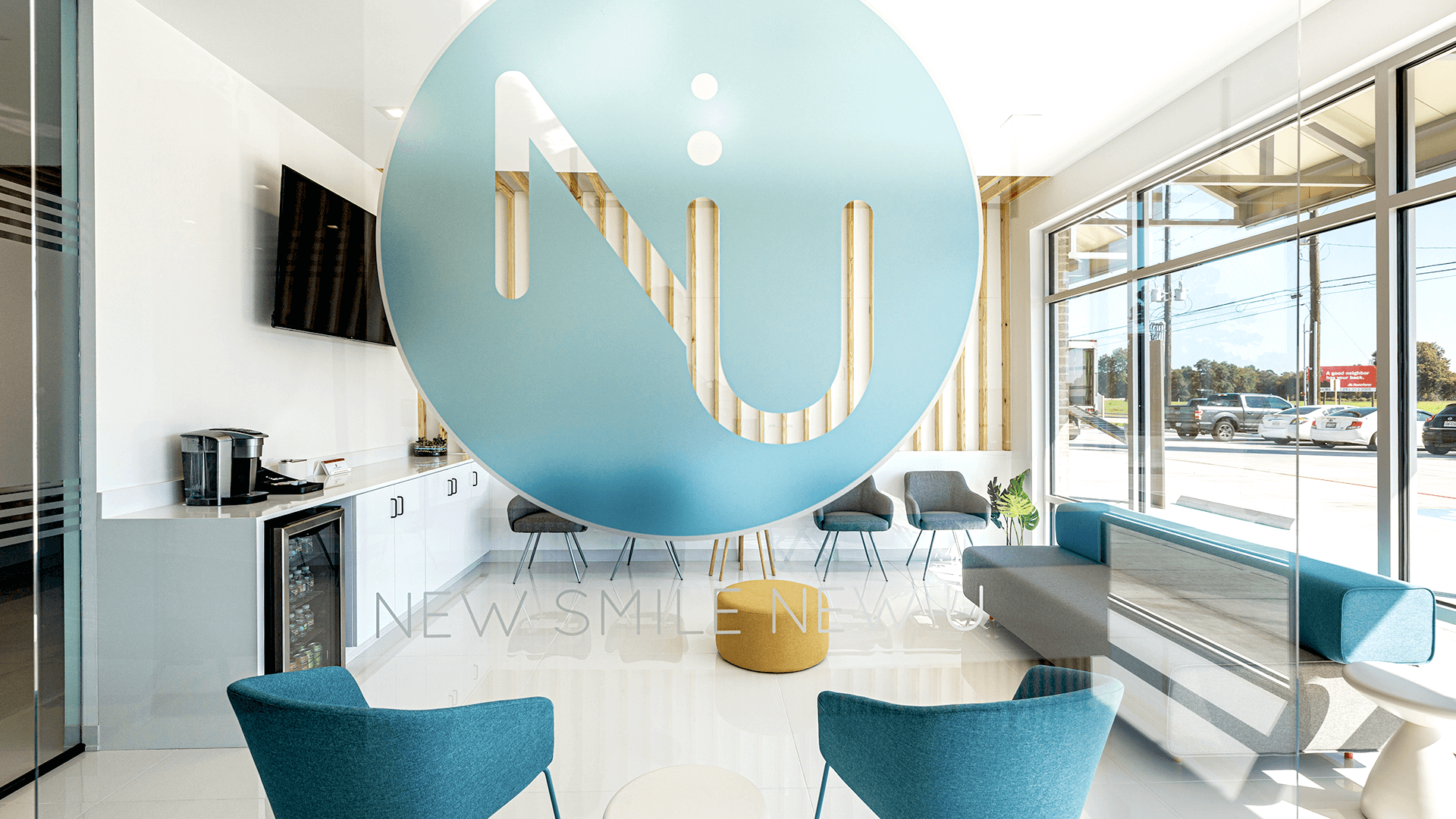
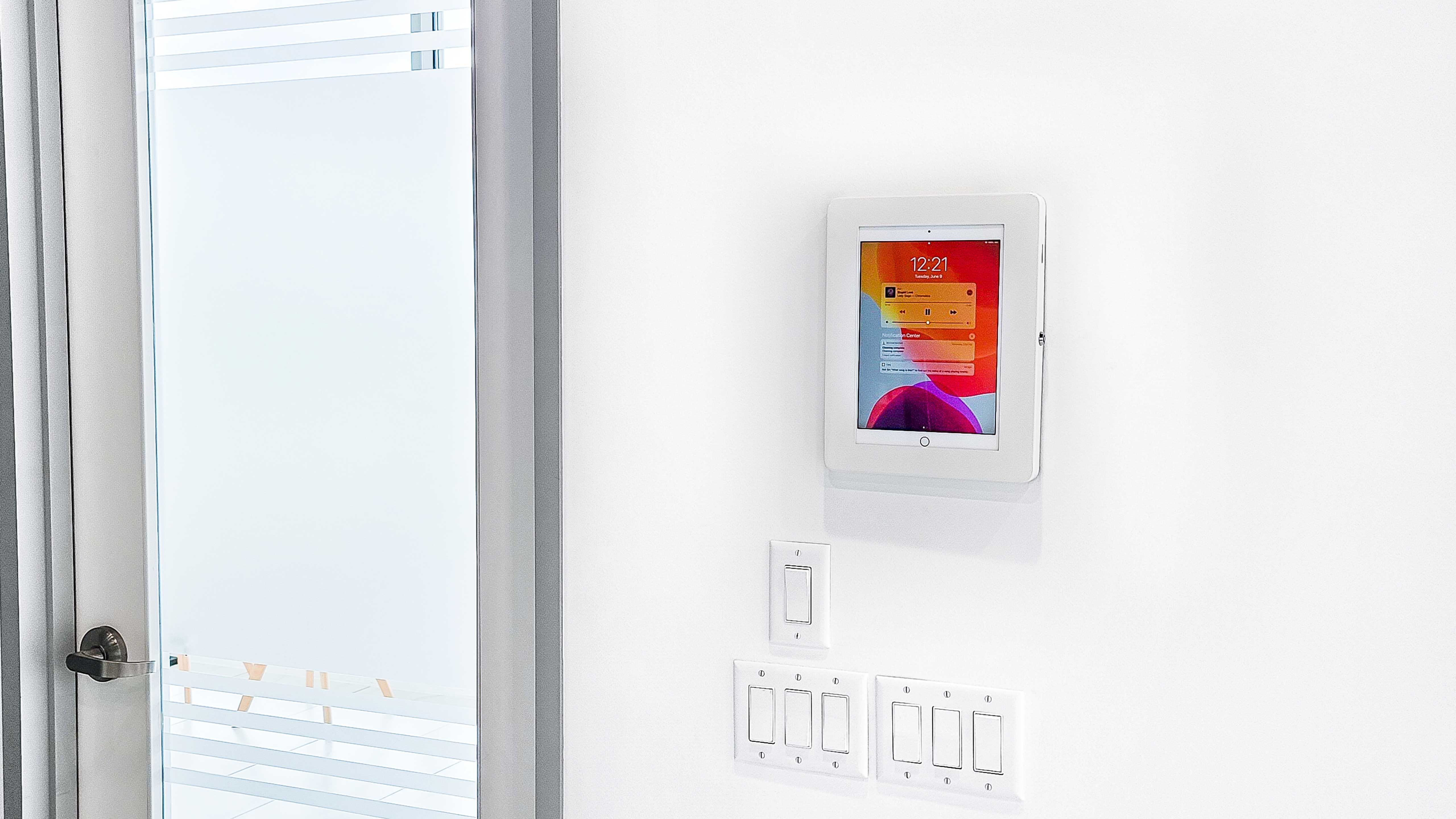
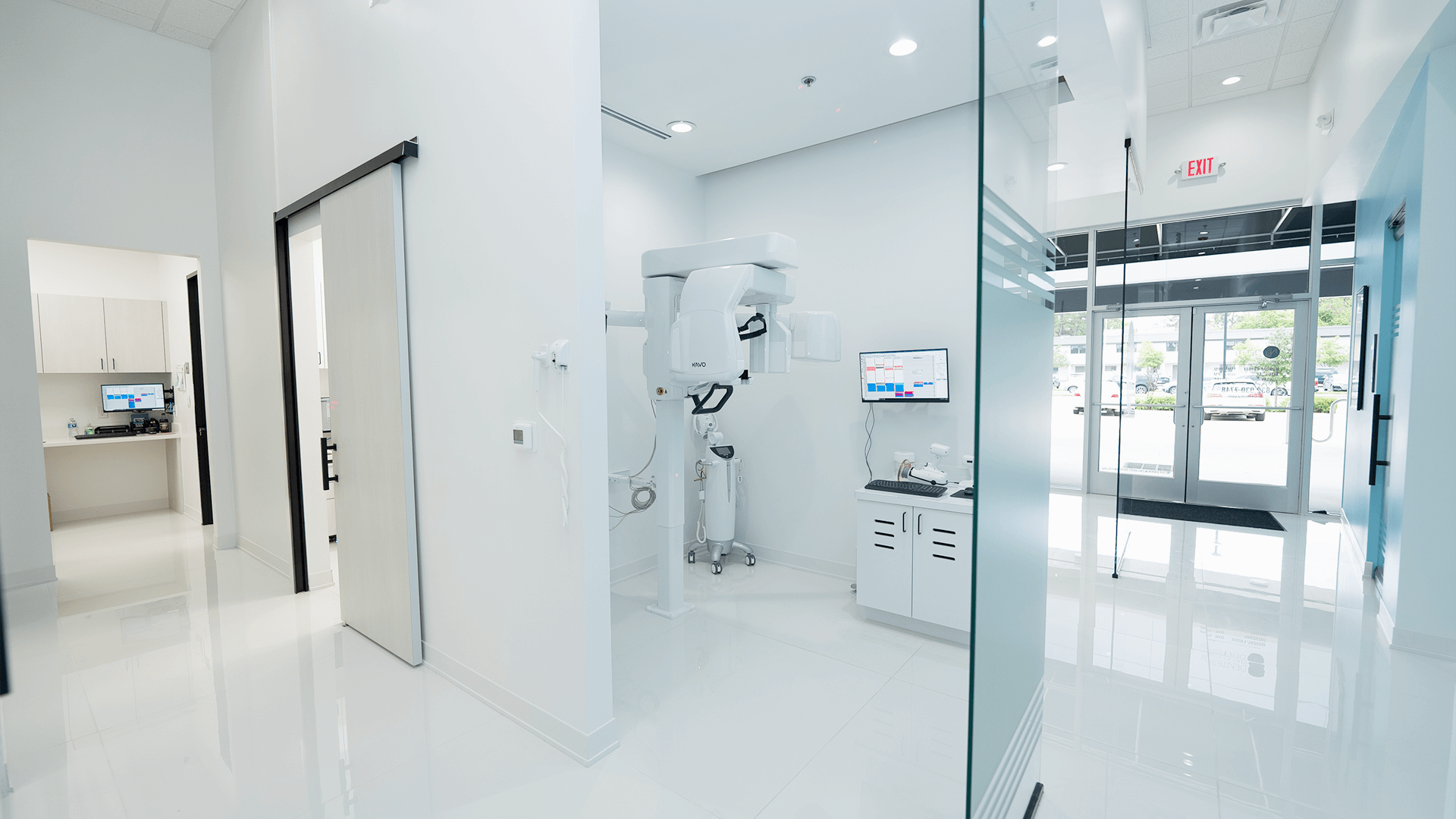
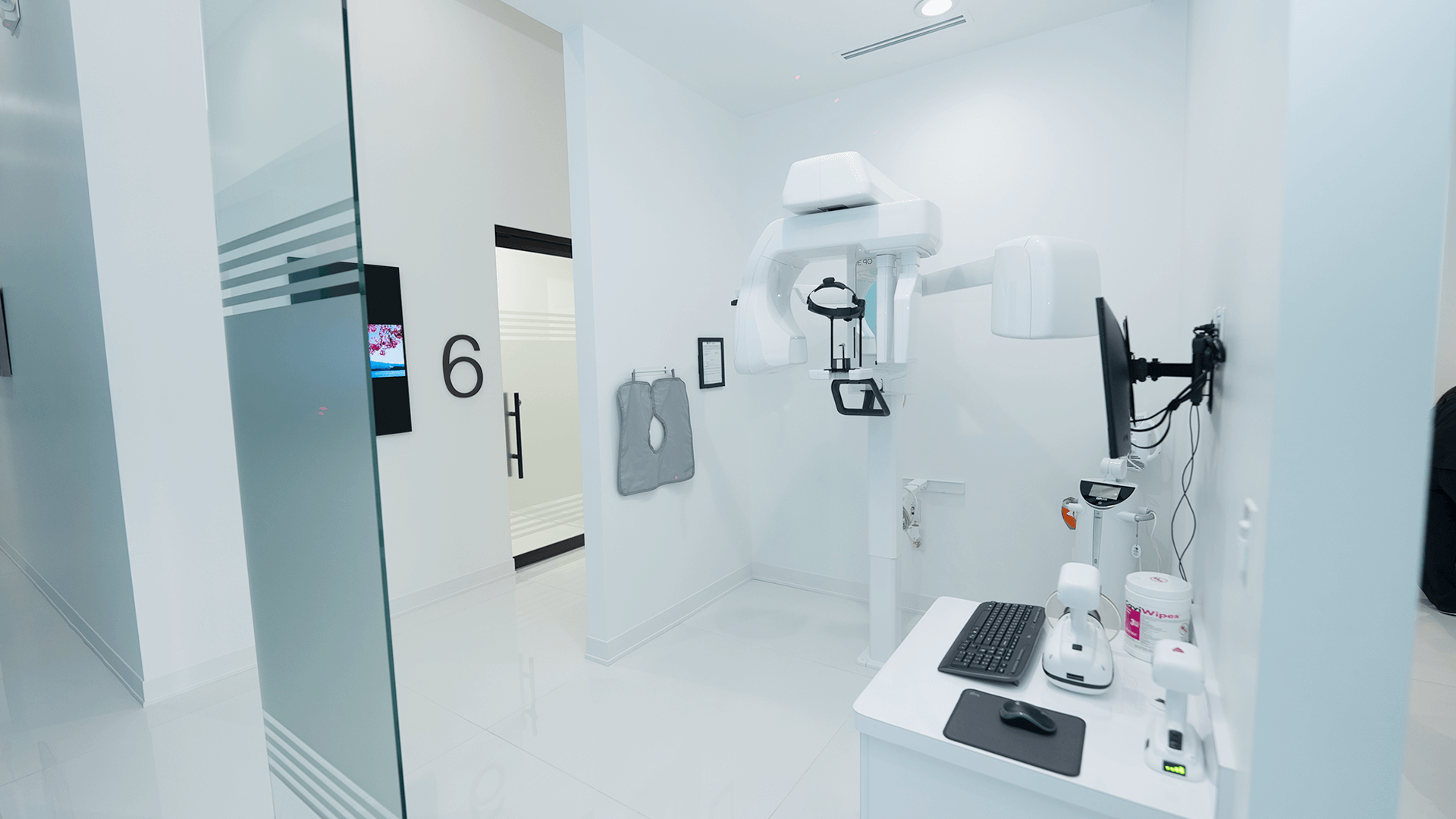
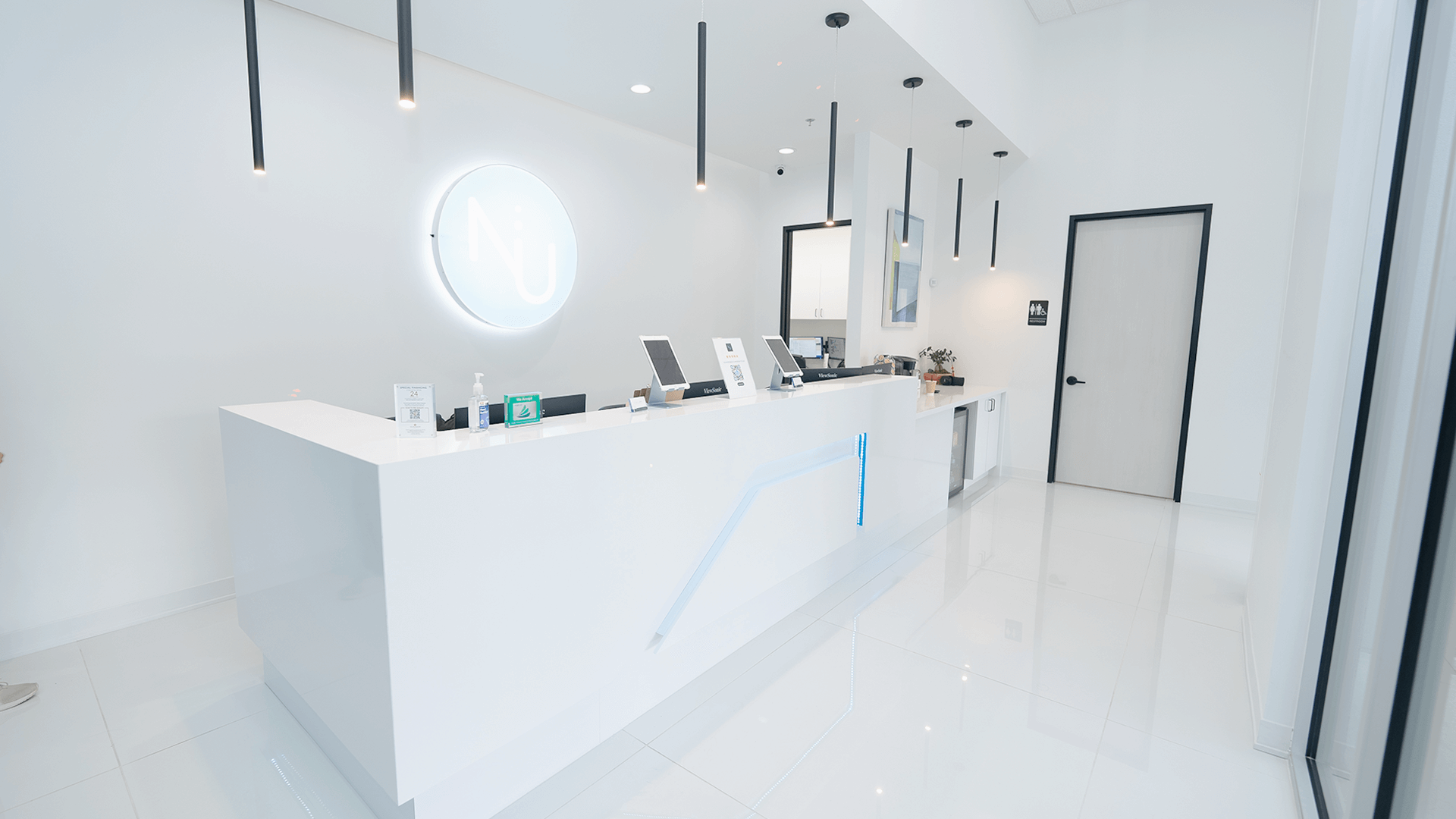
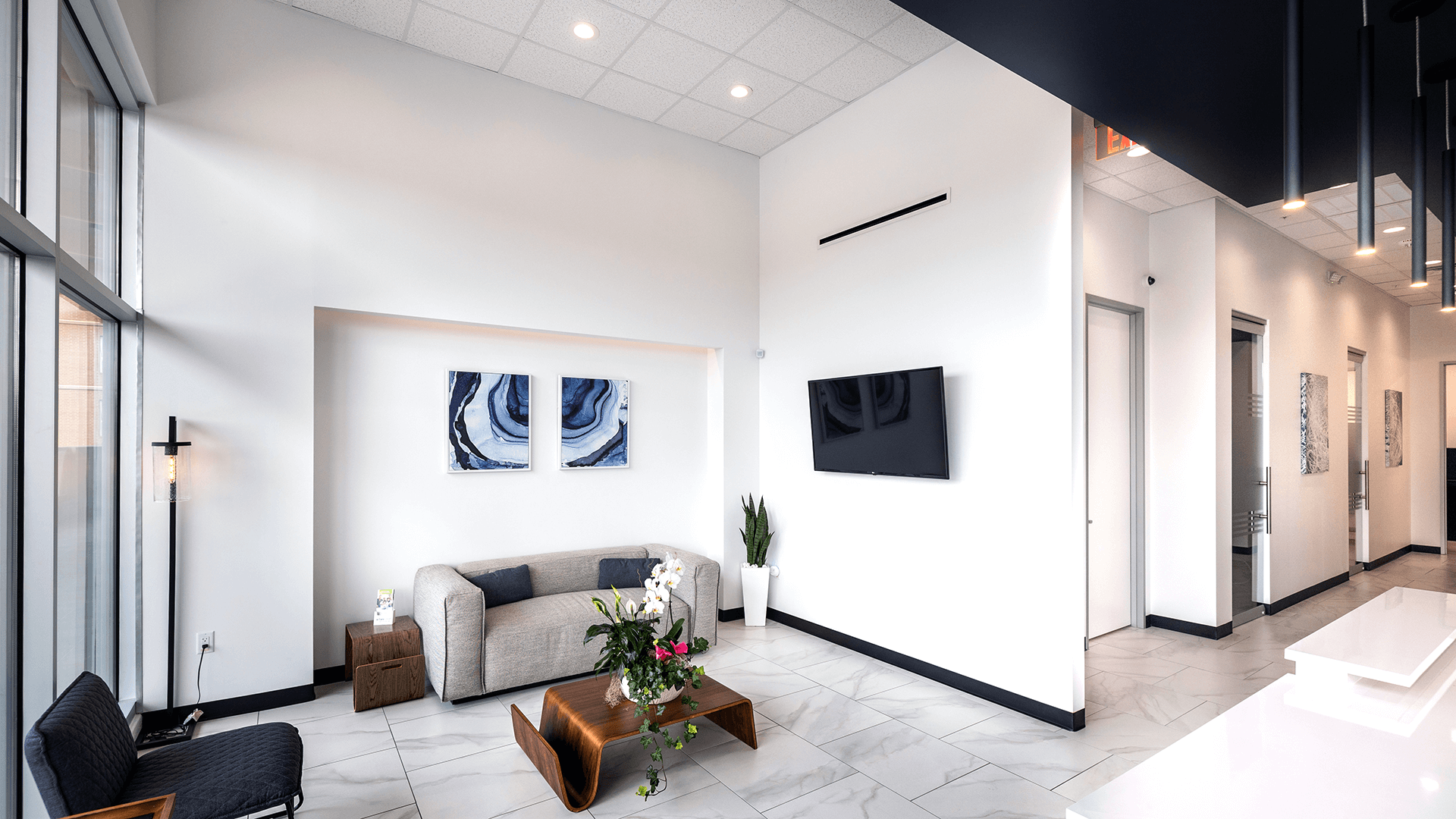
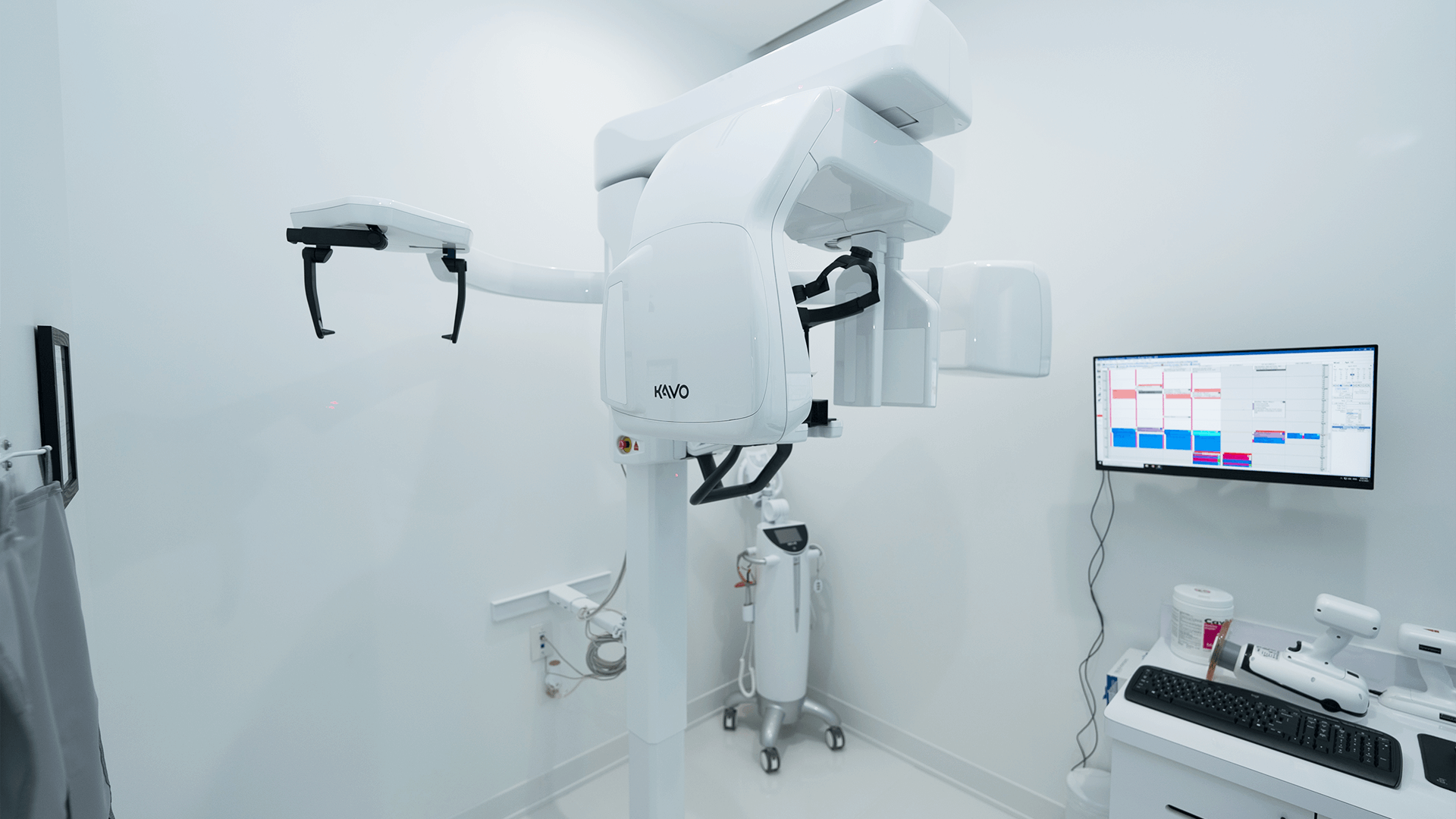
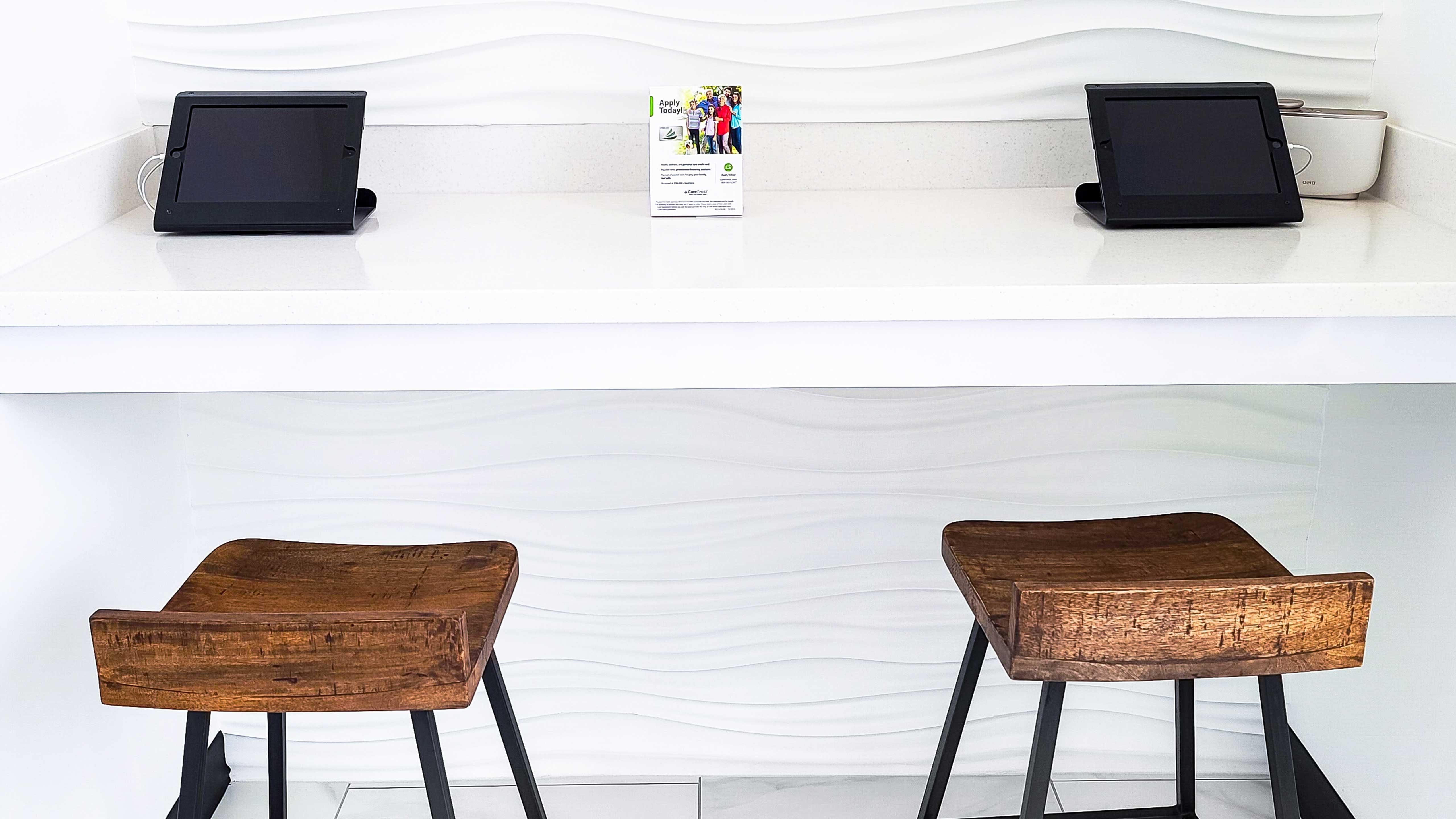
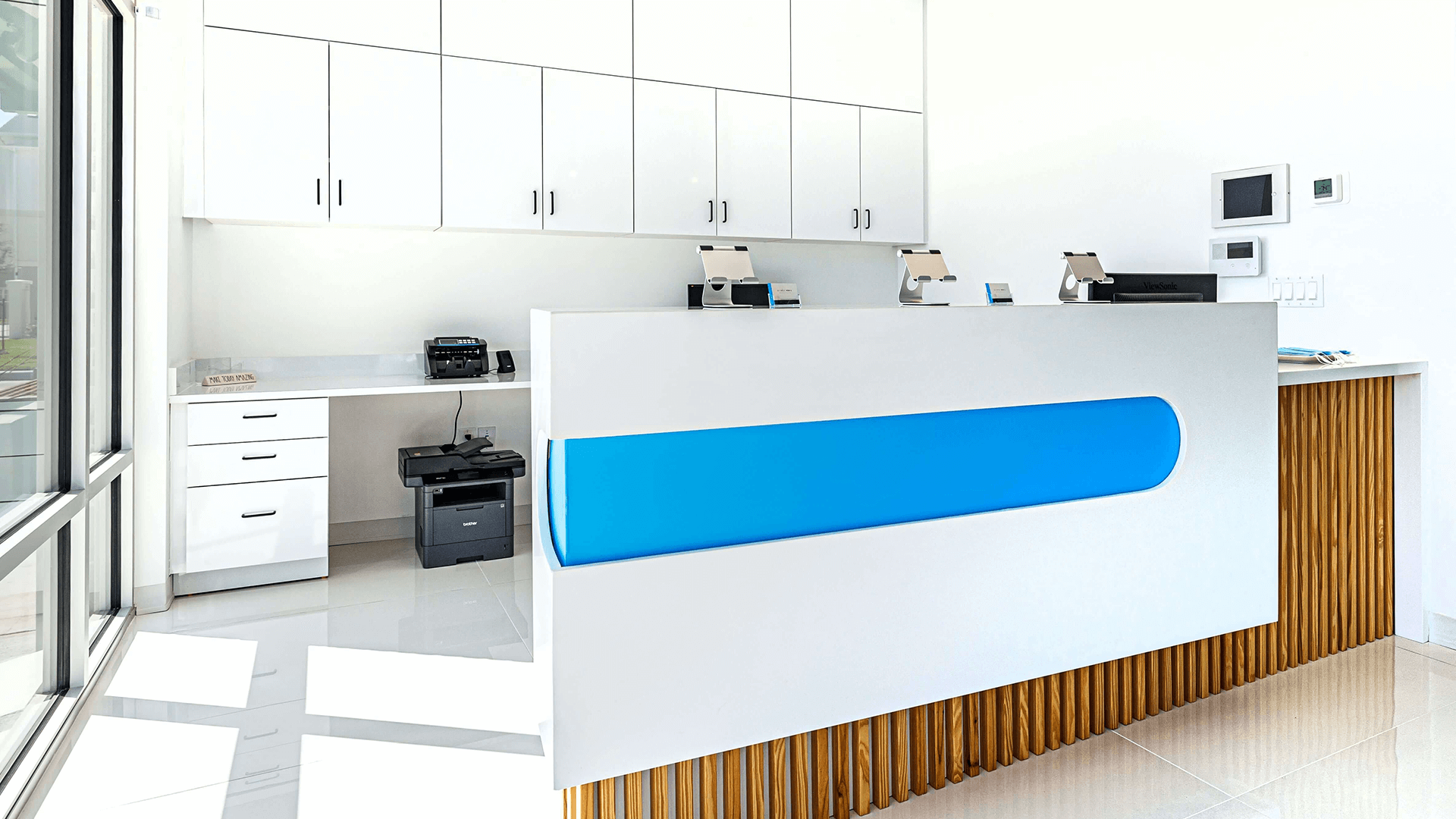
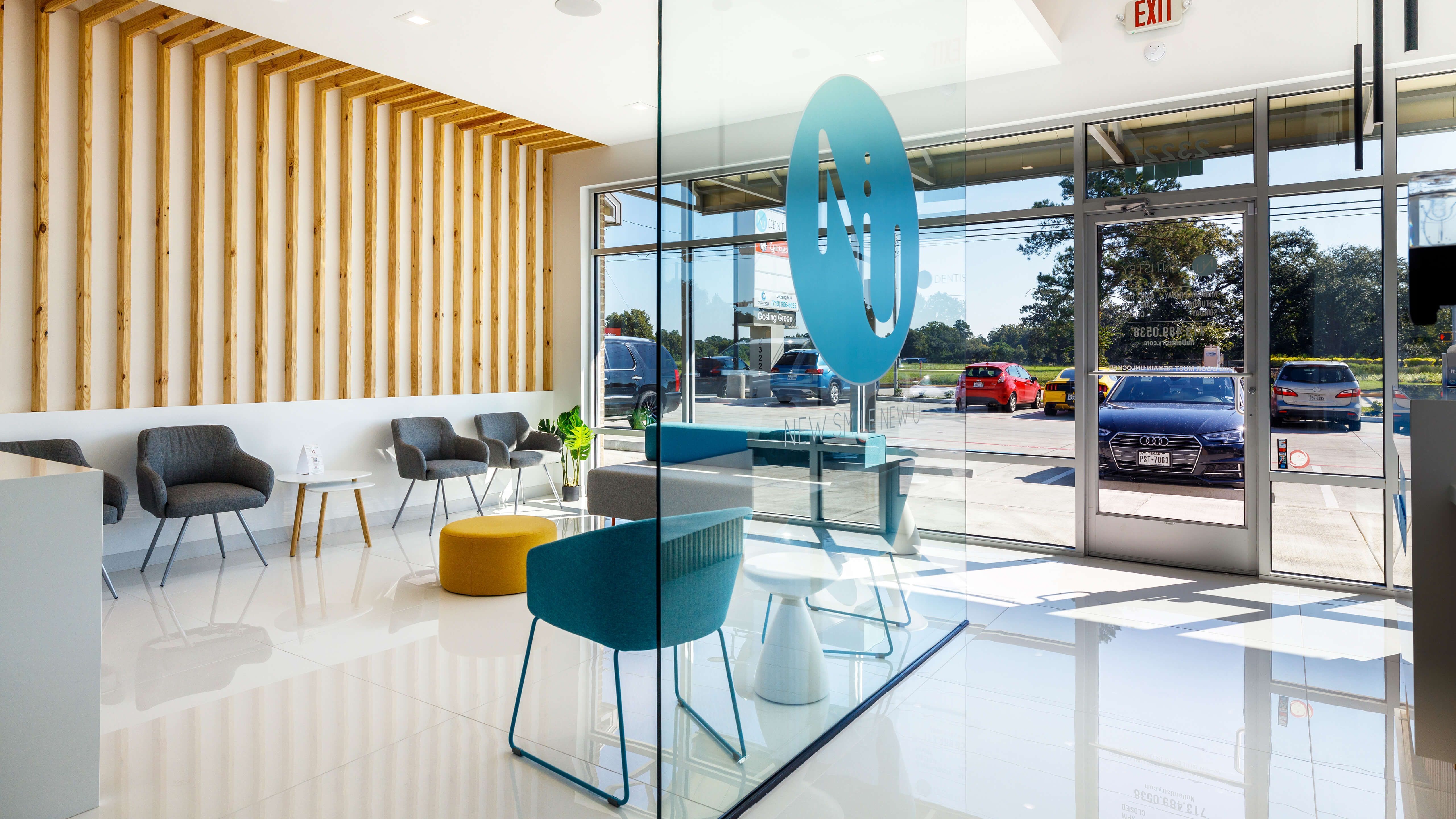
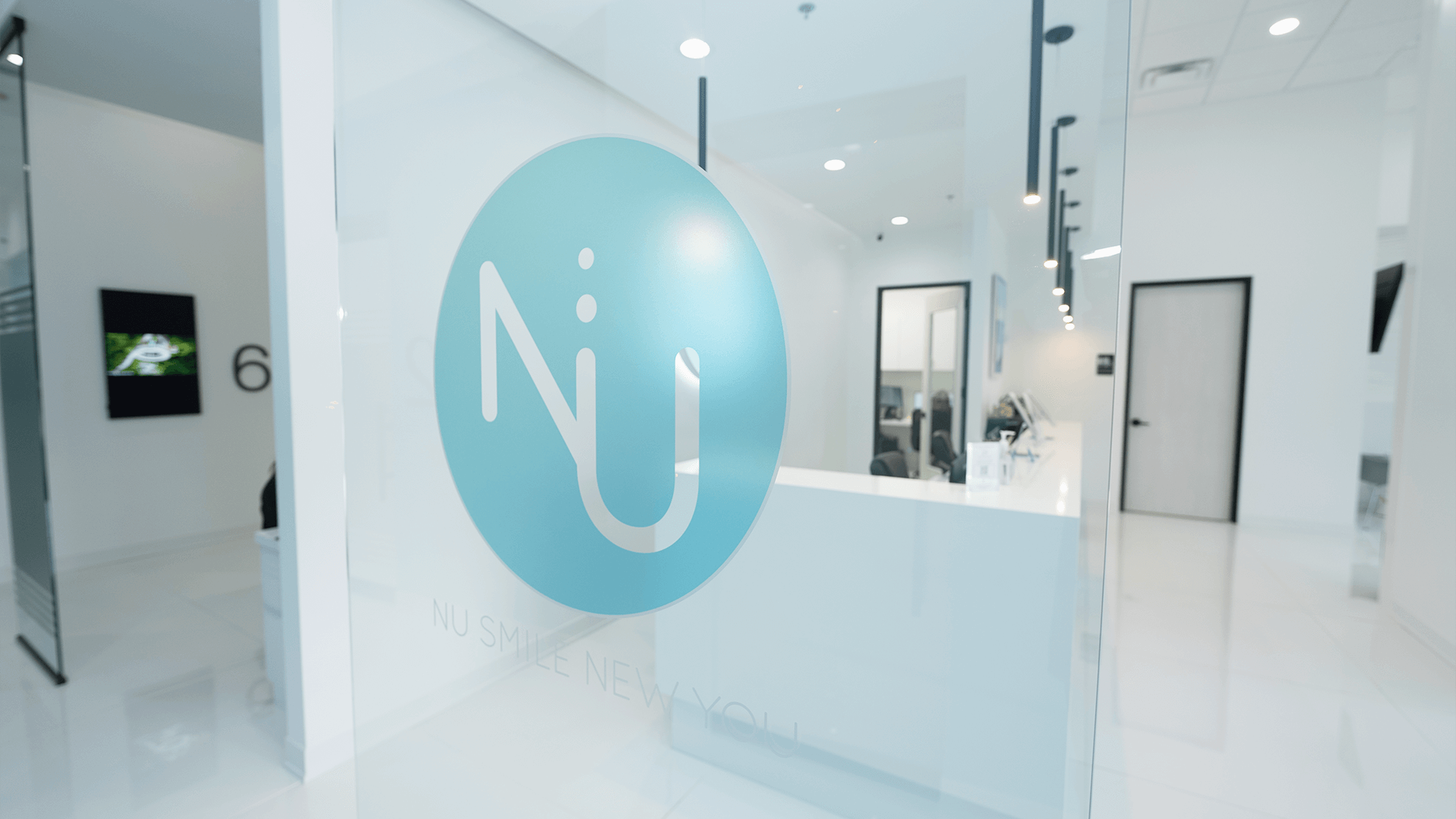
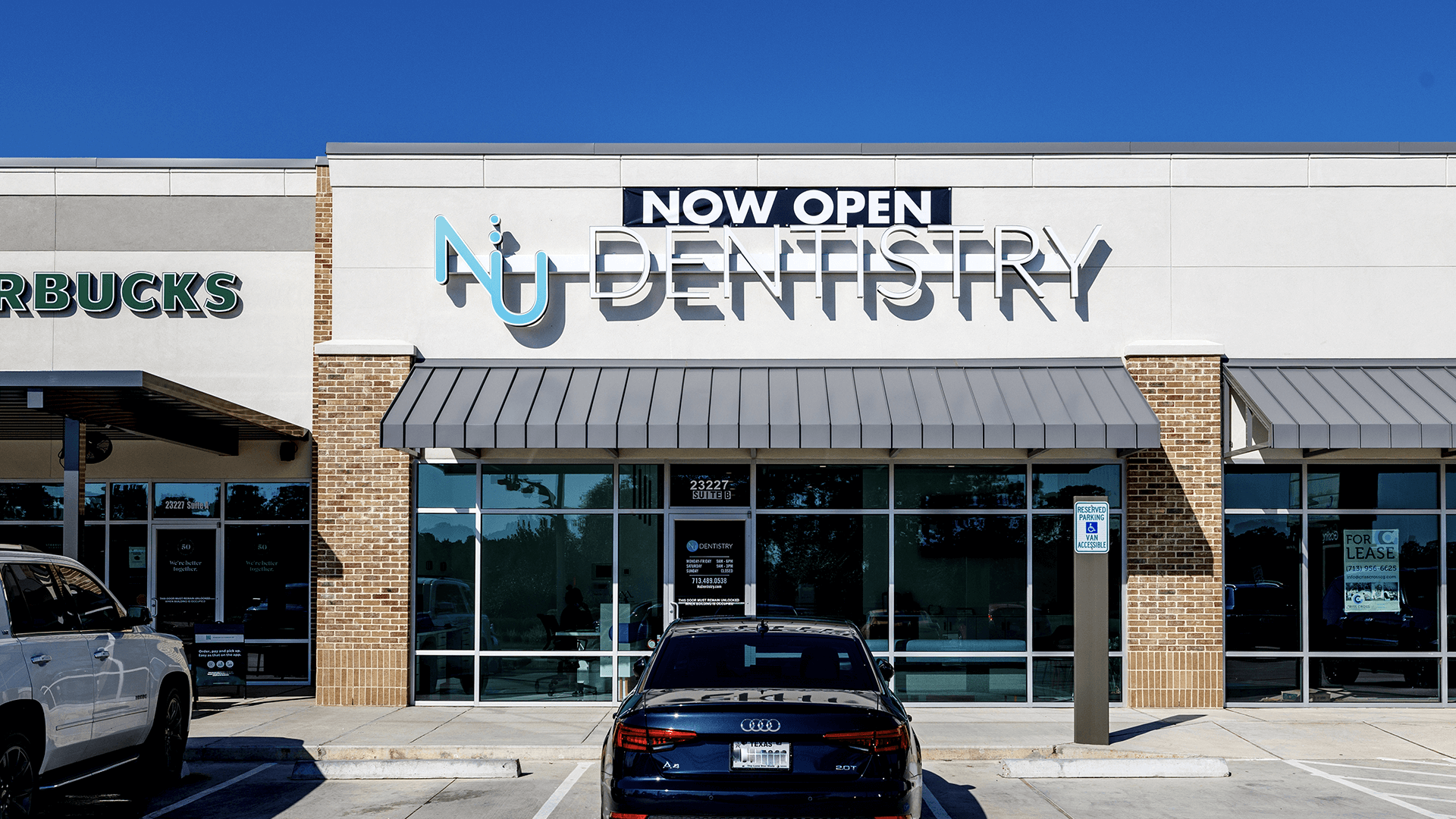
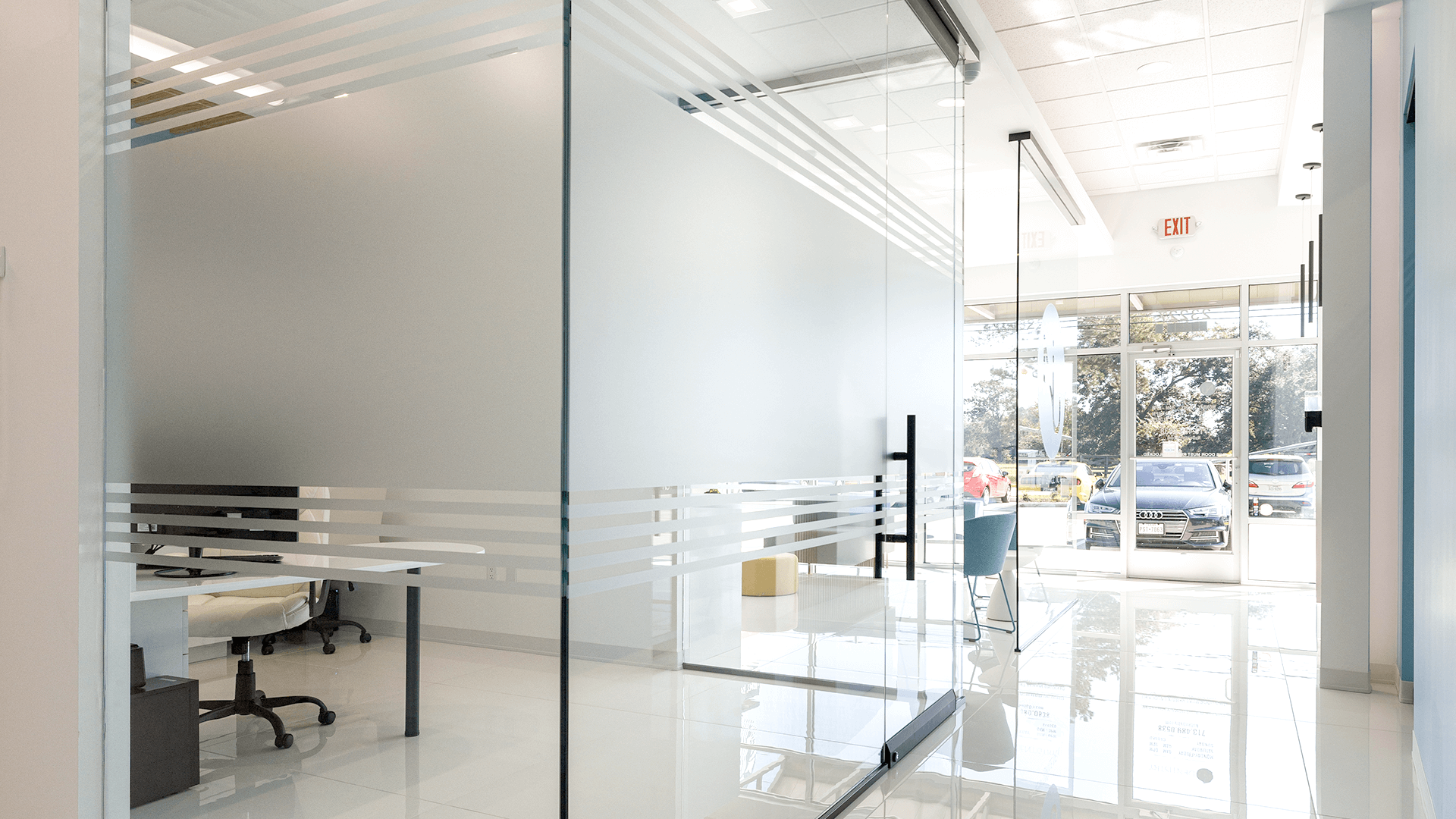
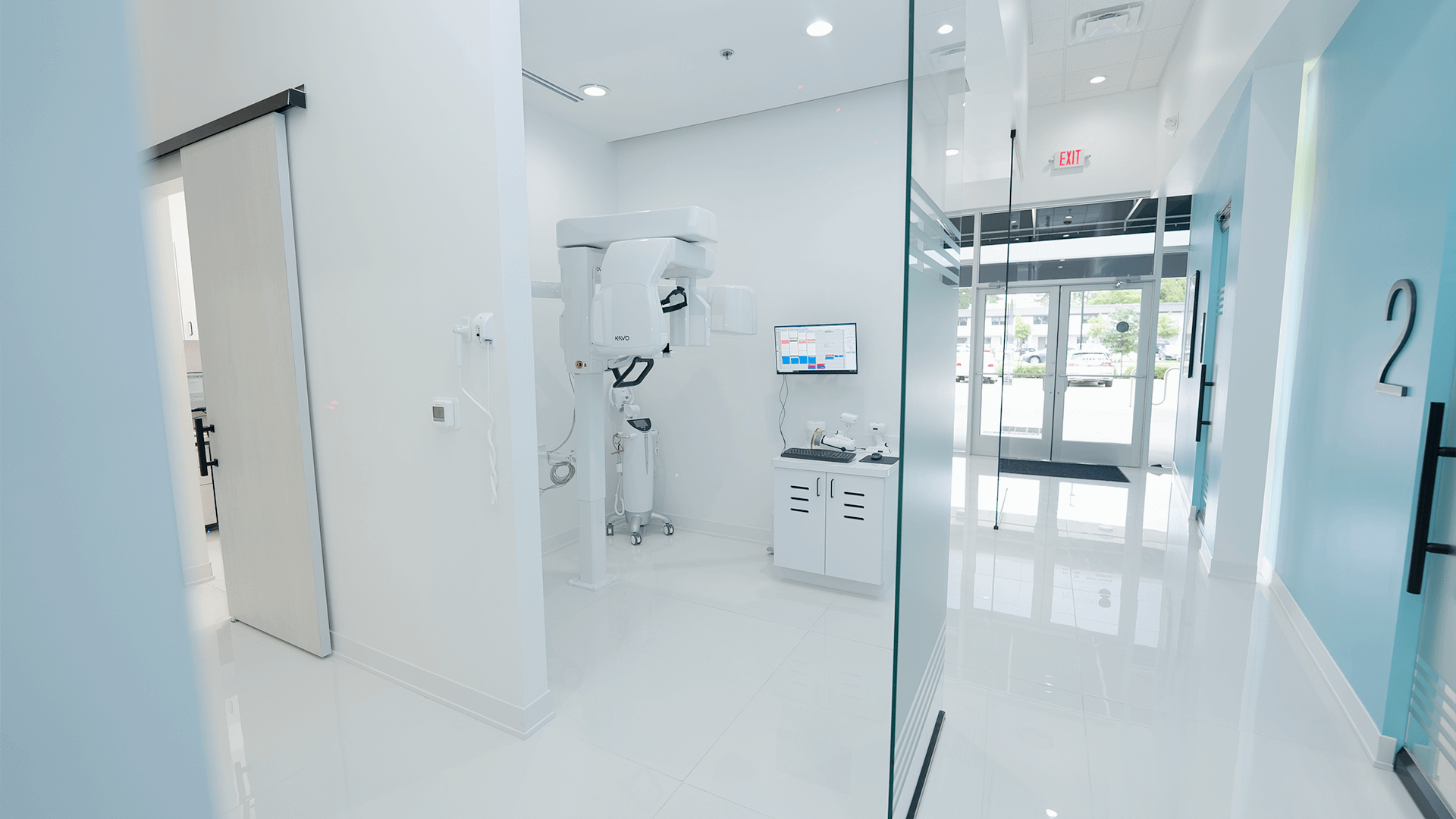
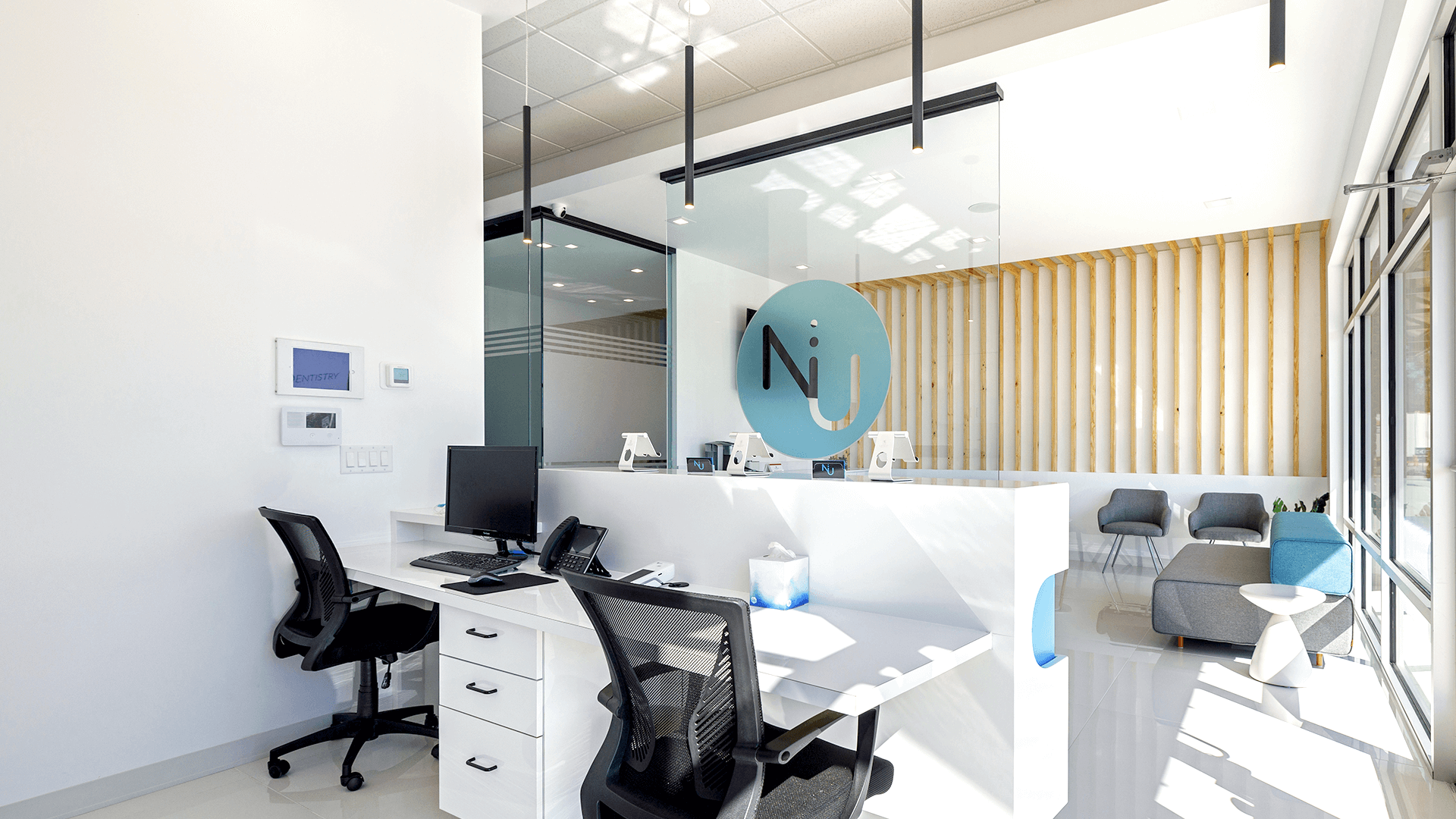
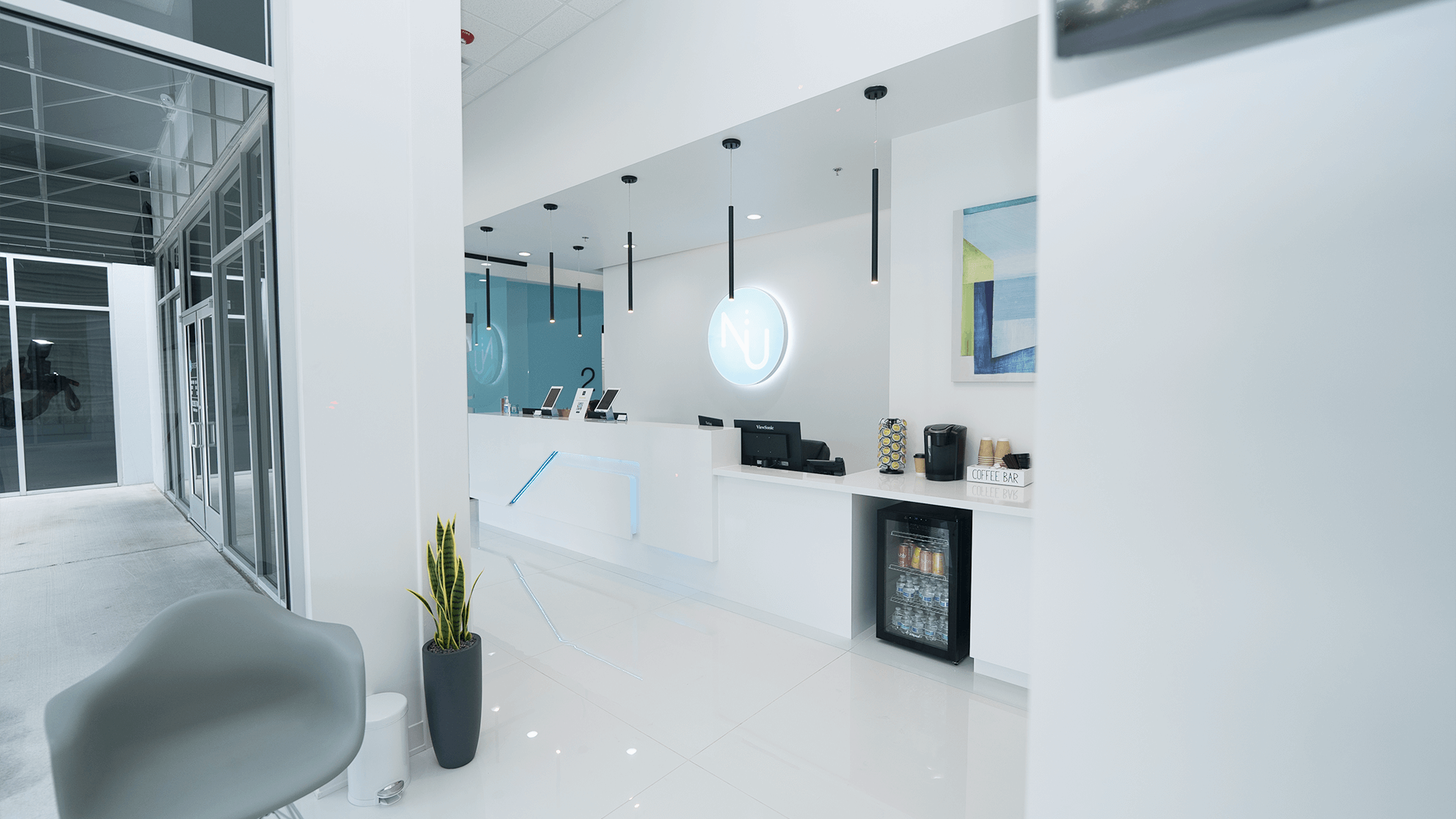
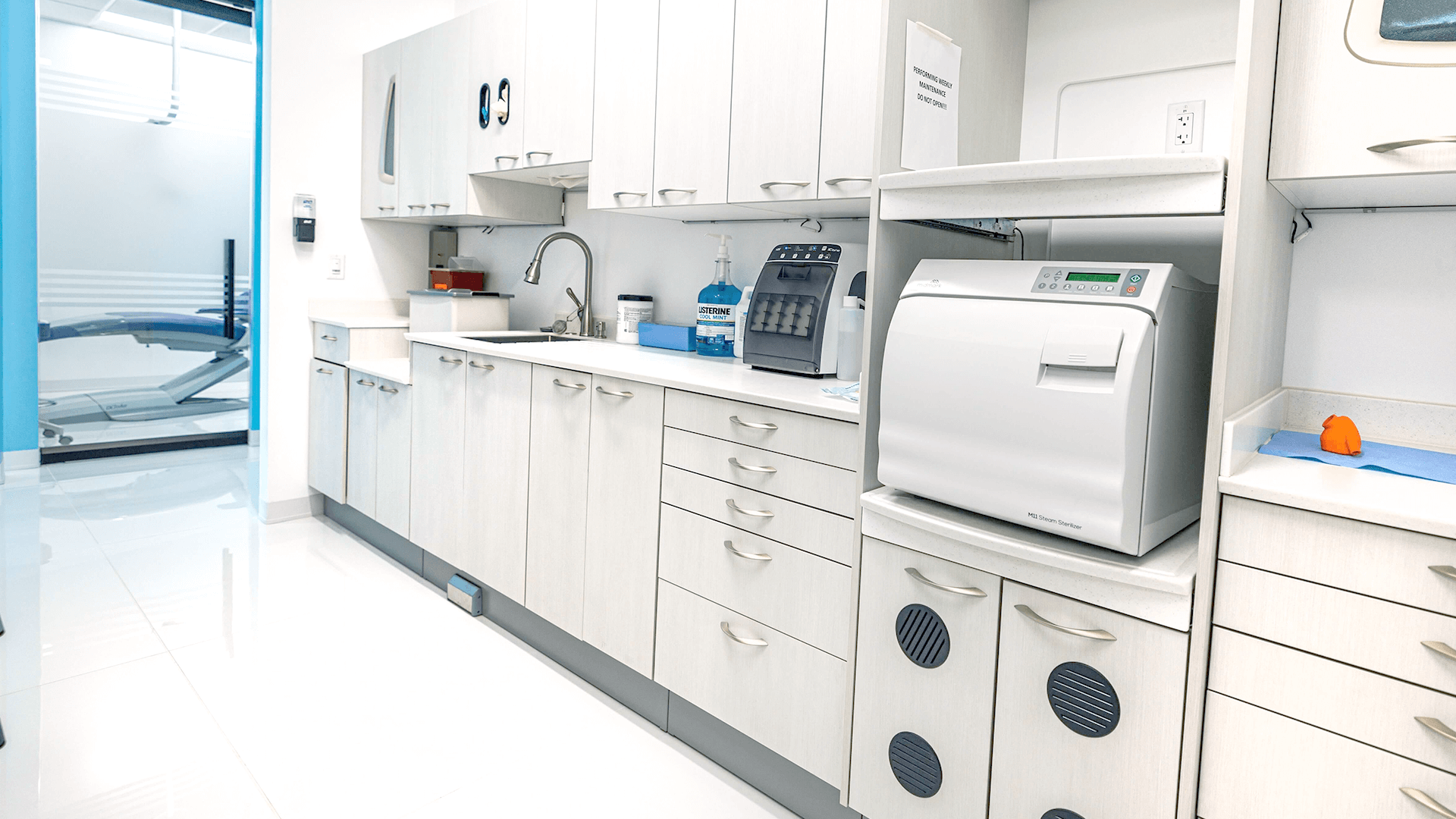
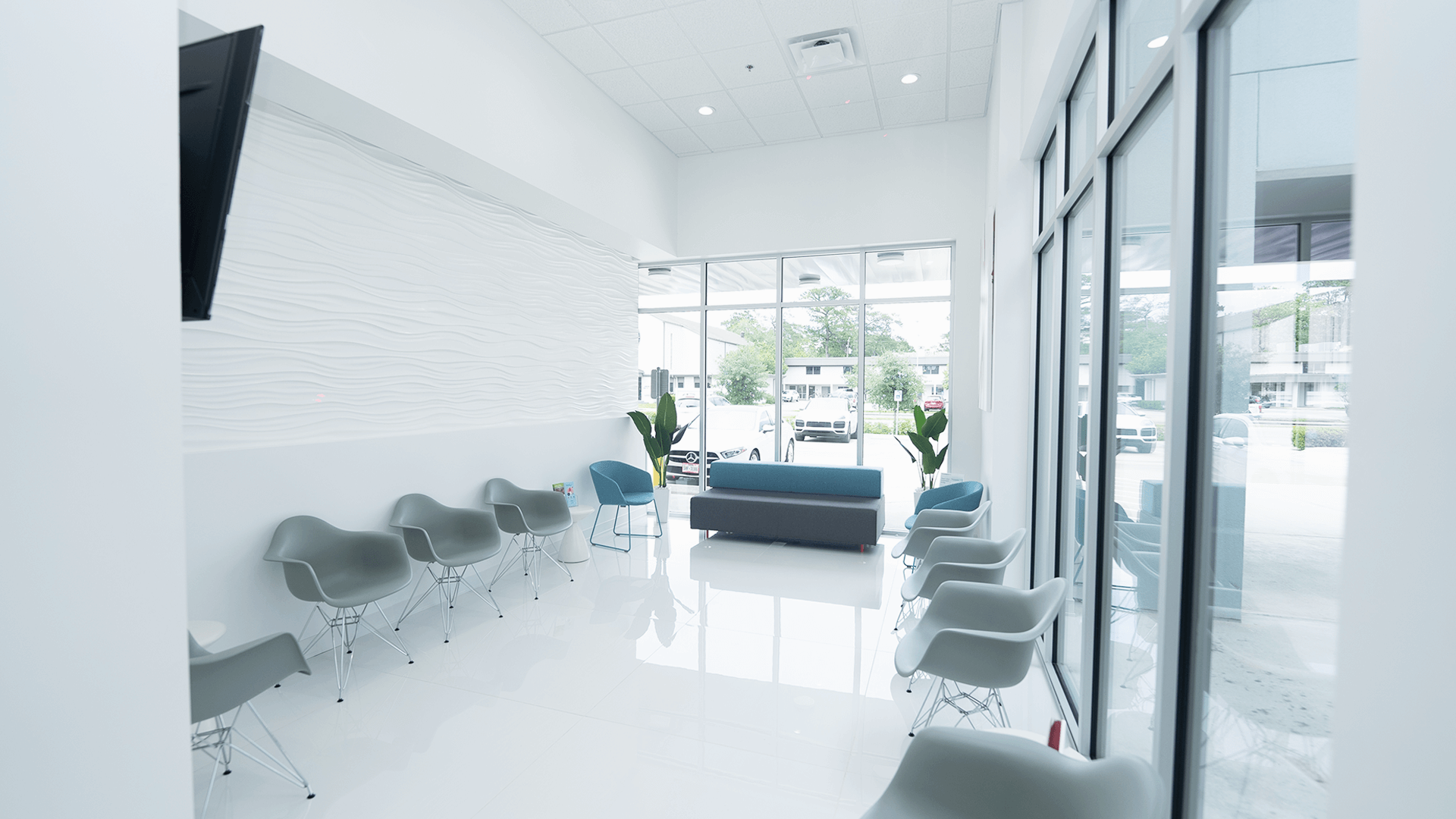
See what a visit to our modern, state-of-the-art dentist office is like!


Monday 9am - 6pm
Wednesday 9am - 6pm
Friday 9am - 6pm
Saturday 9am - 3pm
Check out what our patients are saying in Houston, TX


“Never Thought I'd Say It”
I never thought I’d say it, but going to the dentist is actually fun now. I recently came in for a root canal, and I got to sit back and catch up on Stranger Things without any pain!

“Anxiety Has Kept Me Away ”
I usually have such huge anxiety when I go to a dentist appointment, which means I always put off visits until the last minute to disastrous consequences. However, Dr. Loggins helped me with sedation, so the entire process was a breeze!

“The Best Dentist In Houston, TX”
We have been looking for a family dentist for a long time, we have tried a bunch of places but nothing felt quite like home. Not too long ago we stumbled upon Nu Dentistry and met Dr. Ali. Not only was he professional, kind, and gentle, but he always finds a way to fit us in when we need an appointment. He’s also pretty funny! I appreciate that he takes the time to explain what he’s doing, before he does it. That really puts me at ease.
“Never Thought I'd Say It”
I never thought I’d say it, but going to the dentist is actually fun now. I recently came in for a root canal, and I got to sit back and catch up on Stranger Things without any pain!
“Anxiety Has Kept Me Away ”
I usually have such huge anxiety when I go to a dentist appointment, which means I always put off visits until the last minute to disastrous consequences. However, Dr. Loggins helped me with sedation, so the entire process was a breeze!
We are proud members of these dental organizations and accreditations






We are dedicated to providing you with only the best quality dental care