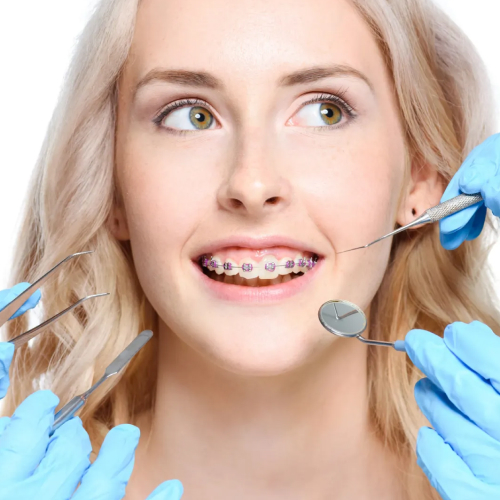
Ceramic vs. Metal Braces: Which One Actually Hurts More?
Wondering if ceramic or metal braces hurt more? Compare discomfort levels, pros, and cons to find the best fit. Schedule your orthodontic visit today!
Read More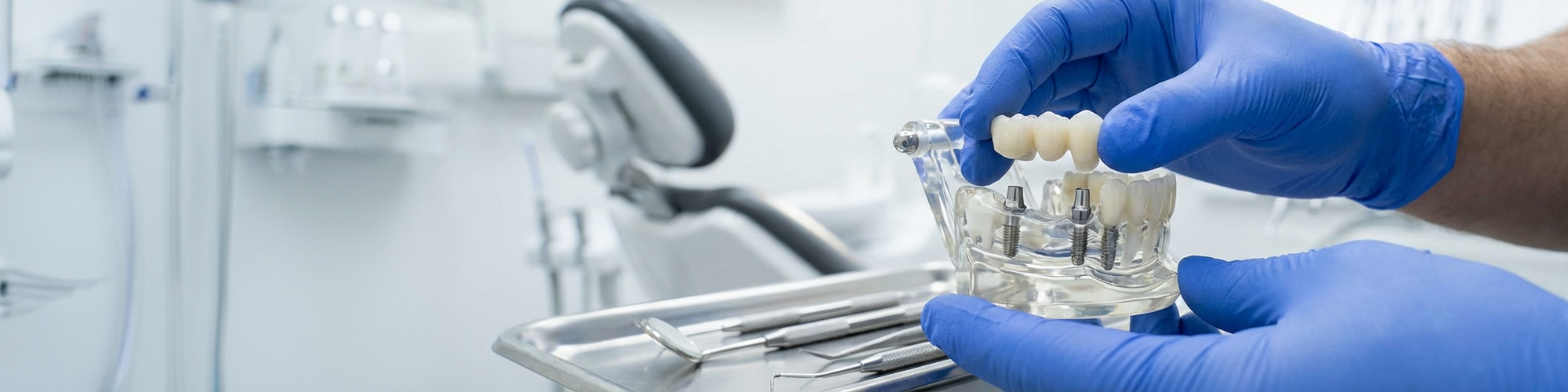
Medically Reviewed by Dr. Ali Tameemi
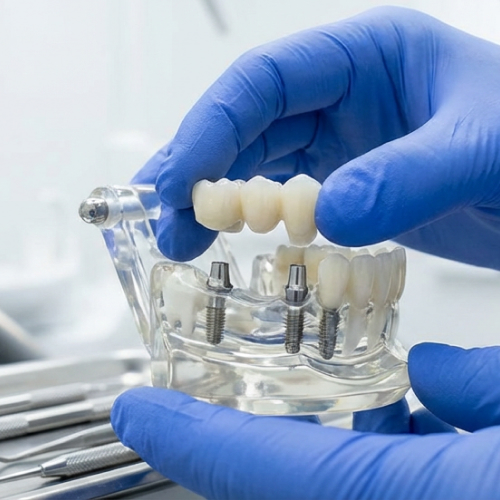
Implants are often the gold standard for replacing a single tooth, but there are specific medical, anatomical, and restorative situations where a bridge is the smarter — sometimes the only — choice. Understanding why changes how you evaluate your options.
Most articles frame this as "bridges damage healthy teeth." That framing is incomplete.
When reviewing a patient's mouth, the first thing to assess is the condition of the teeth flanking the gap. For Houston-area patients, this first assessment is often the most critical. If those teeth are virgin — untouched by decay or restorations — the clinical case for an implant is strong. Drilling into perfectly healthy enamel to anchor a bridge is a trade-off that shouldn't be made lightly.
But here's what changes the math: many patients in their 40s and 50s have large, aging silver fillings or significant decay on those same adjacent teeth. Those teeth were already heading toward tooth crowns. In that scenario, a bridge isn't a compromise — it's a strategic three-problem solution. The missing tooth is restored and crowns are placed on two teeth that genuinely needed them. Cleveland Clinic explains that both options can deliver comparable day-to-day chewing function, so when adjacent teeth already need crowns, the bridge becomes the more efficient path.
Think of it as a "neighboring tooth audit." Before assuming an implant is automatically superior, clinicians evaluate whether those flanking teeth are truly healthy. If they're not, the bridge often becomes the more clinically logical choice — not the lesser one.
That said, if adjacent teeth are sound, Mayo Clinic notes that implants fuse directly to bone without involving surrounding teeth, preserving their integrity entirely. That's a real advantage worth protecting when the teeth are in good shape.
This is the conversation most general searches miss entirely. "Health issues" gets mentioned vaguely, but patients deserve specifics.
Two medical situations consistently push clinicians toward recommending a bridge over an implant:
Bisphosphonate medications. Patients taking these drugs — commonly prescribed for osteoporosis — face a serious risk called osteonecrosis of the jaw. This is a condition where bone tissue dies, and surgical trauma from implant placement can trigger it. The risk doesn't disappear when someone stops taking the medication either; it can persist for years. In these cases, a bridge isn't a preference — it's the medically responsible option.
Uncontrolled diabetes (high A1C). Osseointegration — the biological process where bone grows around and fuses to the titanium implant post — requires healthy, responsive bone tissue. When blood sugar is poorly controlled, that healing process is compromised. Healthline reports implants carry a roughly 97% ten-year success rate under ideal conditions, but those conditions require the body to heal predictably. Elevated A1C disrupts that. Until diabetes is well-managed, a bridge protects the patient from a costly failure.
Other systemic factors — active chemotherapy, certain autoimmune conditions, heavy smoking — affect osseointegration similarly. A full medical history should be taken before any tooth replacement conversation, because the mouth doesn't operate in isolation from the rest of the body.
Bone grafts are real, and they help many patients qualify for implants. But there are anatomical situations where the issue isn't just bone volume — it's bone location relative to critical structures.
Sinus pneumatization is one encountered regularly with upper back teeth. After a molar is lost, the maxillary sinus can expand downward — pneumatize — into the space the tooth root once occupied. When that happens, there may be less than a millimeter of bone separating where the implant needs to go from the sinus cavity. A sinus lift procedure can help, but it adds months to treatment and isn't always feasible.
Mandibular nerve proximity is equally important in the lower jaw. Cone-beam CT scans are used to map exactly where the inferior alveolar nerve runs. When the safety margin between the planned implant and the nerve is under 1-2mm, the risk of permanent numbness or tingling in the lip, chin, or tongue becomes real. No tooth replacement is worth that outcome. Harvard Health notes that careful anatomical preparation — including CT imaging — is essential before any implant placement.
In these anatomical situations, a bridge bypasses the surgical risk entirely. It's not a fallback — it's the appropriate clinical response to anatomy that doesn't cooperate.
For most healthy patients with healthy adjacent teeth and adequate bone, dental implants offer genuine long-term advantages. The American Academy of Periodontology highlights that implants preserve jawbone by replacing the tooth root itself — something a bridge cannot do. Bone preservation matters for facial structure over decades. Bridges also typically need replacement every 5-15 years, while a well-maintained implant can last a lifetime.
But "better" is always relative to the individual patient. Bridges complete treatment faster — often in two visits over a few weeks — without surgery or the 3-9 month osseointegration period. WebMD's overview of dental bridges confirms bridges can restore chewing function, prevent tooth drift, and maintain facial shape effectively. For patients who need a faster solution, can't undergo surgery, or have the neighboring-tooth situation described earlier, a bridge delivers excellent outcomes.
A clinical recommendation is never based on a single factor. It's based on bone density, systemic health, adjacent tooth condition, timeline, and long-term oral health goals. That's the clinical picture that drives the decision — not a universal ranking. Maintaining regular cleaning and exam appointments also plays an important role in monitoring the health of any restoration over time.
If you're weighing a bridge against an implant and want a clear, personalized answer, Nu Dentistry Garden Oaks offers cone-beam CT imaging and a comprehensive health review to make sure the recommendation fits you — not just a general guideline. Whether your situation calls for cavity fillings on neighboring teeth or a full tooth replacement evaluation, serving patients throughout Houston and the Garden Oaks area, our private suites are designed to make even complex consultations feel comfortable. Reach out to schedule your evaluation.
This article is for informational purposes only and does not constitute medical or dental advice. Always consult a licensed dental professional for diagnosis and personalized treatment recommendations.
Fresh news from the dental world

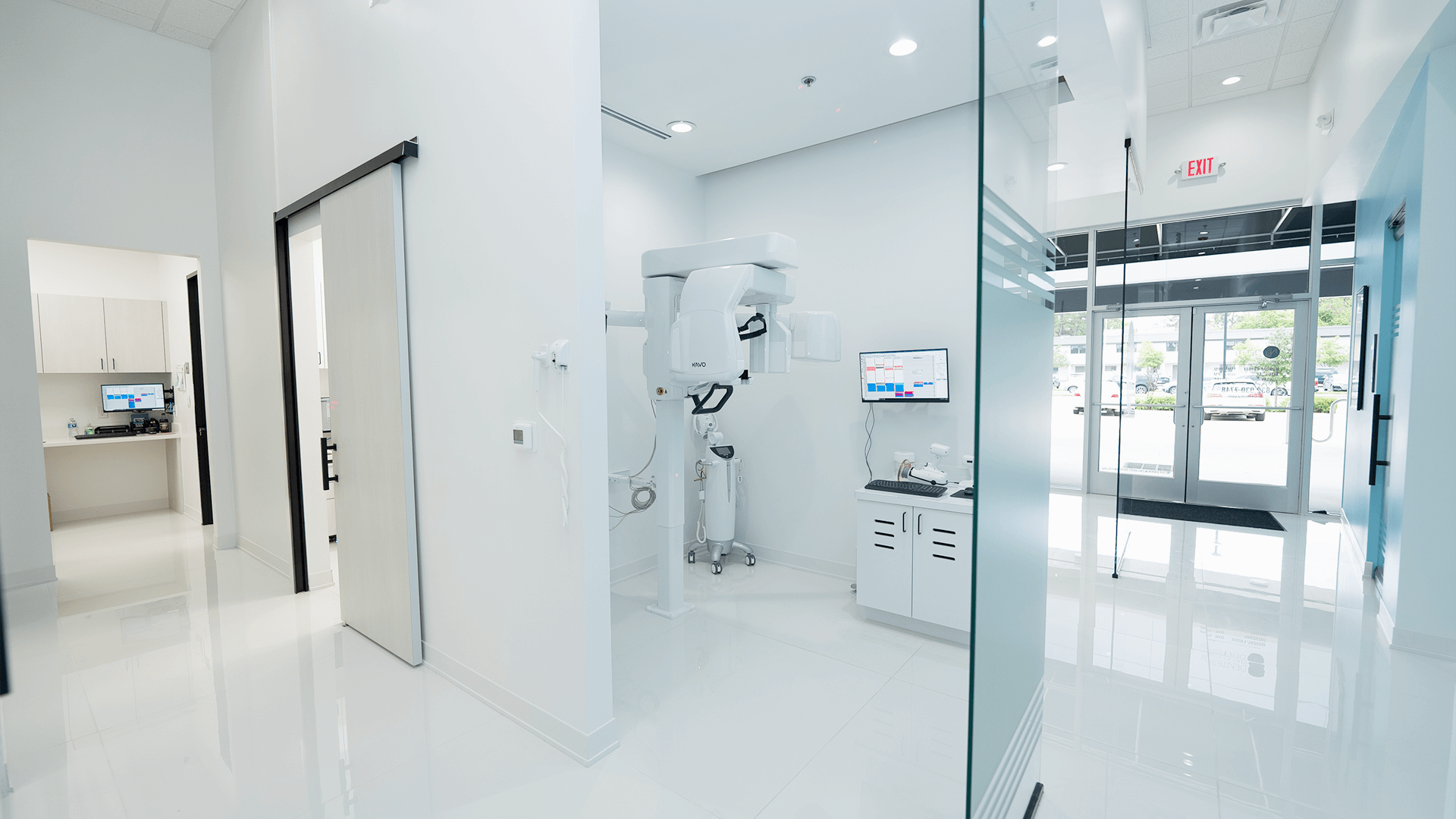
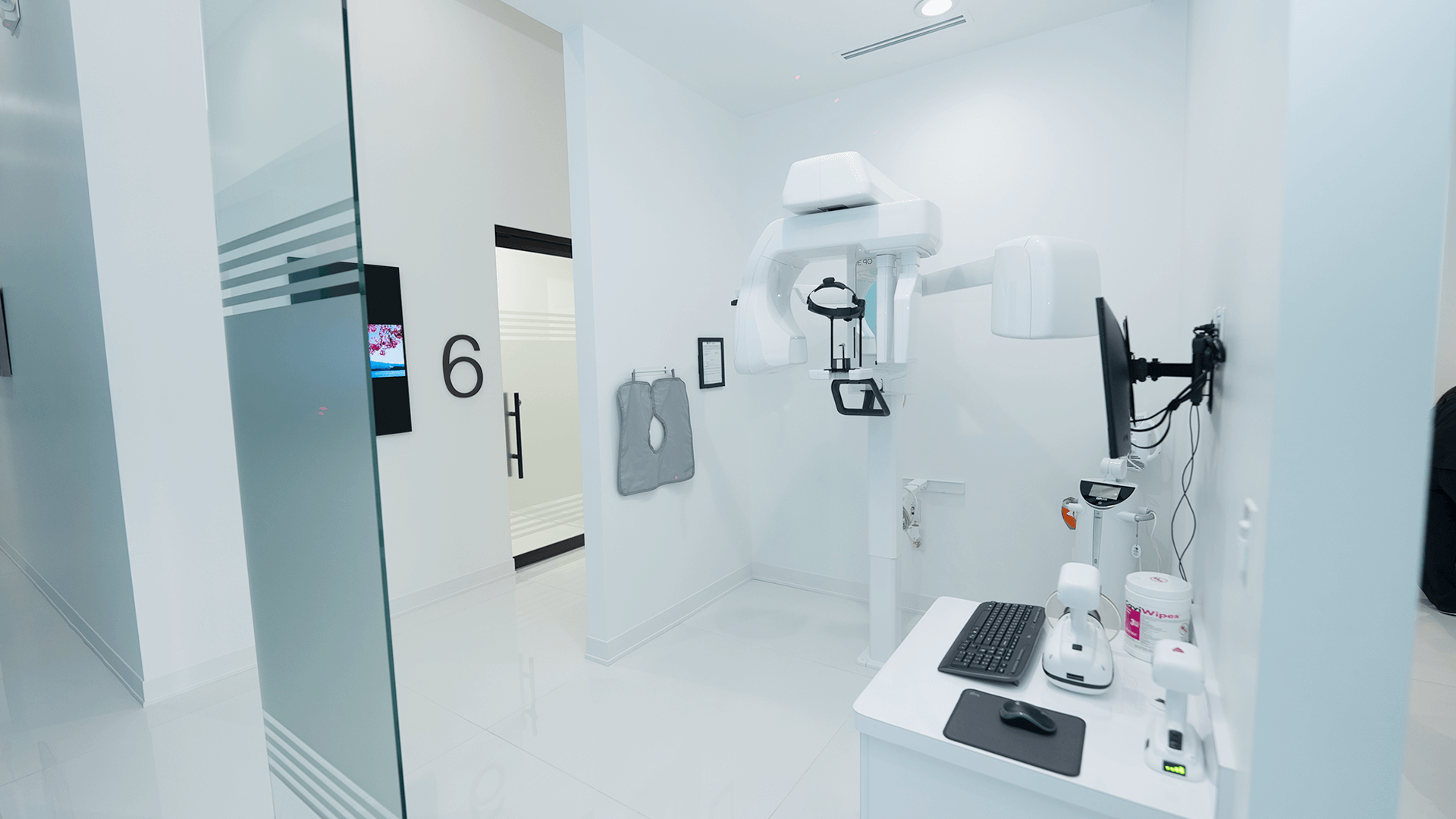
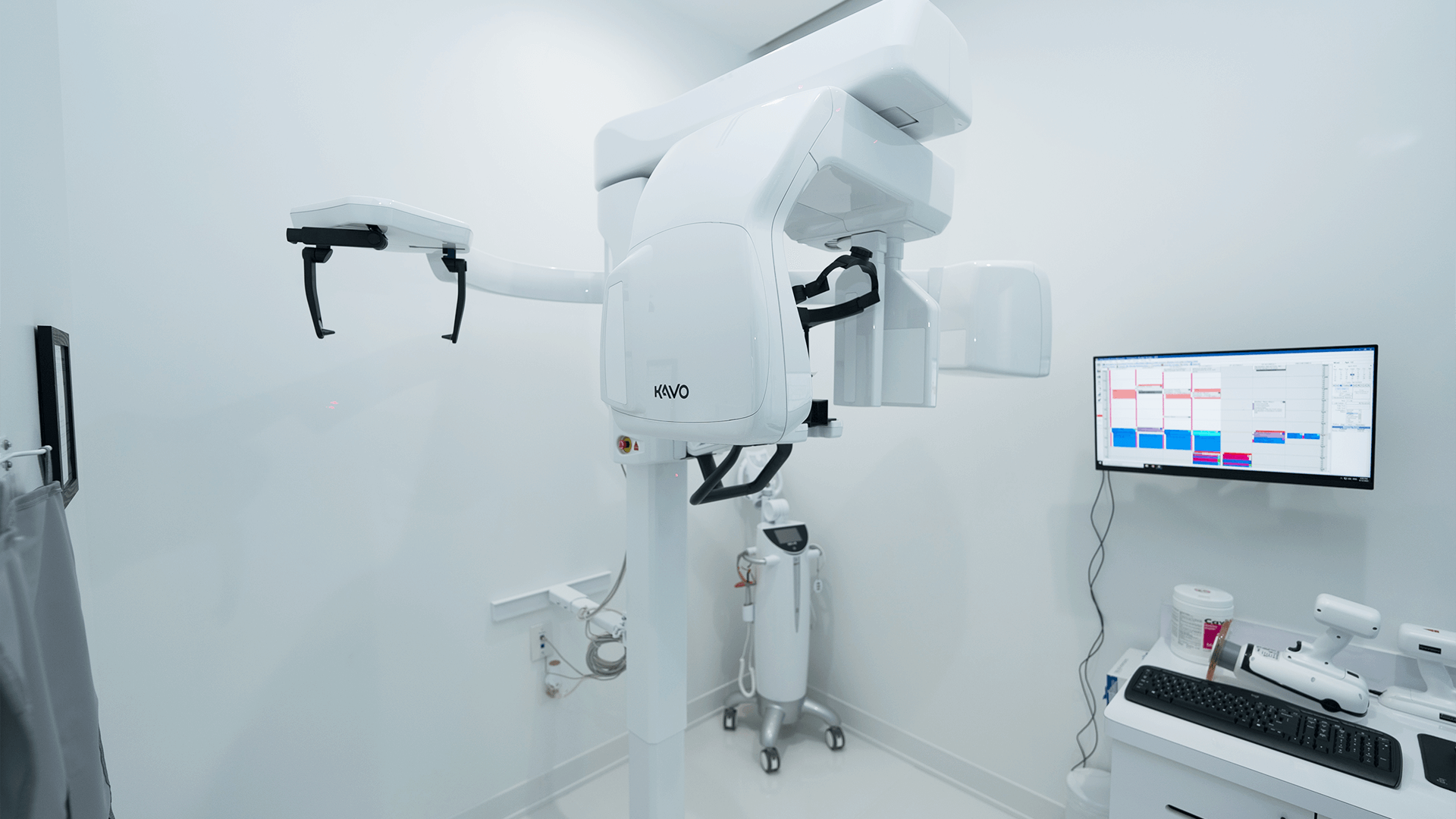
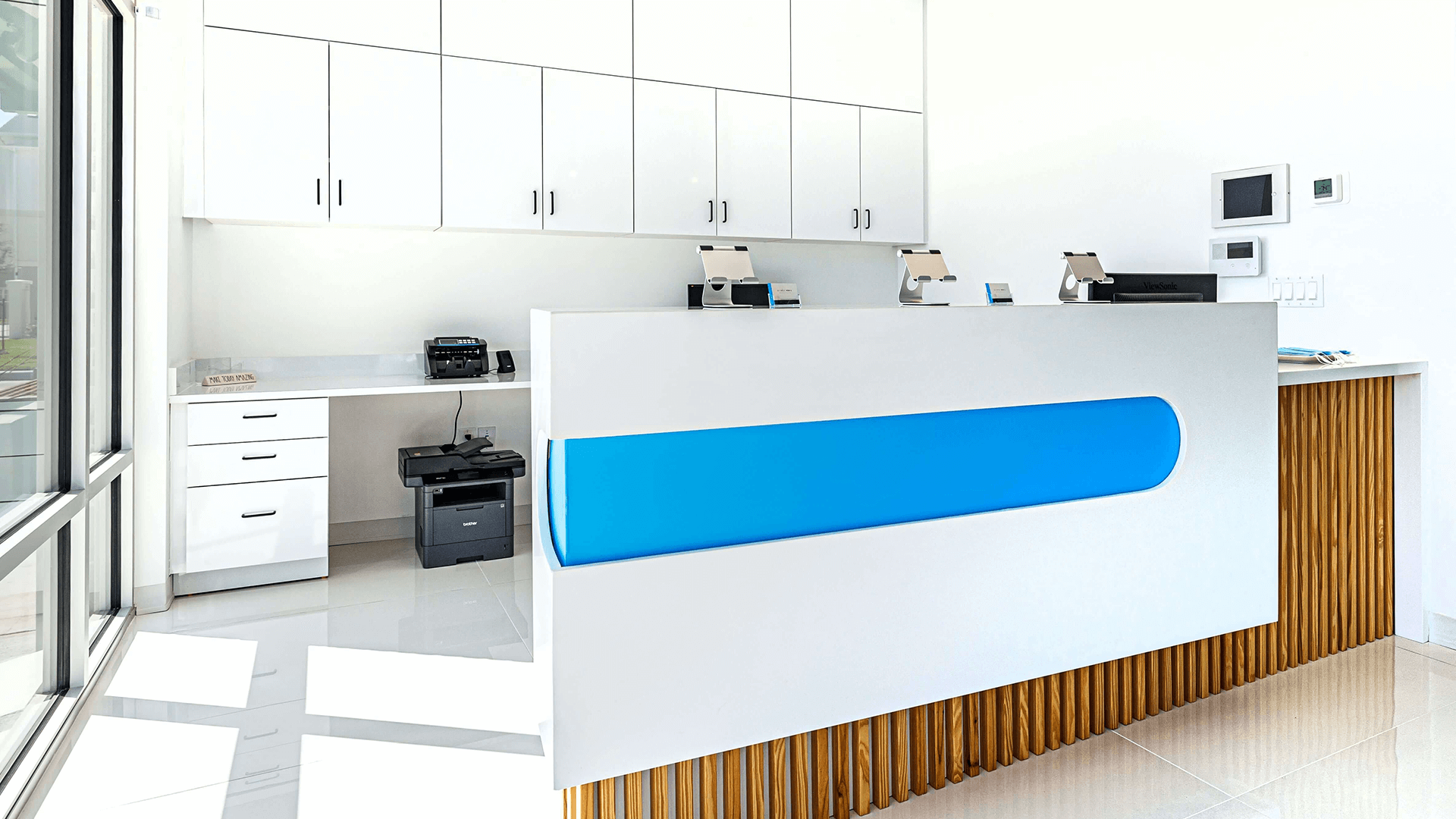
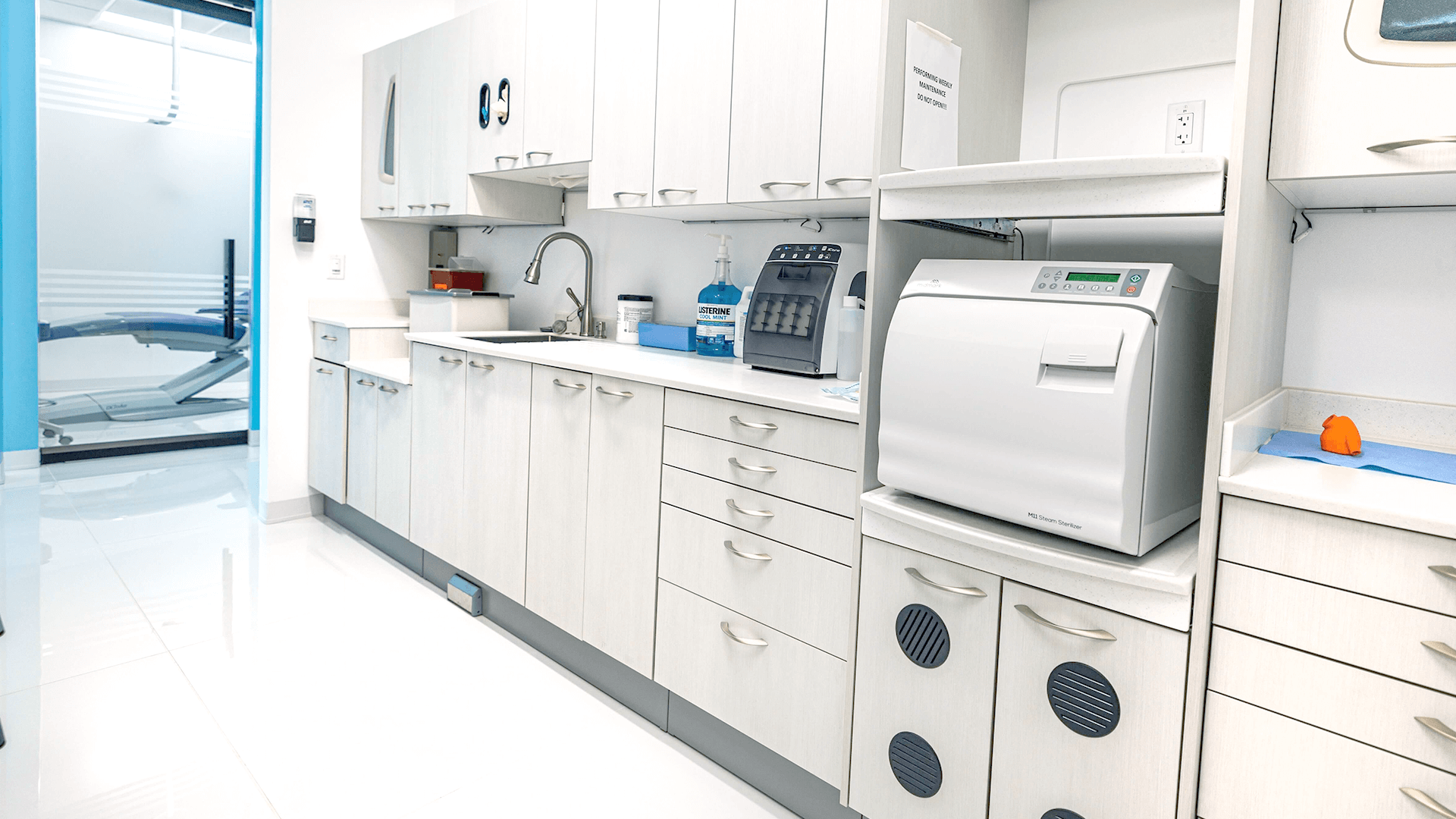
See what a visit to our modern, state-of-the-art dentist office is like!











Monday 9am - 6pm
Wednesday 9am - 6pm
Friday 9am - 6pm
Saturday 9am - 3pm
Check out what our patients are saying in Houston, TX


“Never Thought I'd Say It”
I never thought I’d say it, but going to the dentist is actually fun now. I recently came in for a root canal, and I got to sit back and catch up on Stranger Things without any pain!

“Anxiety Has Kept Me Away ”
I usually have such huge anxiety when I go to a dentist appointment, which means I always put off visits until the last minute to disastrous consequences. However, Dr. Loggins helped me with sedation, so the entire process was a breeze!

“The Best Dentist In Houston, TX”
We have been looking for a family dentist for a long time, we have tried a bunch of places but nothing felt quite like home. Not too long ago we stumbled upon Nu Dentistry and met Dr. Ali. Not only was he professional, kind, and gentle, but he always finds a way to fit us in when we need an appointment. He’s also pretty funny! I appreciate that he takes the time to explain what he’s doing, before he does it. That really puts me at ease.
“Never Thought I'd Say It”
I never thought I’d say it, but going to the dentist is actually fun now. I recently came in for a root canal, and I got to sit back and catch up on Stranger Things without any pain!
“Anxiety Has Kept Me Away ”
I usually have such huge anxiety when I go to a dentist appointment, which means I always put off visits until the last minute to disastrous consequences. However, Dr. Loggins helped me with sedation, so the entire process was a breeze!
We are proud members of these dental organizations and accreditations





We are dedicated to providing you with only the best quality dental care