If you’ve ever woken up with a sore jaw, felt your bite just wasn’t quite right, or noticed an annoying clicking sound every time you chew, there’s a chance your temporomandibular joint (TMJ) is trying to get your attention.
TMJ pain can sneak into your life quietly or arrive all at once. It might start with jaw tension, headaches, or a locked jaw when you yawn. And if you’re dealing with it, you’re probably wondering what your options are. Can orthodontics actually help? And if so, which route is better—invisible aligners or traditional braces?
Let’s break it all down in a way that makes sense. No fluff, just the real deal on what might help that jaw finally relax.
What’s the connection between TMJ and crooked teeth?
A lot of people think TMJ pain just “happens”—from stress or grinding your teeth. That’s true in many cases. But what most don’t realize is that your bite alignment plays a huge role in how your jaw joint feels and functions.
When your teeth are crooked, crowded, or your bite is misaligned (what we call a “malocclusion”), it can throw off the way your upper and lower jaws come together. That means your jaw joint has to overcompensate every time you chew, speak, or even swallow. Over time, this added strain can inflame the TMJ, leading to the kind of jaw pain that gets worse the more you try to ignore it.
For example:
- If your lower jaw juts forward or back unnaturally to meet your top teeth, you’re forcing the TMJ out of its natural position.
- If your bite doesn’t close evenly, your jaw muscles may tense up to stabilize it, leading to chronic discomfort or spasms.
- Uneven pressure from misaligned teeth can even contribute to clenching or grinding, especially at night.
So while not every person with crooked teeth will develop TMJ pain, there’s a very real link between bite problems and jaw issues. Fix the alignment, and you may just reduce (or even eliminate) the pain altogether.
Is Invisalign better than braces for jaw pain?
Let’s talk options. If your dentist or orthodontist has recommended orthodontics to help with TMJ symptoms, the big question becomes: Invisalign or braces?
Here’s how each stacks up when TMJ is in the picture:
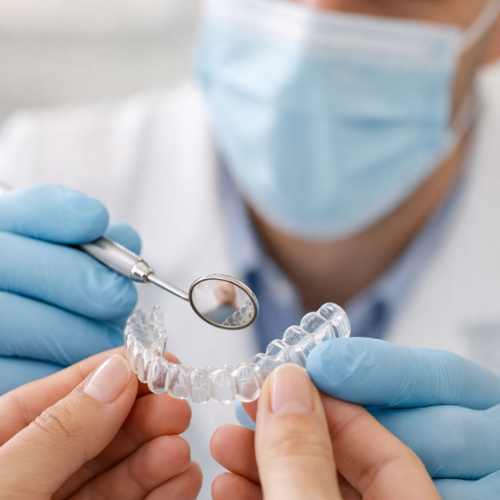
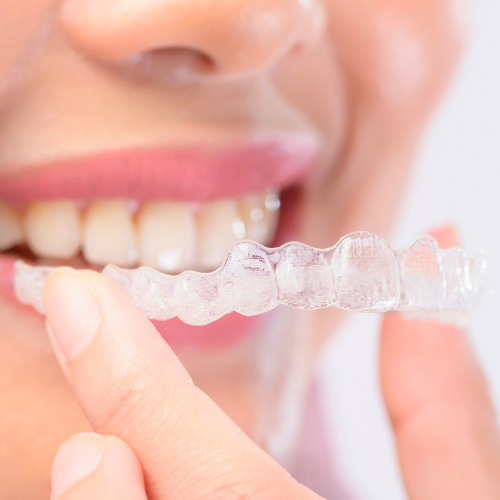
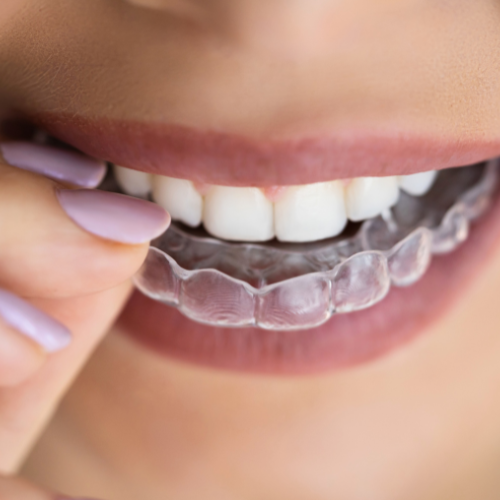
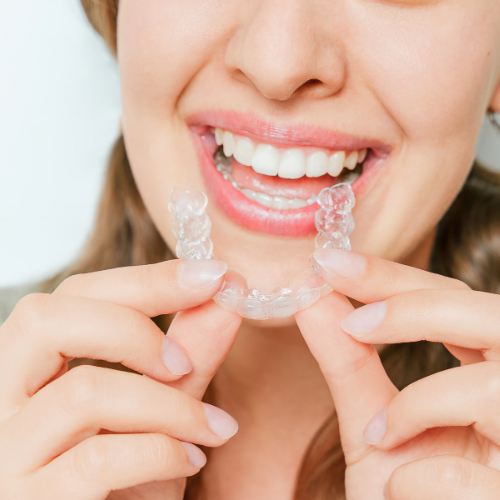
Invisalign:
- Pros:
- Invisalign aligners are smooth and comfortable to wear, with no metal brackets or wires. That’s already a win for anyone who’s dealing with jaw tension or clenching. Because the trays are removable, they let you eat without restrictions and keep up great oral hygiene—important if you’re trying to avoid anything that might aggravate your TMJ.
- The real benefit, though, is the precision. Invisalign’s digital treatment planning allows us to visualize how your bite will shift and adjust it gradually, which can help relieve pressure on your TMJ. And for some patients, just that slight adjustment in how the teeth come together can create a big difference in jaw comfort.
- Things to consider:
- Invisalign requires discipline. You need to wear the aligners for 20–22 hours a day. If you’re the kind of person who might “forget” them on the bathroom counter after lunch, it might not be the best fit for you, especially if consistent progress is what your jaw needs.
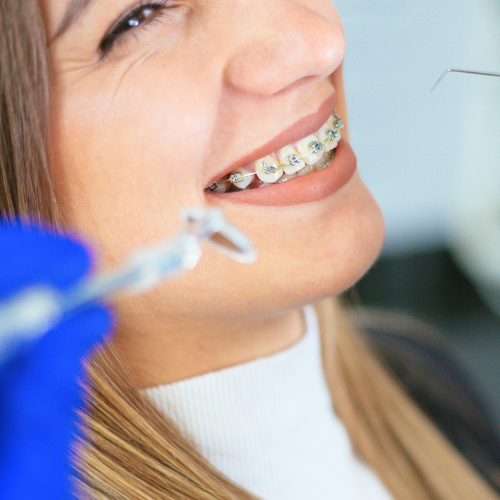
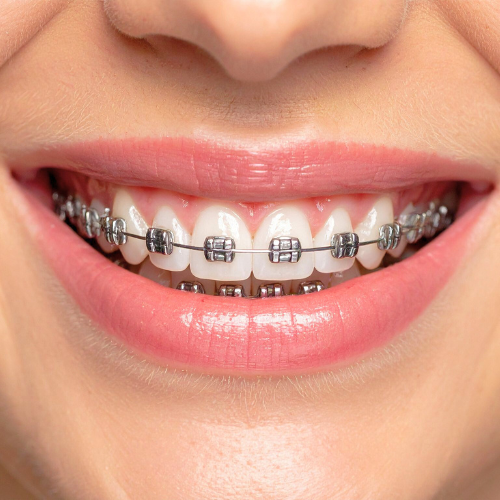
Braces:
- Pros:
- Braces are powerful. They can handle more complex bite problems, especially if your TMJ issues stem from significant misalignment or skeletal discrepancies. They’re always on, which means progress is consistent, and you won’t have to think about taking them in and out.
- In cases where we need to move teeth in ways that aligners can’t quite manage—or need to correct a deep bite or crossbite that’s heavily impacting your jaw—braces may offer the better result.
- Things to consider:
- Braces can be less comfortable in the beginning, especially with the initial tightening or wire changes. Some patients with TMJ find that the added pressure (even temporarily) can trigger symptoms. But with the right treatment plan and monitoring, we can often work around this and still get you the relief you’re looking for.
Bottom line: There’s no one-size-fits-all answer. Invisalign can be gentler and more lifestyle-friendly, while braces may offer more control for complex cases. The best treatment for TMJ relief depends on what’s actually causing your jaw pain—and that’s something we can help determine during your consultation.
Can straightening teeth really help TMJ?
In short: yes, it can.
But here’s the nuance. Not everyone with TMJ pain will benefit from orthodontics—because not all TMJ issues are caused by bite problems. TMJ can stem from arthritis, trauma, chronic clenching or grinding, and even emotional stress.
That said, if your bite is misaligned and we can see that it’s putting stress on your jaw joint, orthodontic treatment can be one of the most effective long-term solutions.
Here’s how it helps:
- Evening out pressure: When your teeth line up properly, your jaw doesn’t have to “work overtime” to chew or rest in an unnatural position.
- Improving function: A well-aligned bite supports smoother jaw movement, making everything from talking to eating feel more effortless—and less painful.
- Reducing clenching: If your bite feels more natural and stable, your muscles are less likely to tense up unconsciously, especially at night.
We’ve had patients come in complaining of daily jaw aches, tension headaches, or clicking sounds every time they eat. After completing orthodontic treatment, many of them report significant relief—not just in their jaw, but in their whole facial comfort.
That said, orthodontics isn’t a magic fix. It works best when it’s part of a comprehensive TMJ treatment plan. That might include bite splints, physical therapy, stress management, and in some cases, Botox to ease muscle tension.
What should I expect if I get Invisalign or braces for TMJ?
Once we’ve confirmed that orthodontics could help, the next step is figuring out which treatment fits both your symptoms and your lifestyle.
- With Invisalign, you’ll wear custom-made, clear aligners for most of the day and night—removing them only to eat, drink anything other than water, or clean your teeth. You’ll swap them out every week or two as your teeth gradually move into better positions. The entire process is mapped out digitally from the start, and we’ll check in regularly to ensure everything is on track.
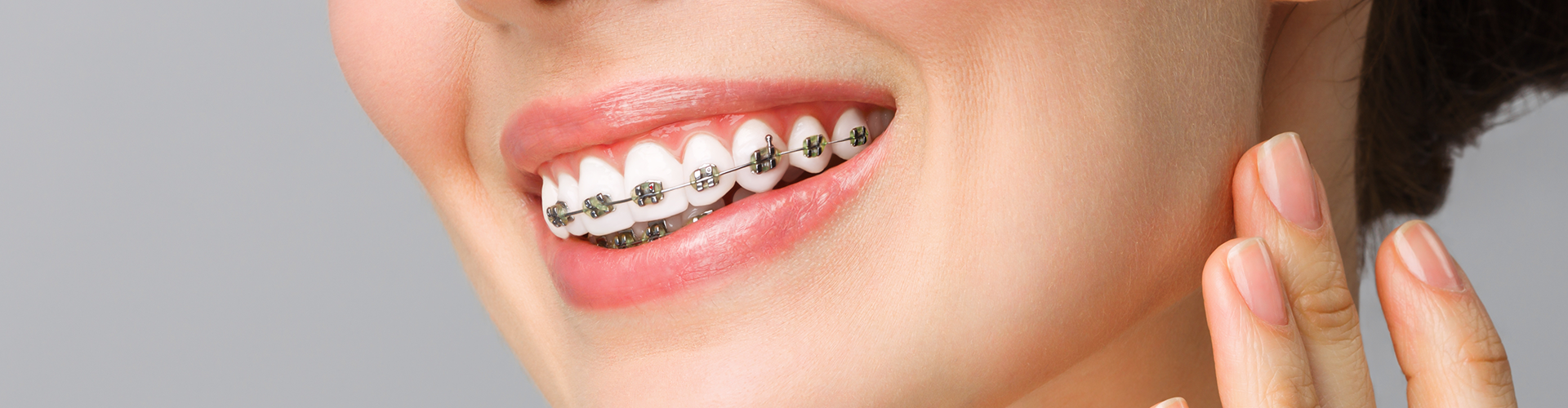
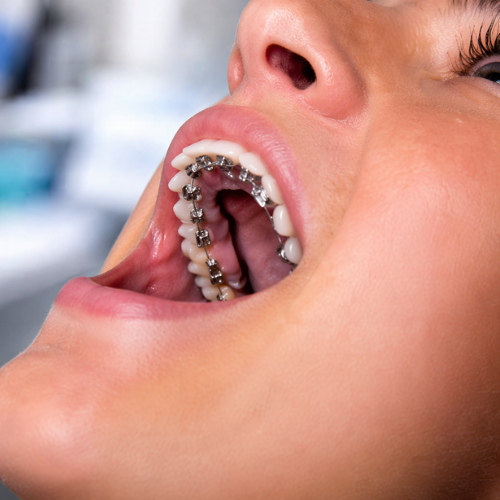
- With braces, you’ll have brackets bonded to your teeth and wires that gently guide them into place. Adjustments happen every few weeks, allowing us to monitor your jaw symptoms and modify the plan as needed. Braces can be especially helpful if we’re dealing with more severe bite issues.
In either case, treatment usually lasts between 6 months and 2 years, depending on the complexity of your case. And in both cases, our main goal remains the same: relieve pressure on your jaw joint and get you feeling better, long-term.
Ready to Get to the Root of Your Jaw Pain?
If you’ve been struggling with TMJ symptoms and suspect your bite might be part of the problem, we’re here to help. At Nu Dentistry Garden Oaks, we don’t just straighten teeth—we look at the whole picture, including how your teeth, bite, and jaw joint are working together.
Let’s find a solution that fits your needs and gets you smiling (and chewing, and yawning) without pain.
Book a consultation today and take the first step toward a more comfortable, aligned, and pain-free smile.