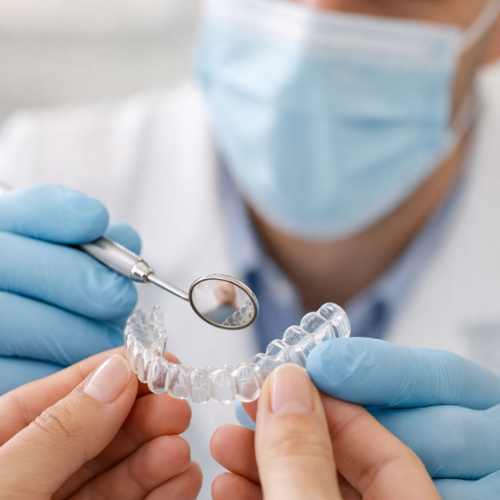
Why Your Invisalign Trays Aren't Fitting — and What to Do About It
Invisalign trays not fitting right in Houston? Learn about gaps, tracking, and refinements from Nu Dentistry Garden Oaks. Get answers today.
Read More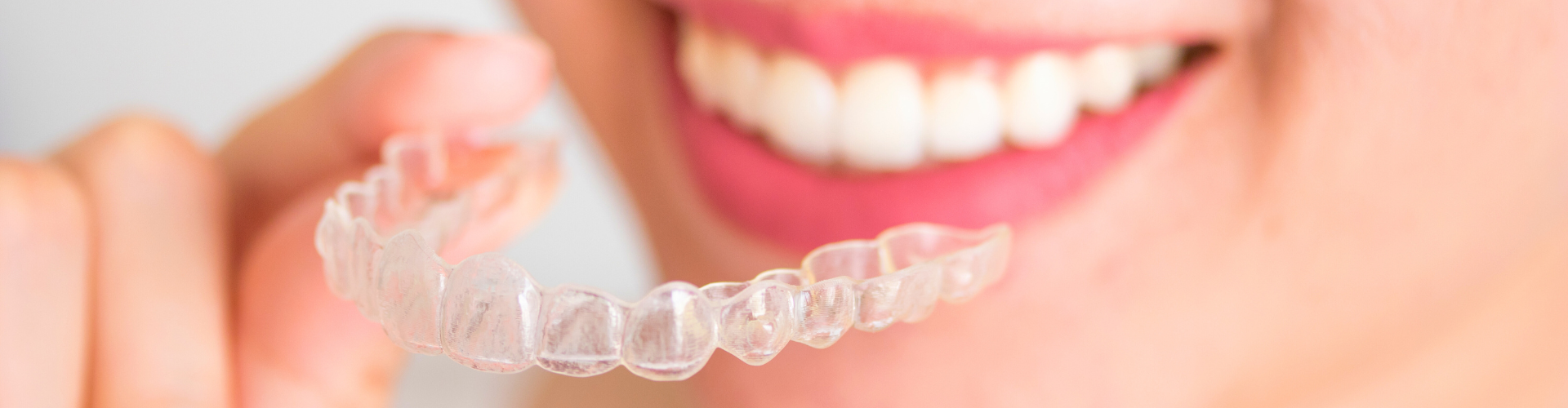
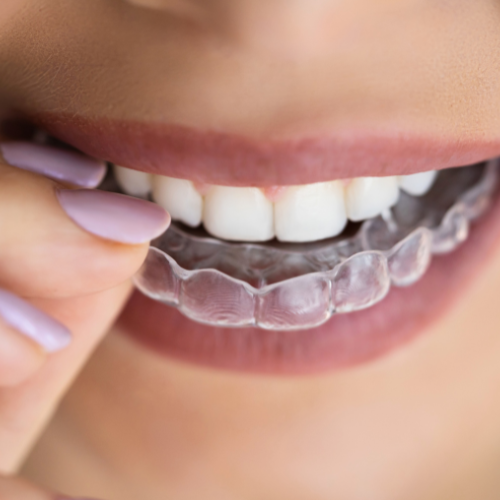
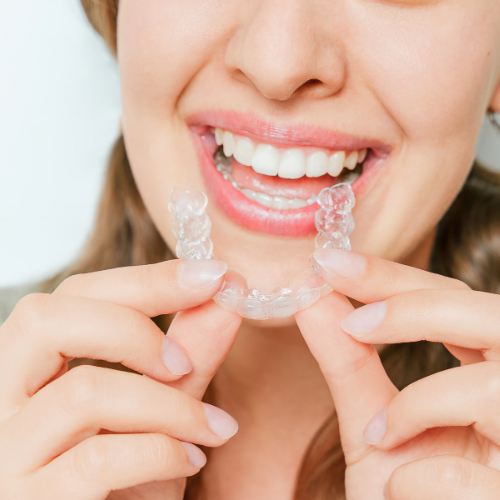
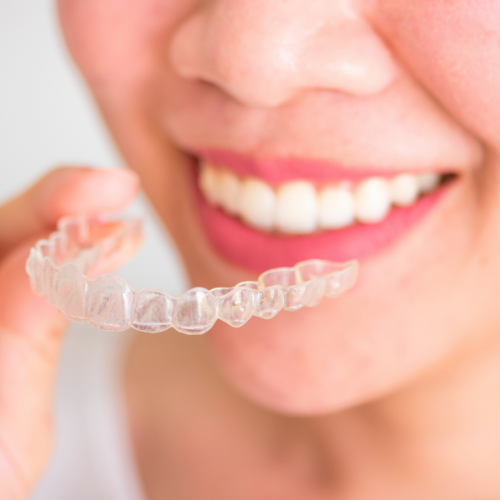
Choosing Invisalign is not just about straightening teeth. It is about how treatment fits into your daily life, how your smile responds over time, and how small choices can shape the final outcome. Many people are drawn to Invisalign because it looks discreet and feels more flexible than traditional braces, but the experience goes much deeper than appearance alone.
At Nu Dentistry Garden Oaks, patients often ask what really makes the difference between an average Invisalign experience and a great one. The answer is not a single factor. It is a combination of lifestyle, consistency, professional guidance, and realistic expectations. Invisalign works beautifully for many smiles, but the journey is shaped by how it is used and supported along the way.
This article takes a closer look at what living with Invisalign is actually like and what truly influences results, comfort, and confidence throughout treatment.
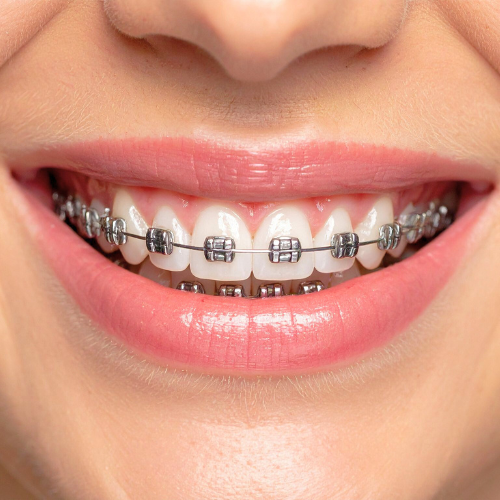
Invisalign is often marketed as simple and convenient, and in many ways it is. Clear aligners are removable, smooth, and far less noticeable than metal braces. But Invisalign is also a partnership between you and your dental team. The aligners do the physical work, while your habits and commitment guide the process.
Unlike braces that stay fixed in place, Invisalign puts more responsibility in your hands. That can be empowering, but it also means your daily choices matter. From how long you wear your aligners to how carefully you follow instructions, these details quietly shape your results.
Understanding this early helps set the tone for a smoother, more successful experience.
One of the biggest questions people have is how Invisalign actually feels in everyday life. The short answer is that it blends in more naturally than braces, but it still requires adjustment.
Eating and drinking
With Invisalign, you remove your aligners before meals. This allows you to eat without restrictions and enjoy foods that are often off limits with braces.
Many patients appreciate that they can:
That said, Invisalign can influence how often you snack. Because aligners need to be worn most of the day, frequent snacking means removing them often, cleaning your teeth, and putting them back in. Some patients naturally reduce snacking, which can benefit both oral health and treatment progress.
Speaking and social interactions
Most people adjust quickly to speaking with aligners in place. There may be a slight lisp during the first few days, but it usually fades as your tongue adapts.
Socially, Invisalign often feels easier than braces because:
This can be especially reassuring for adults who want orthodontic treatment without drawing attention to it.
Comfort and daily routines
Traditional braces can cause irritation from wires and brackets rubbing against the cheeks and lips. Invisalign aligners are smooth, which tends to reduce this type of discomfort.
However, aligners still apply pressure to move teeth. Mild soreness is common when switching to a new set, especially during the first few days. Most patients describe this as manageable and short lived.
In daily routines, Invisalign often feels easier to integrate, but it does require discipline. Cleaning aligners, keeping track of wear time, and storing them properly become part of everyday life.
Invisalign is highly effective, but results can vary depending on several factors. Understanding these helps set realistic expectations and ensures treatment is tailored to your needs.
The starting position of your teeth
Some smiles respond more quickly than others. Mild to moderate alignment issues often move predictably with Invisalign, while more complex cases may require additional refinements or attachments.
Your dentist evaluates:
This assessment determines how Invisalign is planned and how long treatment may take.
Consistency with wear time
One of the most important factors in Invisalign success is wearing aligners as prescribed. Most patients are advised to wear them for about 20 to 22 hours per day.
Wearing aligners less than recommended can:
Consistency allows each aligner to do its job fully before moving on to the next stage.
Attachments and refinements
Some Invisalign cases use small tooth colored attachments to help guide movement. While they may feel noticeable at first, they play an important role in achieving precise results.
Refinements are also common. These are additional aligners added after the initial series to fine tune alignment. Refinements are not a sign of failure. They are part of creating a balanced and polished final result.
Professional planning and monitoring
The quality of planning behind Invisalign treatment matters greatly. Digital scans, treatment mapping, and ongoing check ins ensure teeth are moving as expected.
At Nu Dentistry Garden Oaks, Invisalign plans are carefully monitored so adjustments can be made if needed. This level of attention helps keep treatment on track and supports predictable outcomes.
Daily habits can either support Invisalign or quietly work against it. Small choices made consistently have a noticeable impact over time.
Habits that support better results
Habits that can slow things down
Recognizing these patterns early helps prevent unnecessary delays and frustration.
Orthodontic treatment is not just physical. There is an emotional journey involved as well.
Many patients feel excited at the start, followed by a period of adjustment as they adapt to wearing aligners daily. Over time, confidence often grows as subtle changes become noticeable. Seeing teeth shift into better alignment can be motivating and rewarding.
It is also normal to have moments of impatience. Invisalign works gradually, and progress may feel slow at times. Having realistic expectations and open communication with your dental team helps keep motivation steady.
The end of Invisalign treatment is not the end of the story. Retainers play a crucial role in maintaining results. Teeth naturally want to shift back, especially in the months following treatment.
Wearing retainers as recommended:
Patients who commit to retention tend to enjoy lasting results and greater satisfaction.
No two Invisalign experiences are exactly the same. Personalized care ensures that treatment reflects your goals, lifestyle, and oral health needs.
At Nu Dentistry Garden Oaks, Invisalign is not treated as a one size fits all solution. Each plan is designed with attention to detail, communication, and ongoing support. This approach helps patients feel informed, comfortable, and confident throughout their journey.
Invisalign can be an excellent option for many people, but the best way to know is through a professional evaluation. A consultation allows your dentist to assess your smile, discuss expectations, and outline what treatment would look like for you.
If you are considering Invisalign or want to understand how it could fit into your life, scheduling a visit is the first step toward clarity and confidence.
If you are curious about Invisalign and want a personalized approach to your smile, the team at Nu Dentistry Garden Oaks is here to help. Schedule an appointment today to explore your options and start a treatment plan designed around you.
Fresh news from the dental world


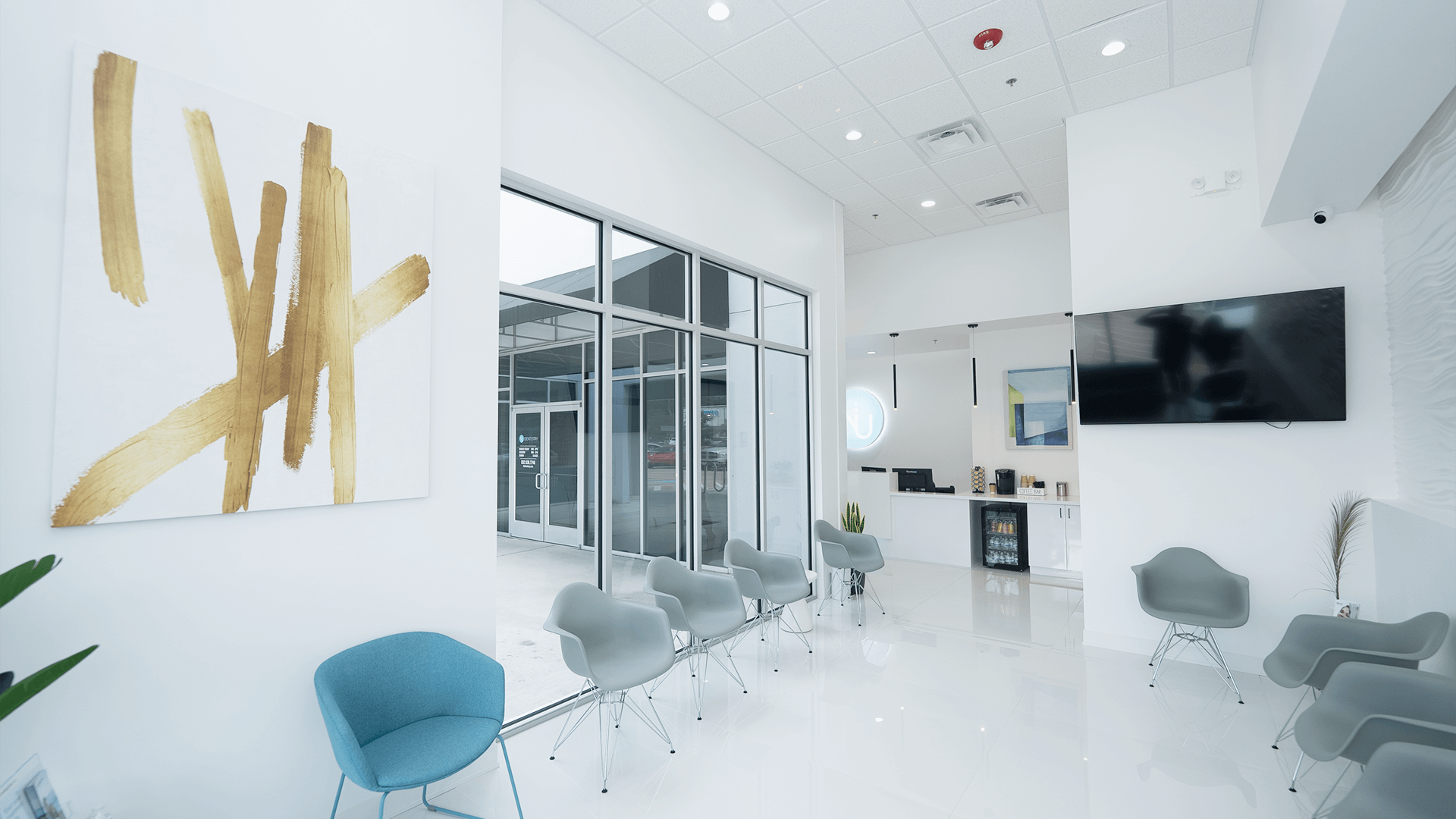
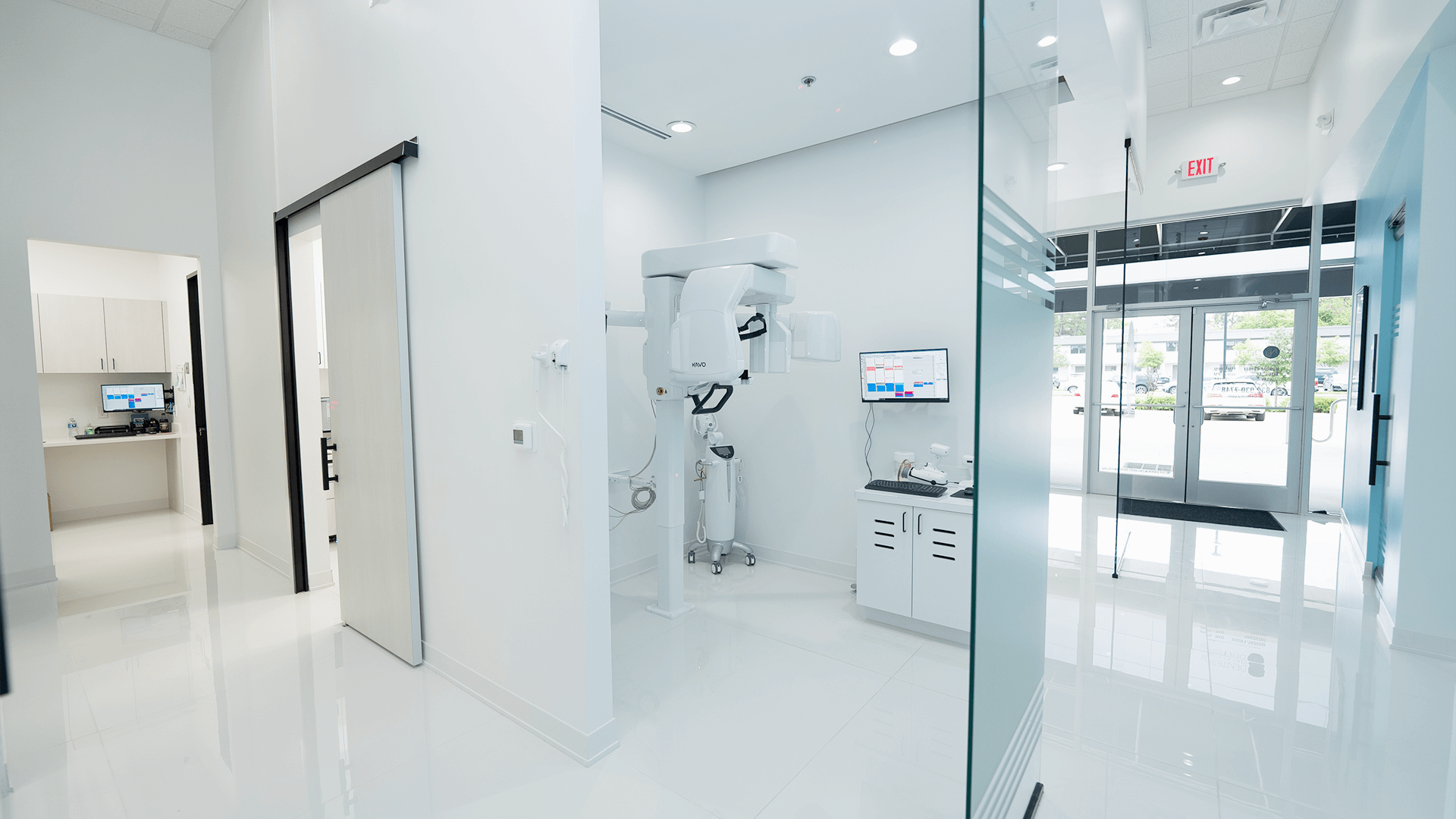
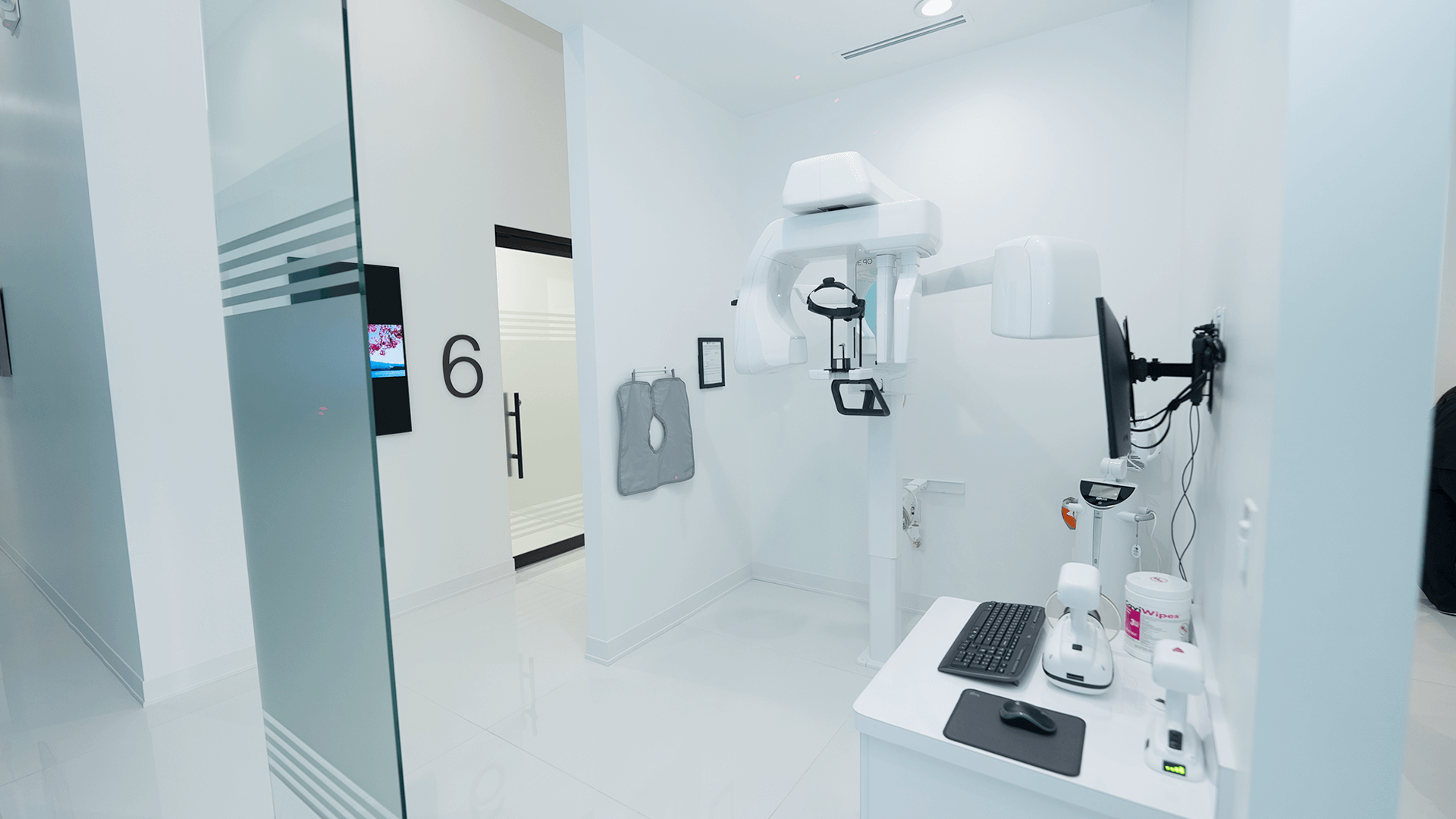
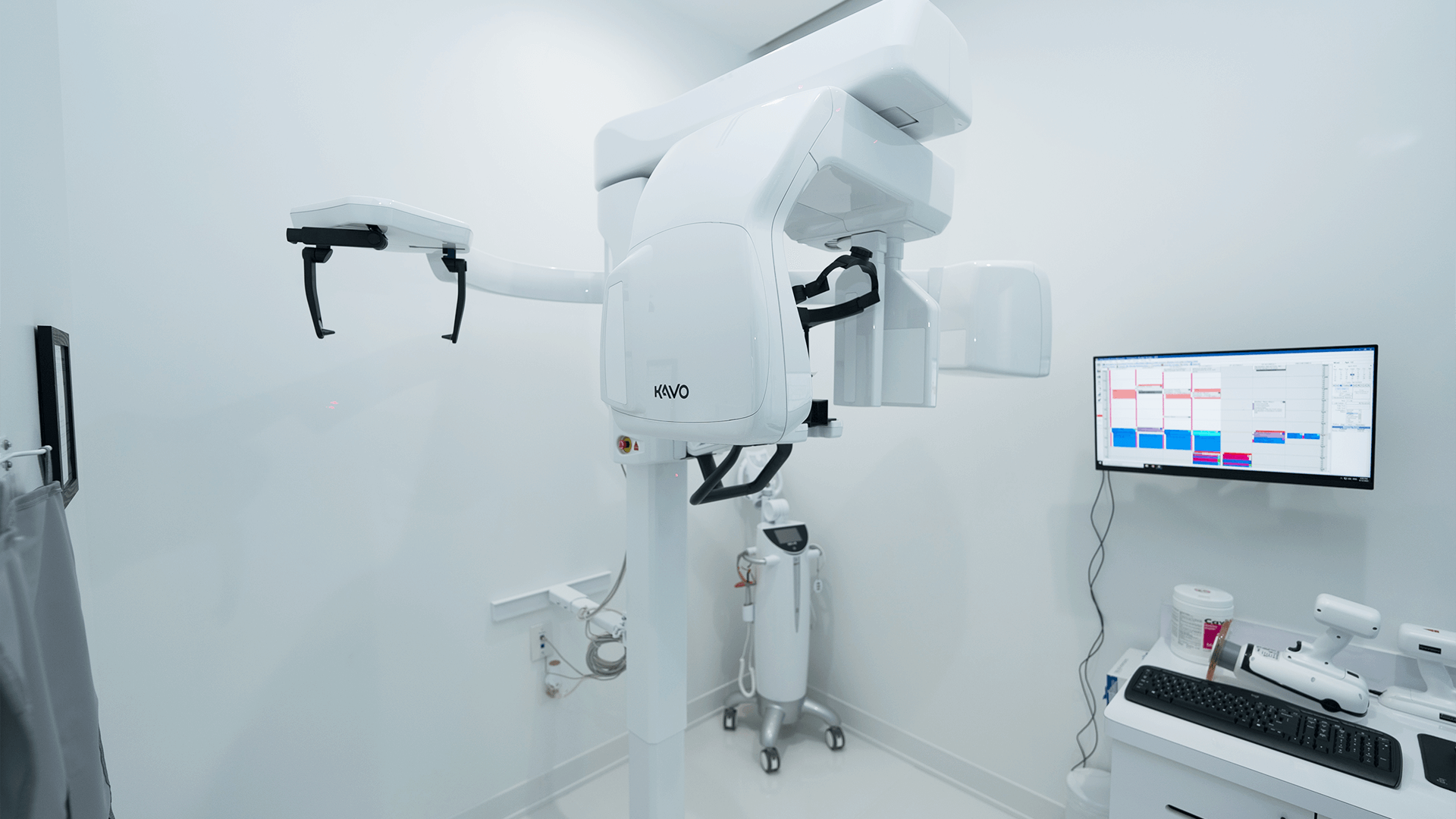
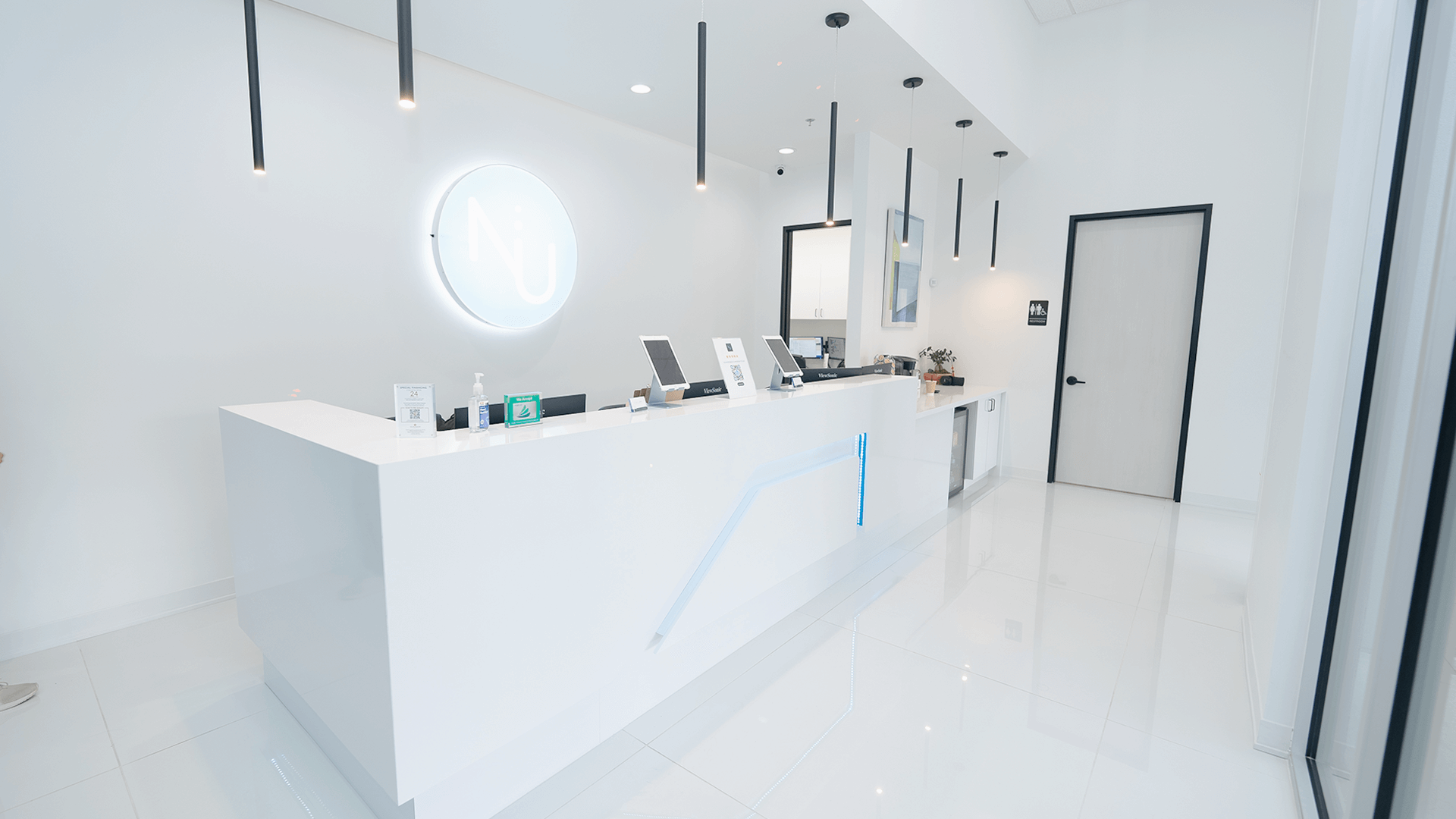
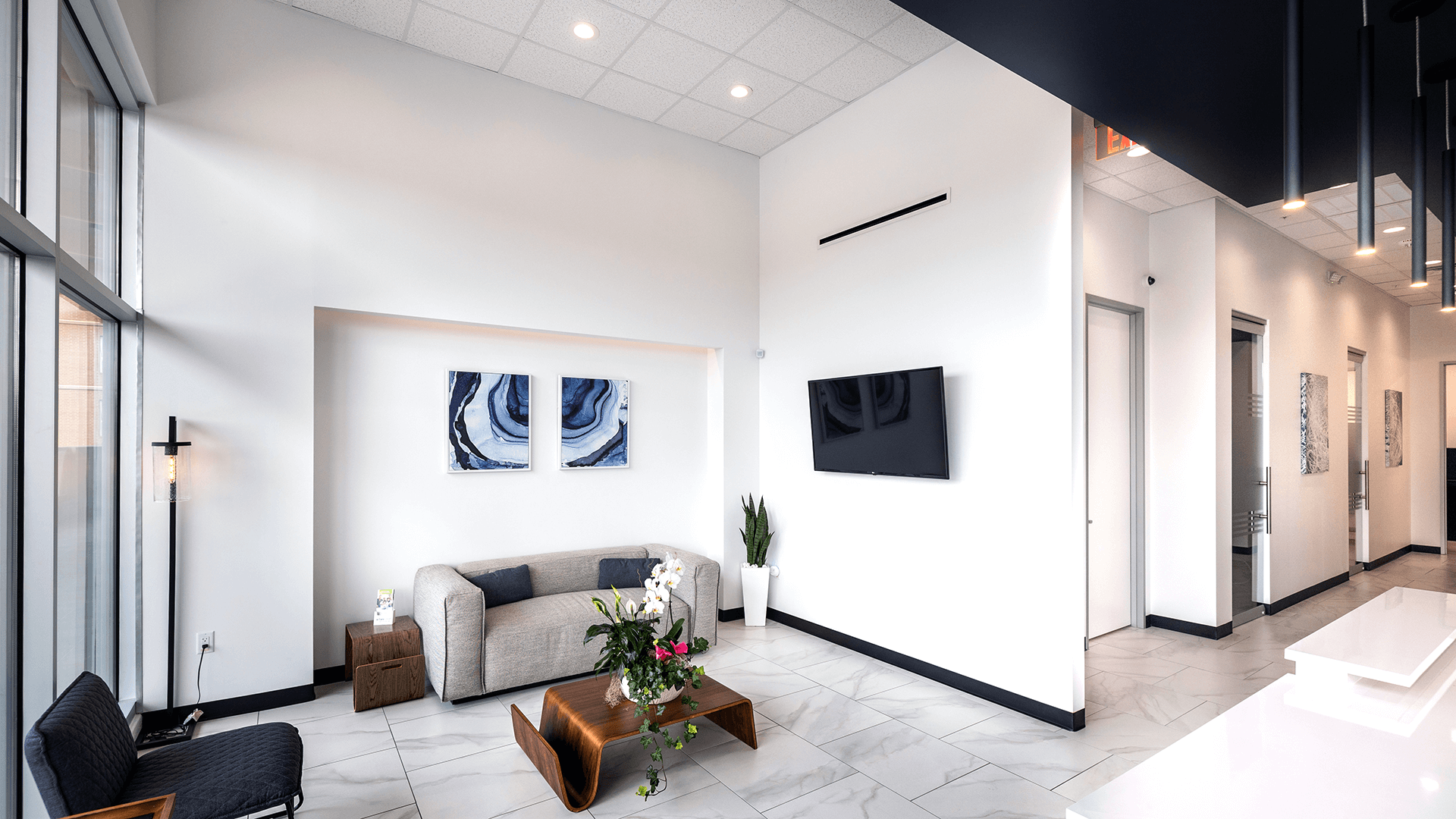
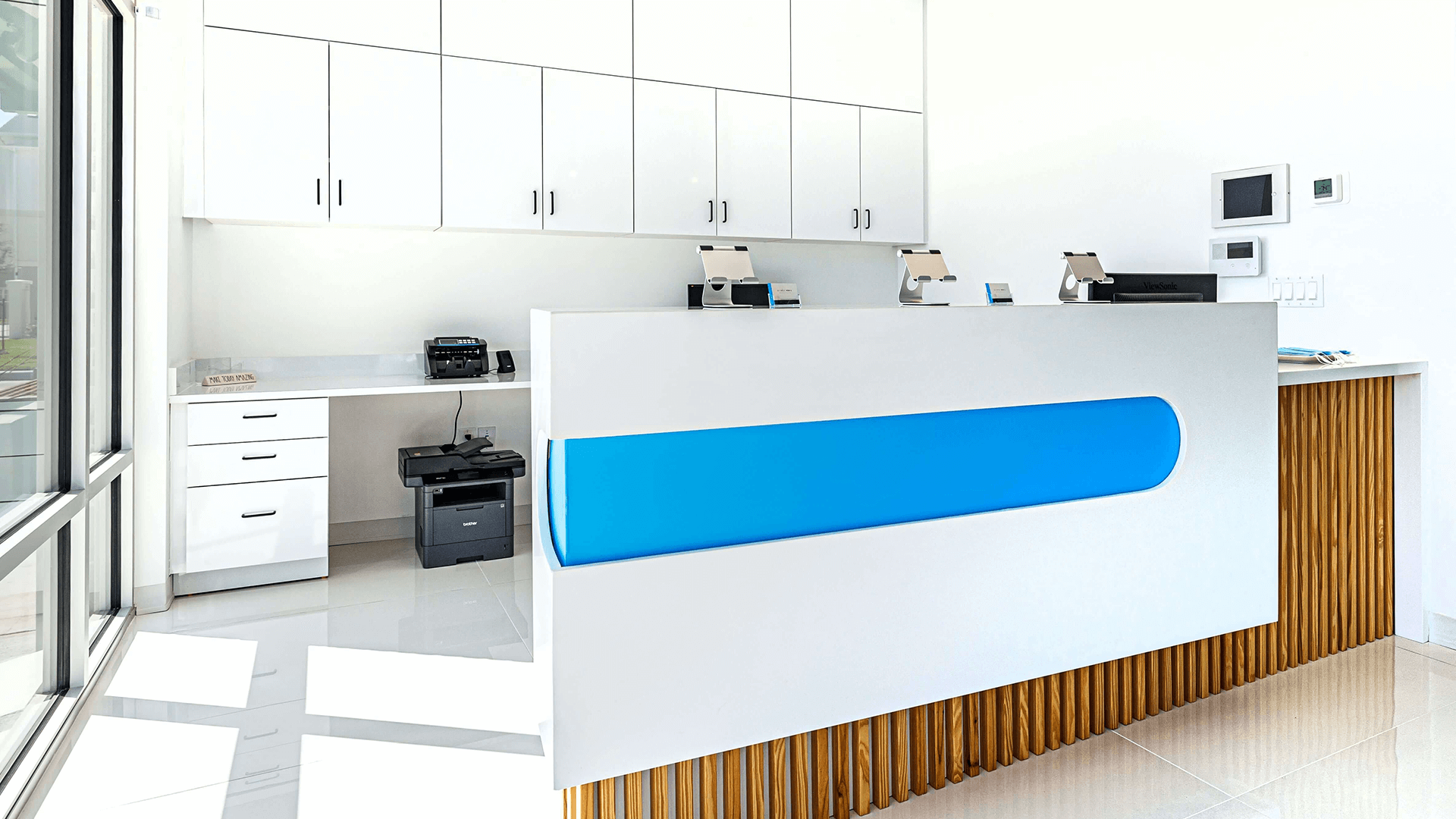
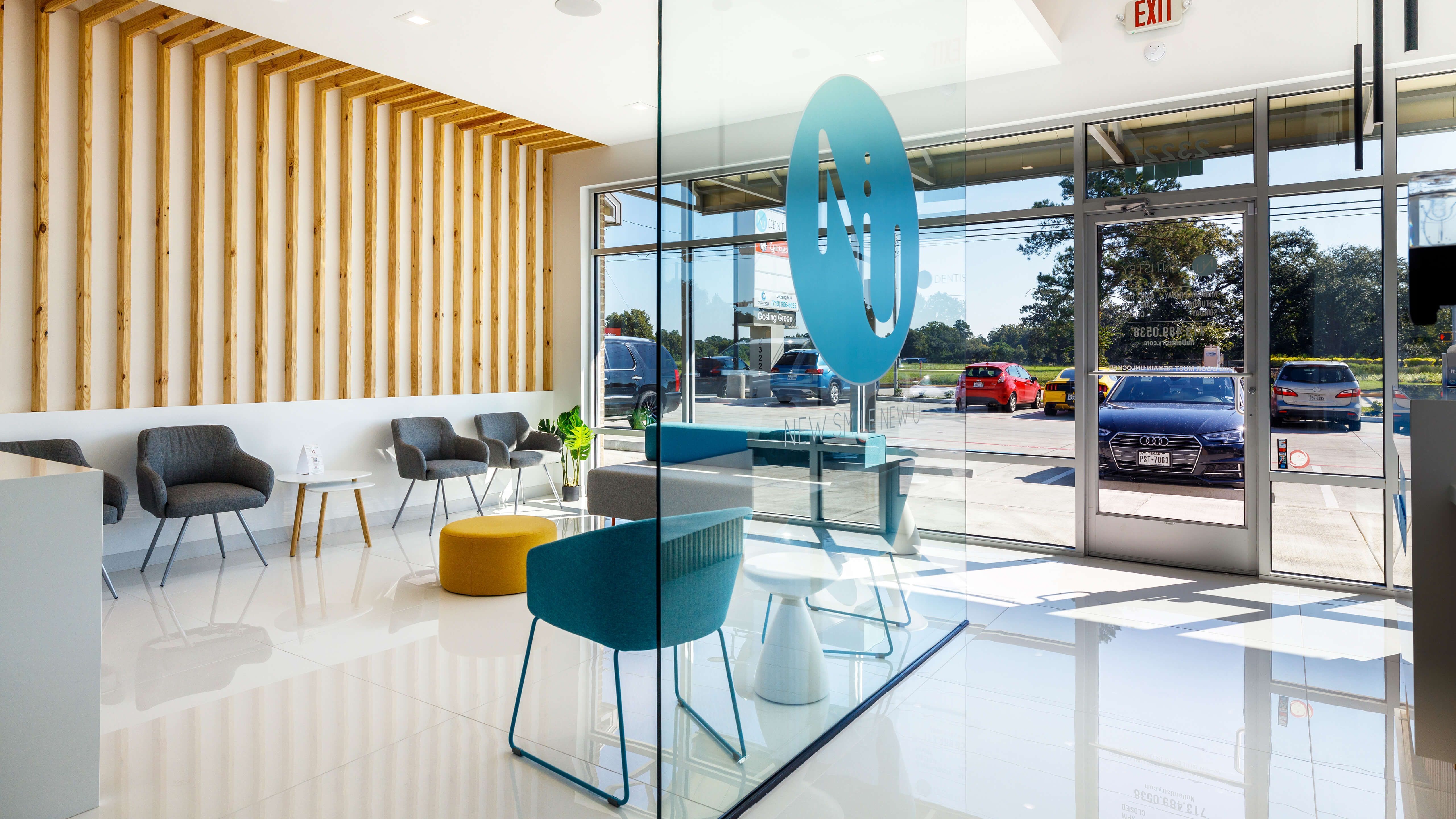
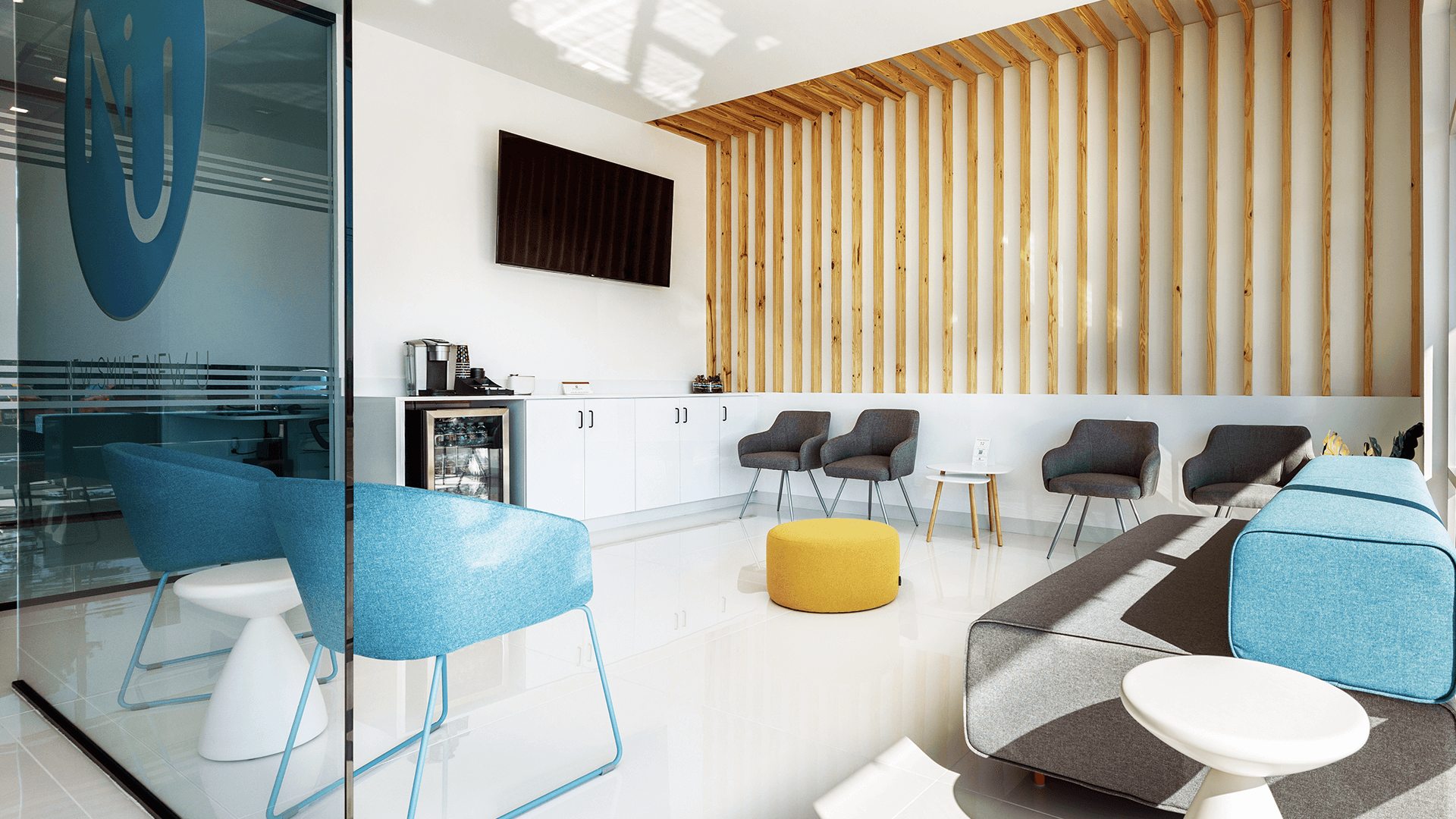
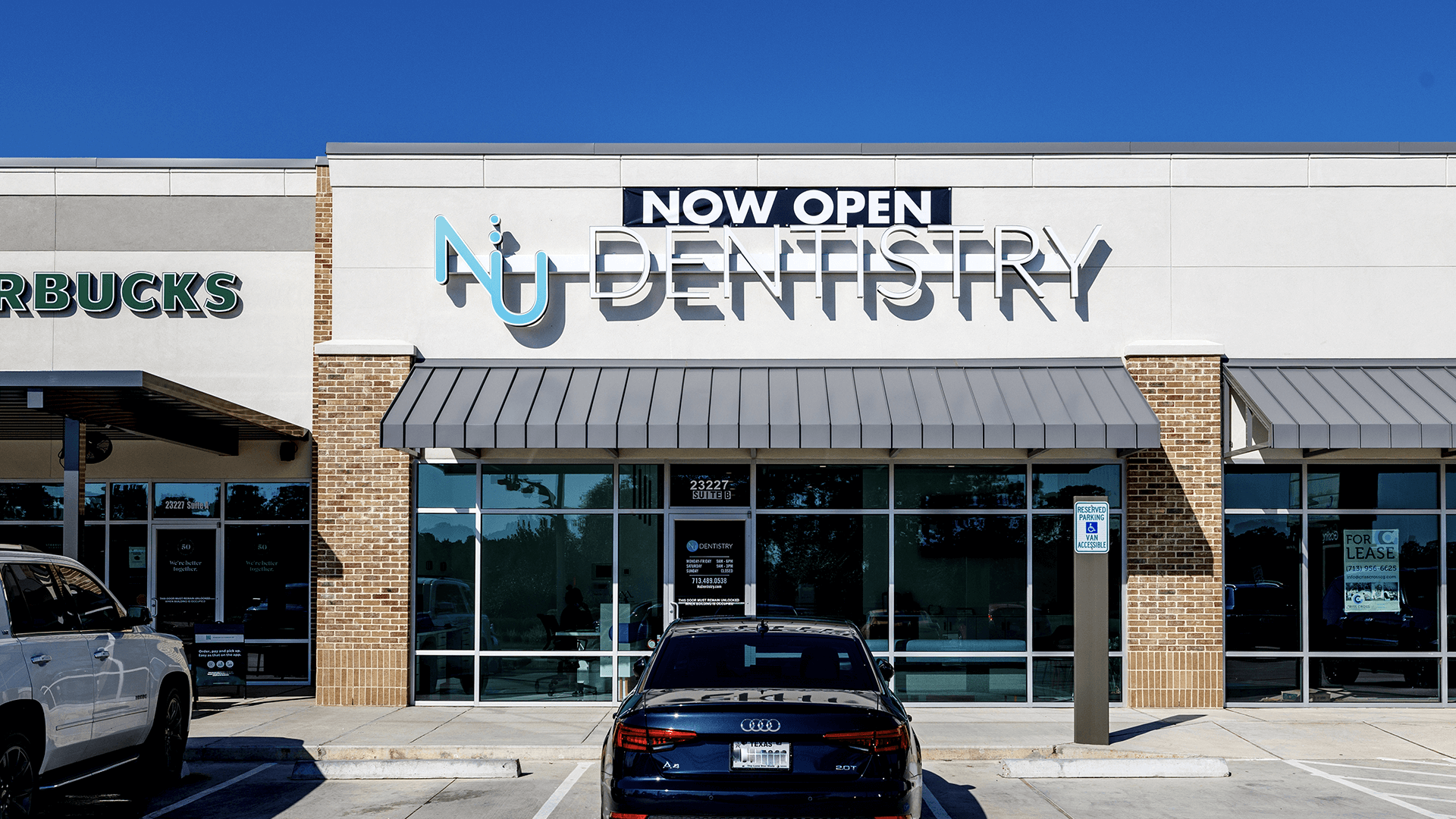
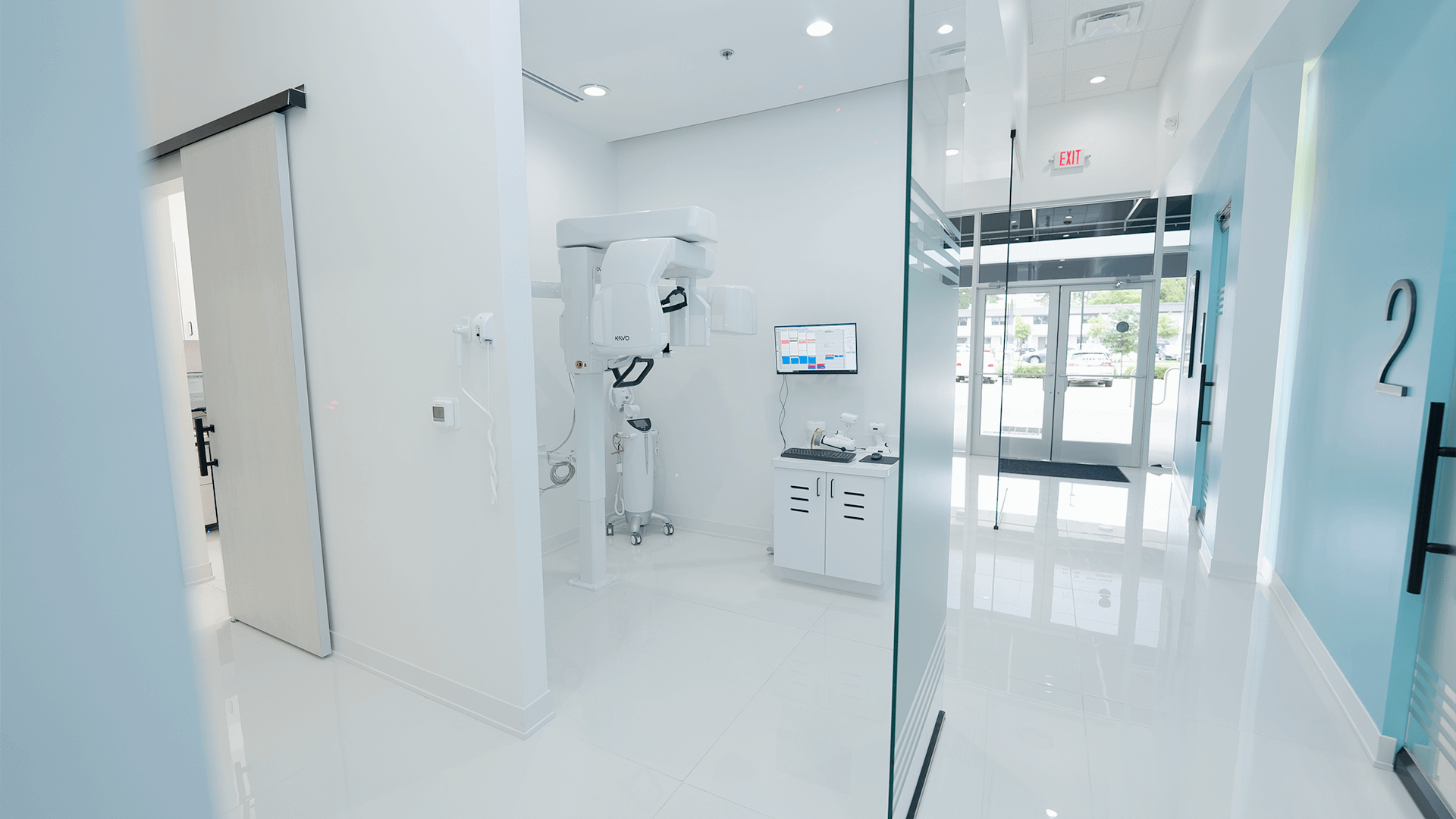
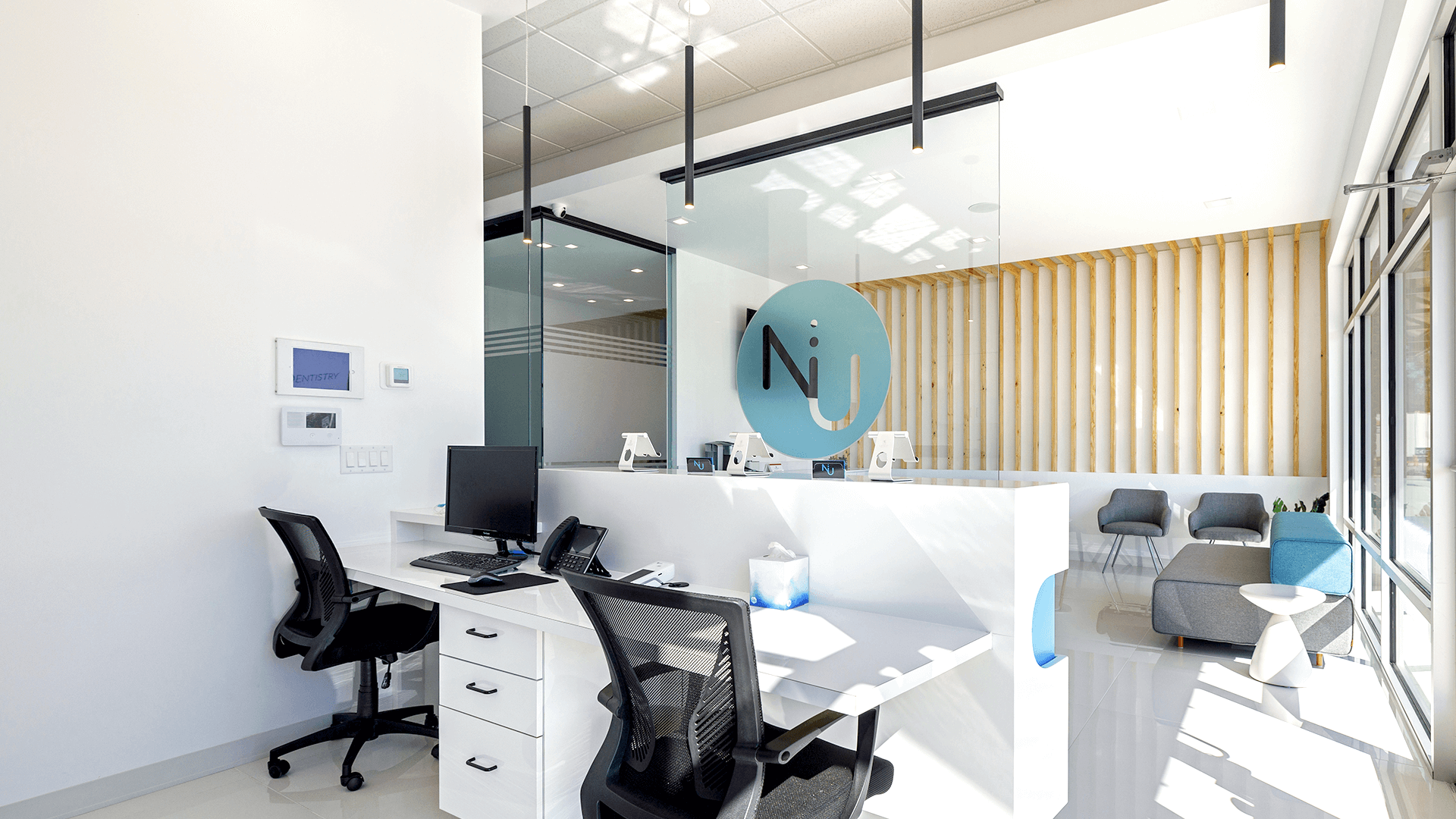
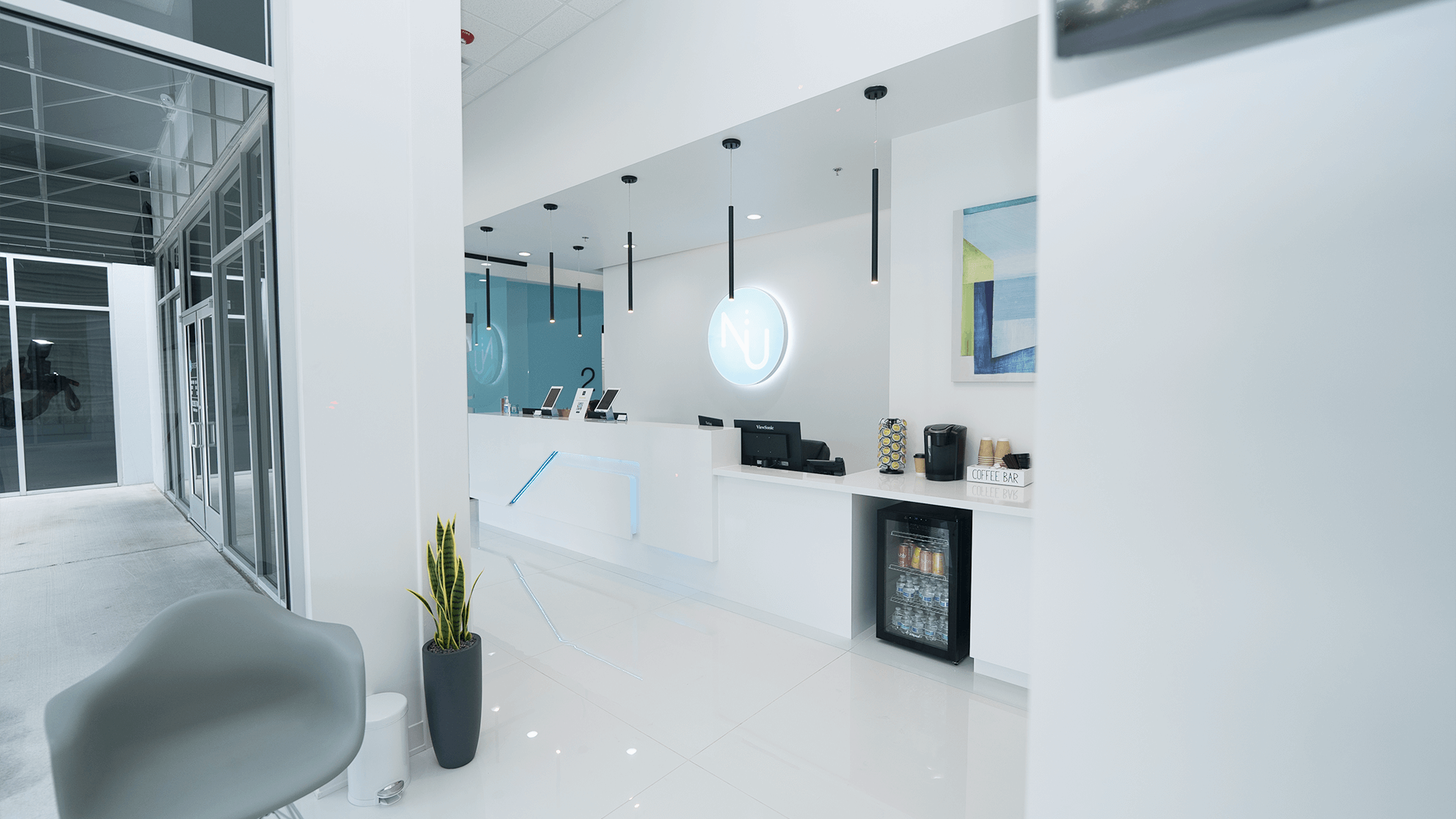
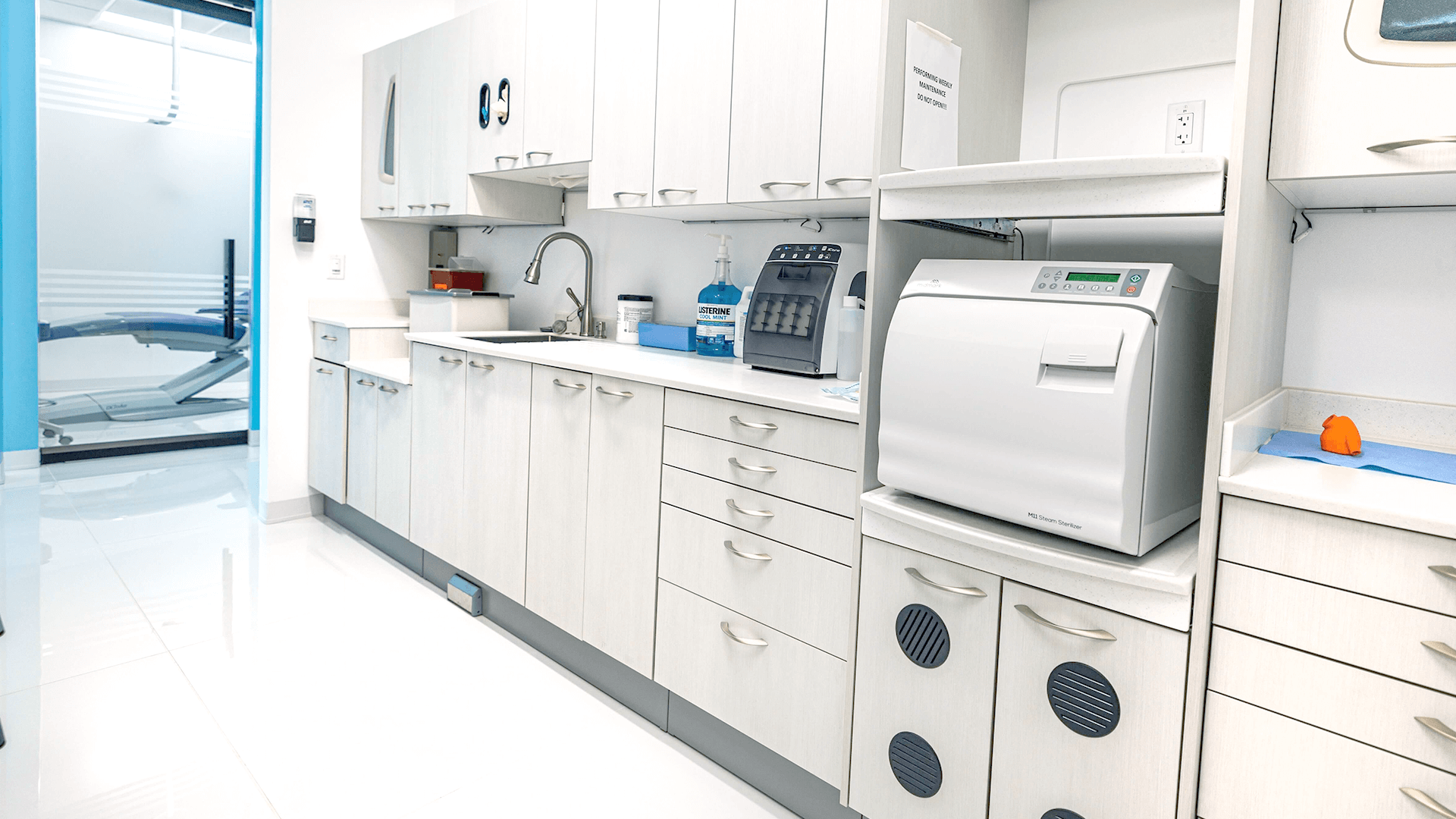
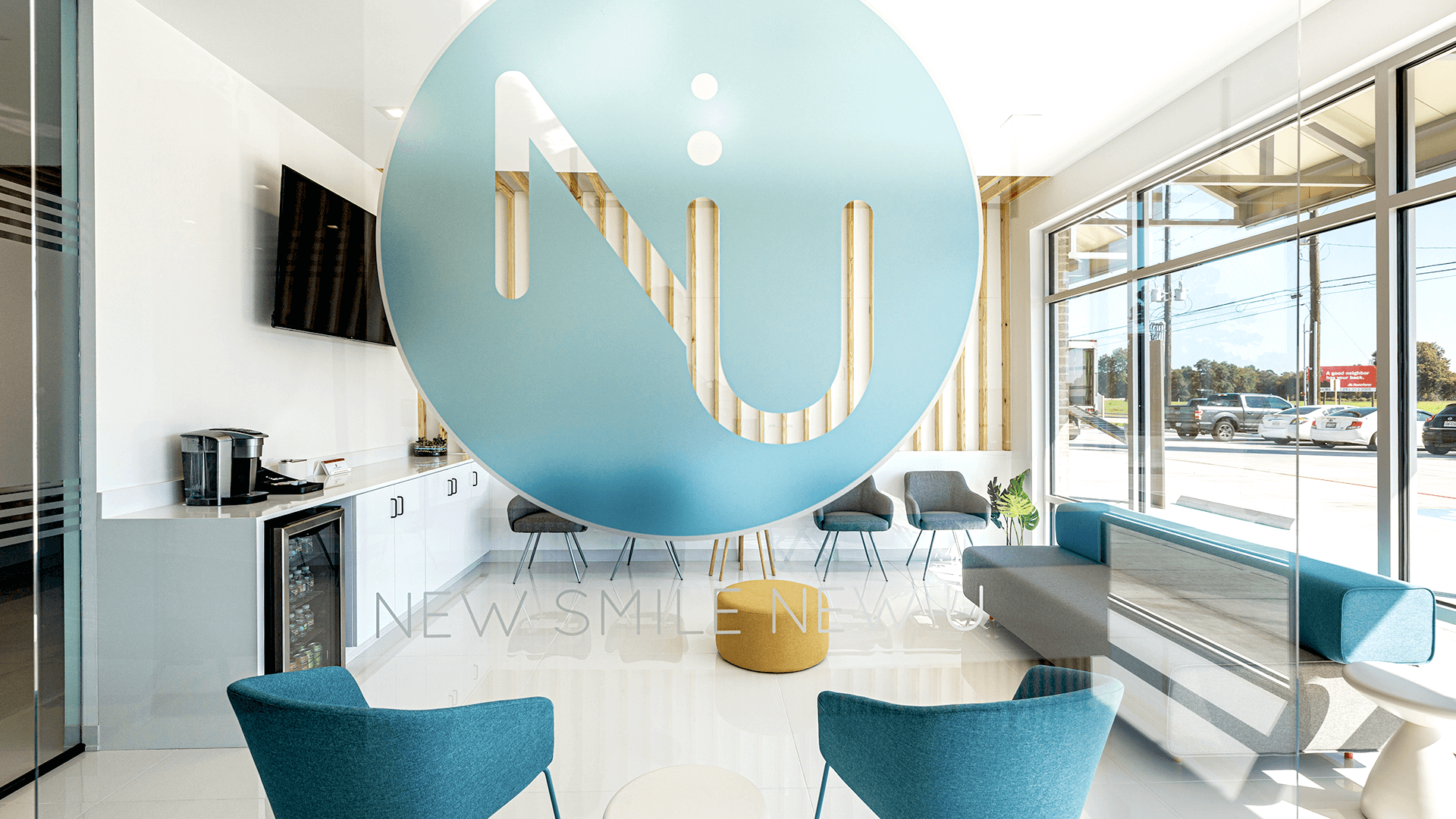
See what a visit to our modern, state-of-the-art dentist office is like!





Monday 9am - 6pm
Wednesday 9am - 6pm
Friday 9am - 6pm
Saturday 9am - 3pm
Check out what our patients are saying in Houston, TX


“Never Thought I'd Say It”
I never thought I’d say it, but going to the dentist is actually fun now. I recently came in for a root canal, and I got to sit back and catch up on Stranger Things without any pain!

“Anxiety Has Kept Me Away ”
I usually have such huge anxiety when I go to a dentist appointment, which means I always put off visits until the last minute to disastrous consequences. However, Dr. Loggins helped me with sedation, so the entire process was a breeze!

“The Best Dentist In Houston, TX”
We have been looking for a family dentist for a long time, we have tried a bunch of places but nothing felt quite like home. Not too long ago we stumbled upon Nu Dentistry and met Dr. Ali. Not only was he professional, kind, and gentle, but he always finds a way to fit us in when we need an appointment. He’s also pretty funny! I appreciate that he takes the time to explain what he’s doing, before he does it. That really puts me at ease.
“Never Thought I'd Say It”
I never thought I’d say it, but going to the dentist is actually fun now. I recently came in for a root canal, and I got to sit back and catch up on Stranger Things without any pain!
“Anxiety Has Kept Me Away ”
I usually have such huge anxiety when I go to a dentist appointment, which means I always put off visits until the last minute to disastrous consequences. However, Dr. Loggins helped me with sedation, so the entire process was a breeze!
We are proud members of these dental organizations and accreditations








We are dedicated to providing you with only the best quality dental care