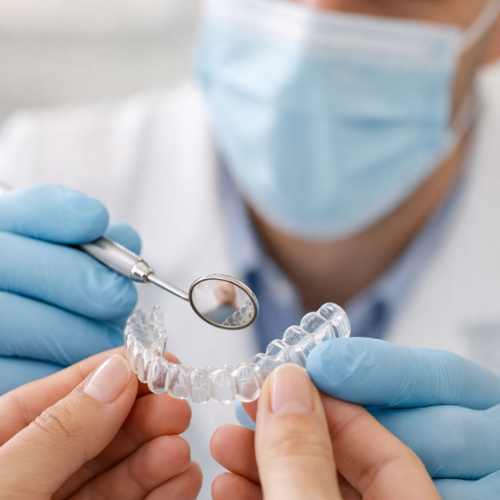
Why Your Invisalign Trays Aren't Fitting — and What to Do About It
Invisalign trays not fitting right in Houston? Learn about gaps, tracking, and refinements from Nu Dentistry Garden Oaks. Get answers today.
Read More
Orthodontic treatment is a significant decision, and timing plays a crucial role in its success. Many patients and parents have questions about when to start the process, how long it will take, and what factors determine the timing. Here, we address the three most asked questions about the timing of braces to help you make an informed choice.
One of the most frequently asked questions by parents is about the best age for their child to start orthodontic treatment. The answer can vary depending on the child’s individual dental development, but there are some general guidelines that can help you determine the right timing.
Early Evaluation: Why Age 7?
The American Association of Orthodontists (AAO) recommends that children have their first orthodontic evaluation by the age of 7. This might seem early, especially since most children still have many of their baby teeth at this age. However, this initial assessment is crucial because it allows the orthodontist to detect any potential issues with the growth of the jaw, the alignment of the teeth, and the relationship between the upper and lower jaws.
At this stage, the orthodontist can identify problems such as crossbites, crowding, or excessive spacing that might not be immediately apparent. Catching these issues early gives the orthodontist the opportunity to plan for timely intervention, which can sometimes prevent more serious problems from developing. For example, early treatment might involve using a palatal expander to widen the upper jaw, which can create more space for teeth and prevent the need for tooth extractions later.
The Prime Time for Braces: Ages 9 to 14
While the initial evaluation is recommended at age 7, the ideal age for starting braces typically falls between 9 and 14. During this period, most children have lost the majority of their baby teeth, and their permanent teeth are beginning to come in. This is also a time when the jaw is still growing, which can be an advantage in orthodontic treatment.
Starting braces during this window allows the orthodontist to guide the teeth into their correct positions as they emerge, while also influencing the growth of the jaw to correct bite issues. For example, if a child has an overbite or underbite, braces can help to gradually correct these problems as the jaw grows. Additionally, treating crowded or crooked teeth during this phase can prevent them from becoming more problematic in adulthood.
Braces Aren’t Just for Kids: Orthodontics for All Ages
It’s important to remember that braces aren’t just for children and teenagers. Orthodontic treatment is becoming increasingly popular among adults, and advances in technology have made it easier and more convenient than ever for people of all ages to improve their smiles. Whether you missed out on braces as a child or your teeth have shifted over time, there’s no age limit for seeking orthodontic care.
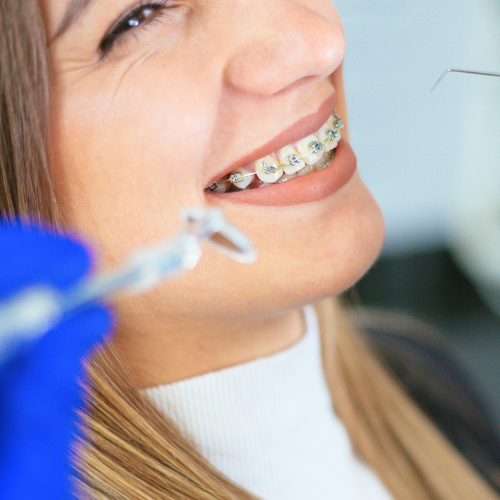
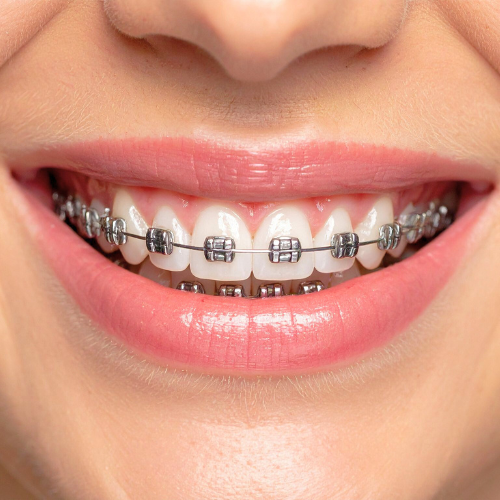
For adults, the timing of braces can be influenced by different factors compared to children. Adults may have more complex dental issues due to aging, such as bone loss, gum disease, or missing teeth, which can affect the treatment plan. However, modern orthodontic options like clear aligners, ceramic braces, and lingual braces (which are placed on the back of the teeth) offer discreet alternatives to traditional metal braces, making them more appealing for adult patients.
Moreover, adults often have the added benefit of being more motivated to follow the treatment plan, which can lead to better results. Although the jaw is no longer growing in adults, orthodontic treatment can still effectively move teeth into the desired position, improving both function and appearance.
The duration of orthodontic treatment varies depending on the complexity of the case, the type of braces used, and the patient's age. On average, braces are worn for about 18 to 24 months.
For minor corrections, treatment may be as short as 6 months, while more complex cases can take up to 3 years. Consistency in wearing retainers post-treatment is also essential to maintain results and prevent teeth from shifting back to their original positions. Regular follow-up appointments with your orthodontist ensure that everything is progressing as planned.
Timing is crucial when it comes to orthodontic treatment, and several factors can influence the best time to get braces. Understanding these factors can help you or your child achieve the best possible outcome. Here’s a closer look at what goes into determining the optimal timing for braces.
1. Growth Spurts: For children and teenagers, growth spurts play a significant role in orthodontic treatment. Orthodontists often aim to time braces with these periods of rapid growth, typically occurring during the pre-teen and early teenage years. When braces are applied during a growth spurt, the movement of teeth can be more effective because the bones and tissues in the jaw are more malleable. This can result in a shorter treatment time and more stable results. Additionally, correcting bite issues during growth spurts can help guide jaw development, potentially avoiding the need for more invasive treatments later on.
2. Oral Health: Before beginning any orthodontic treatment, it's essential to ensure that the patient’s oral health is in top condition. Braces can create additional challenges for maintaining oral hygiene, as they make it more difficult to clean teeth and gums thoroughly. Therefore, any existing dental issues, such as cavities, gum disease, or tooth decay, should be addressed prior to getting braces. A healthy oral environment provides a strong foundation for orthodontic treatment, reducing the risk of complications and ensuring that the teeth and gums can withstand the pressure exerted by braces. Regular dental check-ups and cleanings are recommended throughout the treatment to maintain optimal oral health.
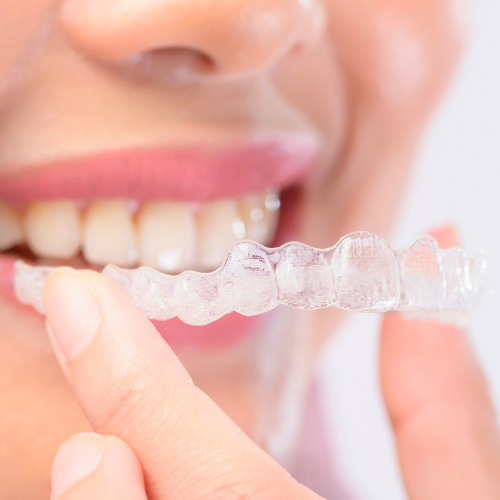
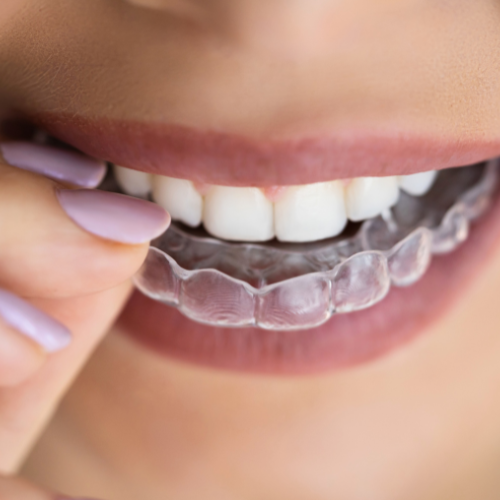
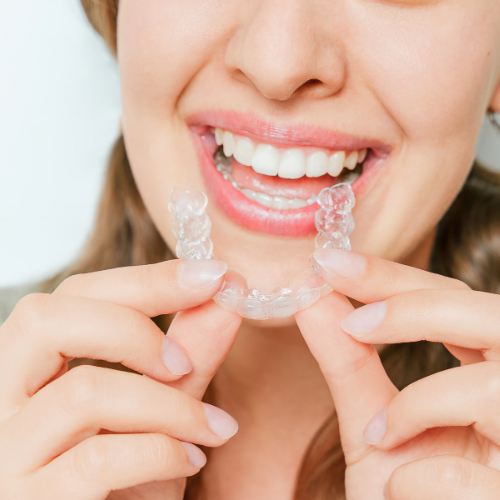
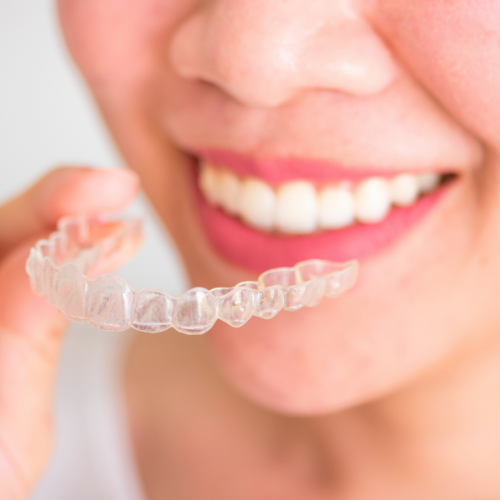
3. Personal Preferences: Personal preferences and lifestyle considerations also play a role in determining the timing and type of braces. For instance, some patients, especially adults, may prefer clear aligners like Invisalign over traditional metal braces due to their discreet appearance. Clear aligners are removable, making them more convenient for eating, brushing, and flossing, which can be an attractive option for individuals with busy lifestyles or who are concerned about the aesthetics of braces. However, clear aligners require a high level of discipline, as they need to be worn for at least 22 hours a day to be effective. Patients who are not committed to this regimen may find traditional braces to be a more suitable option.
4. Severity of the Orthodontic Issue: The complexity and severity of the orthodontic issue also significantly impact the timing of braces. For instance, cases involving severe crowding, overbites, underbites, or jaw misalignments may require more immediate intervention to prevent further complications. Early treatment can often simplify the overall process and may even shorten the duration of wearing braces. On the other hand, mild cases might allow for more flexibility in timing, giving patients and orthodontists the option to plan treatment around important life events or activities.
5. Patient’s Commitment and Lifestyle: The patient’s commitment to the treatment process is another key factor. Orthodontic treatment requires regular appointments, proper care of the braces, and adherence to the orthodontist's instructions. For example, if a teenager is highly involved in sports or activities where mouth injuries are common, the timing and type of braces may need to be adjusted to accommodate these factors. Similarly, adults with demanding work schedules or frequent travel may need to plan their treatment timeline around their availability for appointments and their ability to maintain proper care routines.
Each patient's situation is unique, and the decision on when to start braces should be made in consultation with an experienced orthodontist. By carefully considering these factors, your orthodontist can create a personalized treatment plan that aligns with your specific needs and goals, ensuring the best possible outcome for your smile.
Choosing the right time to get braces is a critical step in achieving a healthy, beautiful smile. Whether you're considering braces for your child or yourself, our expert orthodontists are here to guide you every step of the way. Schedule an appointment today to learn more about your options and take the first step toward a confident smile!
Fresh news from the dental world


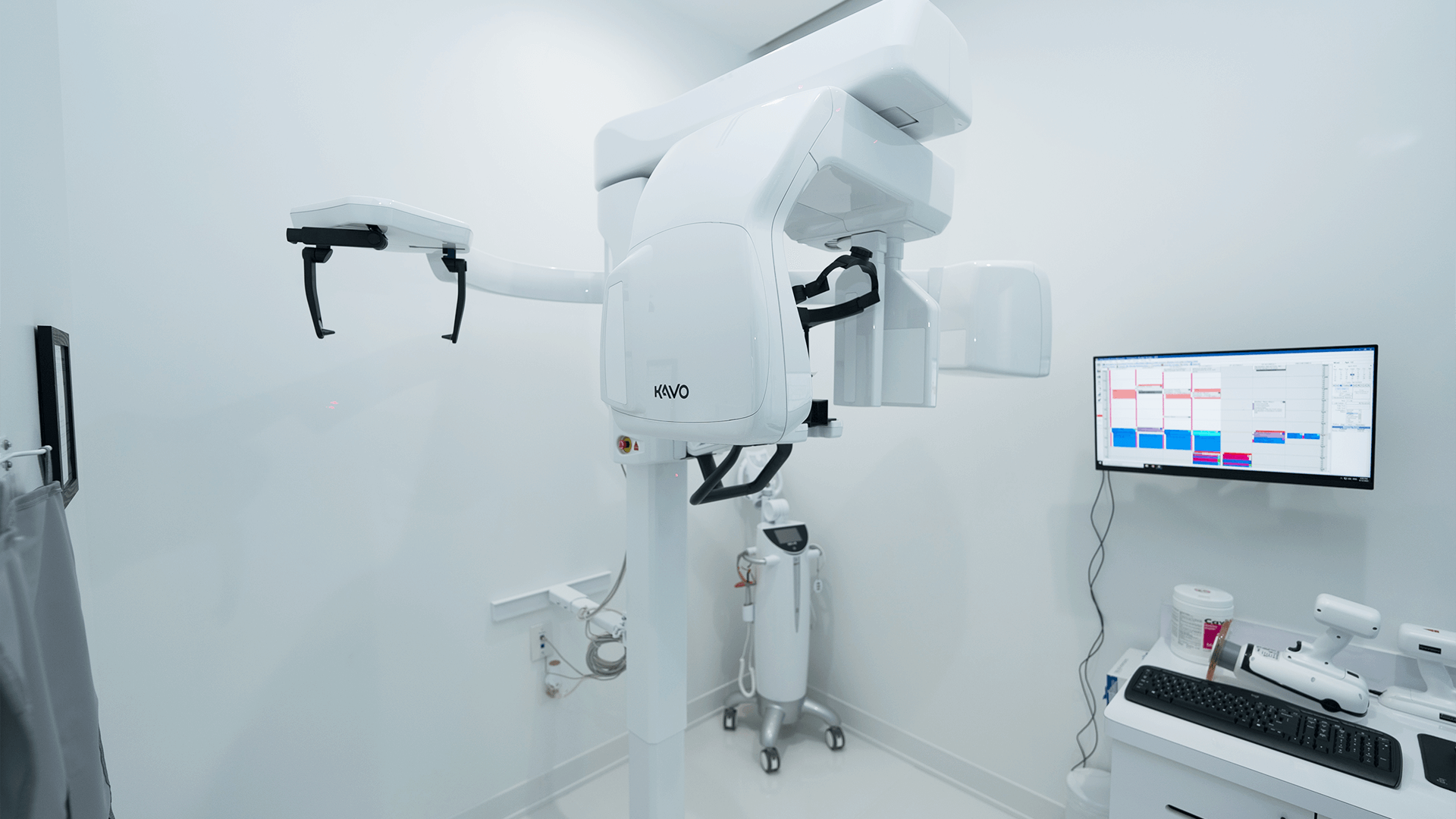
See what a visit to our modern, state-of-the-art dentist office is like!























Monday 9am - 6pm
Wednesday 9am - 6pm
Friday 9am - 6pm
Saturday 9am - 3pm
Check out what our patients are saying in Houston, TX


“Never Thought I'd Say It”
I never thought I’d say it, but going to the dentist is actually fun now. I recently came in for a root canal, and I got to sit back and catch up on Stranger Things without any pain!

“Anxiety Has Kept Me Away ”
I usually have such huge anxiety when I go to a dentist appointment, which means I always put off visits until the last minute to disastrous consequences. However, Dr. Loggins helped me with sedation, so the entire process was a breeze!

“The Best Dentist In Houston, TX”
We have been looking for a family dentist for a long time, we have tried a bunch of places but nothing felt quite like home. Not too long ago we stumbled upon Nu Dentistry and met Dr. Ali. Not only was he professional, kind, and gentle, but he always finds a way to fit us in when we need an appointment. He’s also pretty funny! I appreciate that he takes the time to explain what he’s doing, before he does it. That really puts me at ease.
“Never Thought I'd Say It”
I never thought I’d say it, but going to the dentist is actually fun now. I recently came in for a root canal, and I got to sit back and catch up on Stranger Things without any pain!
“Anxiety Has Kept Me Away ”
I usually have such huge anxiety when I go to a dentist appointment, which means I always put off visits until the last minute to disastrous consequences. However, Dr. Loggins helped me with sedation, so the entire process was a breeze!
We are proud members of these dental organizations and accreditations








We are dedicated to providing you with only the best quality dental care