Ceramic vs. Metal Braces: Which One Actually Hurts More?
Wondering if ceramic or metal braces hurt more? Compare discomfort levels, pros, and cons to find the best fit. Schedule your orthodontic visit today!
Read More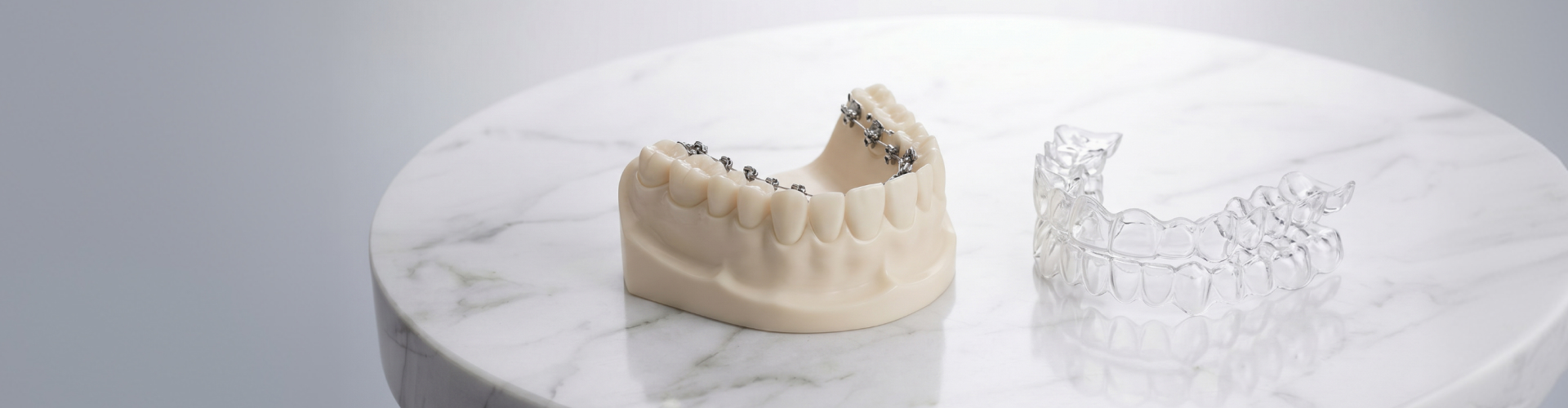
Medically Reviewed by Dr. Ali Tameemi
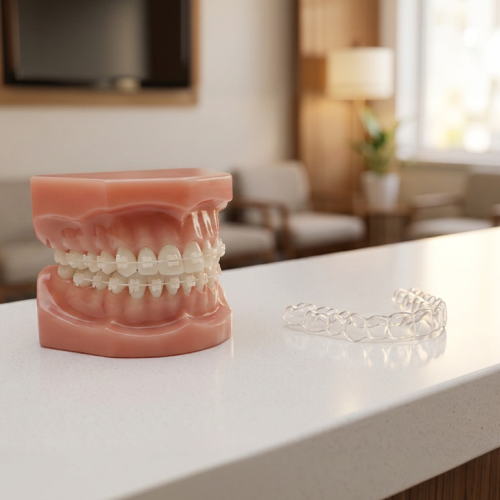
Both lingual braces and Invisalign straighten teeth effectively, but neither is universally "better" — the right choice depends on your case complexity, lifestyle habits, and how much visibility matters. This guide breaks down the real differences, including some surprises most patients don't discover until after treatment starts.
Most people assume Invisalign is the invisible choice. For Houston-area patients, this is largely true for simple cases. For complex cases, it's a different story.
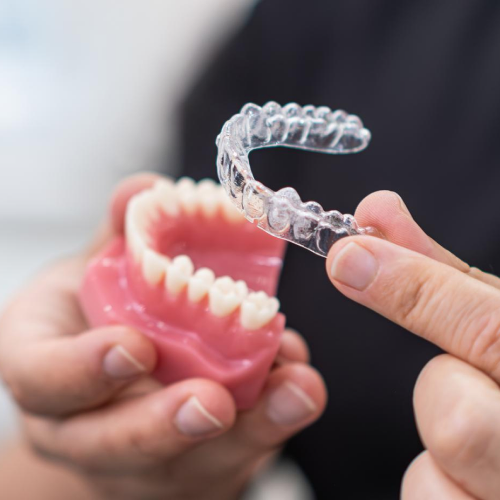
Invisalign frequently requires "attachments" — small, tooth-colored composite bumps bonded to the front surfaces of your teeth. These give the trays the grip needed to execute more demanding tooth movements. A patient correcting significant rotation or torque issues might end up with 10 or more attachments across their front teeth. At that point, the treatment is far more visible than the marketing suggests.
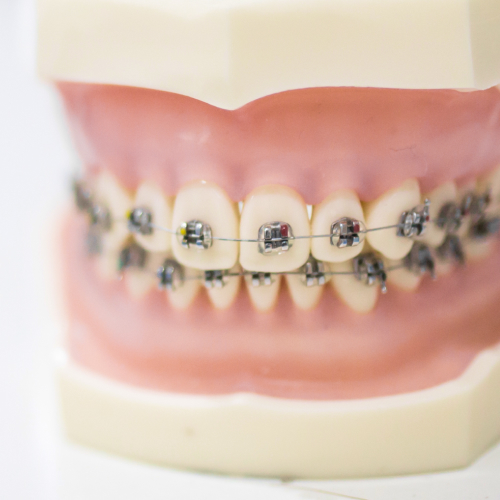
Lingual braces, by contrast, are bonded entirely to the back surfaces of your teeth. No hardware appears on the front — period. According to WebMD, the brackets, wires, and bands are all mounted on the tongue side of the teeth, making them undetectable unless you open your mouth wide. For professionals in high-visibility roles — public speakers, broadcast journalists, performers — lingual braces offer a guarantee that Invisalign simply cannot match in complex cases.
There's also a staining consideration that rarely gets discussed. Invisalign attachments are made from porous composite resin. Heavy coffee drinkers, red wine enthusiasts, and nicotine users often find these attachments absorb staining permanently, making teeth look discolored even when the trays are removed. Professional polishing can help, but the problem recurs with continued exposure. With lingual braces, any discoloration on the brackets or adhesive stays hidden behind the teeth, making them a quieter option for patients who aren't willing to overhaul their daily habits during treatment.
Both treatments affect speech, but they do so through entirely different mechanisms — and the recovery timelines are very different.
Invisalign trays add a thin layer of plastic over the biting edges of your front teeth. This slightly changes the position of your tongue against the incisors, most noticeably affecting "S" and "Z" sounds. For most patients, this lisp is mild and resolves within 48 to 72 hours as the tongue adapts. If you have a job interview or presentation in a week, Invisalign's speech disruption is manageable.
Lingual braces physically occupy the space between the tongue and the back of the teeth. The tongue must relearn how to reach its contact points for sounds like "Th," "L," and "N." This adaptation typically takes two to four weeks. Research published in PMC confirms that lingual appliance patients consistently report greater speech difficulty than labial or clear aligner patients, particularly in the early weeks of treatment.
The practical takeaway: if you have a wedding toast, keynote speech, or court appearance within the first month, Invisalign's faster speech adaptation makes it the lower-risk option. If your calendar is clear for the next month, lingual braces' permanent invisibility may be worth the temporary adjustment period.
On pure tooth-moving effectiveness, traditional dental braces — including lingual systems — have historically held an edge for complex malocclusions. However, the gap has narrowed considerably as Invisalign's technology has matured.
A Healthline overview of Invisalign notes that the system costs between a few and several thousand dollars, comparable to many braces options, with treatment suitability varying significantly by case complexity. Earlier studies showed Invisalign underperforming on buccolingual inclination and occlusal contacts. More recent randomized controlled trials found no statistically significant difference in final occlusal outcomes between aligners and fixed appliances for mild to moderate cases, though braces finished roughly 4.8 months faster in some samples.
For severe malocclusions — significant overbites, complex rotations, large anteroposterior discrepancies — fixed appliances including lingual systems still offer more precise biomechanical control. Lingual braces also carry a specific clinical advantage: a Healthline review of lingual braces notes they are less likely to cause white spot lesions than conventional labial braces, which matters for patients concerned about enamel health during long treatments.
Periodontal health is another area where Invisalign shows a genuine advantage. Because aligners are removable, patients can brush and floss normally. Fixed appliances — whether labial or lingual — make plaque control harder, increasing gum disease risk. Patients who struggle with oral hygiene compliance tend to fare better with clear aligners on this metric.
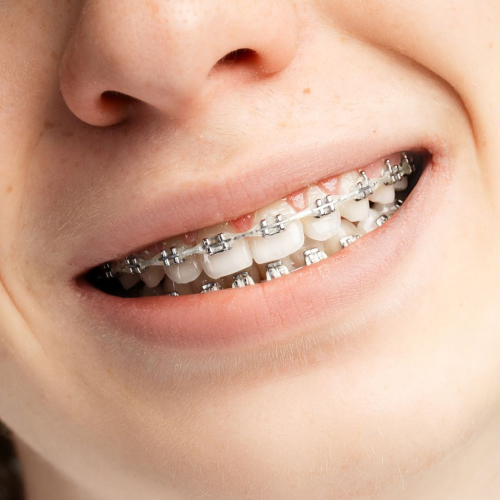
Neither option is painless, but the character of discomfort differs meaningfully. A systematic review from PMC on pain intensity and oral health quality of life found that clear aligner patients generally report lower pain levels, particularly in the initial treatment phase, compared to those with fixed appliances.
Lingual braces can cause tongue irritation and soreness, especially in the first few weeks. The hardware sits exactly where the tongue naturally rests, creating friction that labial braces don't produce. Eating certain foods takes more adjustment. Patients with lingual braces also report longer recovery after activation appointments.
Invisalign discomfort tends to be more predictable — pressure for one to three days after switching to a new tray, then relative comfort until the next change. The removability is a genuine lifestyle advantage: eating is unrestricted, cleaning is straightforward, and social situations feel less conspicuous.
The trade-off is discipline. Aligners must be worn 20 to 22 hours daily to stay on schedule. Patients who remove trays for comfort or forget to reinsert them after meals risk extending treatment significantly. Lingual braces work continuously without any compliance requirement, which for some patients produces more reliable results regardless of motivation level.
Choosing between lingual braces and Invisalign isn't a one-size-fits-all decision — it depends on your bite complexity, your lifestyle, and what "invisible" actually means for your specific case. At Nu Dentistry Garden Oaks, our team serves patients across the Greater Houston area and Garden Oaks with honest, personalized guidance on orthodontic options. Schedule a cleaning and exam consultation and get a clear picture of which treatment will actually work best for you — before you commit.
Medical disclaimer: This article is for informational purposes only and does not constitute professional dental or medical advice. Consult a licensed dental professional for diagnosis and personalized treatment recommendations.
Fresh news from the dental world
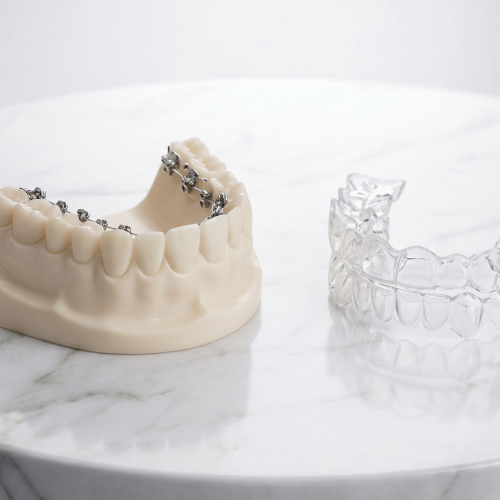
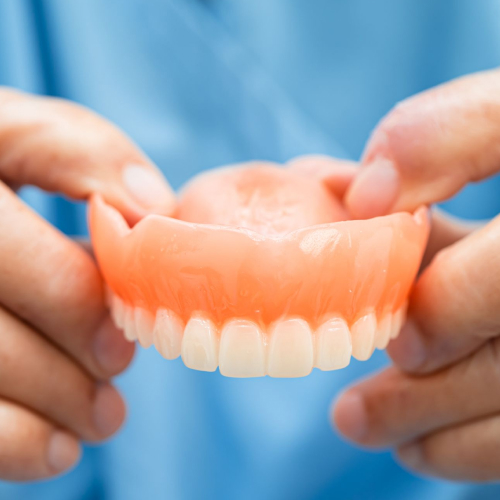
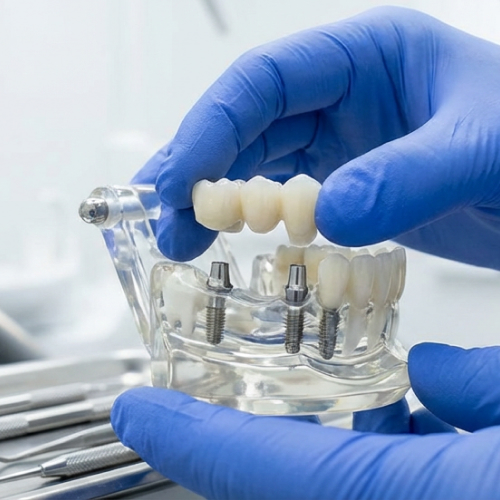
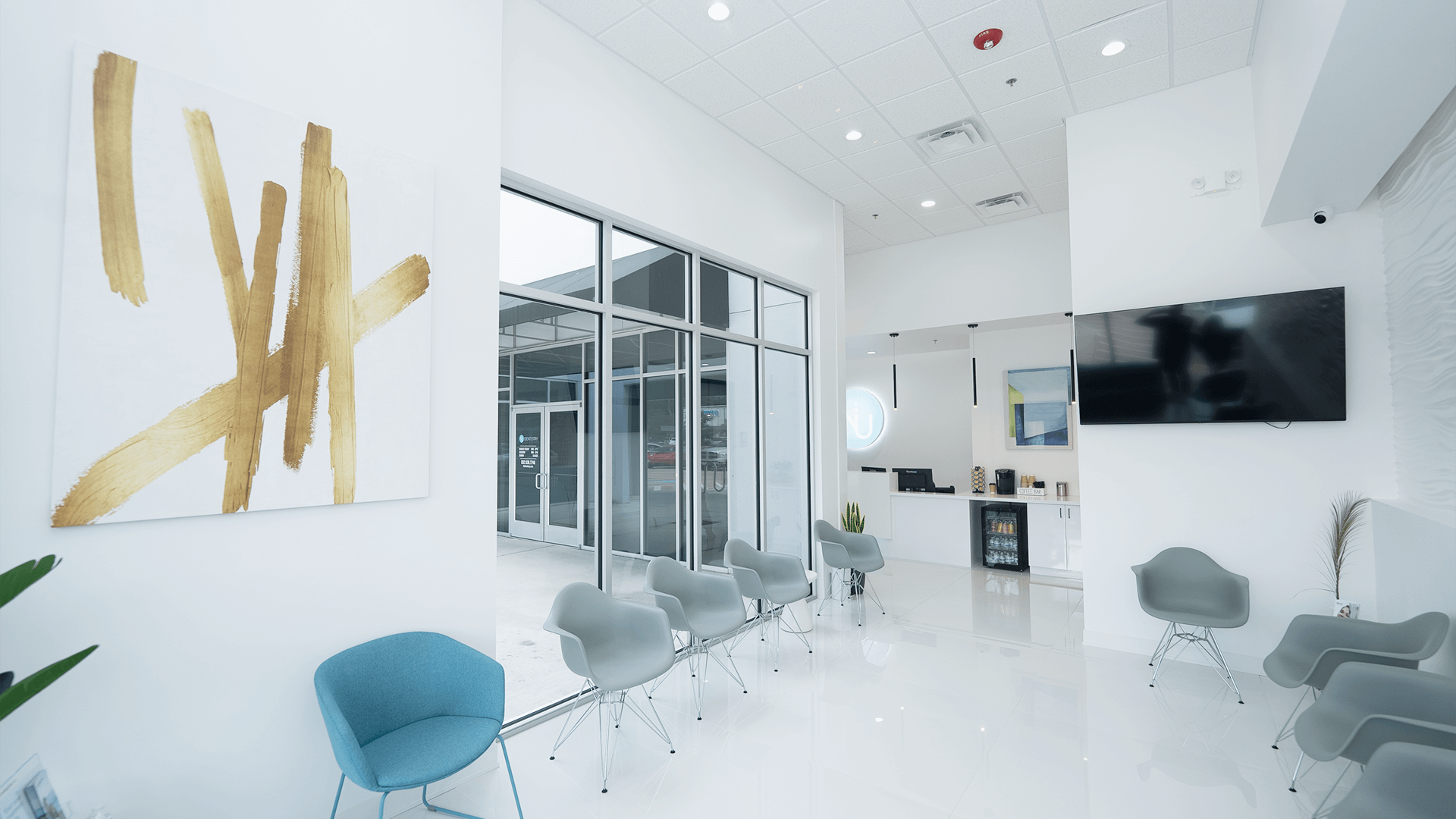
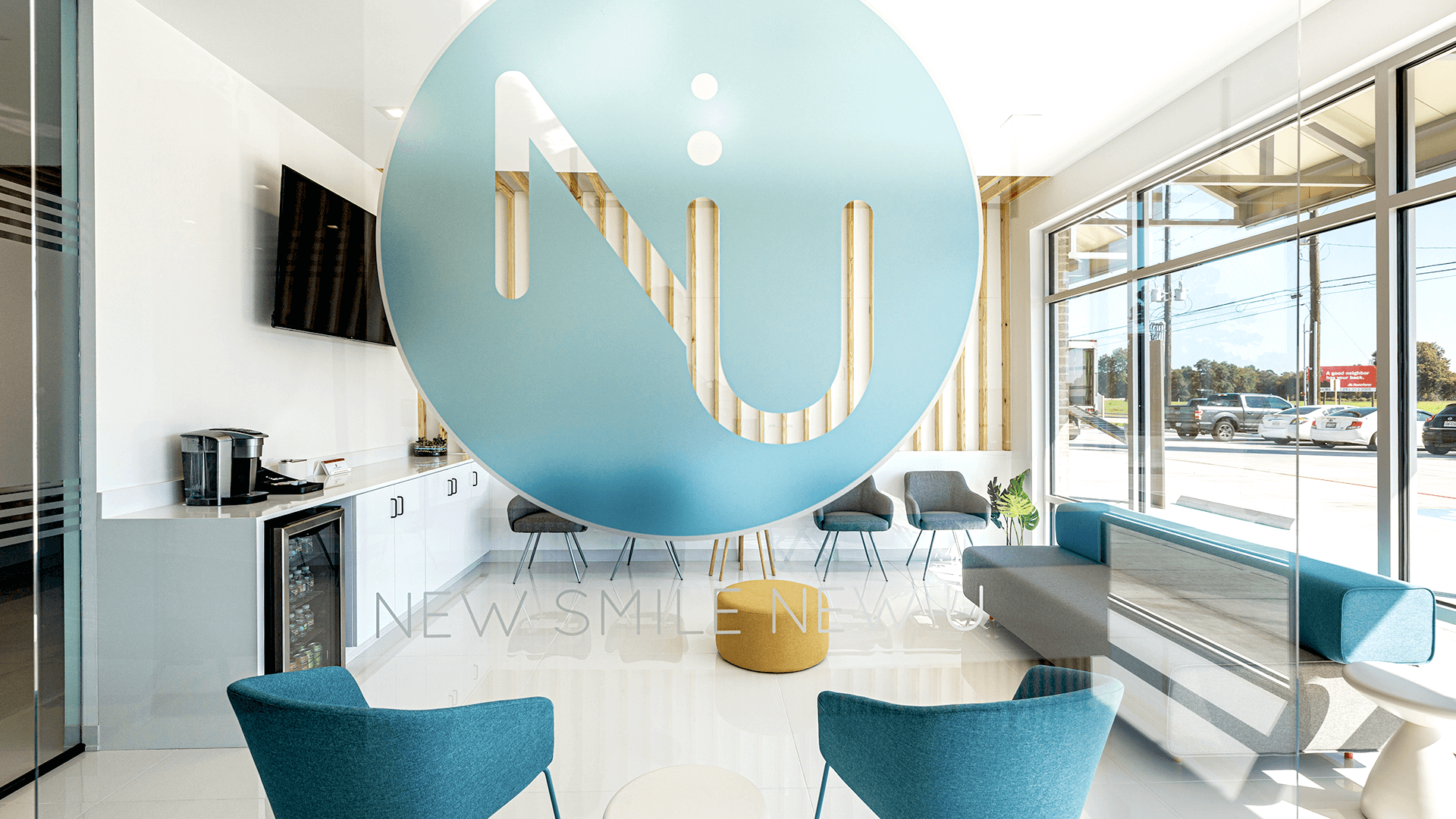
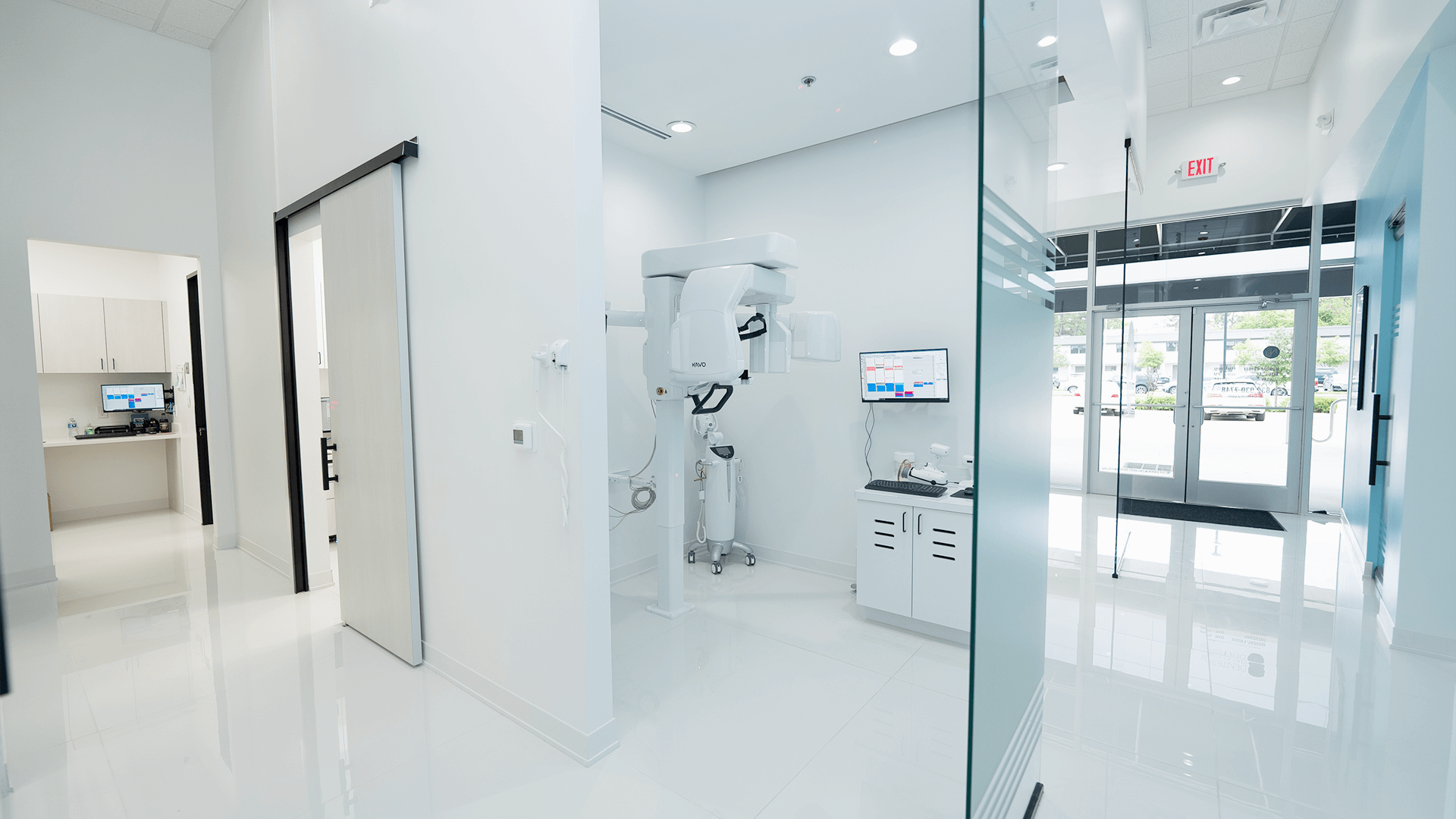
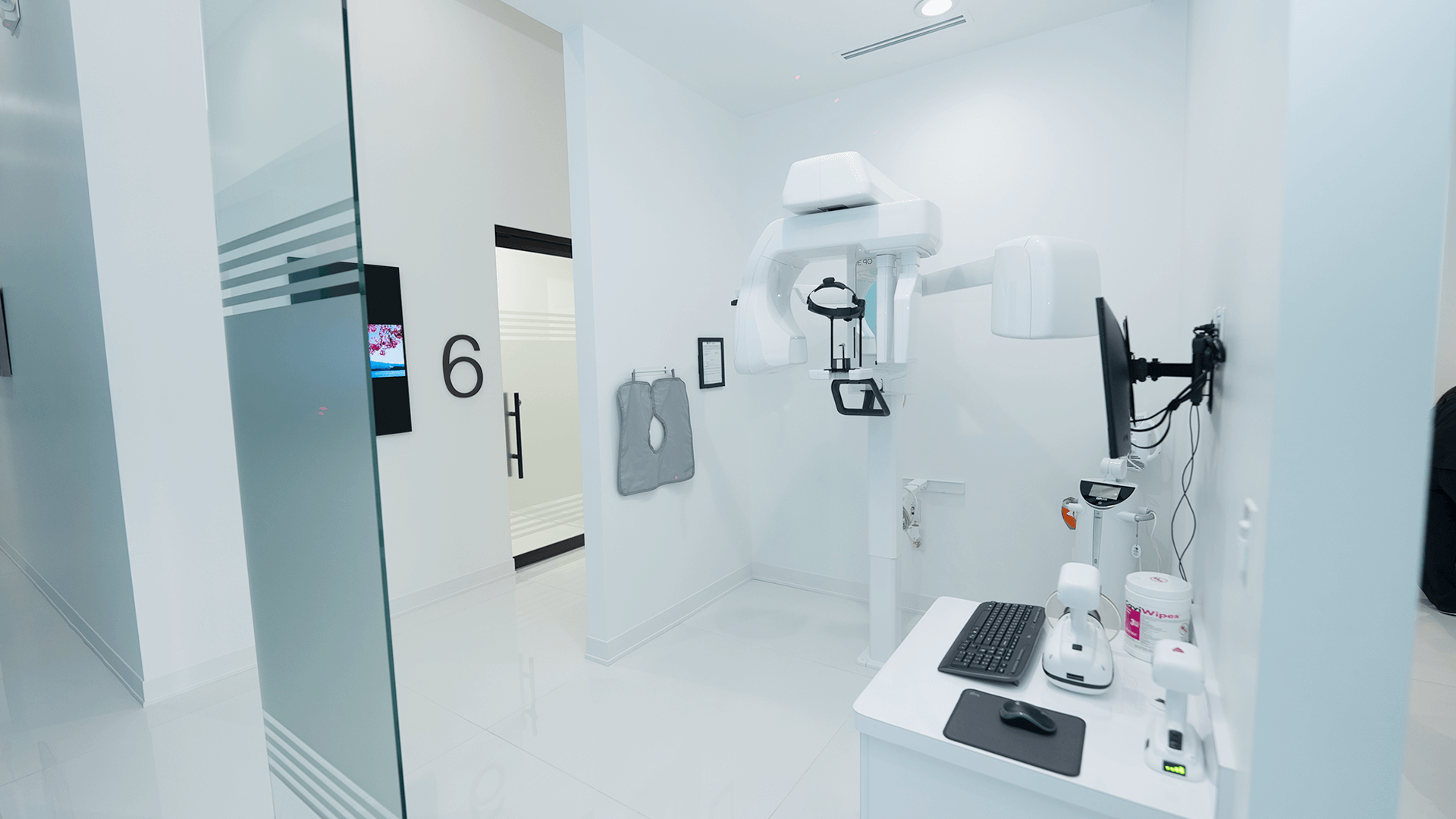
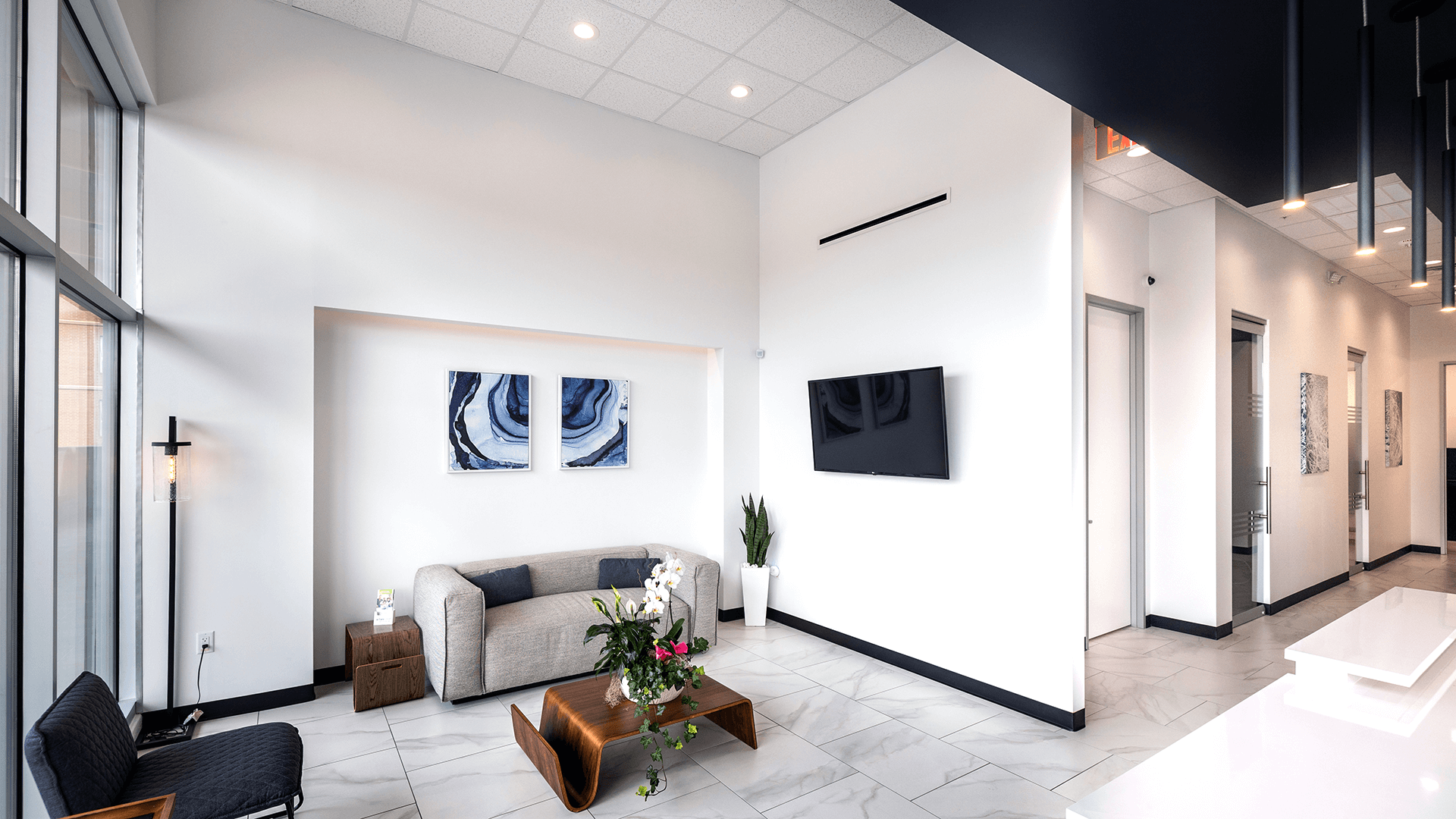
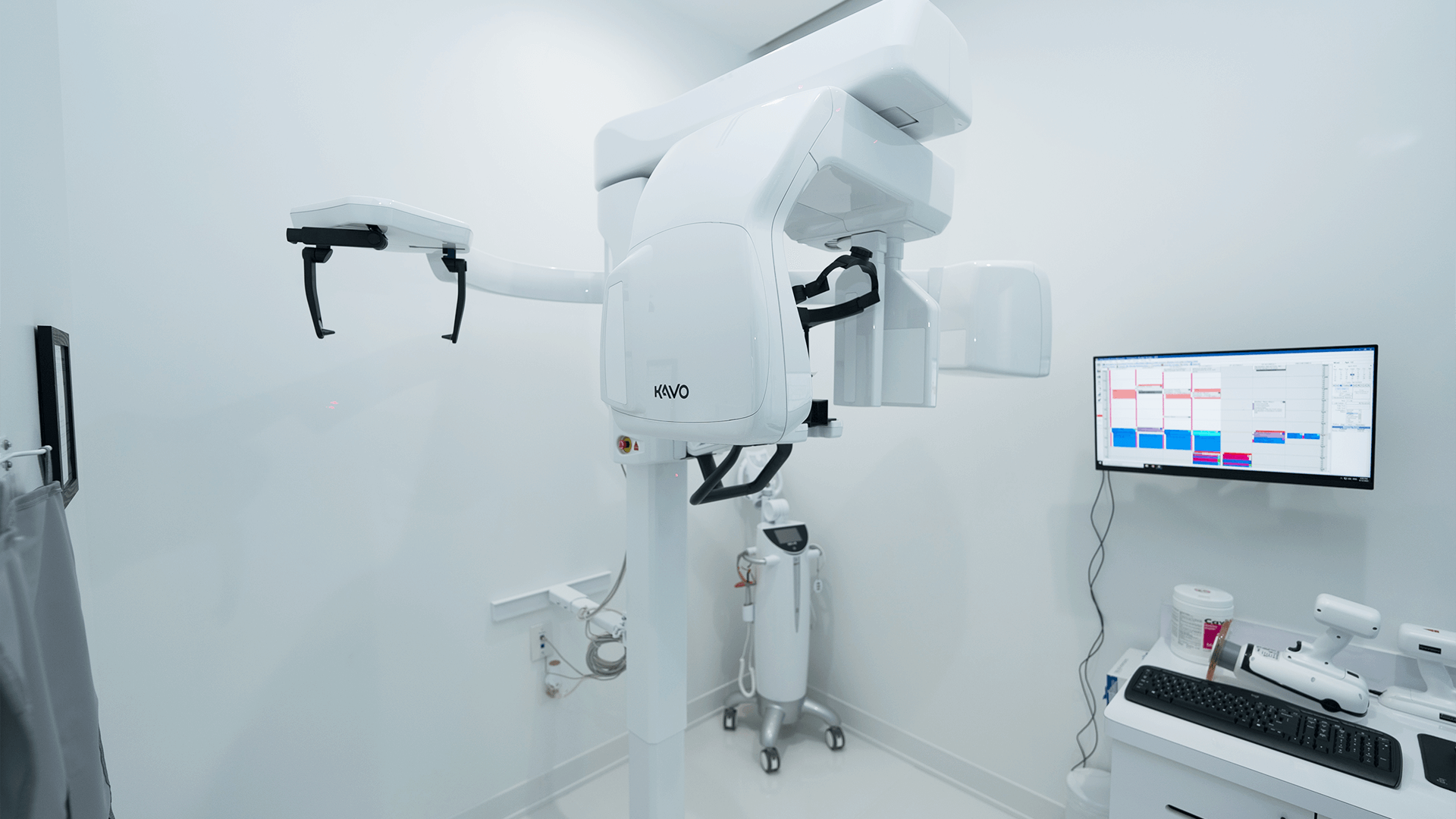
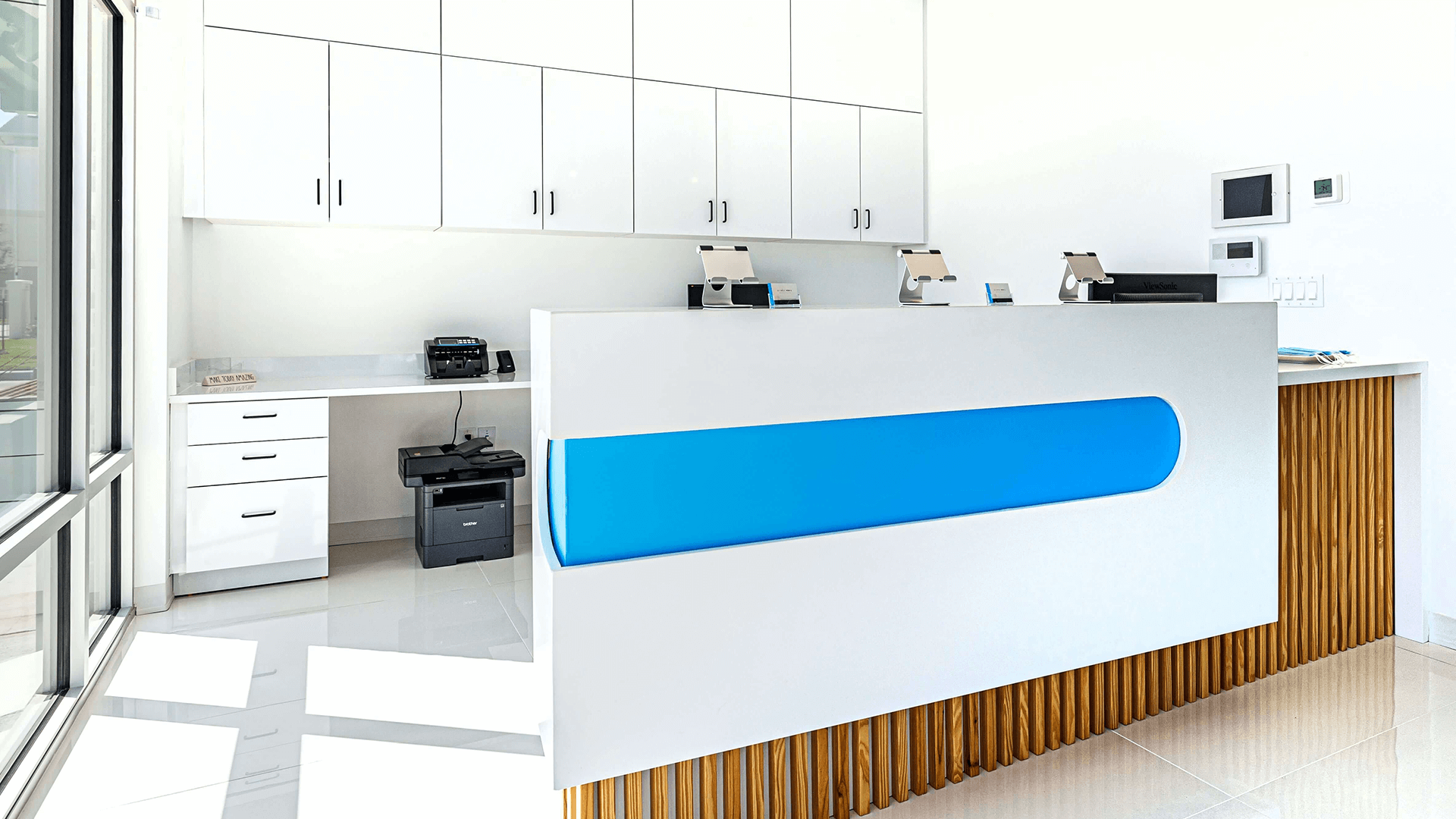
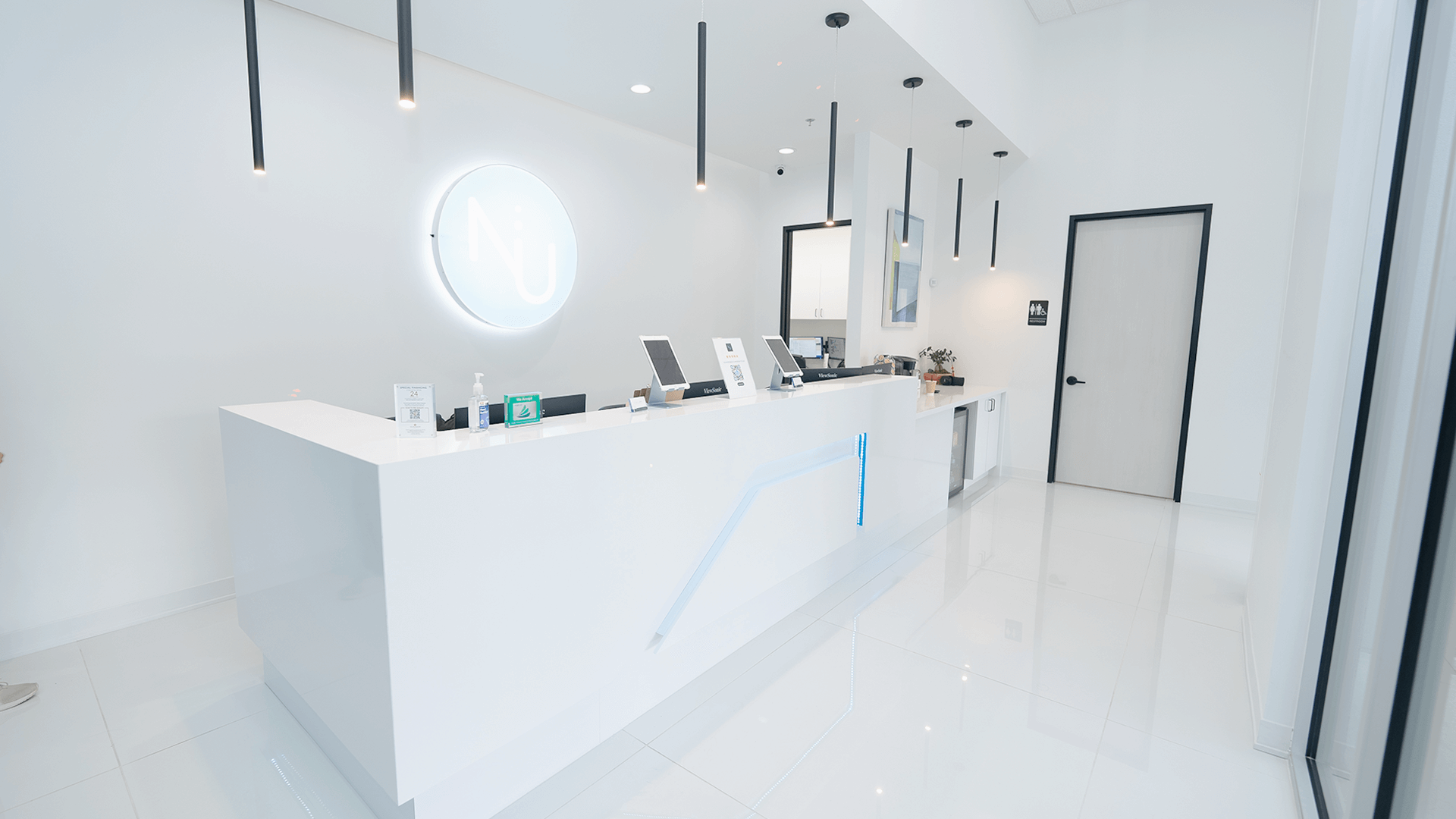
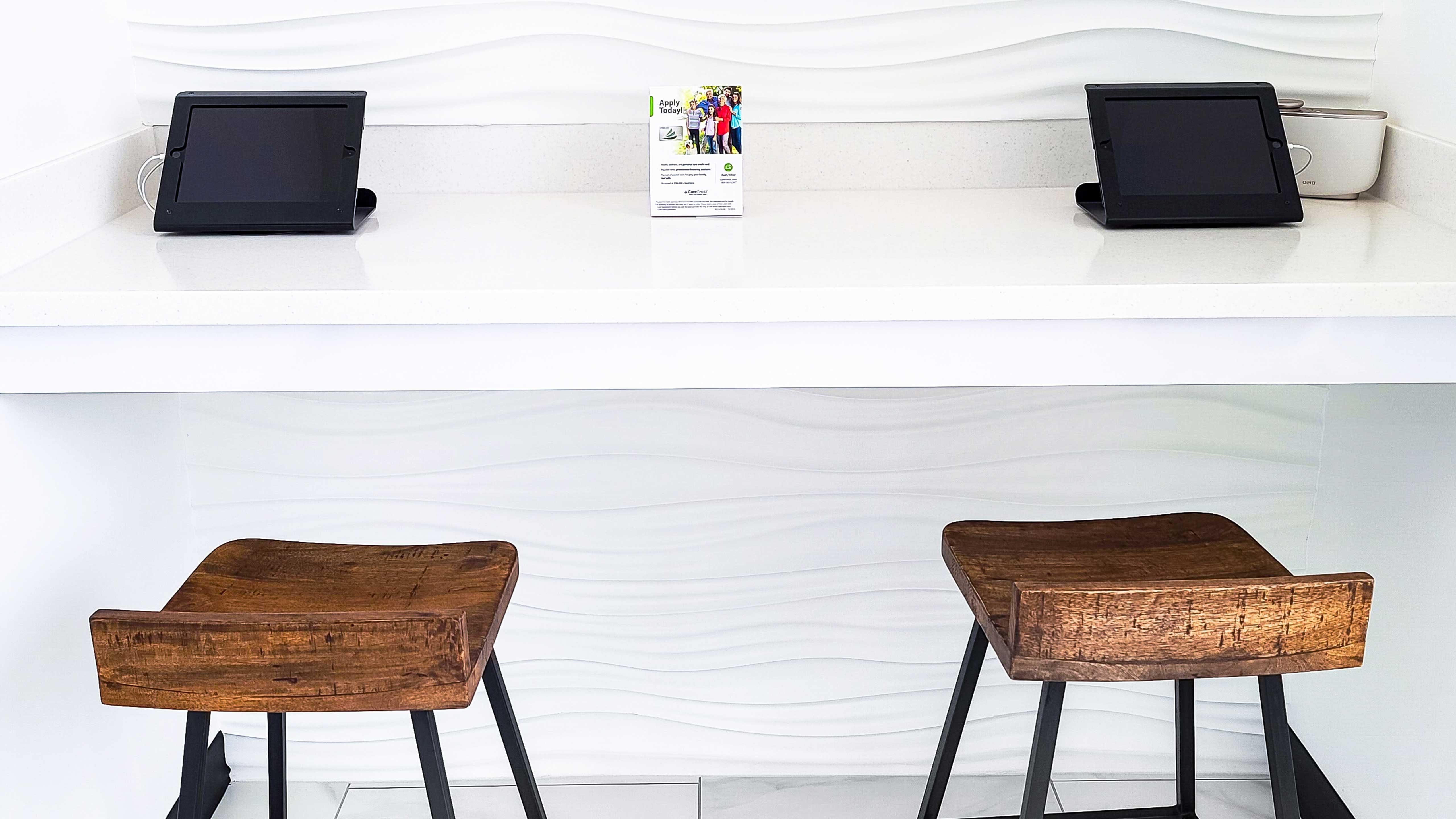
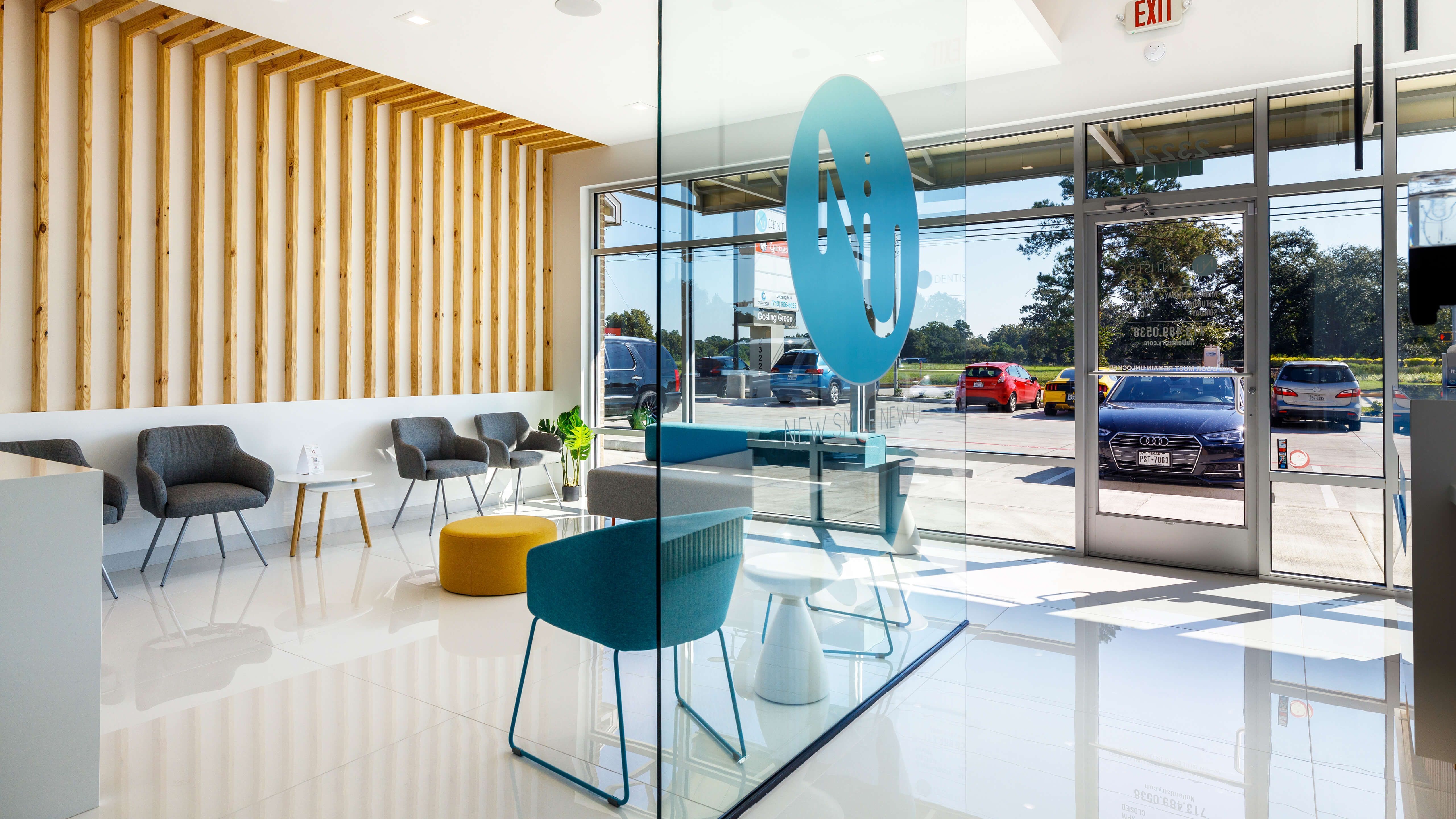
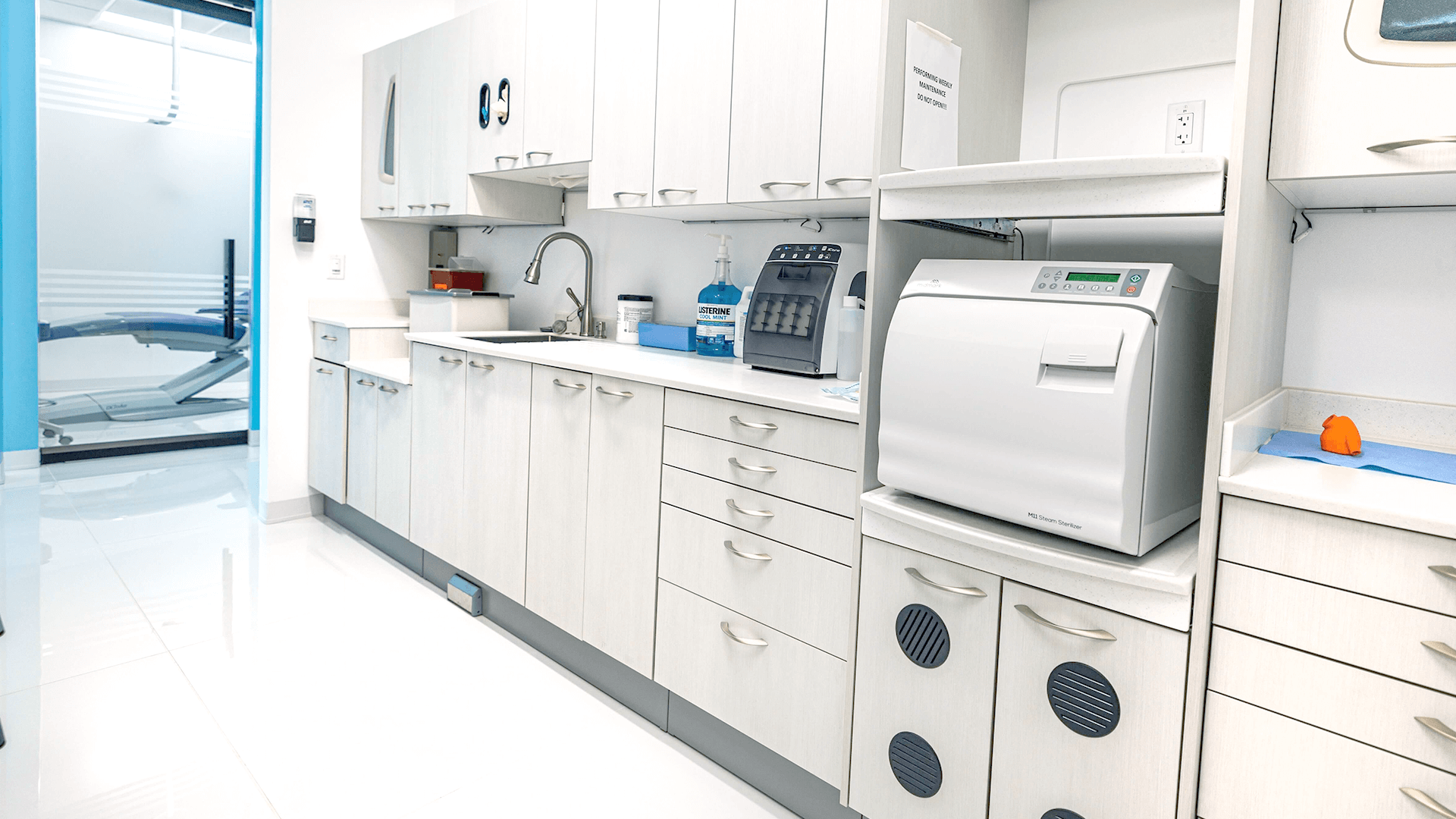
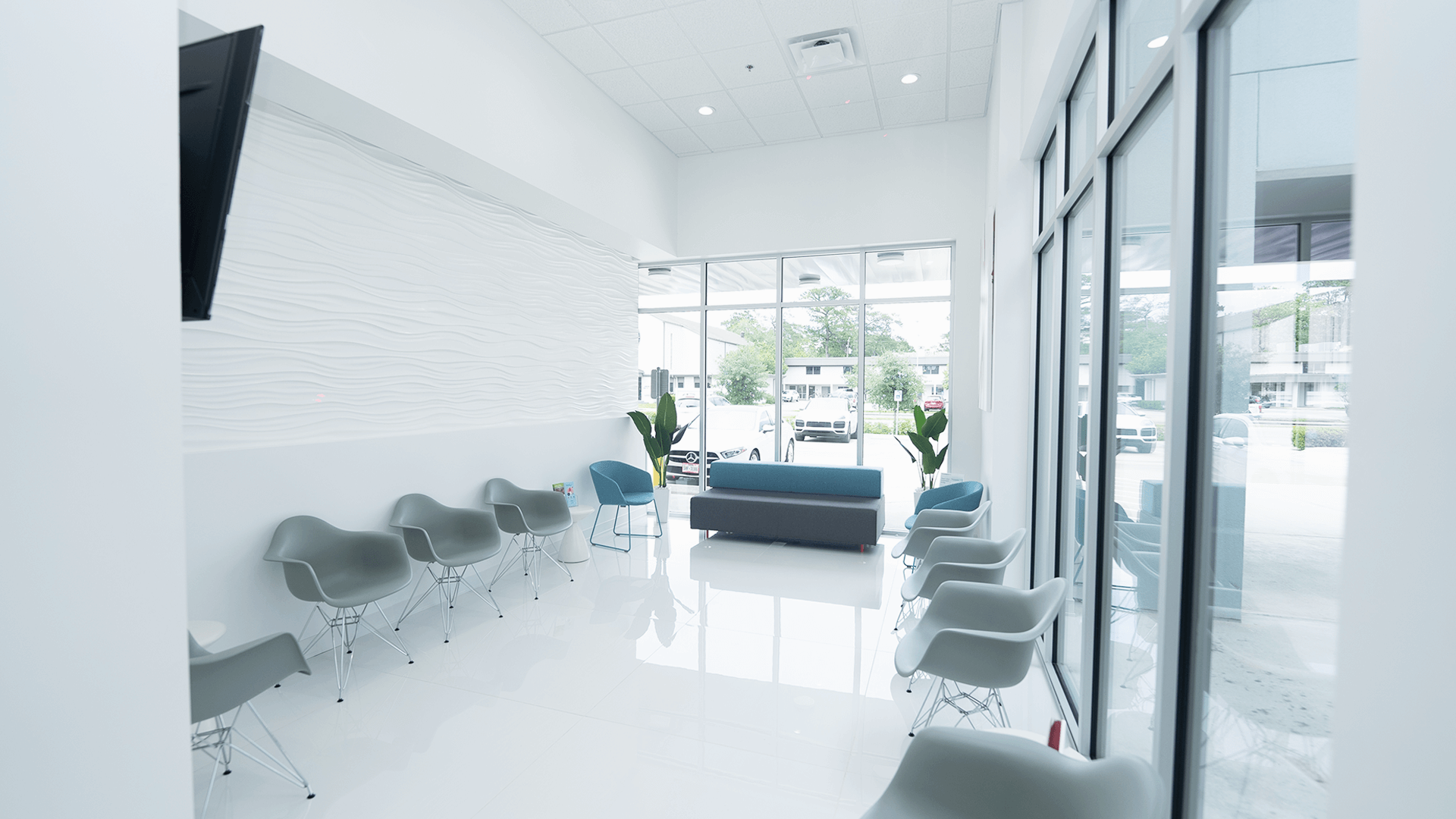
See what a visit to our modern, state-of-the-art dentist office is like!

Monday 9am - 6pm
Wednesday 9am - 6pm
Friday 9am - 6pm
Saturday 9am - 3pm
Check out what our patients are saying in Houston, TX


“Never Thought I'd Say It”
I never thought I’d say it, but going to the dentist is actually fun now. I recently came in for a root canal, and I got to sit back and catch up on Stranger Things without any pain!

“Anxiety Has Kept Me Away ”
I usually have such huge anxiety when I go to a dentist appointment, which means I always put off visits until the last minute to disastrous consequences. However, Dr. Loggins helped me with sedation, so the entire process was a breeze!

“The Best Dentist In Houston, TX”
We have been looking for a family dentist for a long time, we have tried a bunch of places but nothing felt quite like home. Not too long ago we stumbled upon Nu Dentistry and met Dr. Ali. Not only was he professional, kind, and gentle, but he always finds a way to fit us in when we need an appointment. He’s also pretty funny! I appreciate that he takes the time to explain what he’s doing, before he does it. That really puts me at ease.
“Never Thought I'd Say It”
I never thought I’d say it, but going to the dentist is actually fun now. I recently came in for a root canal, and I got to sit back and catch up on Stranger Things without any pain!
“Anxiety Has Kept Me Away ”
I usually have such huge anxiety when I go to a dentist appointment, which means I always put off visits until the last minute to disastrous consequences. However, Dr. Loggins helped me with sedation, so the entire process was a breeze!
We are proud members of these dental organizations and accreditations






We are dedicated to providing you with only the best quality dental care