Why Your Invisalign Trays Aren't Fitting — and What to Do About It
Invisalign trays not fitting right in Houston? Learn about gaps, tracking, and refinements from Nu Dentistry Garden Oaks. Get answers today.
Read More
If you’re thinking about straightening your teeth, there’s a good chance you’ve asked yourself: Which is easier to live with—braces or Invisalign?
At Nu Dentistry Garden Oaks, we often see patients weighing not just the final results but what the journey will feel like. After all, orthodontic treatment doesn’t just change your smile. It becomes part of your lifestyle for months—or even years.
So let’s explore what you can expect day to day, how each option fits into your routines, and which might suit your lifestyle best.
When it comes to daily comfort, both Invisalign and braces have come a long way from the days of bulky appliances or rigid metal wires that left people counting the days until removal. But they still offer two very different experiences.
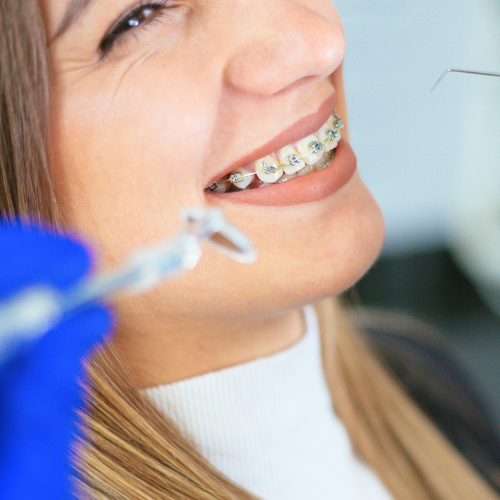
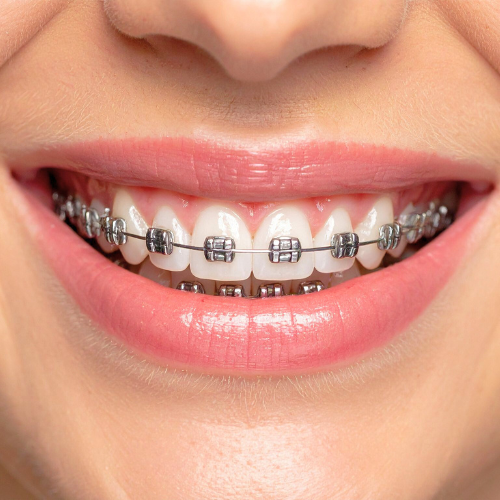
Braces: Traditional braces involve brackets attached to your teeth and connected by wires. You’ll feel some initial pressure when they’re first placed and after each adjustment appointment. This pressure is necessary for moving your teeth, but it can cause mild to moderate soreness for a few days.
Braces can also sometimes irritate the inside of your cheeks or lips, especially in the early days or if a wire comes loose. Orthodontic wax can help, but it’s something to be aware of.
That said, once you get used to braces, many patients report that they become part of the background of daily life. There’s no forgetting them—they’re always there—but they don’t usually cause ongoing discomfort.
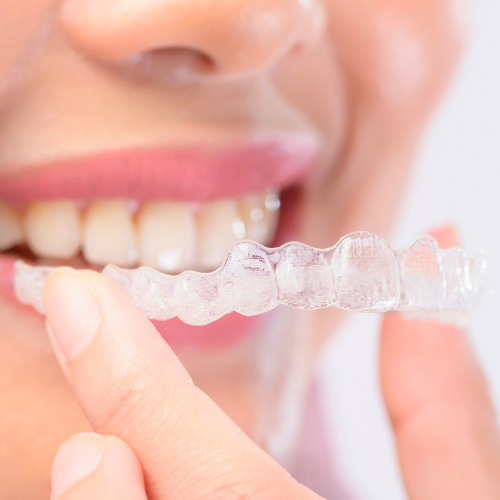
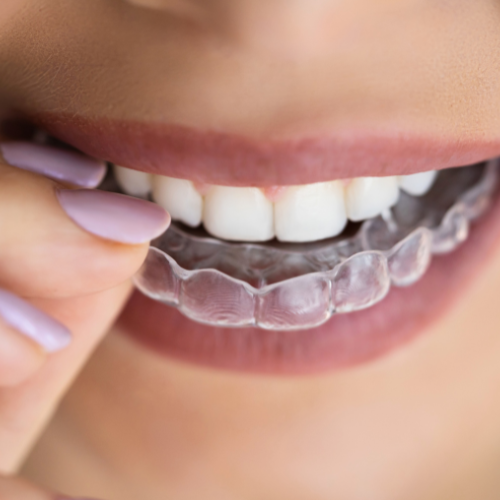
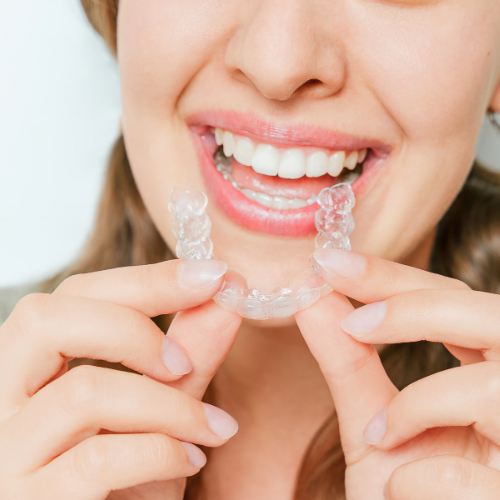
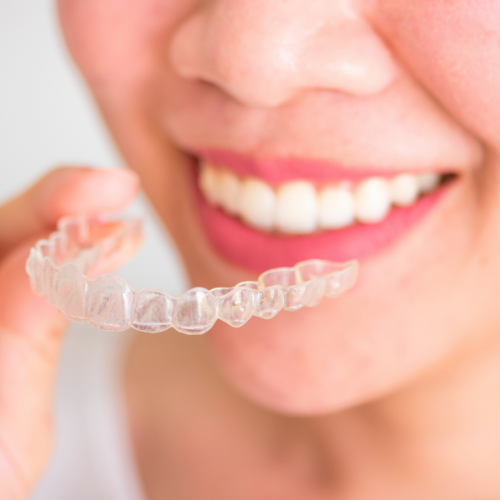
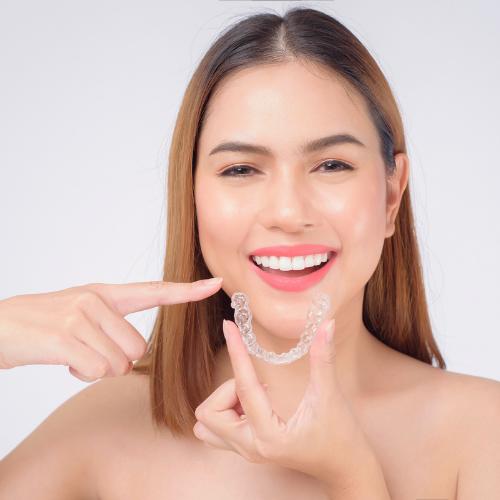
Invisalign: Invisalign aligners are made from smooth, BPA-free plastic and custom-molded to fit your teeth. Most patients find them very comfortable to wear, especially compared to braces. You may feel tightness or pressure each time you switch to a new aligner tray (usually every 1-2 weeks), but this is generally milder than the soreness from braces adjustments.
Because the aligners are removable, there’s no rubbing or poking against your cheeks or lips. No brackets, no wires—just clear, snug trays.
Bottom line? If daily comfort is your top priority, Invisalign tends to be the winner. However, keep in mind that Invisalign requires a high level of discipline. Forgetting to wear them for 20-22 hours a day can delay your results or reduce effectiveness.
Eating: With braces, certain foods are off-limits. Sticky candies, crunchy snacks, hard bread crusts—these can damage your brackets or get caught in your wires. Eating also means extra brushing and flossing to avoid trapped food and plaque buildup.
Invisalign lets you eat whatever you want. You simply take the aligners out before meals. But you must brush and floss before putting them back in. If you don’t, trapped food and sugars can lead to cavities or staining inside the aligners.
Talking: Most patients with braces adapt quickly and notice little to no long-term impact on speech.
Invisalign wearers might notice a slight lisp when they first start wearing their aligners, especially if they have a tray that covers more of the palate. This usually resolves within a few days as your tongue adapts.
Daily Routine: Braces are fixed, which makes your routine more predictable. You’ll brush, floss (often using special threaders or tools to get around the wires), and attend adjustment appointments every 4-8 weeks.
Invisalign requires more hands-on responsibility. You’ll need to remember to wear your aligners consistently, clean them regularly, and keep track of when to change trays. There’s also the potential for extra brushing throughout the day, especially if you snack often and need to clean your teeth before reinserting aligners.
Bottom line? If you want minimal lifestyle disruption, Invisalign offers more food freedom but requires more diligence with wear and hygiene. Braces are a set-it-and-forget-it option, but come with dietary restrictions and more meticulous oral care.
Sports and Physical Activity: Braces can pose a challenge if you play contact sports. Mouthguards are essential to prevent injury to your lips, cheeks, or gums if you take a hit.
Invisalign aligners can often be worn during sports, though for high-contact activities, you may still need a specialized mouthguard. Some athletes prefer Invisalign because there’s no risk of broken brackets or wires during games.
Special Occasions: Whether it’s a wedding, graduation, or big presentation at work, Invisalign offers a clear advantage for those who want a discreet option. You can also remove the aligners temporarily for photos or important events (just remember not to make this a habit).
Braces, by nature, are visible. While modern braces come in clear or ceramic versions that are less noticeable, they can’t be removed or hidden for special occasions.
Travel and Busy Schedules: For patients who travel often or have irregular schedules, Invisalign can be more flexible. You can usually take multiple aligners with you and don’t need to visit the orthodontist as frequently for adjustments.
However, if you tend to misplace things or forget to wear aligners during hectic days, braces may be the safer bet since they’re always working whether you think about them or not.
Bottom line? Invisalign tends to suit people who value flexibility, discretion, and have the self-discipline to manage aligner care even during busy or unpredictable periods. Braces work well for those who want a lower-maintenance option once treatment begins.
Both Invisalign and braces can deliver amazing results. The decision often comes down to how much responsibility you want to take on during treatment, what your daily routines look like, and which trade-offs you’re comfortable making.
At Nu Dentistry Garden Oaks, we help patients find the orthodontic option that fits both their smile goals and their lifestyle. No two patients are the same, so we take time to understand what matters most to you.
If you’re ready to take the next step or just want to chat through your options, we’re here to help. Schedule a consultation today and let’s find the perfect fit for your smile—and your life.
Fresh news from the dental world
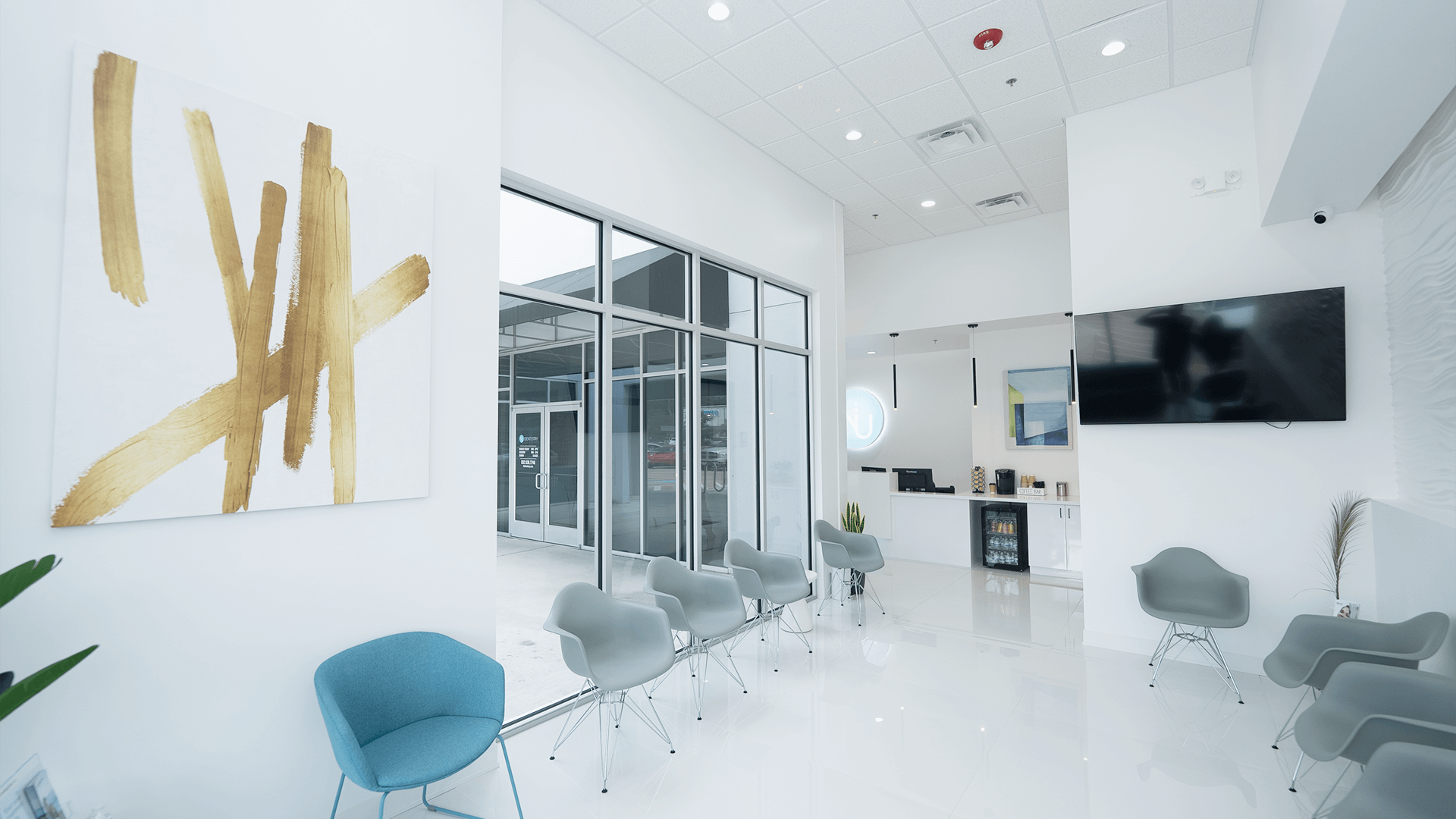
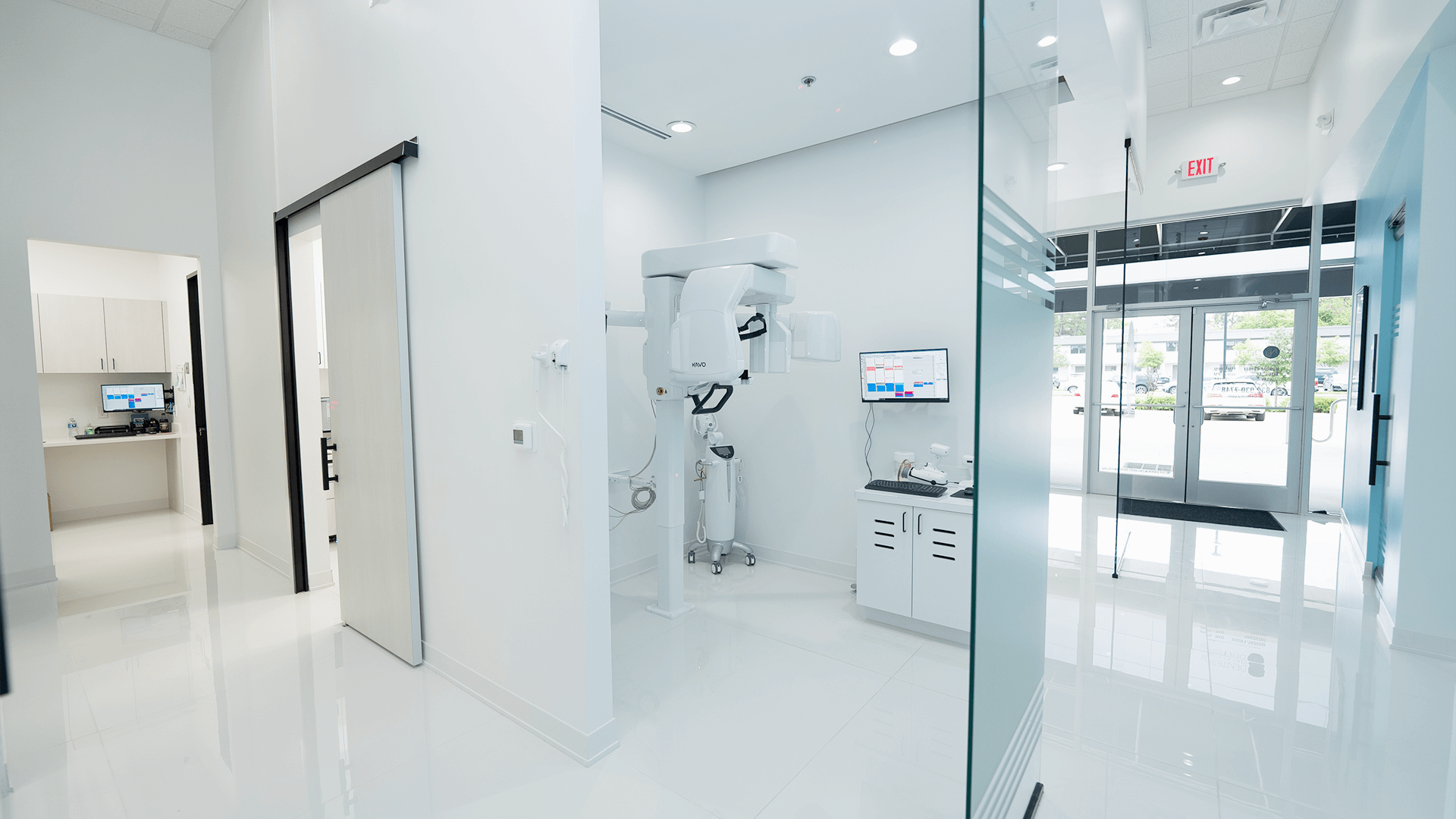
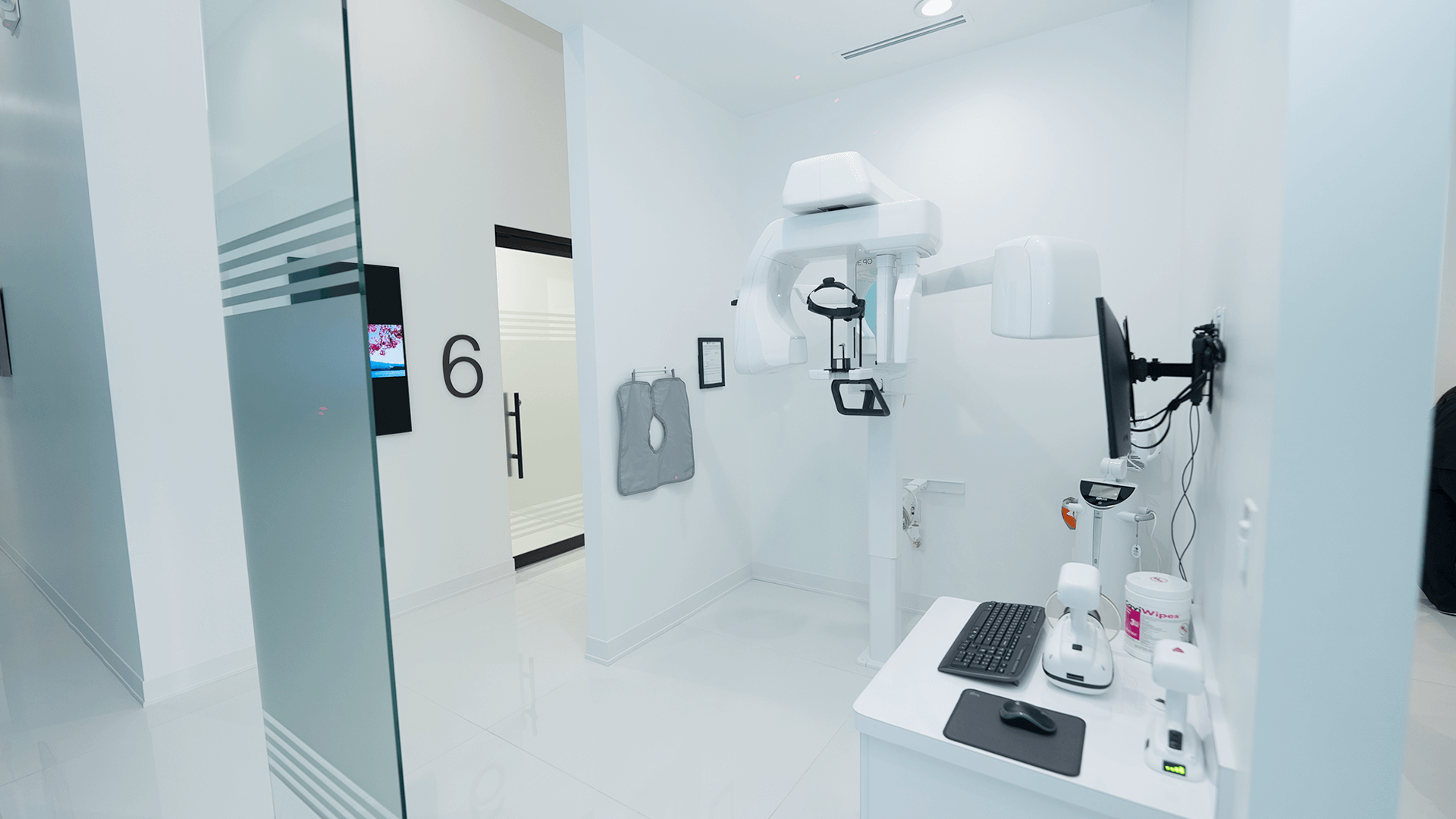
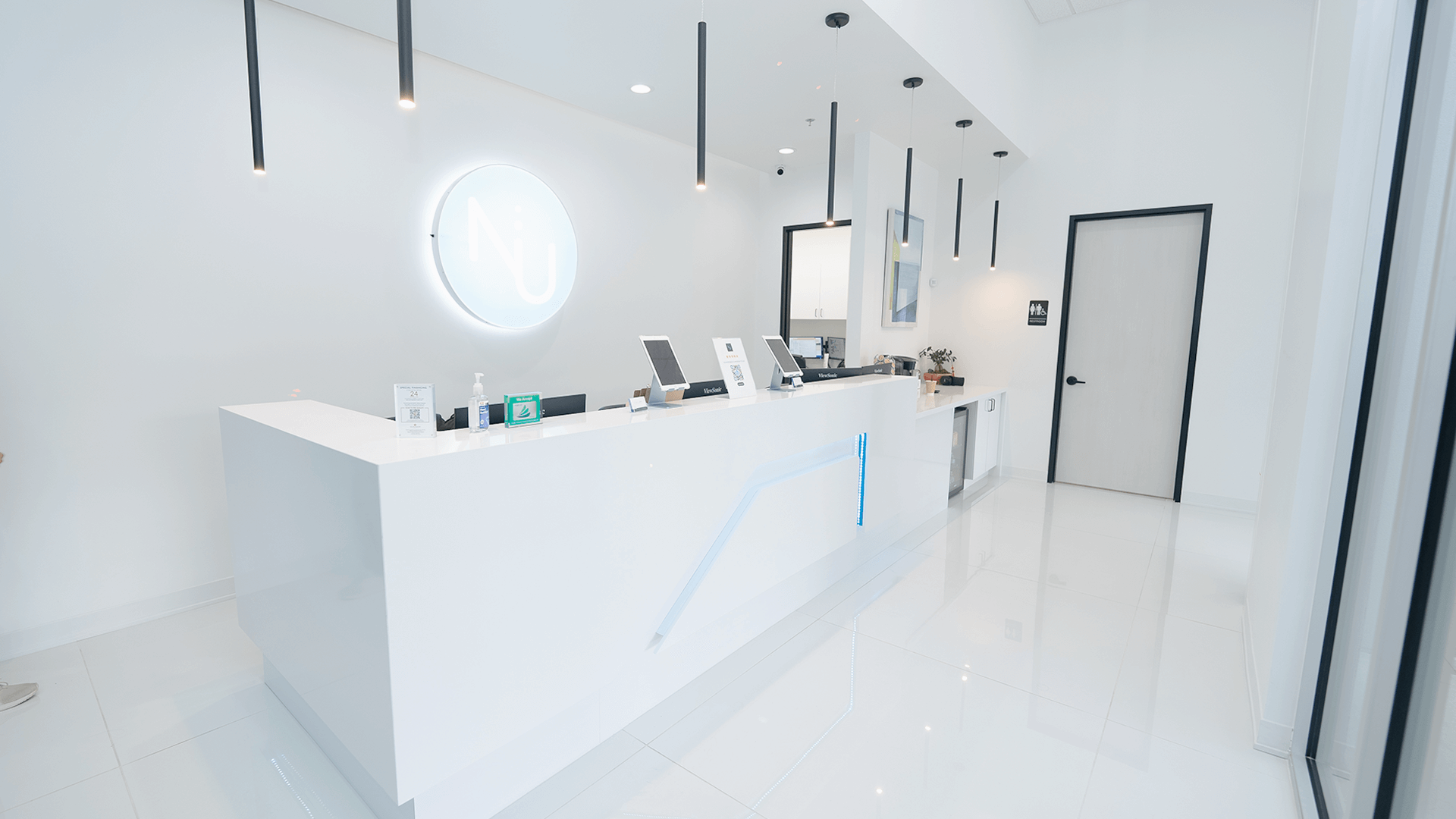
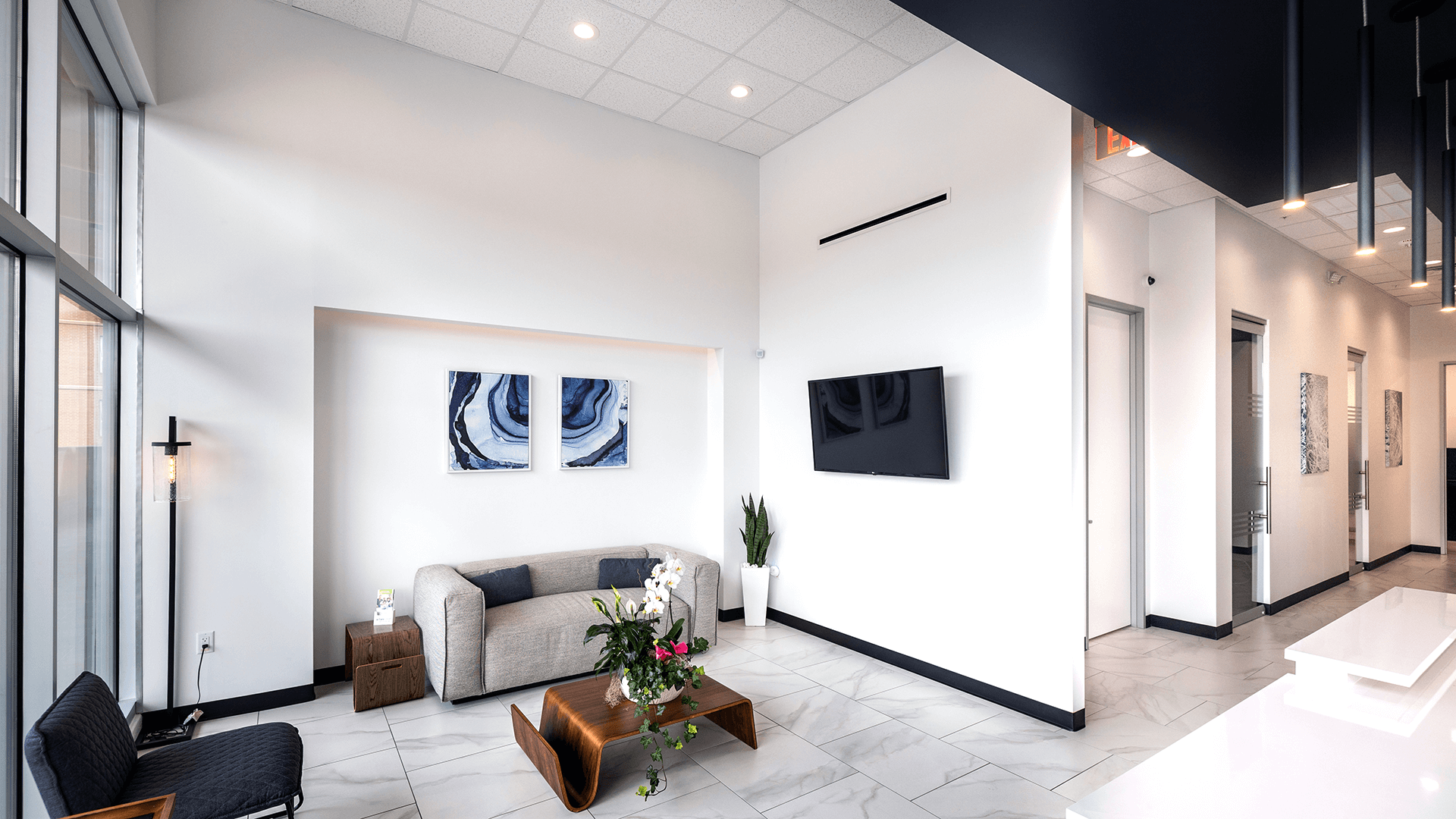
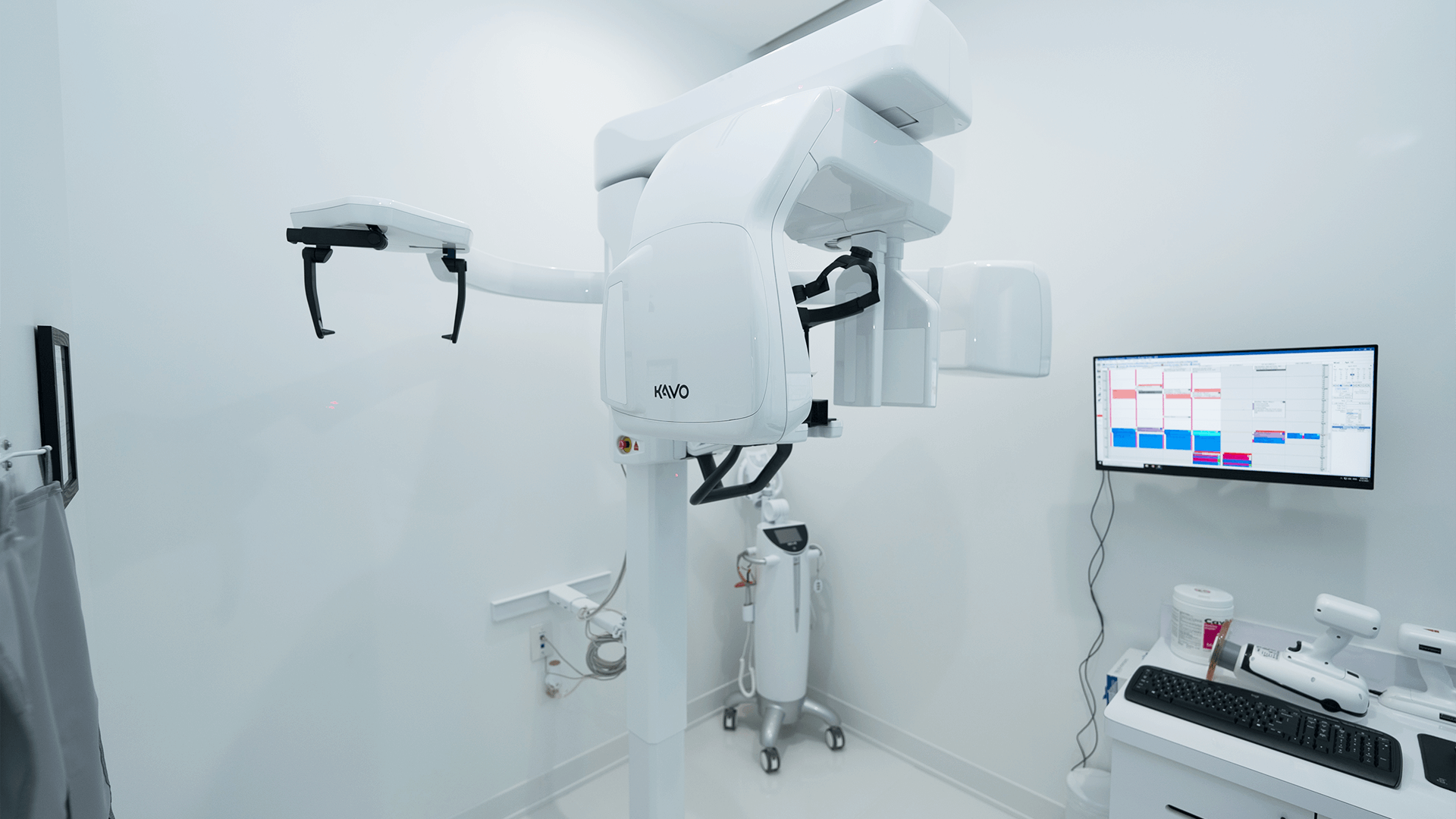
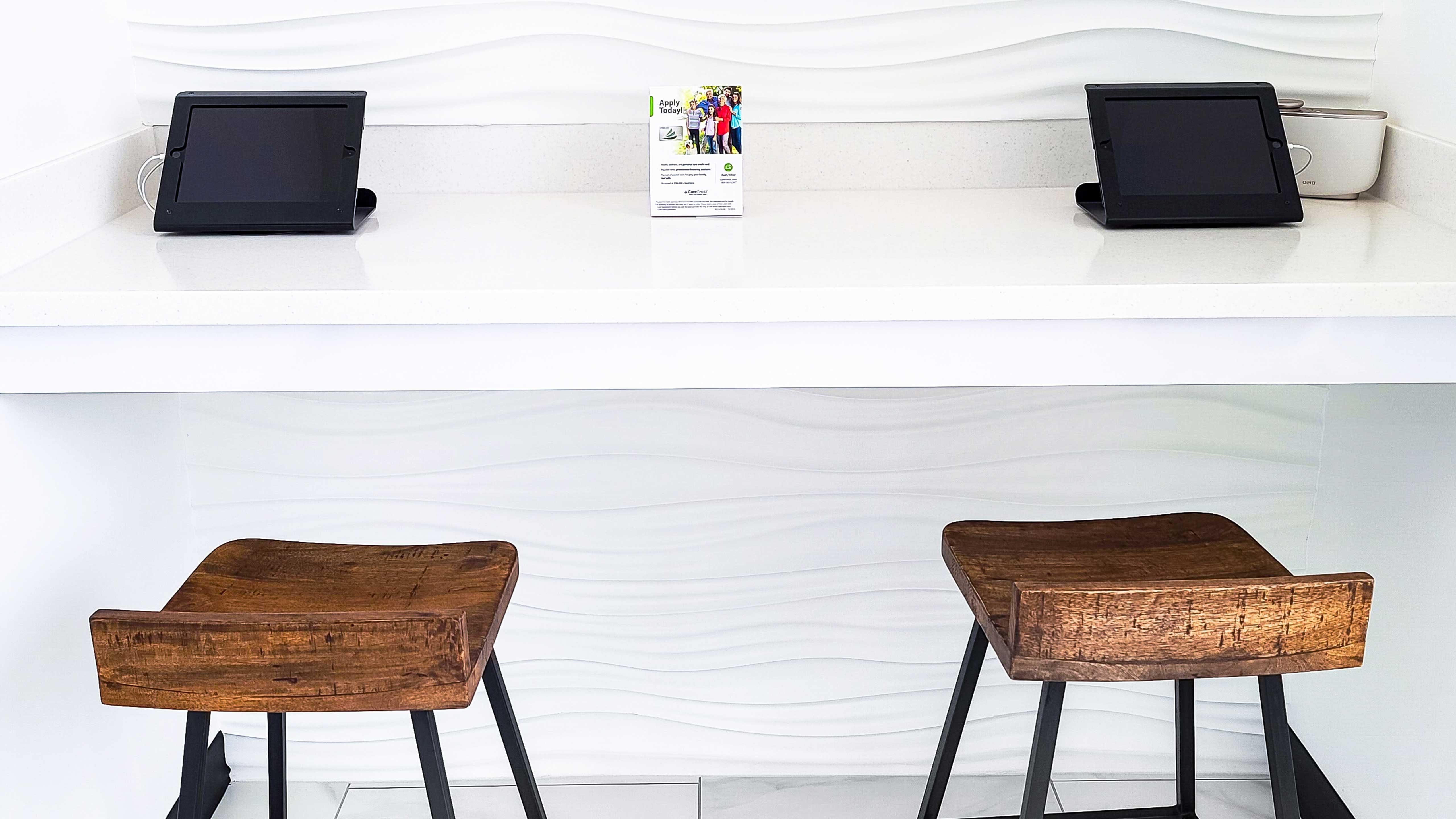
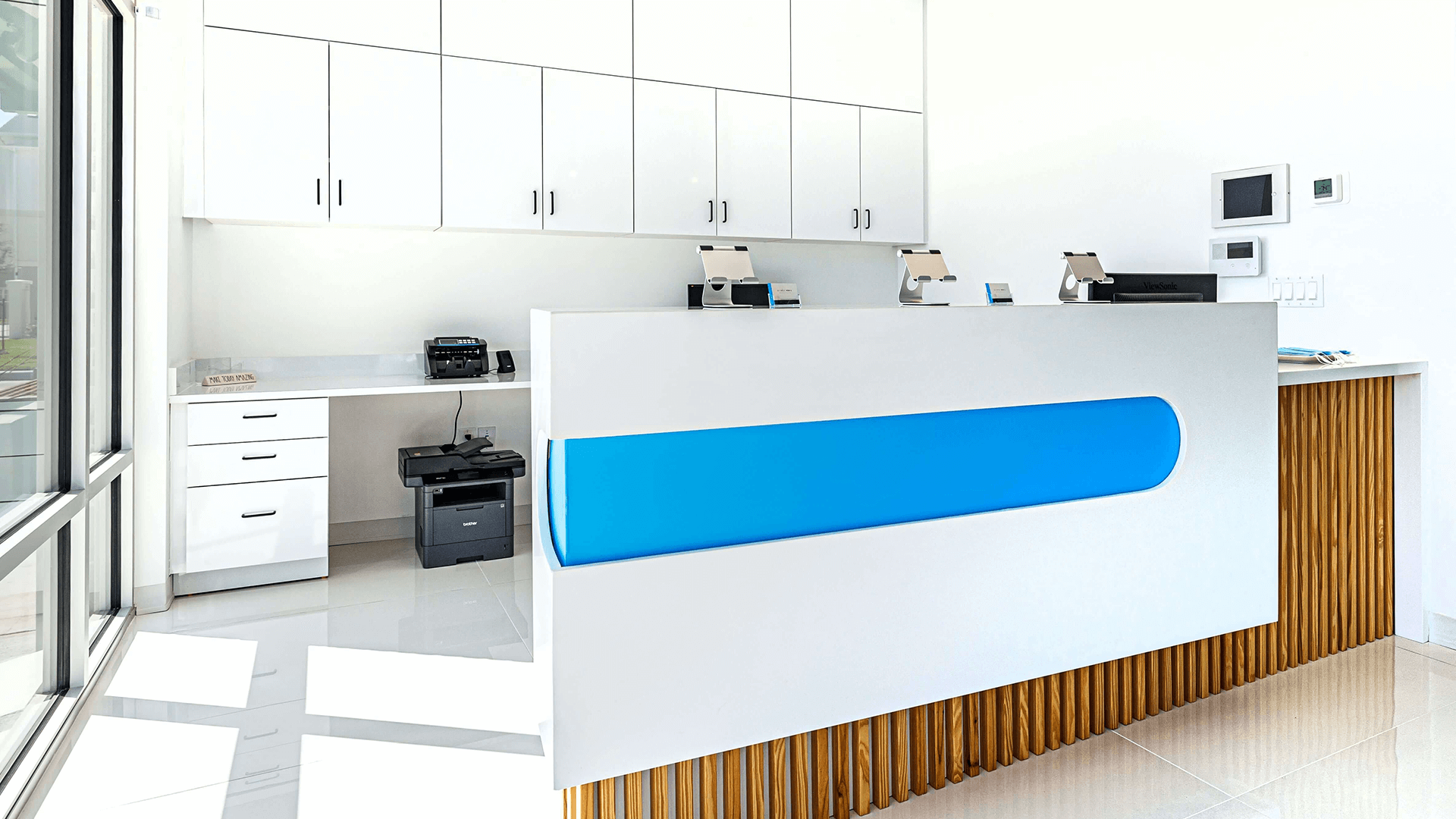
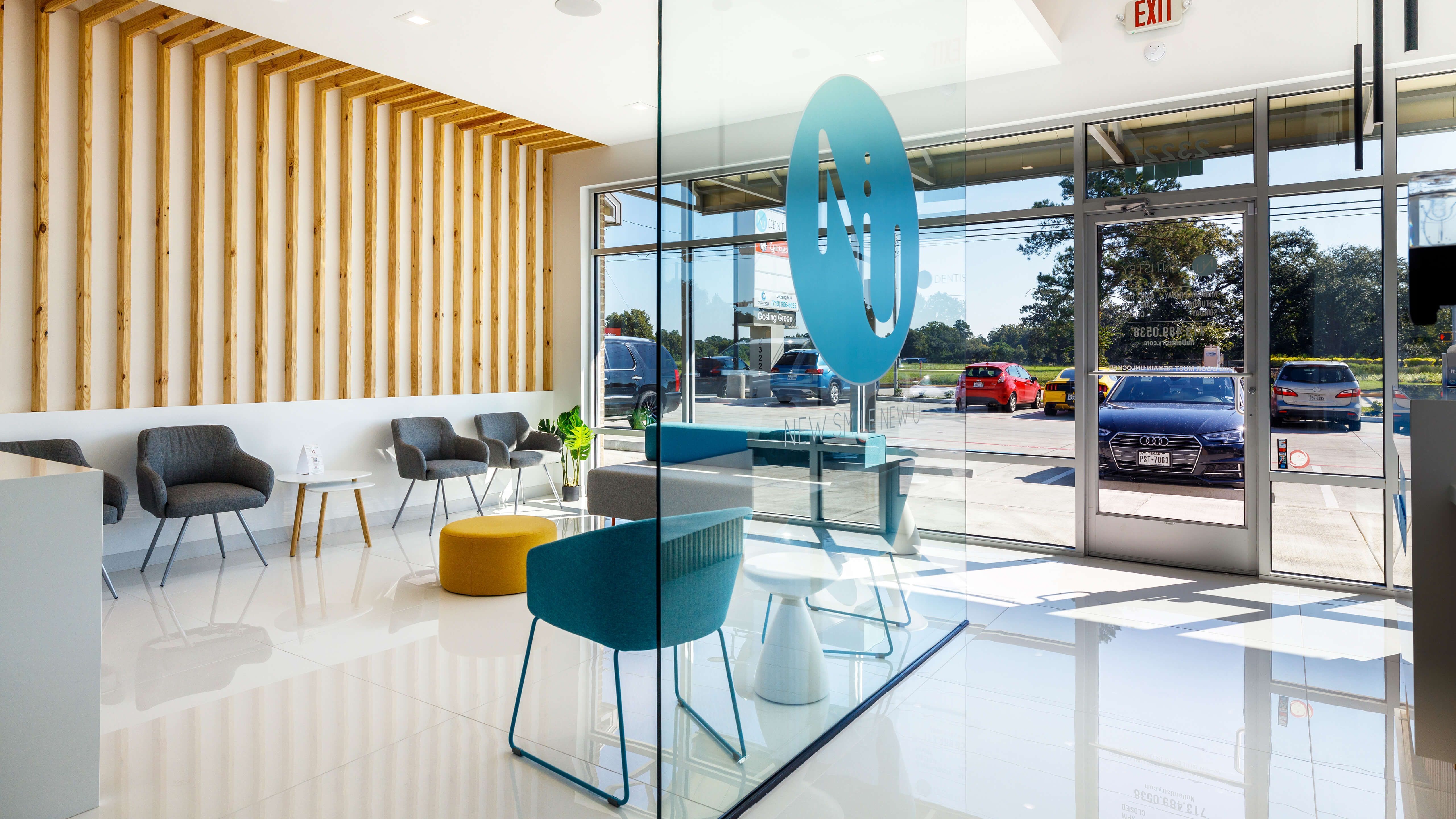
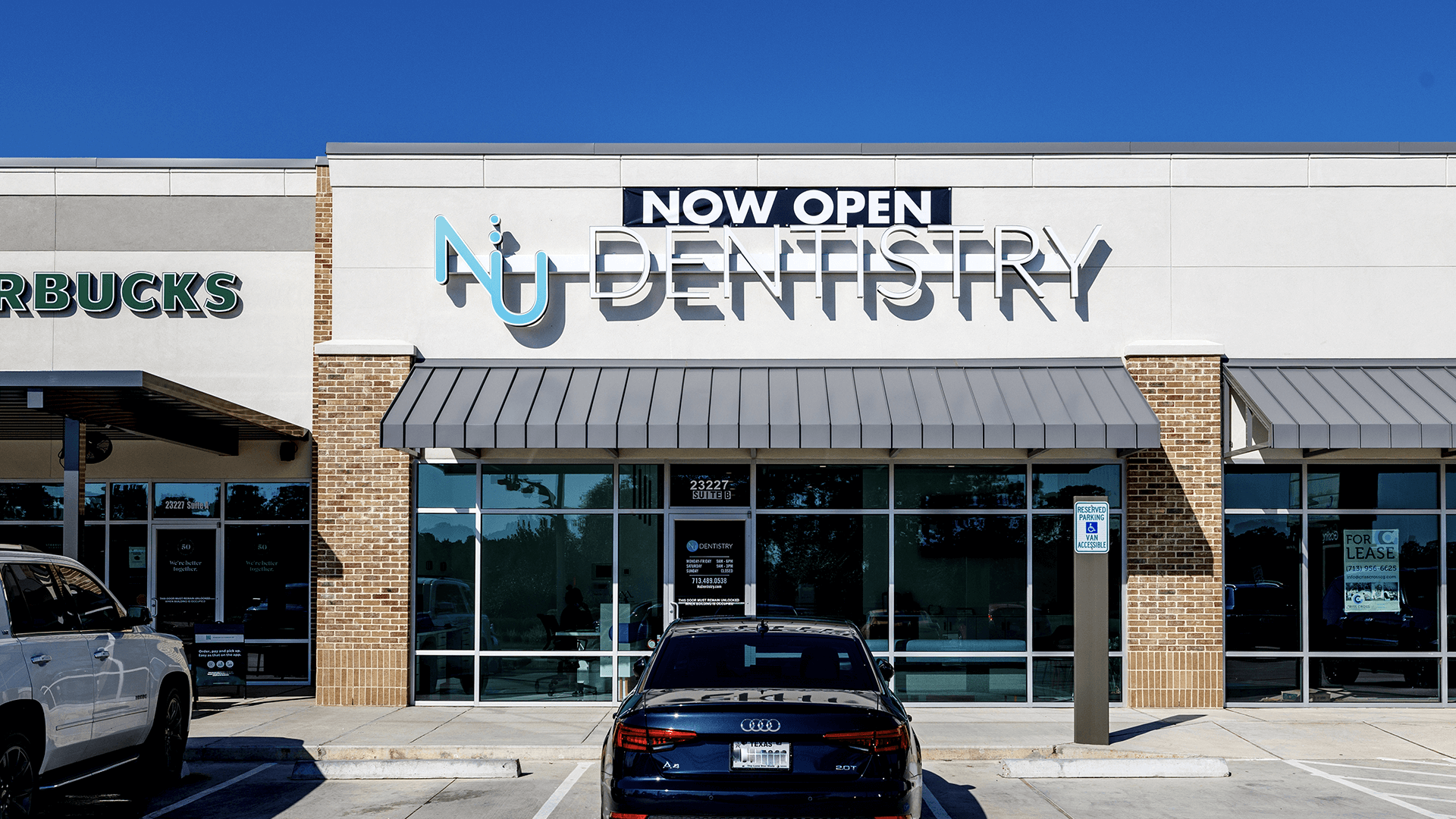
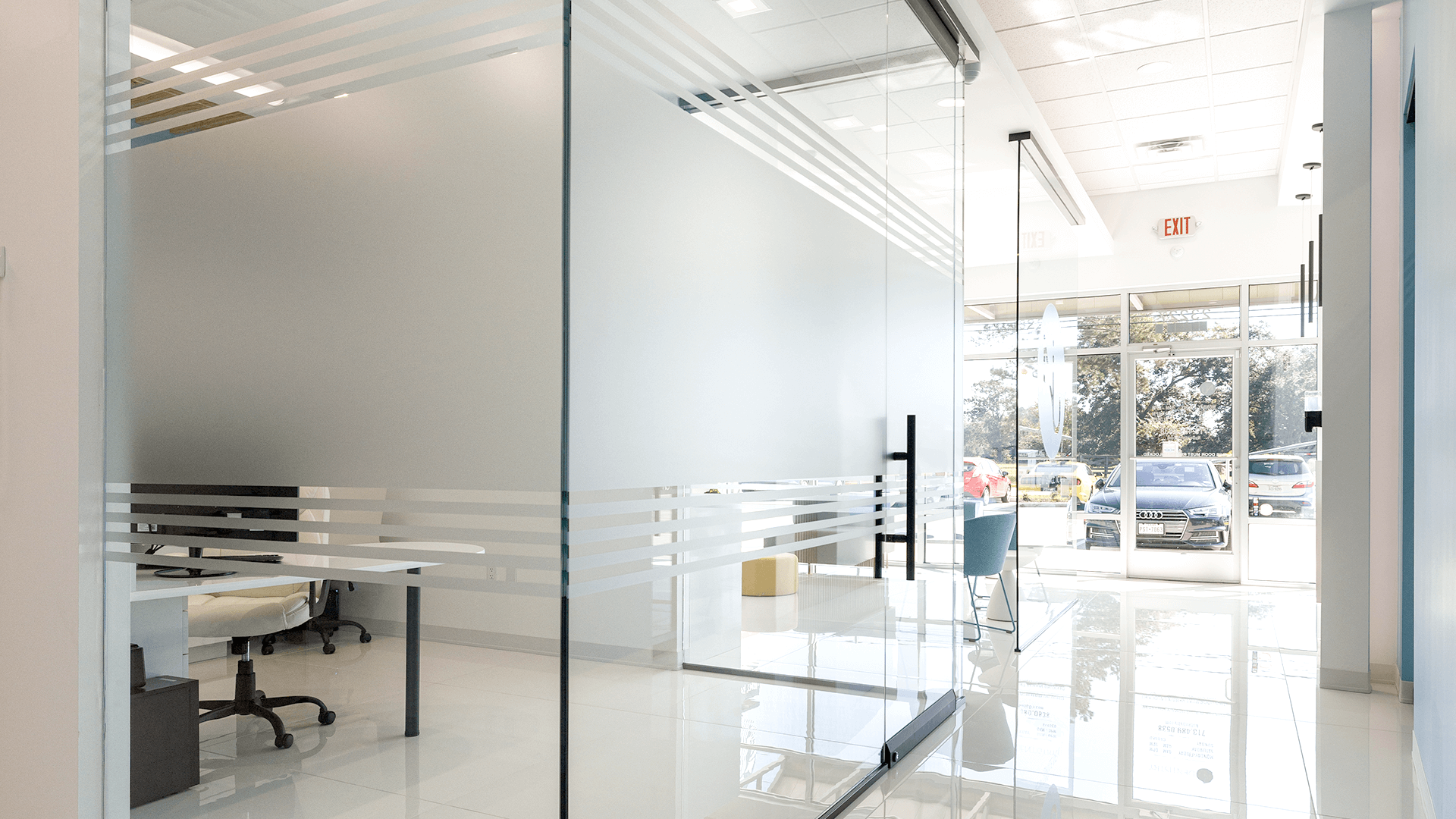
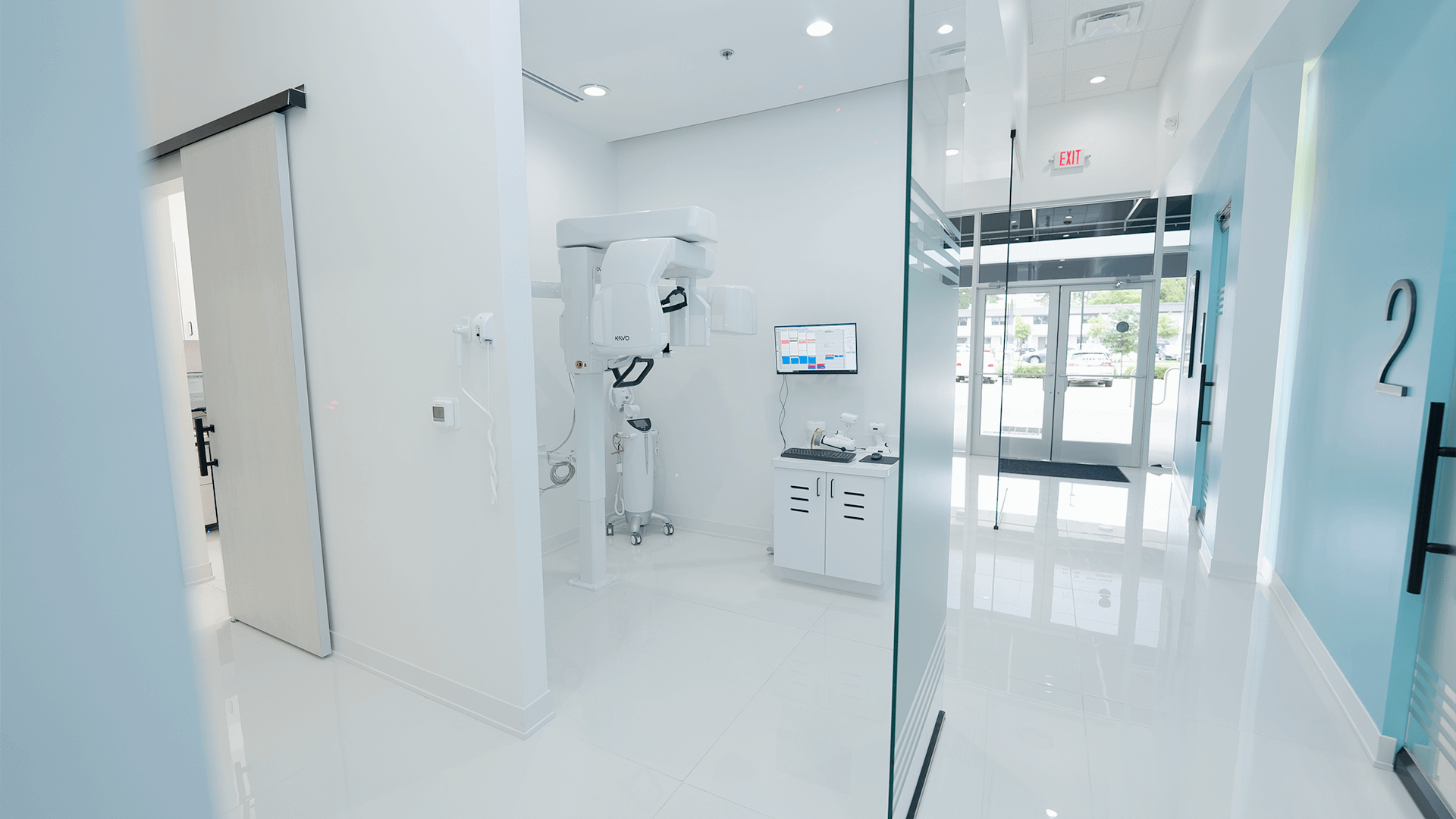
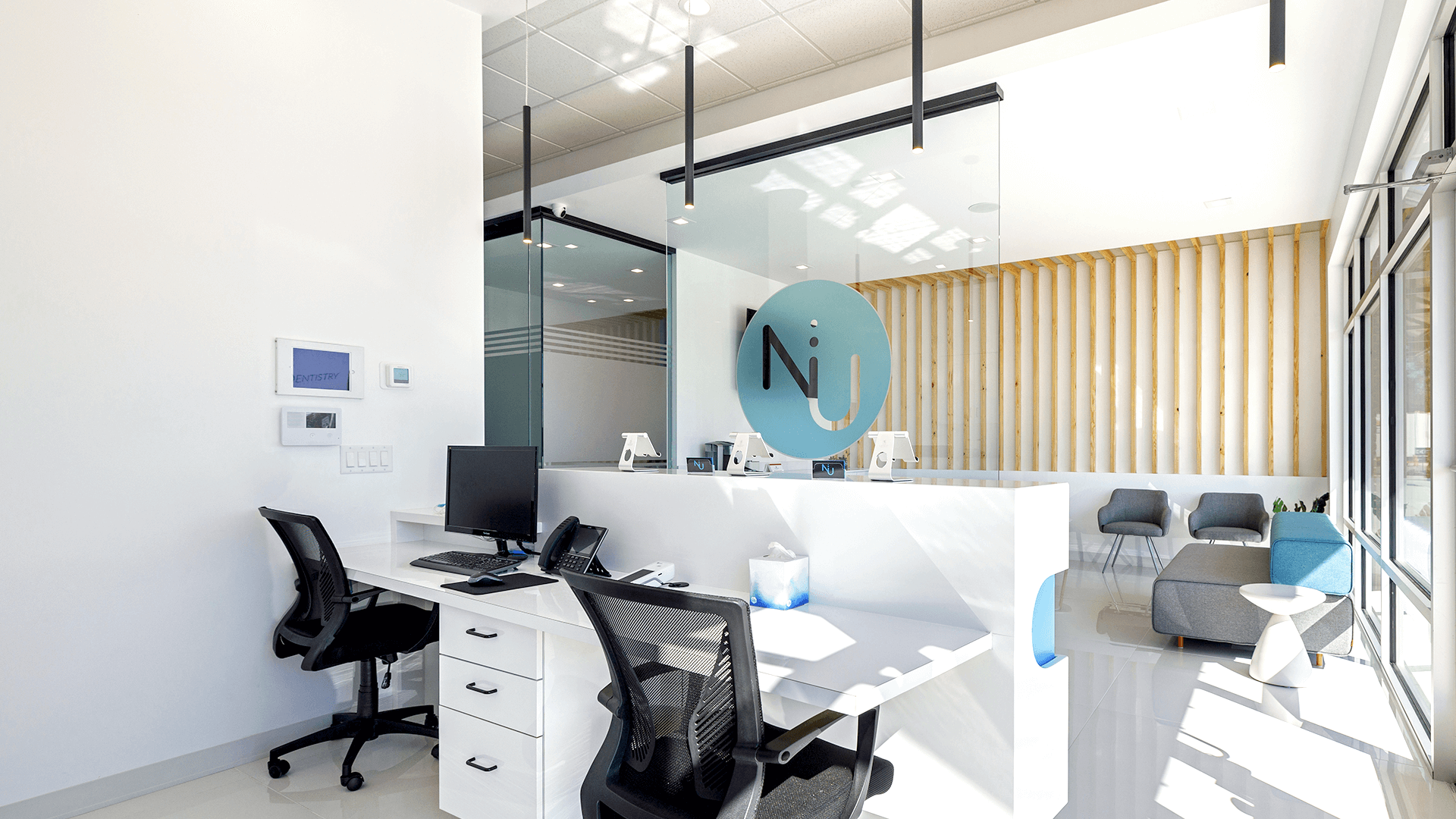
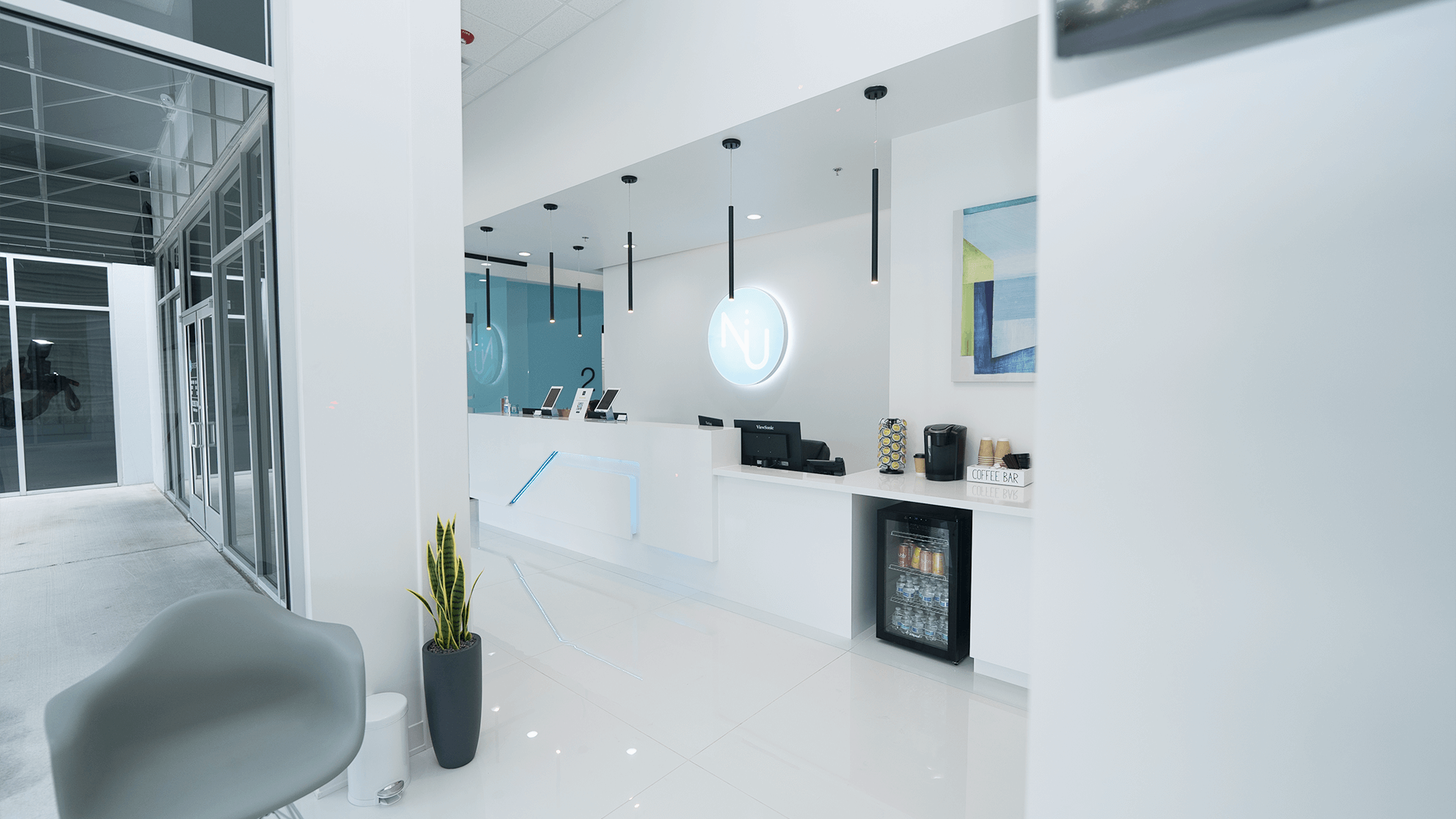
See what a visit to our modern, state-of-the-art dentist office is like!



Monday 9am - 6pm
Wednesday 9am - 6pm
Friday 9am - 6pm
Saturday 9am - 3pm
Check out what our patients are saying in Houston, TX


“Never Thought I'd Say It”
I never thought I’d say it, but going to the dentist is actually fun now. I recently came in for a root canal, and I got to sit back and catch up on Stranger Things without any pain!

“Anxiety Has Kept Me Away ”
I usually have such huge anxiety when I go to a dentist appointment, which means I always put off visits until the last minute to disastrous consequences. However, Dr. Loggins helped me with sedation, so the entire process was a breeze!

“The Best Dentist In Houston, TX”
We have been looking for a family dentist for a long time, we have tried a bunch of places but nothing felt quite like home. Not too long ago we stumbled upon Nu Dentistry and met Dr. Ali. Not only was he professional, kind, and gentle, but he always finds a way to fit us in when we need an appointment. He’s also pretty funny! I appreciate that he takes the time to explain what he’s doing, before he does it. That really puts me at ease.
“Never Thought I'd Say It”
I never thought I’d say it, but going to the dentist is actually fun now. I recently came in for a root canal, and I got to sit back and catch up on Stranger Things without any pain!
“Anxiety Has Kept Me Away ”
I usually have such huge anxiety when I go to a dentist appointment, which means I always put off visits until the last minute to disastrous consequences. However, Dr. Loggins helped me with sedation, so the entire process was a breeze!
We are proud members of these dental organizations and accreditations







We are dedicated to providing you with only the best quality dental care